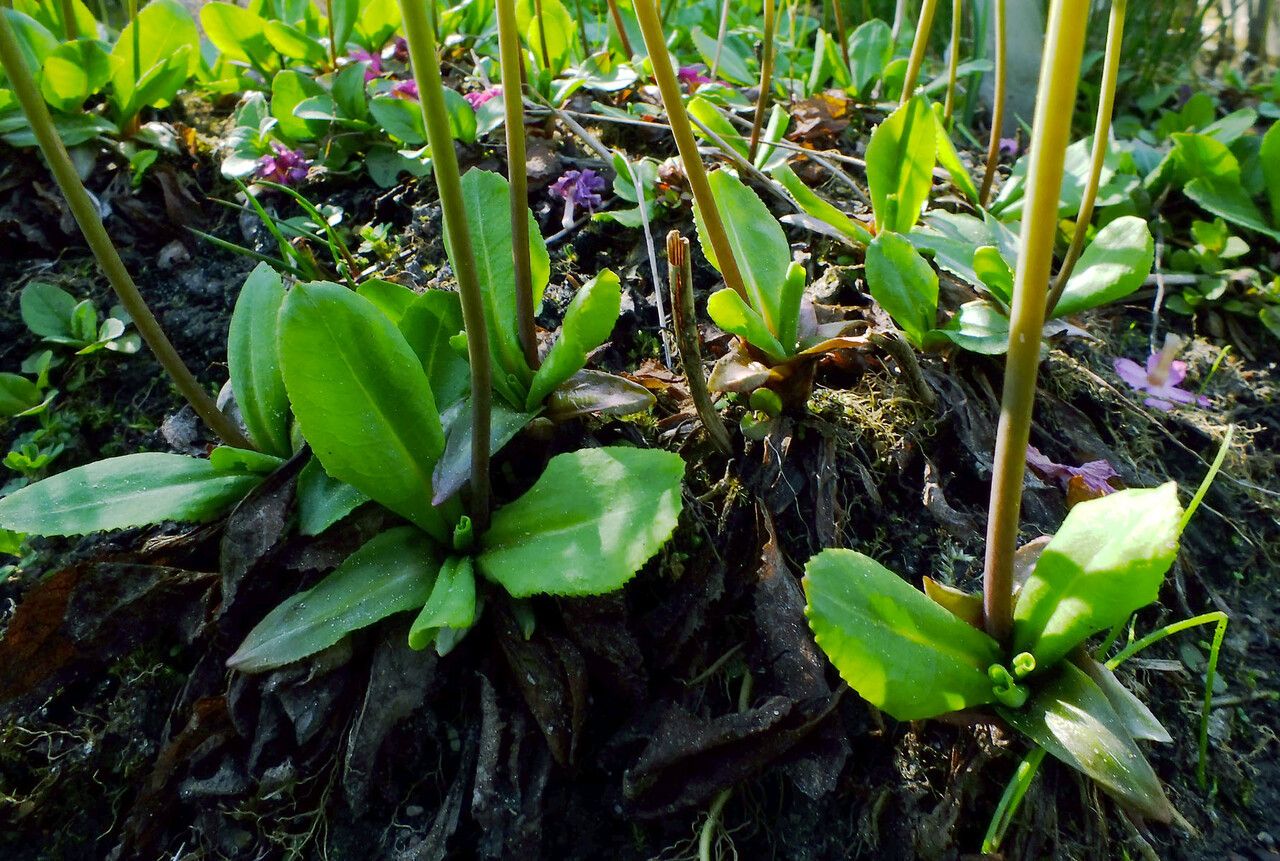
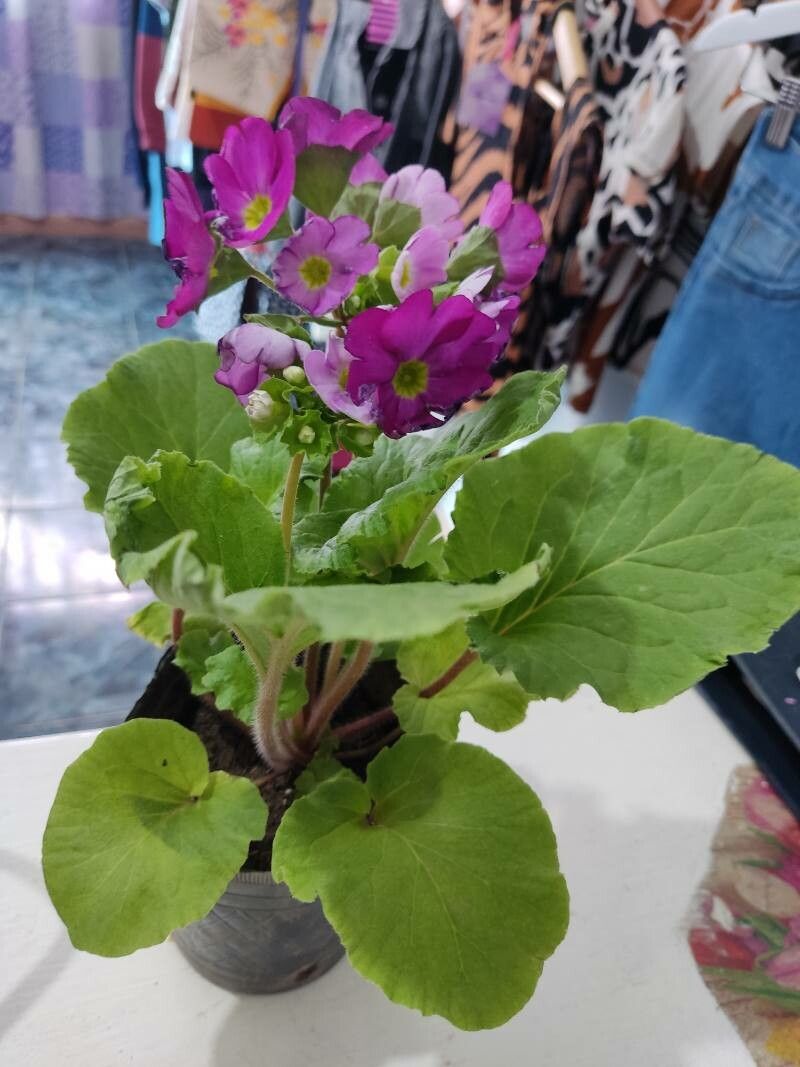
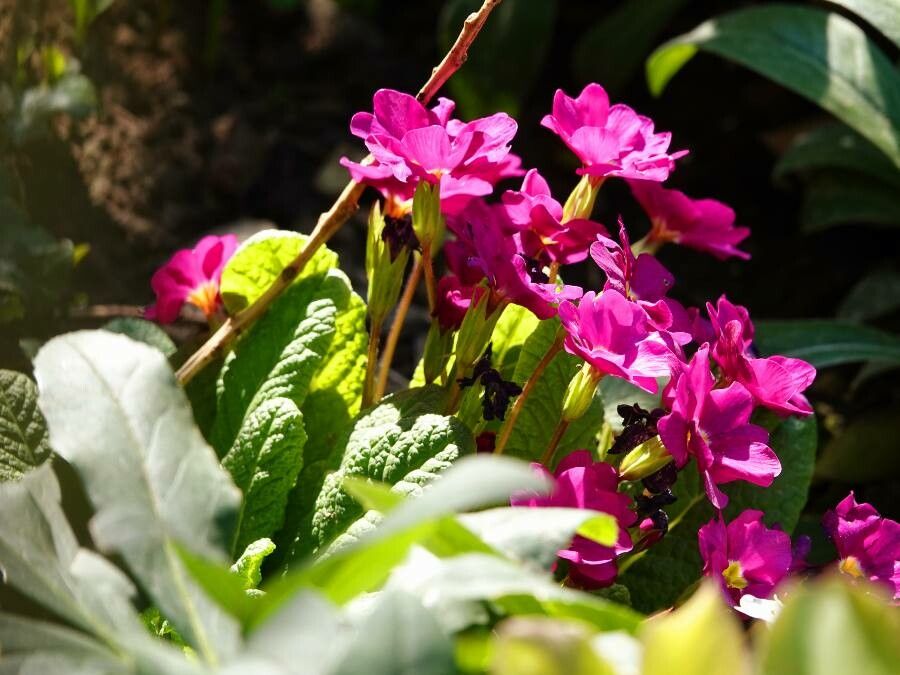
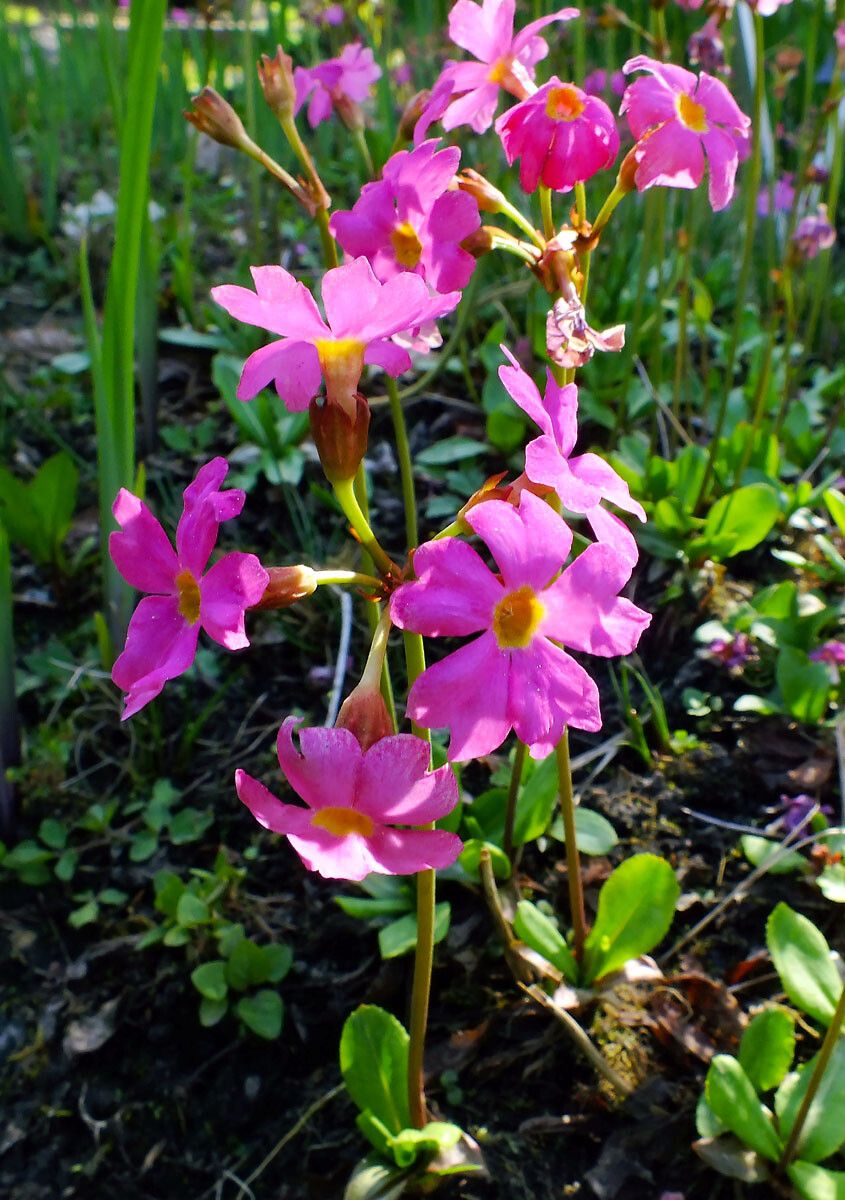
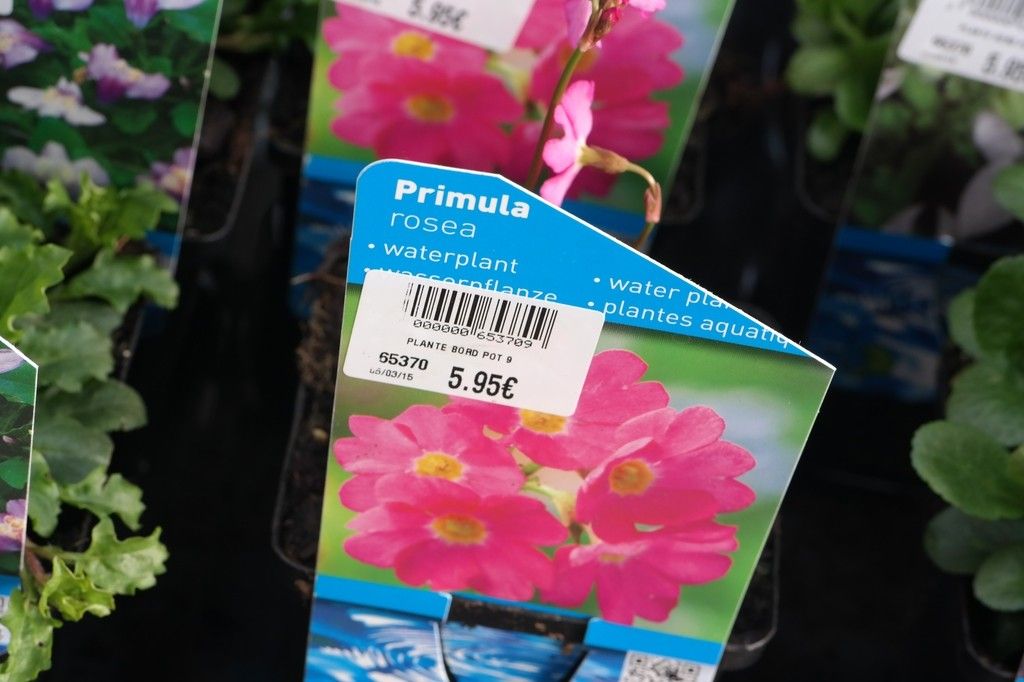
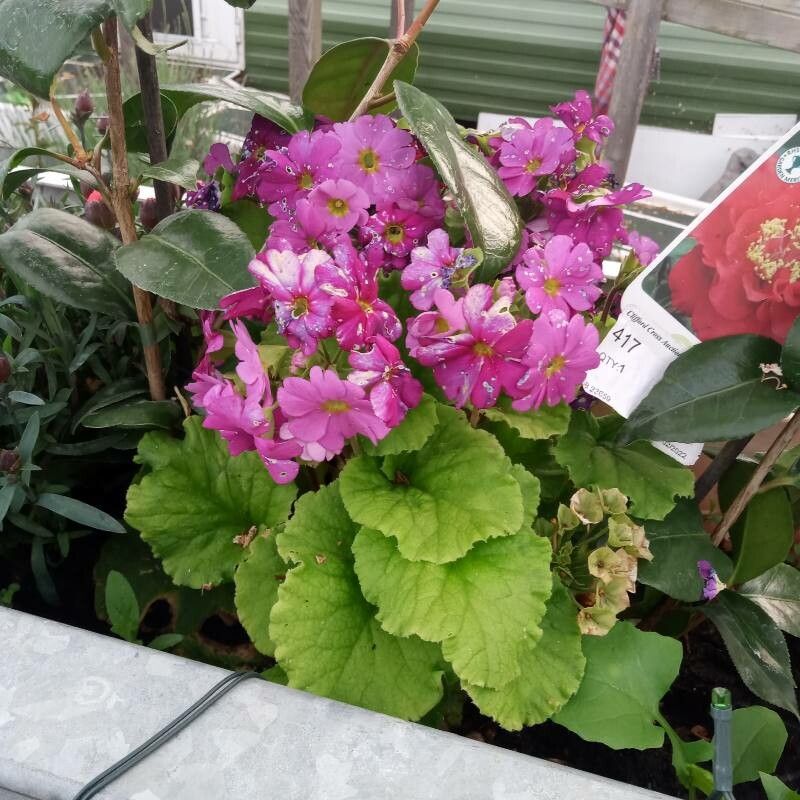
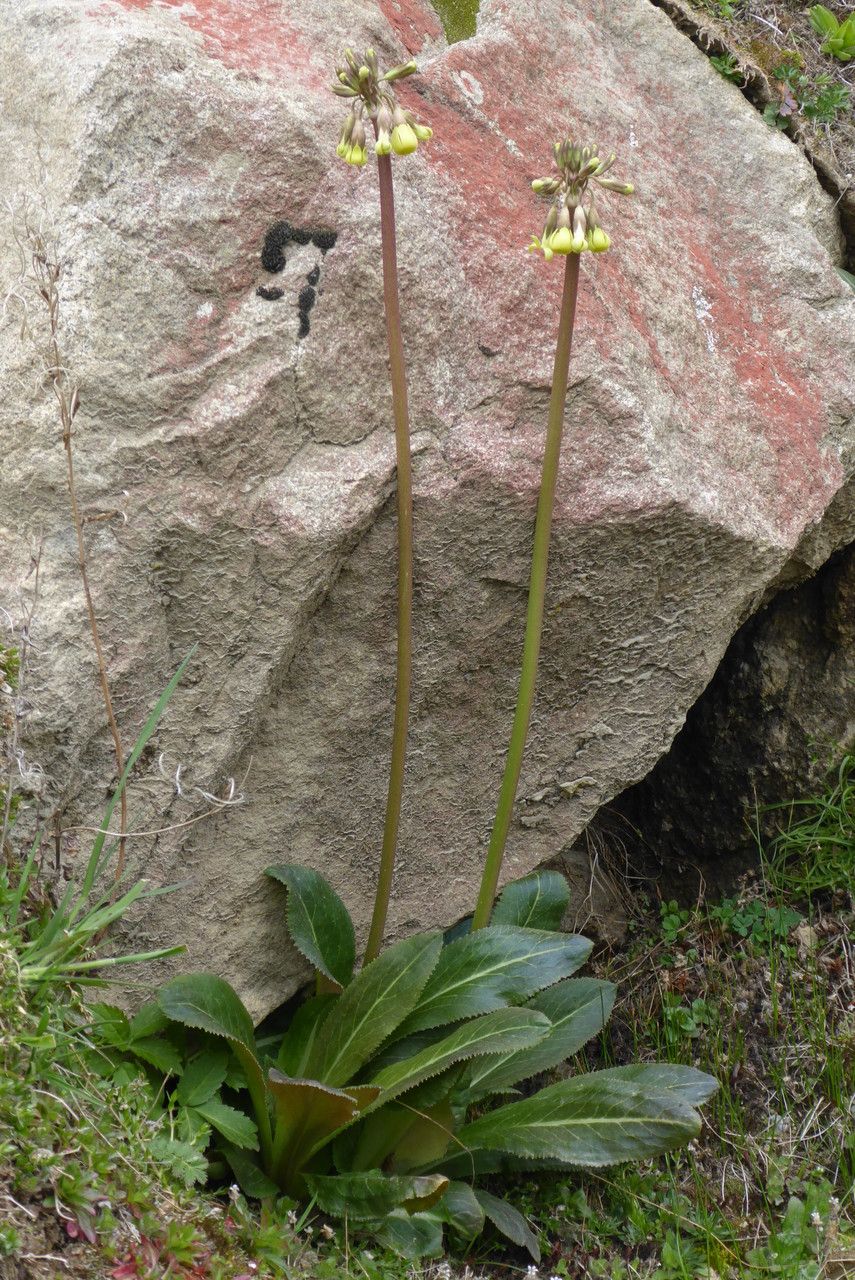
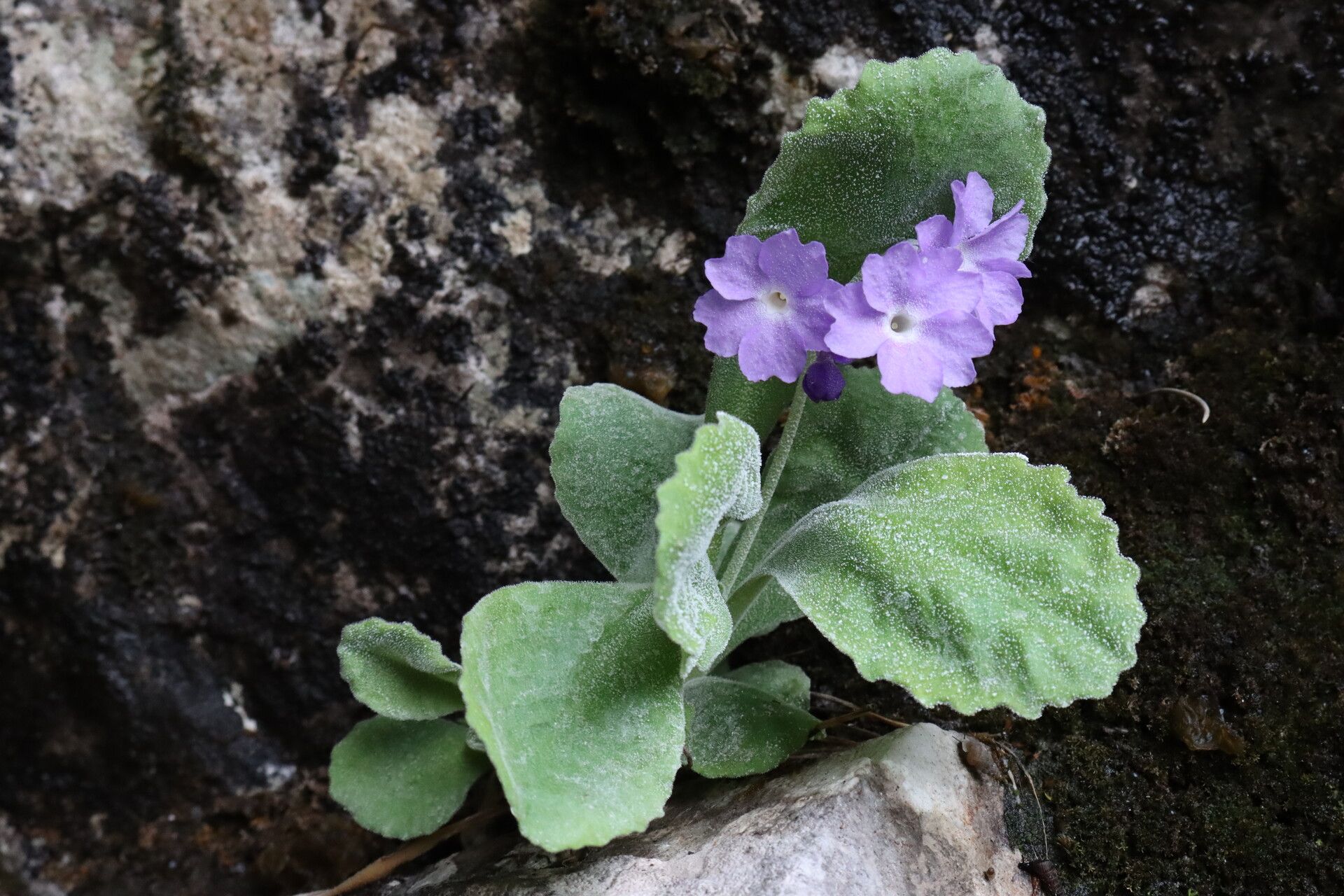
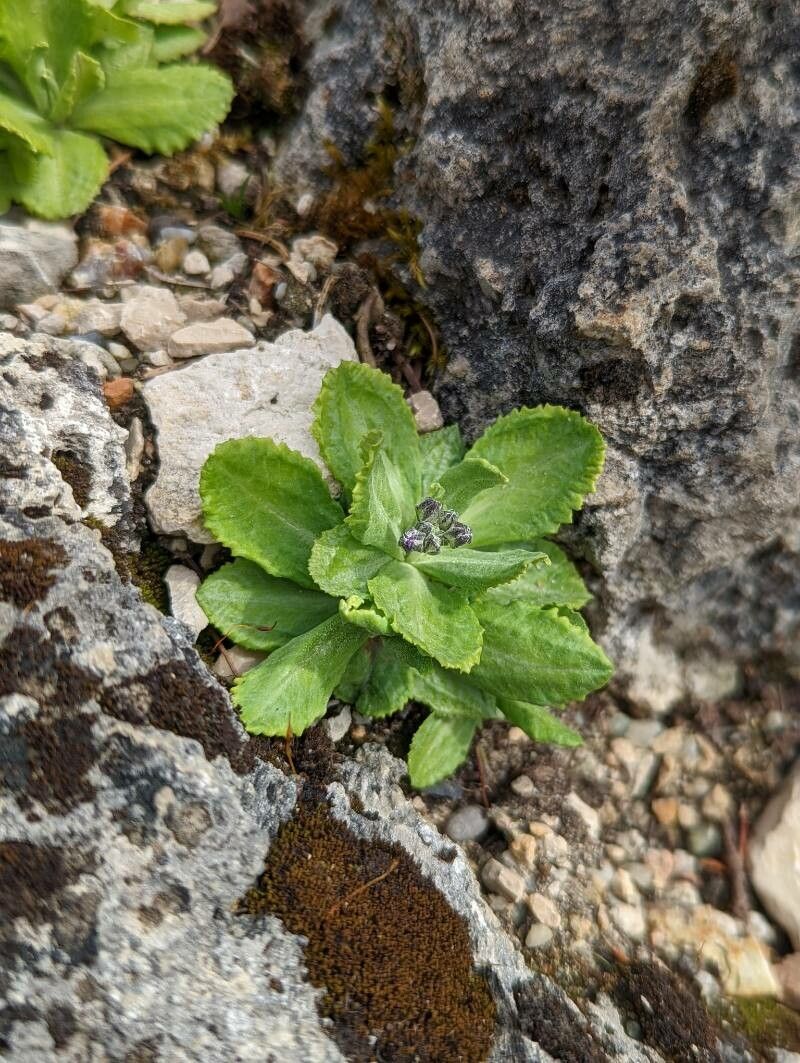
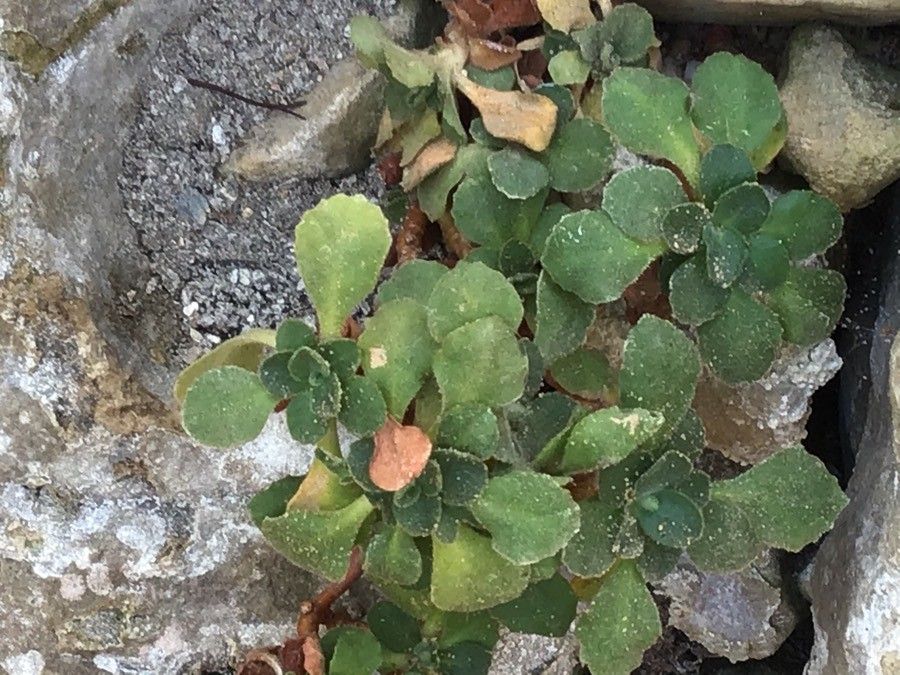
Primula rosea, the rosy primrose, is a flowering plant species in the genus Primula, native to the Himalayas. Growing to 50 cm (20 in) tall, it is a hardy herbaceous perennial with red-tinged leaves and clumps of rich pink flowers in spring. In cultivation it prefers damp places such as the edge of a pond or stream, in moisture-retentive neutral or acid soil and full or partial sunlight. It has won the Royal Horticultural Society's Award of Garden Merit.Rosinidin is an anthocyanidin found in P. rosea.
The common primrose has strong resistance to disease and is generally not likely to suffer from illnesses. Still, it can be vulnerable to pests and diseases present in its environment. Such infections are typically not serious. Carewise, the plant needs a moderate level of maintenance. It should be pruned regularly to preserve a neat appearance and healthy growth. Providing fertilizer can also encourage flowering. The common primrose is appropriate for anyone with outdoor space, like a garden or patio, and does not require extensive care experience. It may demand more attention if cultivated indoors.
How to keep Primula Rosea.
Light
The common primrose requires a moderate amount of light, which is vital for healthy growth. Native to habitats with partially shaded sunlight, it can adapt to places with limited sun exposure. Both too much and too little light can impede its development and well-being.
Temperature
Common primrose originates from temperate areas and is adapted to temperatures of 41 to 95°F (5 to 35°C). It prefers cooler conditions but can acclimate when required. In hotter periods, providing shade and plenty of water helps maintain its temperature.
Fertilizer
The best time to fertilize a Common primrose is in early spring, as it comes out of dormancy and begins active growth. Fertilizing supplies essential nutrients needed for healthy development. Although the Common primrose has relatively low fertilizer requirements, feeding it annually can improve its survival and encourage better, longer-lasting flowers.
Botanical profile.
- Plant Type
- Herb
- Life Cycle
- Perennial
- Genus
- Primula
- Family
- Primulaceae
- Hardiness Zone
- 4-9
- Mature Height
- 15 cm to 30 cm
- Mature Spread
- 1.22 m to 2.44 m
- Leaf Color
- Green, Bronze
- Leaf Type
- Evergreen
- Flower Color
- Yellow, White
- Flower Size
- 2.03 cm to 4.06 cm
- Bloom Time
- Spring
- Planting Time
- Spring
- Harvest Time
- Late spring, Early summer, Mid summer
Other names.