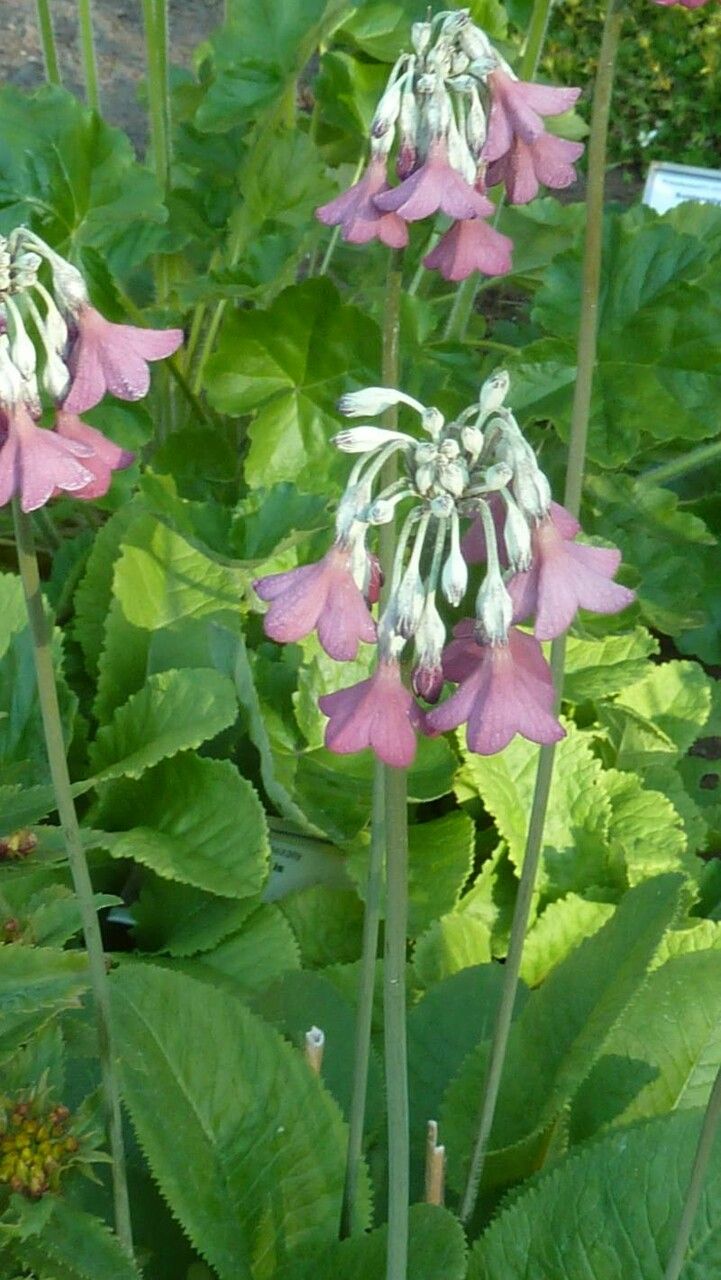
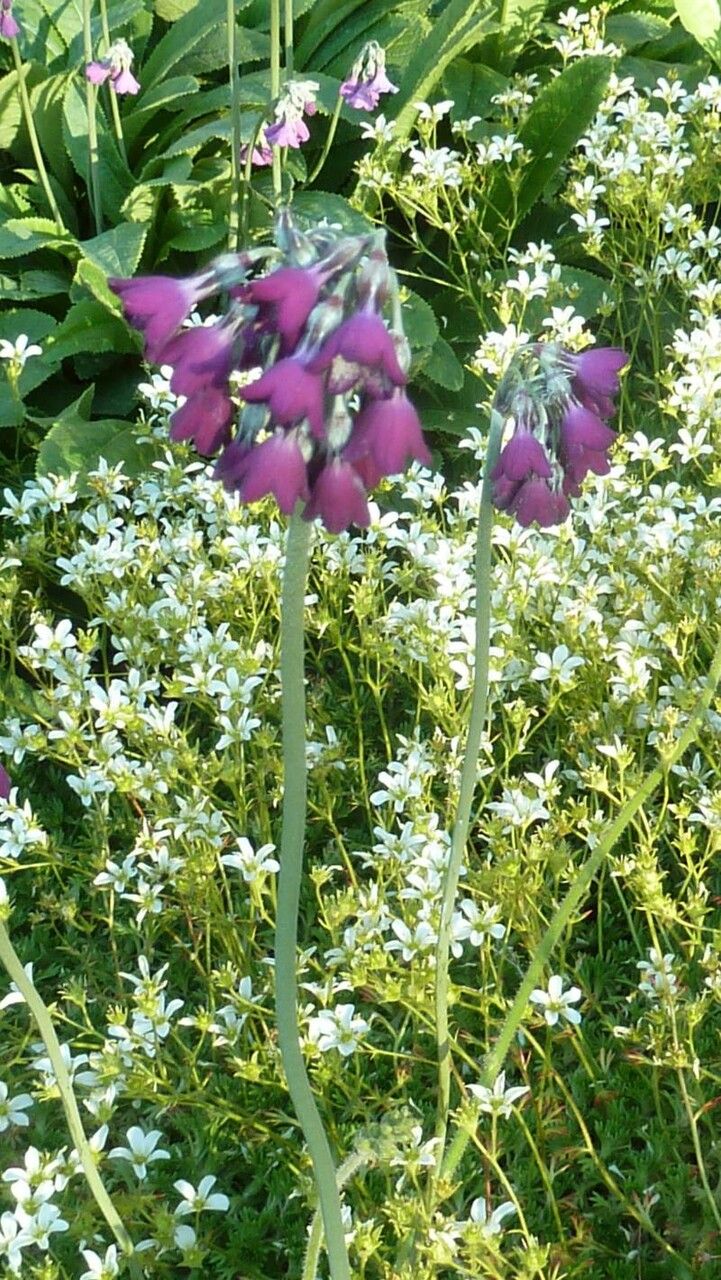
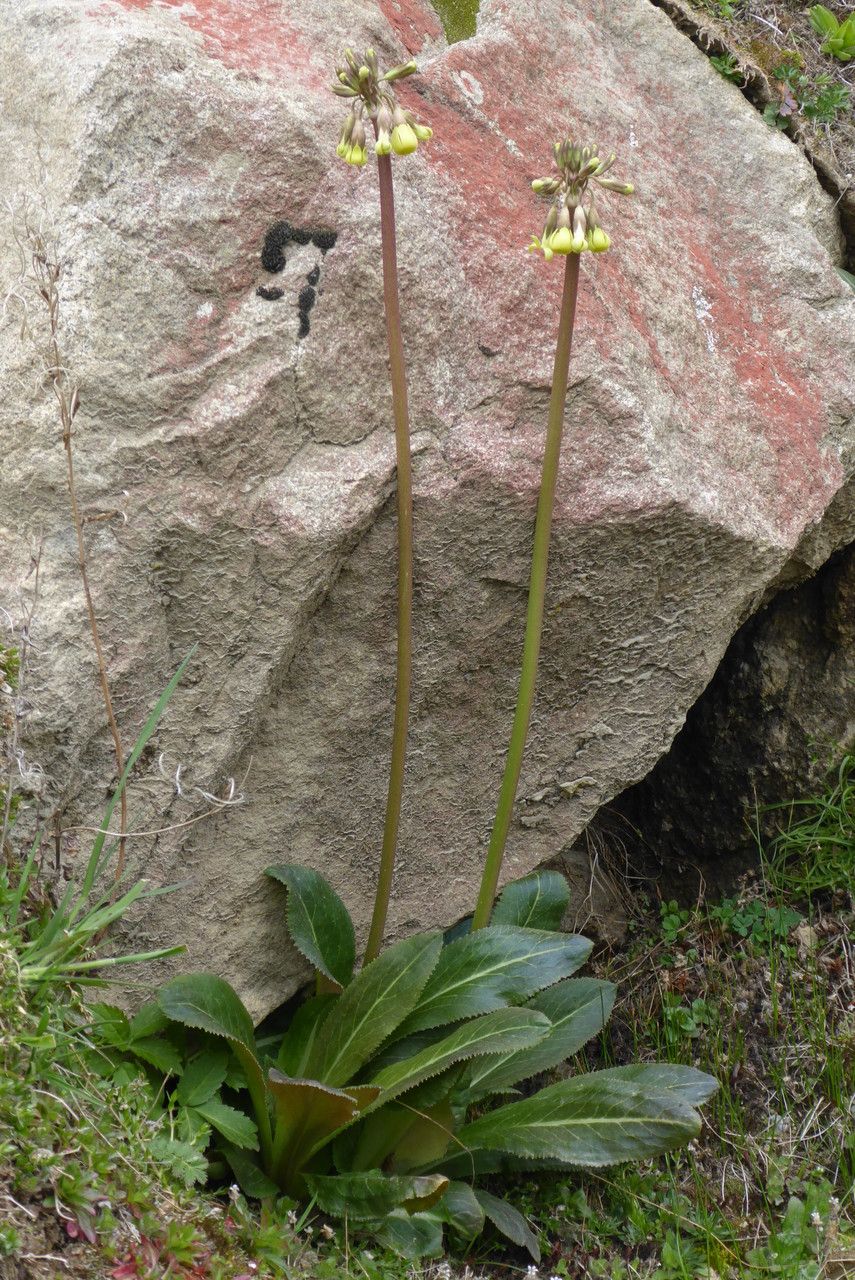
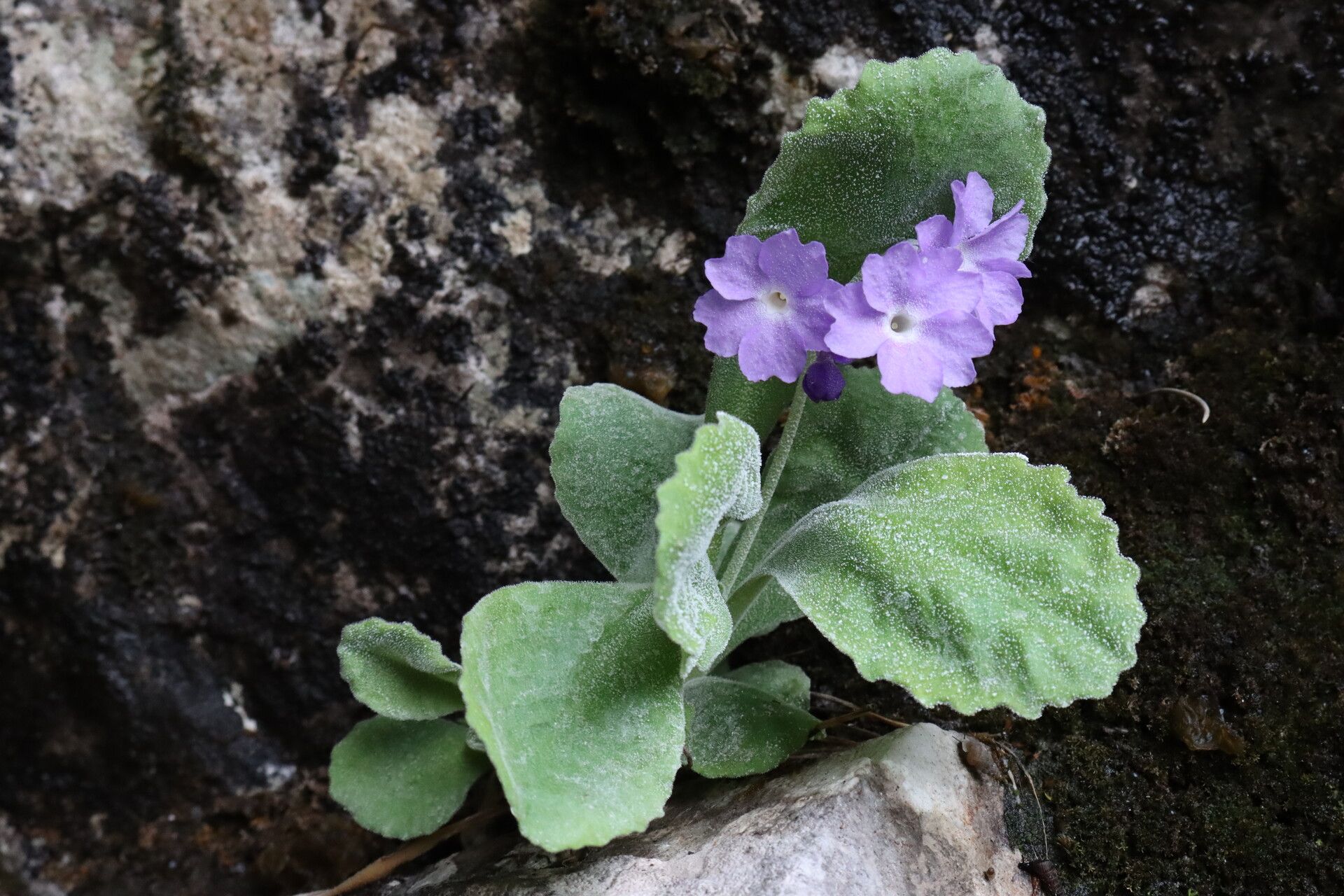
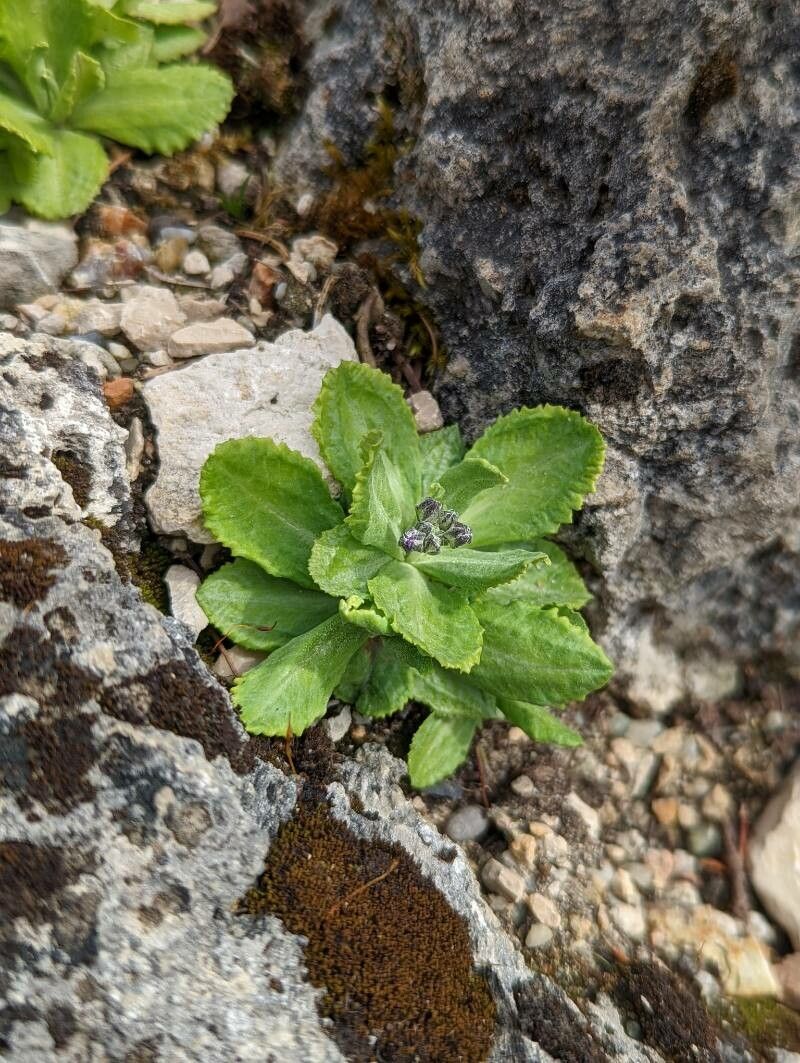
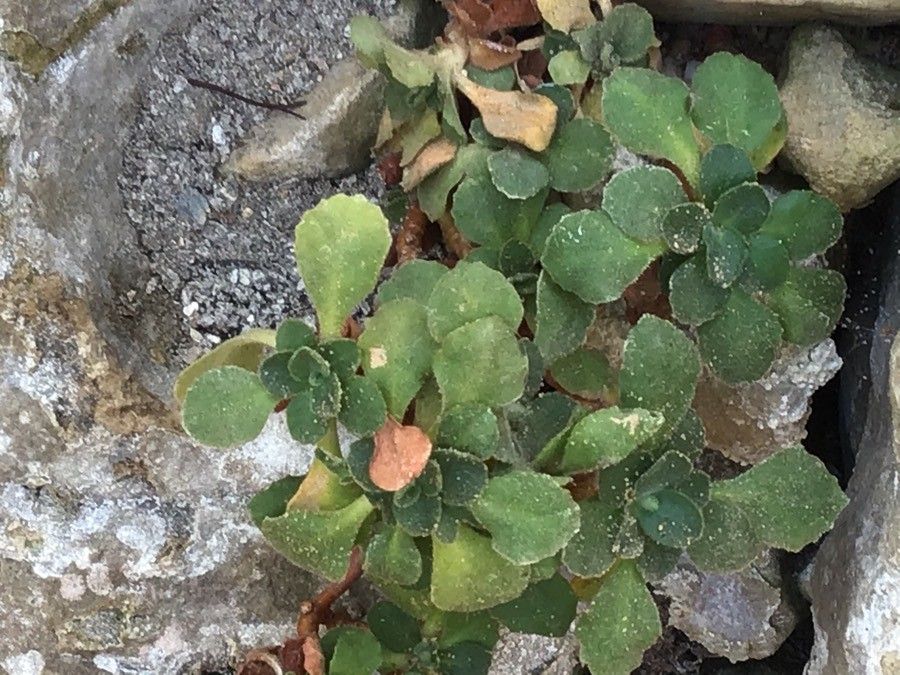
Primula secundiflora (偏花报春 pian hua bao chun), the second-flowered primrose, is a species of flowering plant in the family Primulaceae, native to western China (E Qinghai, W Sichuan, E Xizang, NW Yunnan)., where it inhabits wet places at 3,200–4,800 m (10,500–15,700 ft). It belongs to the Candelabra group of primulas (sect. Proliferae). Growing to 80 cm (31 in) tall, it is a semi-evergreen perennial bearing clusters of nodding deep red flowers at the top of erect stems.This plant is sometimes cultivated. It prefers neutral or acid soil, and is especially suitable for moist places such as the banks of streams or ponds, in partial shade.
Secund-flowered primrose has good disease resistance and is generally not prone to illnesses. Nevertheless, it can be vulnerable to pests and diseases that exist nearby. Such infections are typically mild. Regarding care, this plant requires moderate maintenance. It should be pruned regularly to preserve a tidy appearance and support healthy growth. Applying fertilizer can also help encourage flowering. Secund-flowered primrose is appropriate for anyone with outdoor space, like a garden or patio, and does not need extensive care experience. It may demand more attention if grown indoors.
How to keep Primula Secundiflora.
Light
Secund-flowered primrose is native to habitats like forest understories or rocky areas, where it grows in natural shade. It prefers partial sun but can adapt to full sun or full shade, demonstrating its versatile and hardy nature.
Water
The secund-flowered primrose flourishes in moist environments, needing soil that is consistently and evenly hydrated. To mimic its natural habitat, water the plant weekly. Indoors, higher humidity levels can enhance its ornamental appeal and promote vibrant flowering during the growing season.
Fertilizer
For Secund-flowered primrose, the primary time to fertilize is in early spring when the flowers are developing. The appropriate fertilizer promotes better blooms and helps Secund-flowered primrose produce attractive flowers. Fertilizing in early spring ensures quality flowers through the season and provides energy for dormant growth phases.
Pruning
To enhance the growth and blooming of the secund-flowered primrose, prune it from early to late spring. Concentrate on removing dead stems and spent flower spikes to improve air circulation and decrease the risk of disease. Regular maintenance helps to maintain its shape, vigor, and ornamental appeal.
Pot & Repot
Repot the second-flowered primrose every 2 to 3 years during the spring. Use a slightly larger pot to accommodate moderate growth. After repotting, keep the soil evenly moist and provide bright, indirect light to help the plant recover. Handle the roots gently to prevent damage.
Botanical profile.
- Plant Type
- Herb
- Life Cycle
- Perennial
- Genus
- Primula
- Family
- Primulaceae
- Hardiness Zone
- 4-8
- Mature Height
- 46 cm
- Mature Spread
- 30 cm
- Leaf Color
- Green
- Leaf Type
- Semi-evergreen
- Flower Color
- Purple
- Flower Size
- 2.54 cm to 5.08 cm
- Bloom Time
- Late spring, Early summer
- Planting Time
- Spring
- Harvest Time
- Mid summer, Late summer
- Native Area
- China
Other names.
Reader questions.
What are the sunlight requirements for Secund-flowered primrose?
The Secund-flowered primrose, also known by its botanical name Primula secundiflora, has specific sunlight requirements to ensure its growth and flourishing. It requires partial sun, meaning it should receive about 3-6 hours of sunlight daily. Additionally, it can tolerate full shade conditions, where it gets less than 3 hours of sunlight. When cultivating this plant, it's essential to observe how sunlight moves through your garden throughout the day. This observation will help to identify spots that offer an ideal balance of light and shade, contributing to the plant's happiness and healthy development.