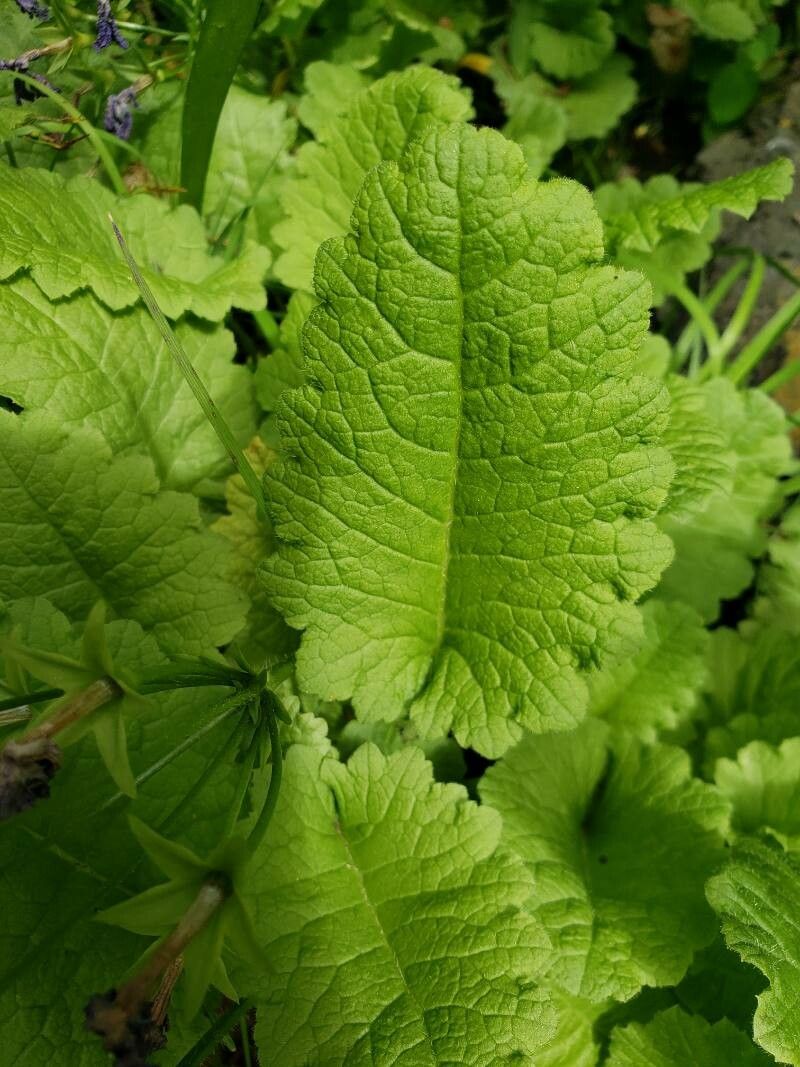
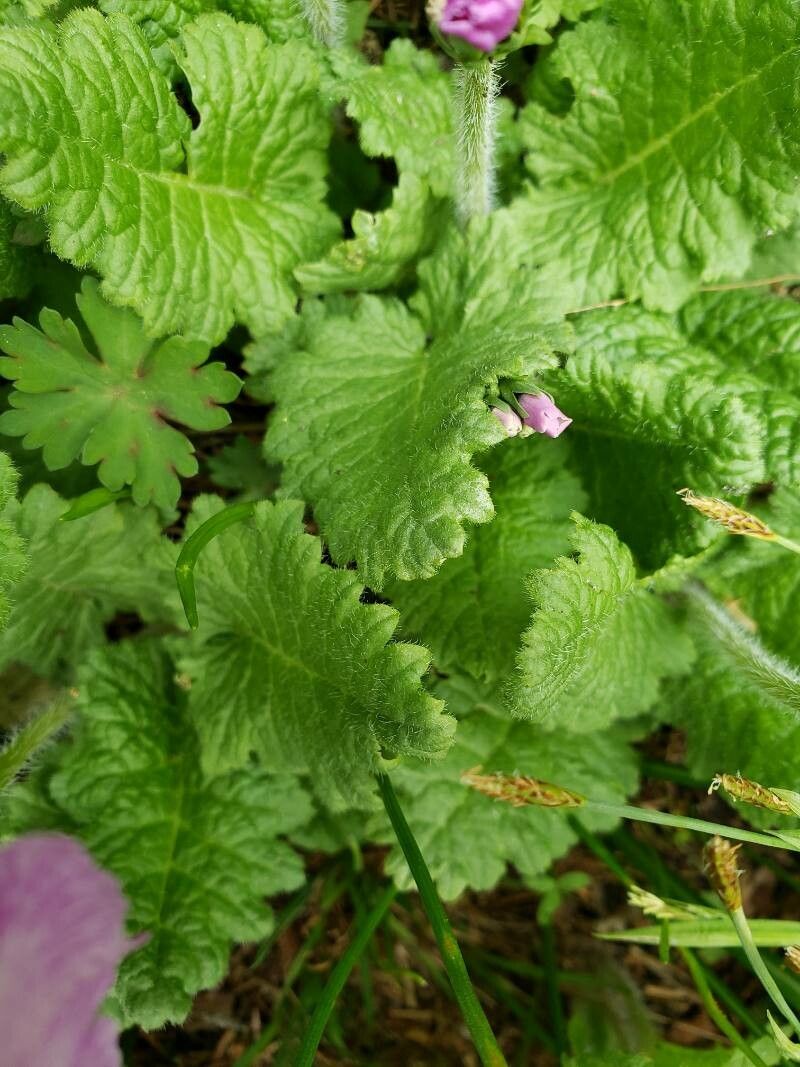
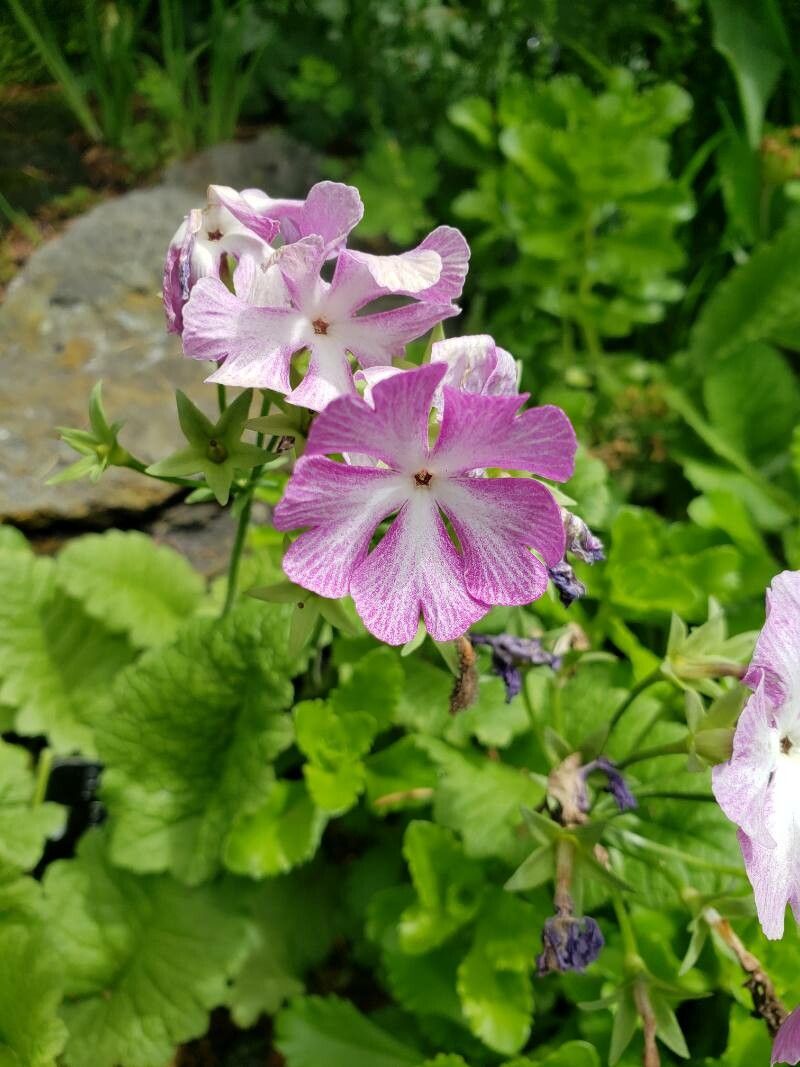
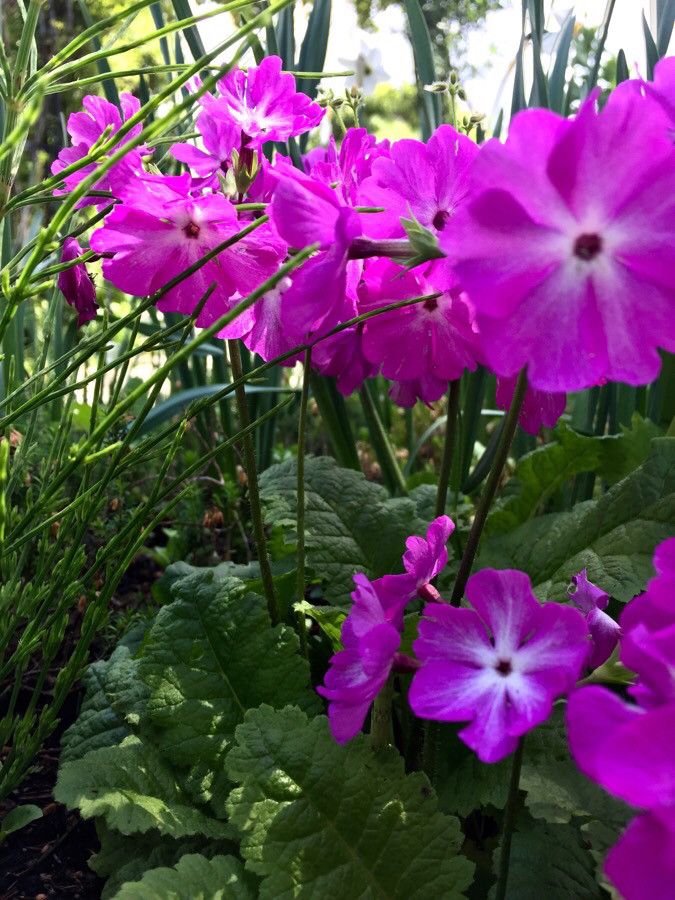
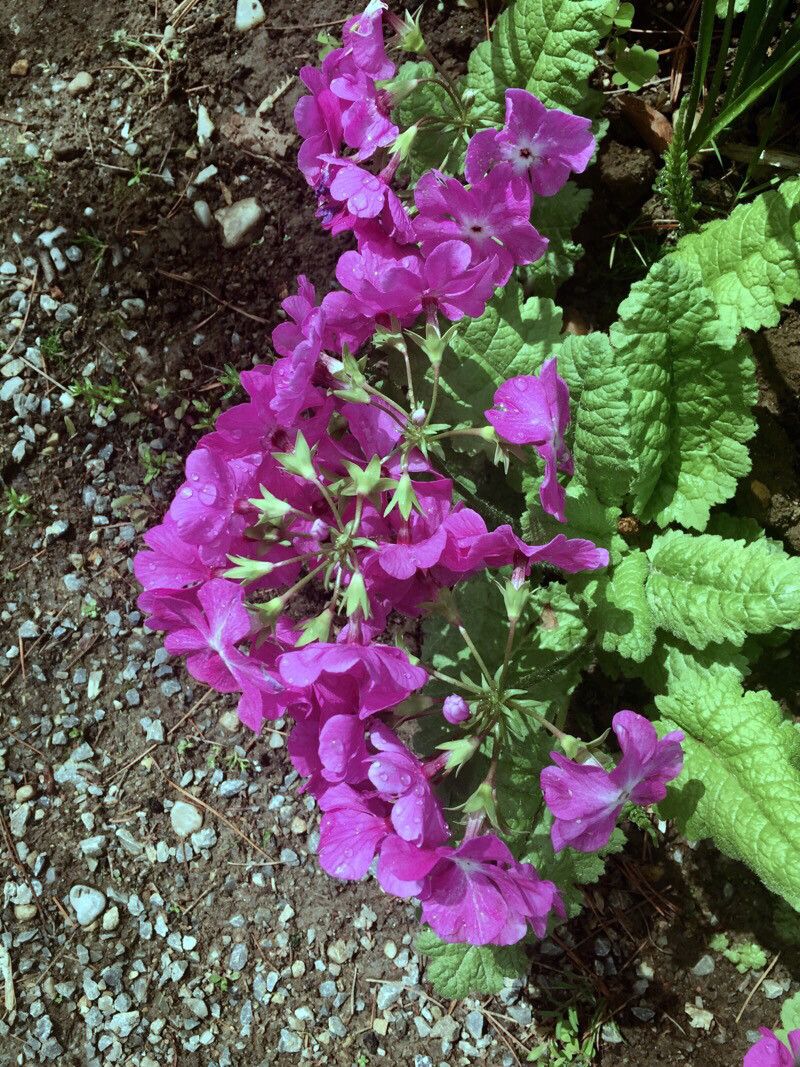
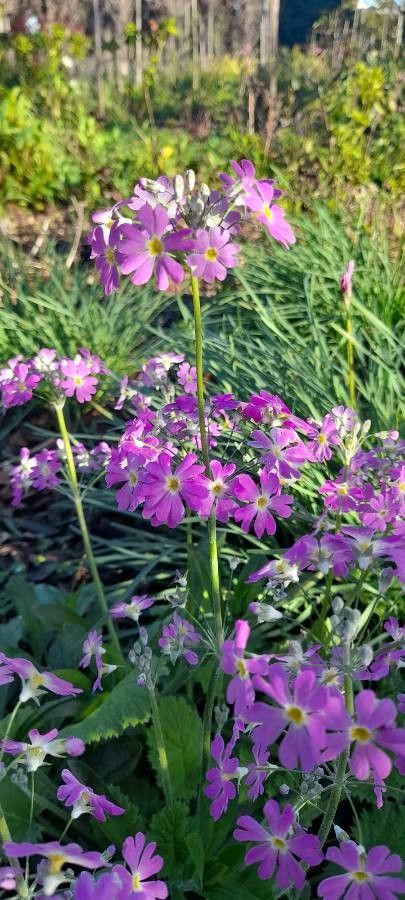
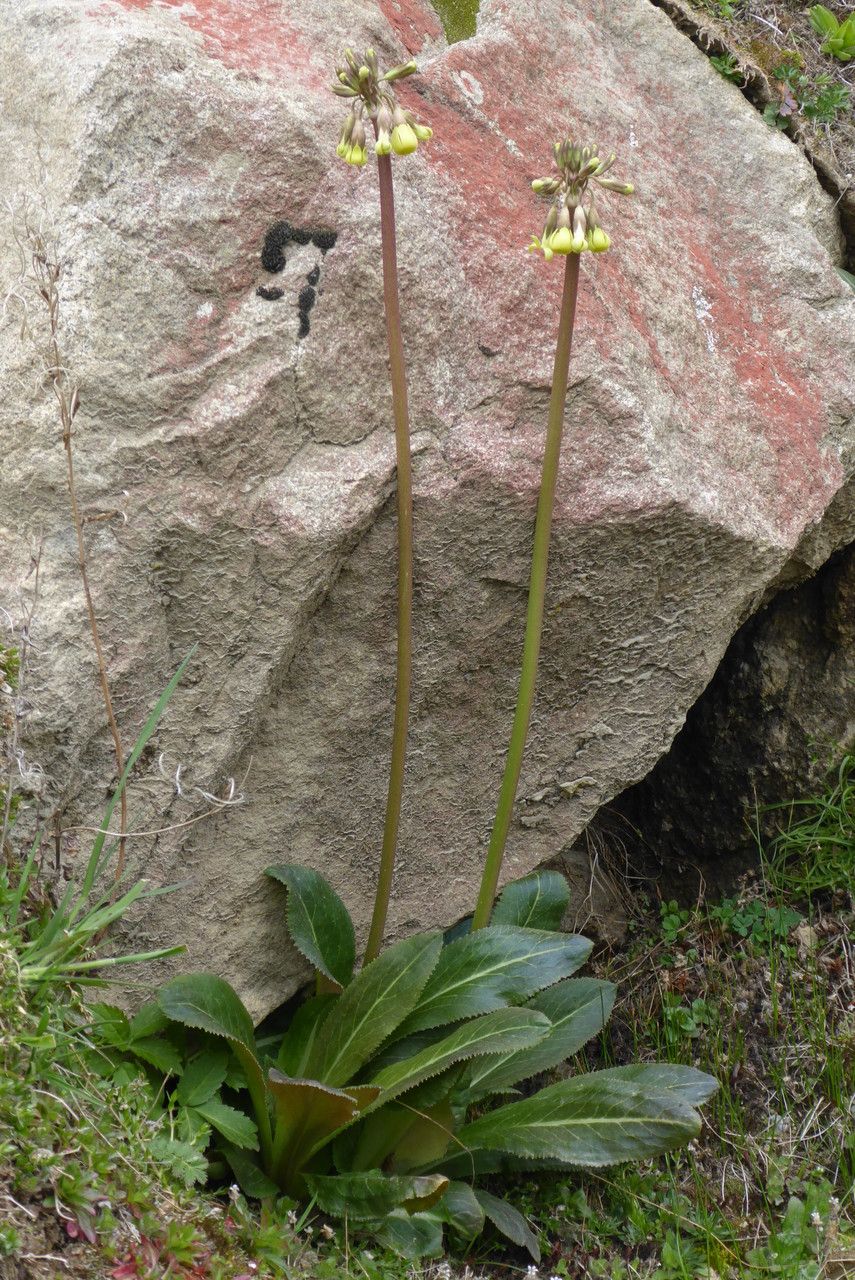
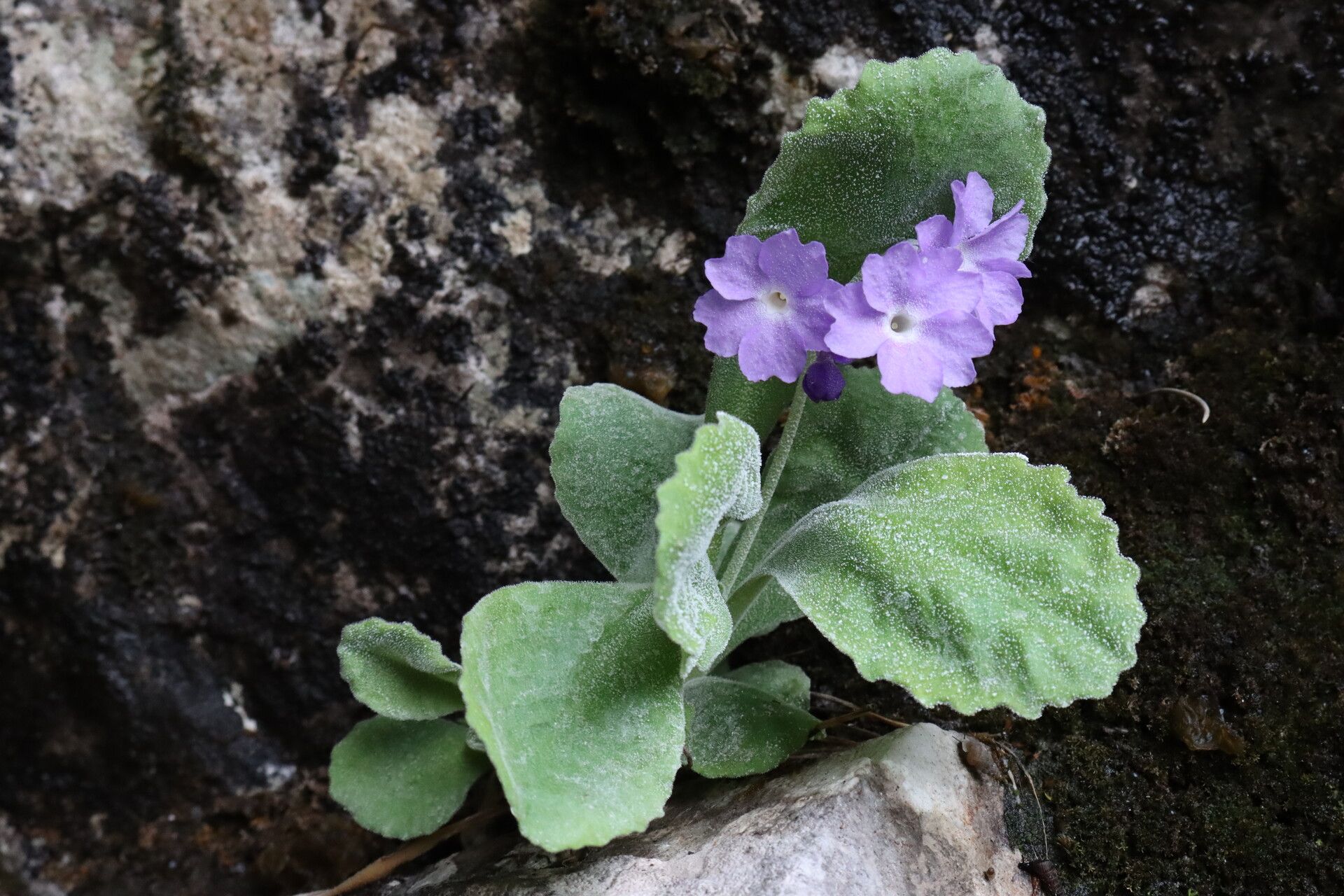
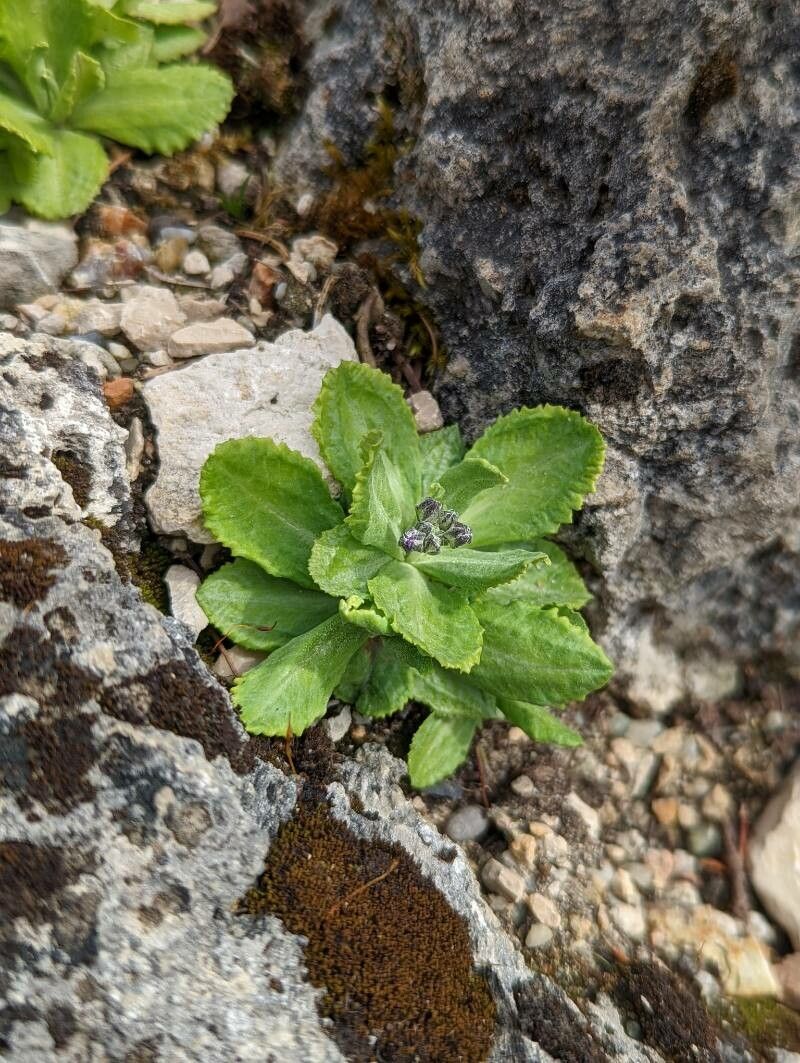
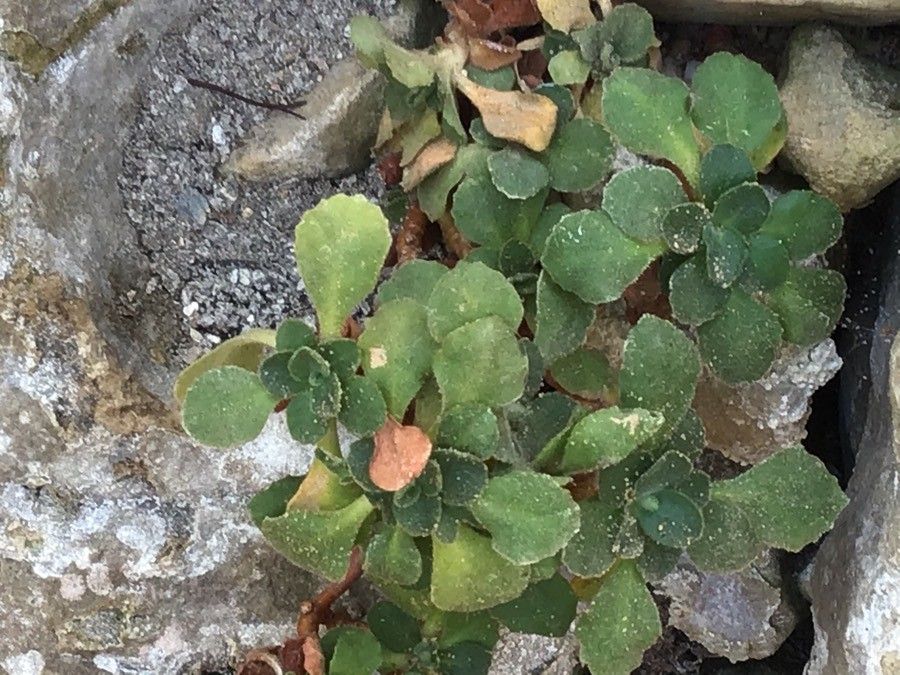
Primula sieboldii, the Japanese primrose, is a species of primrose that is endemic to East Asia. The species goes by common names such as Siebold's primrose, cherry blossom primrose, Japanese woodland primrose Snowflake, Geisha girl, Madam butterfly and the Japanese primrose which also applies to the related species Primula japonica. It is a recipient of the Royal Horticultural Society's Award of Garden Merit.
The Japanese primrose is fairly disease-resistant and generally not prone to illnesses. Nevertheless, it can be affected by pests and diseases present in its environment. Such infections are usually mild. In terms of care, this plant needs moderate maintenance. It should be pruned regularly to keep a tidy appearance and support healthy growth. Fertilizing can also help encourage flowering. The Japanese primrose is suitable for anyone with outdoor space, like a garden or patio, and does not require extensive plant-care experience. It may need more attention when grown indoors.
How to keep Primula Sieboldii.
Light
Japanese primrose prefers spots with moderate sunlight yet can tolerate areas in full sun. Coming from woodland habitats, it grows well in the dappled shade beneath taller plants. Constant, excessive sun can, however, cause leaf burn. Balance is important.
Water
The Japanese primrose flourishes in moist conditions, preferring a consistently damp environment without becoming waterlogged. To maintain the right balance of moisture, it needs to be watered weekly. During its active growing season, the plant benefits from slightly moist soil, which supports optimal growth and vibrant blooms.
Temperature
The Japanese primrose is native to temperate regions and prefers temperatures of 41 to 95 °F (5 to 35 °C). To mimic the variable climate of its natural habitat, seasonal temperature adjustments may be necessary.
Fertilizer
For Japanese primrose, the primary time to apply fertilizer is in early spring while the flowers are developing. The proper fertilizer promotes better blooms and helps the Japanese primrose produce attractive flowers. Fertilizing in early spring ensures good flowers during the season and supplies energy for dormant growth periods.
Pruning
The Japanese primrose, known for its stunning flowers and delicate leaves, thrives in moist, well-drained soil. To encourage new growth and enhance flowering, it's best to prune the plant from early to late spring. Regular pruning also improves air circulation and reduces the risk of disease. For optimal plant health, always use clean, sharp tools when pruning.
Pot & Repot
Repot Japanese primrose every 2-3 years during the spring to encourage healthy growth. Use a slightly larger container to accommodate its fibrous roots. After repotting, provide soil that is moist yet well-drained, and keep the plant out of direct sunlight to reduce stress. Consistent care will promote vibrant growth.
Botanical profile.
- Plant Type
- Herb
- Life Cycle
- Perennial
- Genus
- Primula
- Family
- Primulaceae
- Hardiness Zone
- 4-9
- Mature Height
- 30 cm to 46 cm
- Mature Spread
- 30 cm to 46 cm
- Leaf Color
- Green
- Leaf Type
- Deciduous
- Flower Color
- Pink, Lavender, White
- Flower Size
- 2.54 cm to 4.06 cm
- Bloom Time
- Early spring, Mid spring
- Planting Time
- Spring, Winter, Summer, Autumn
- Harvest Time
- Late spring, Early summer
- Native Area
- Russia, Japan, Koppen, South Korea, China
Other names.
Reader questions.
What are the sunlight requirements for Japanese primrose (Primula sieboldii)?
Japanese primrose thrives in areas with a medium degree of sunlight but can also withstand fully exposed sun areas. Originating from natural woodland settings, it flourishes under the sun-dappled shade of taller foliage. Continuous exposure to too much sun might lead to leaf scorching. The ideal environment mimics its natural habitat, offering a balance of light and shade. Indoor plants may require artificial lighting to ensure optimal growth, especially in less sunny spaces or during winter. LED lights are recommended for their ability to provide specific wavelengths suited for plant growth. Depending on the plant's sunlight needs, the wattage per square foot for artificial light varies: 30-50W for full sun plants, 20-30W for partial sun plants, and 10-20W for full shade plants.
What are the ideal growing conditions for Japanese primrose?
Japanese primrose, or Primula sieboldii, is best grown in temperate climates, preferring temperatures between 41 to 95°F (5 to 35°C). To thrive, it may require seasonal temperature adjustments to mimic its natural, varying climate. It has a strong resistance to cold, generally not needing special frost protection measures, except in extremely cold conditions where temperatures are expected to drop below -30°C. In such cases, cold protection can be provided by covering the plant with soil or straw and watering it abundantly before the first freeze in autumn to ensure the soil remains moist, helping the plant prevent drought and water scarcity during winter and early spring.
What are the symptoms of insufficient sunlight for Japanese primrose?
When Japanese primrose is grown indoors or under insufficient light, it may exhibit symptoms such as smaller new leaves, leggy or sparse growth, faster leaf drop, slower or no new growth, and lighter-colored new leaves. These symptoms indicate the plant's struggle with poor light conditions. Conversely, too much sunlight can cause chlorosis (leaves turning yellow), sunscald, leaf curling, wilting, and leaf scorching. These issues highlight the importance of providing Japanese primrose with the correct amount of sunlight to maintain health and vigor.
How does Japanese primrose react to low temperatures?
Japanese primrose is cold-tolerant, thriving best when temperatures stay above 5°C. During winter, it is advisable to keep temperatures above -25°C. If temperatures fall below -30°C, while there might not be noticeable changes during winter, it could lead to decreased sprouting or even no sprouting in spring. In spring, any parts of the plant that have failed to sprout should be removed to encourage new growth and maintain plant health.
How can I adjust the light conditions for my Japanese primrose?
To optimize growth for indoor Japanese primrose, gradually expose them to sunnier spots to achieve 3-6 hours of direct sunlight daily, enabling gradual adaptation. If the plant is large or not easily movable, consider using artificial light, keeping a desk or ceiling lamp on for at least 8 hours a day or investing in professional grow lights. For outdoor plants, gradually moving them to sunnier spots each week helps them adapt without the risk of sunburn. Reducing obstructions like pruning trees or transplanting to areas with ample sunlight and good drainage also benefits plant health. Note that parts of the plant affected by insufficient sunlight may not recover fully, but new growth will be healthy with proper light exposure.
How should I care for Japanese primrose in high temperatures?
In summer, it's important to ensure that temperatures remain below 35°C for Japanese primrose. Exposure to temperatures above 38°C can result in the leaves becoming lighter, prone to curling, susceptible to sunburn, and in severe cases may lead to the entire plant wilting and dying. To protect the plant, trim away any sunburned or dried-up parts, move the plant to a shaded location or use a shade cloth to protect it from midday and afternoon sun, and water the plant both in the morning and evening to keep the soil moist.