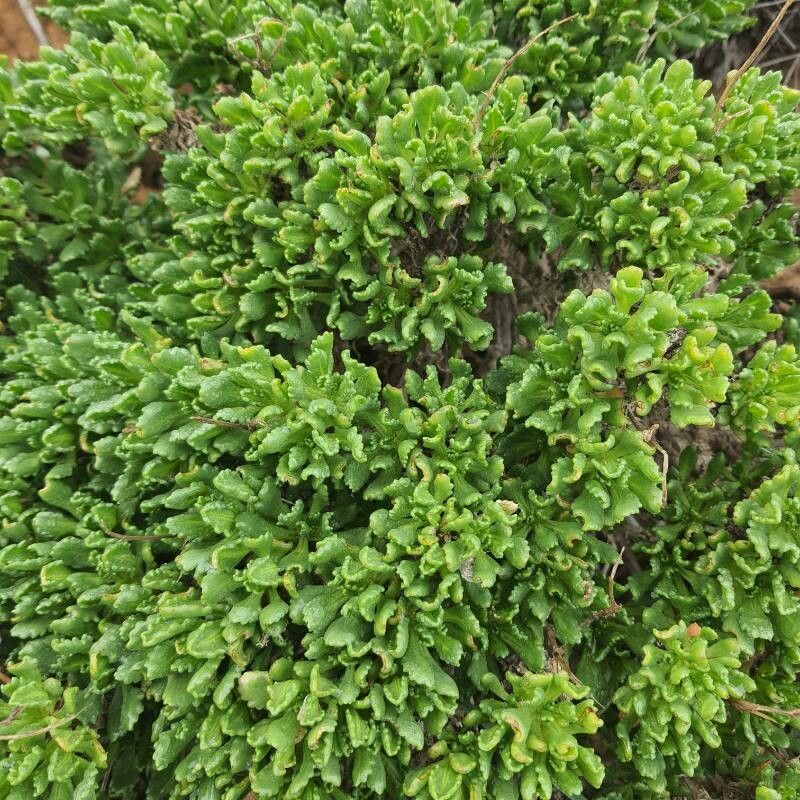
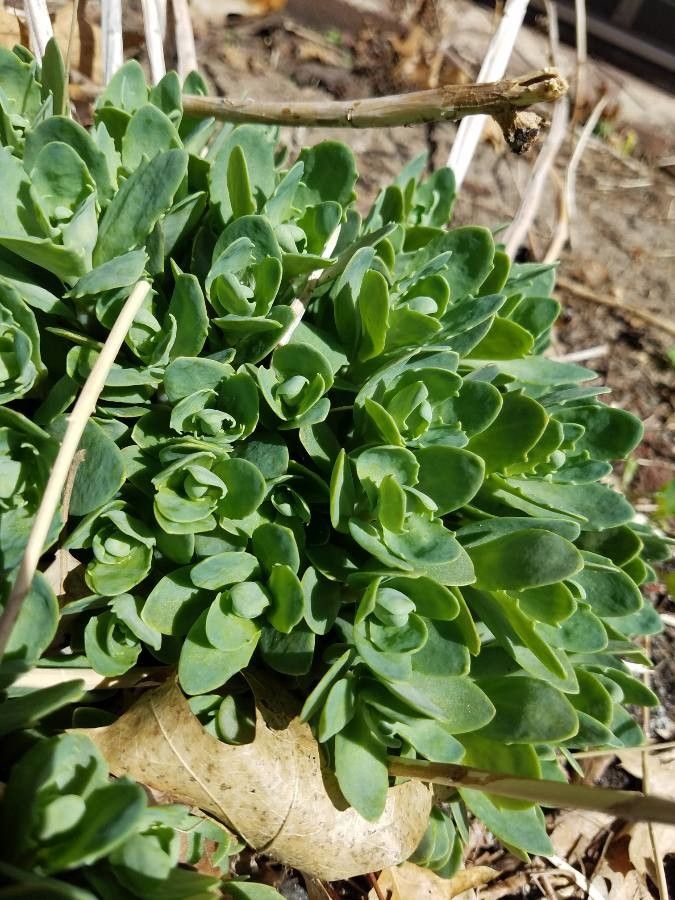
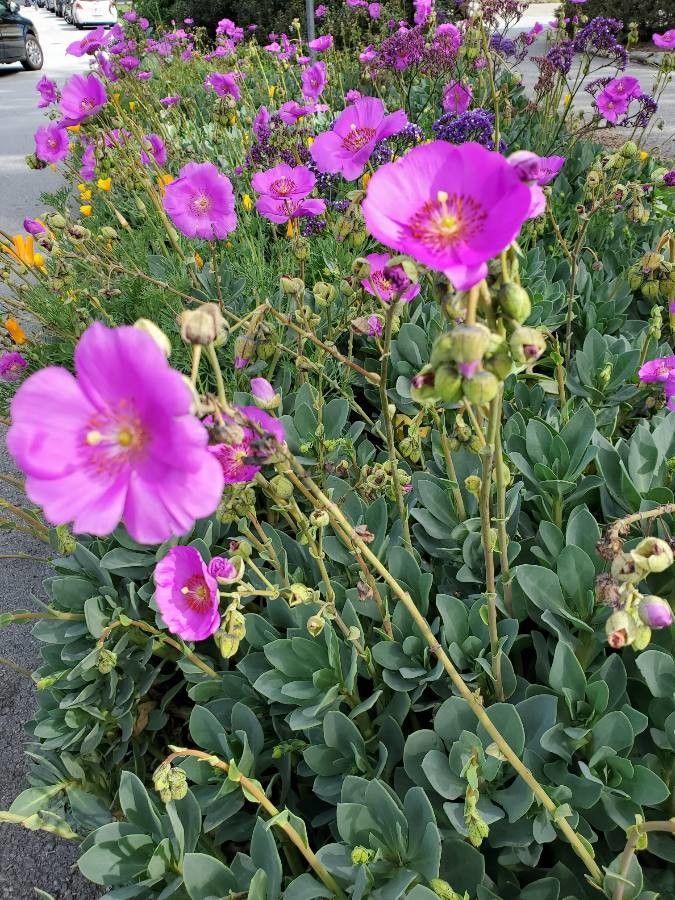
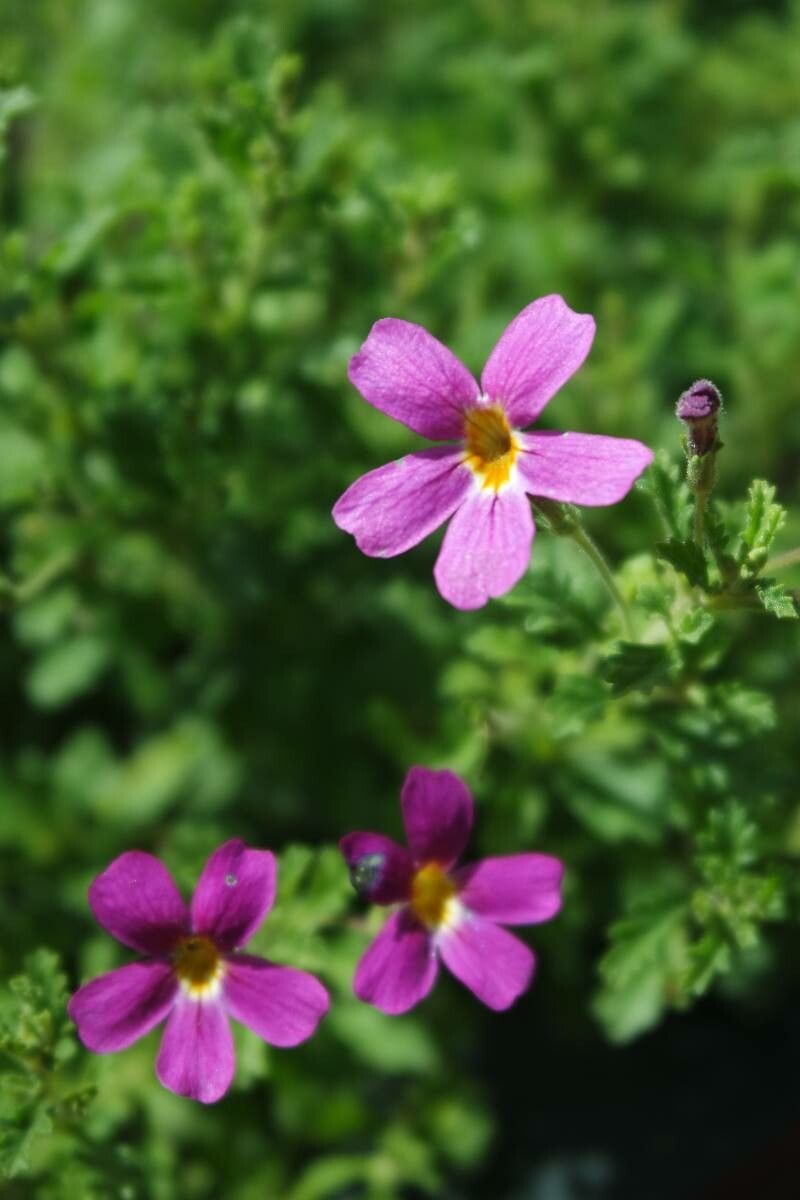
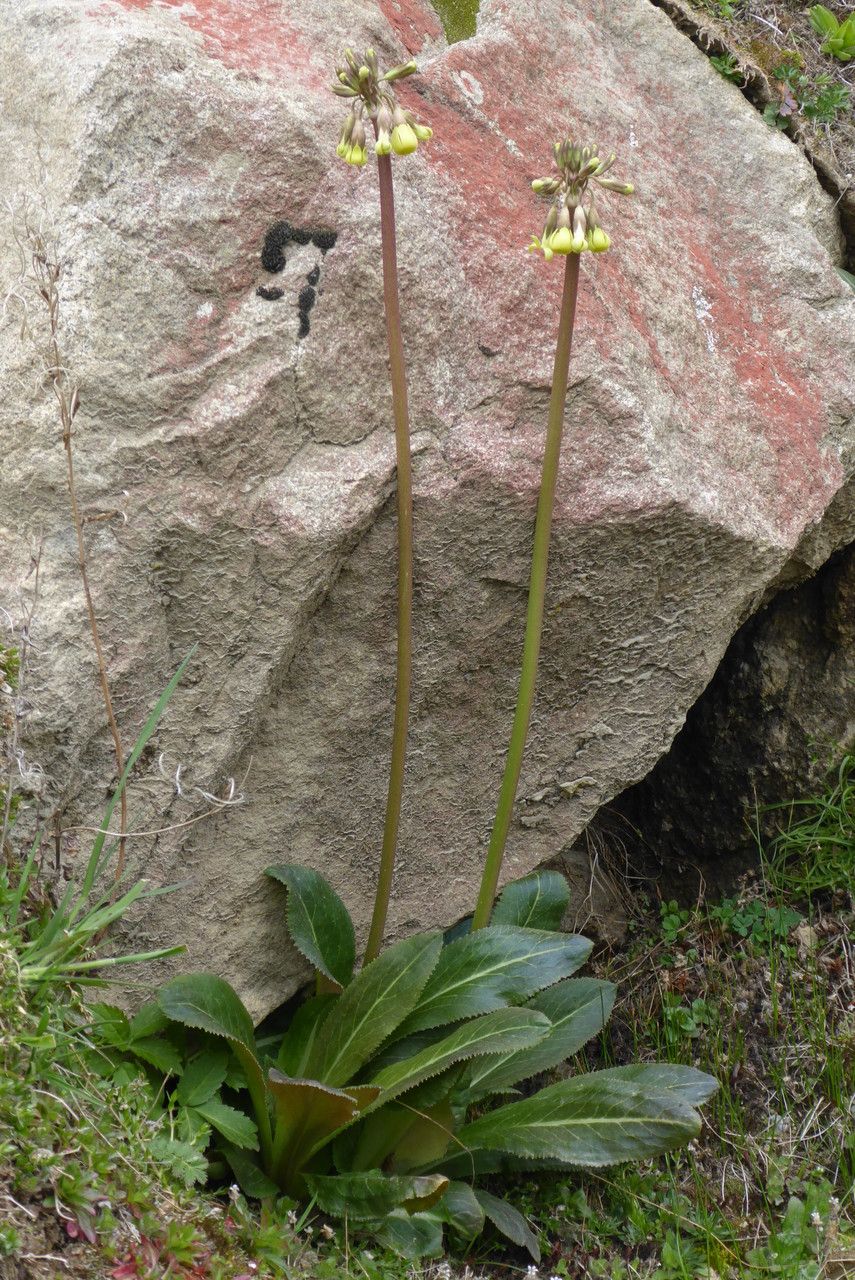
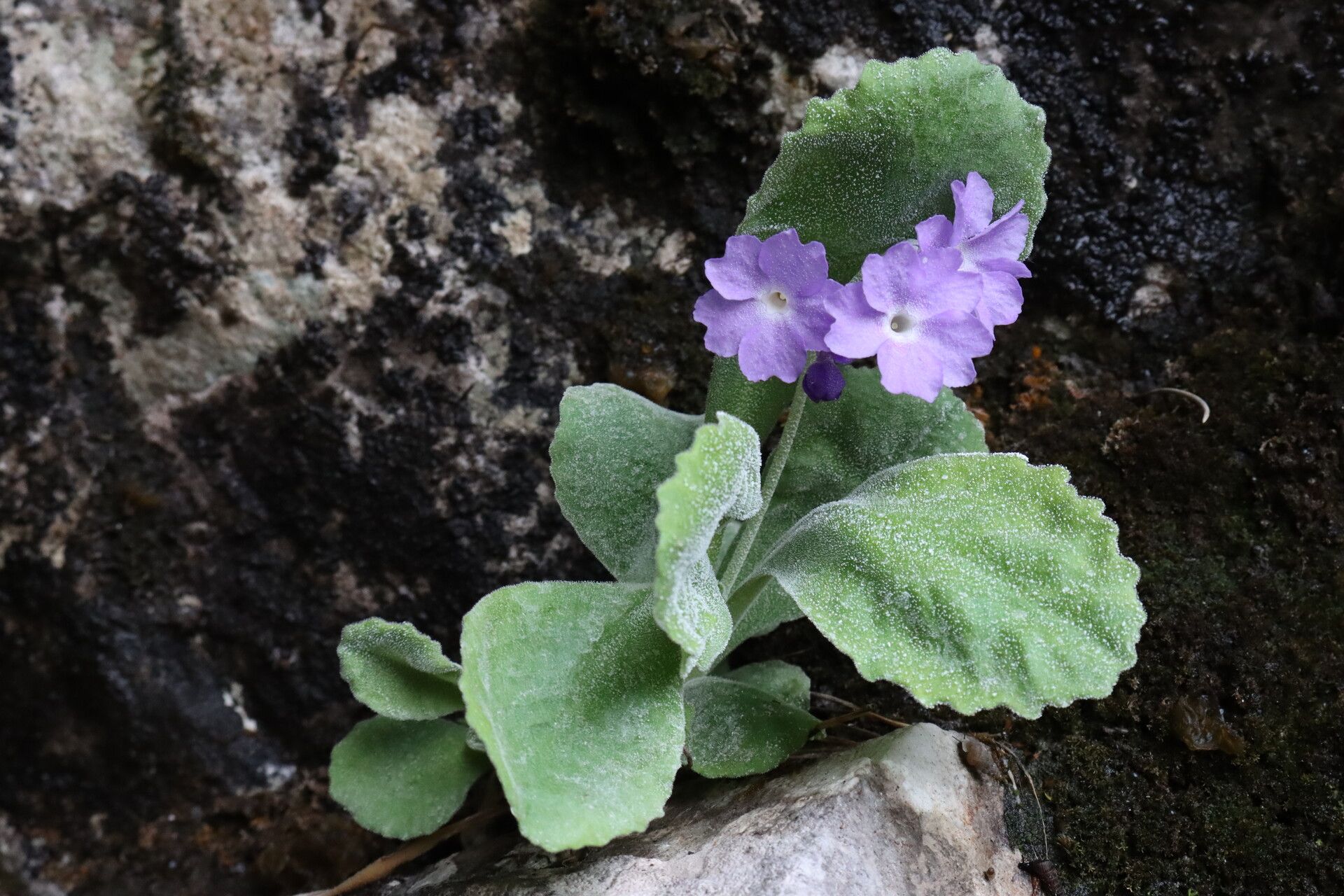
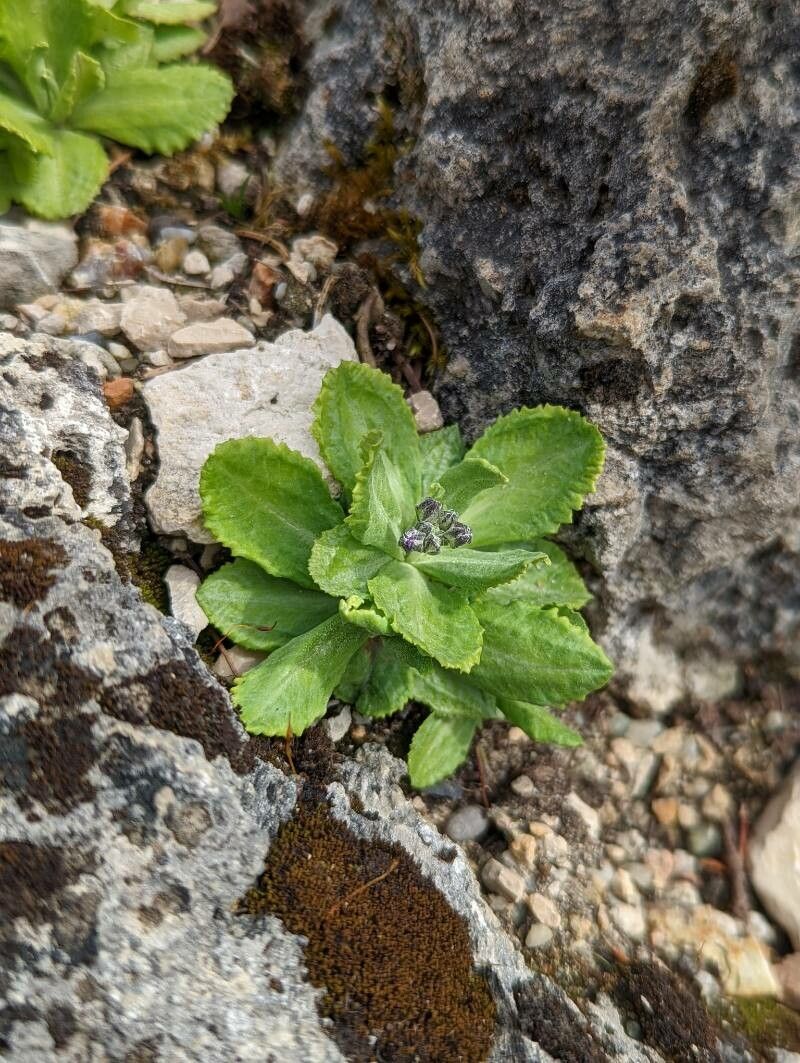
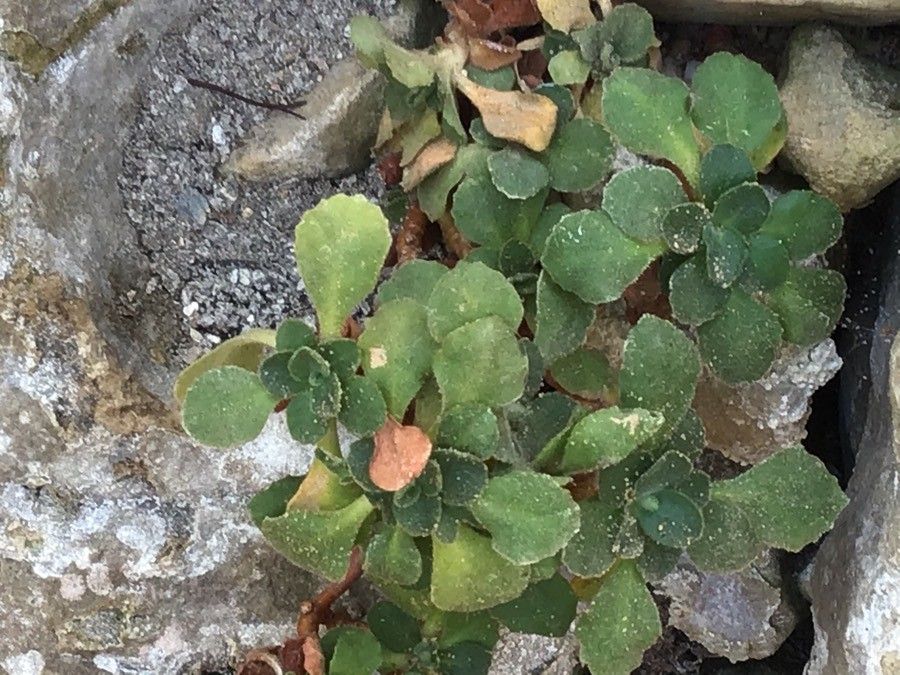
Primula suffrutescens, commonly known as the Sierra primrose or alpine primrose, is a perennial flowering plant belonging to the Primulaceae family. It is native to the high-altitude regions of western North America, including California and Oregon.
Typically, this plant grows up to 30 cm in height and exhibits a compact habit with rosettes of basal leaves. These dark green leaves have a leathery texture. The flowers, which are borne on long stalks rising above the foliage, feature five petals that can range in color from white to pink or lavender.
Primula suffrutescens prefers moist, well-drained soil and partial shade. It is commonly found on rocky slopes, in meadows, or along streams at elevations between 1,500 and 3,000 meters above sea level.
For centuries, Native American tribes have used the Sierra primrose for its medicinal properties, as it contains compounds with anti-inflammatory effects. Additionally, it is popular as an ornamental plant due to its attractive flowers, which bloom from late spring through early summer.
Overall, Primula suffrutescens is an appealing perennial that thrives in high-altitude regions of western North America. It can be cultivated both for its ornamental beauty and its medicinal properties.
Sierra primrose is fairly resistant to disease and is typically not susceptible to illnesses. Regarding care, the plant is relatively low-maintenance. When grown outdoors it needs little watering, and larger plants usually do not require pruning. Smaller plants, however, should be pruned after they finish blooming. Sierra primrose is appropriate for anyone with an outdoor area, such as a garden or deck, and does not demand extensive care experience.
How to keep Primula Suffrutescens.
Light
Sierra primrose is indigenous to habitats like forest understories and rocky sites, where it occurs in natural shade. It favors partial sun but can tolerate both full sun and full shade, showing its versatile, hardy character.
Water
The Sierra primrose is well-suited to its mountainous environment, displaying a strong tolerance for drought and requiring only a small amount of moisture. It should be watered every 2-3 weeks. As an outdoor plant, the Sierra primrose efficiently uses water during its active growing season, adapting to seasonal changes in water availability.
Fertilizer
Timing is important when fertilizing Sierra primrose. Apply fertilizer in early spring and continue monthly until early summer. Fertilizer helps produce lovely blooms and supplies energy during both dormant periods and active growth.
Pruning
The Sierra primrose is an evergreen perennial that produces beautiful pink flowers. It benefits from pruning in early spring. Begin by removing any damaged foliage and spent flower stalks to encourage new growth and prevent disease. Light trimming helps maintain a compact shape and improves air circulation, but it's important to avoid heavy cutting. By doing so, you can reduce stress on the plant and enhance its overall vitality.
Botanical profile.
- Plant Type
- Shrub
- Life Cycle
- Perennial
- Genus
- Primula
- Family
- Primulaceae
- Hardiness Zone
- 6-8
- Mature Height
- 15 cm
- Mature Spread
- 10 cm to 15 cm
- Leaf Color
- Dark Green
- Leaf Type
- Semi-evergreen
- Flower Color
- Pink
- Flower Size
- 1.27 cm to 2.54 cm
- Bloom Time
- Mid spring, Late spring
- Planting Time
- Spring
- Harvest Time
- Early summer, Mid summer
Other names.
Reader questions.
How should I water my Sierra primrose?
To ensure optimal root development for your plants, it is recommended to place a garden hose at the base of the plant. However, avoid spraying the leaves directly. If your plants are outdoors in direct sunlight, the leaves will need more watering. You can use bubblers or soaker hoses to moisten the roots. Soaker hoses are particularly useful when adding or removing plants, as they can cover the entire garden or bed and help the roots penetrate deeper into the soil. Remember to drain any excess water and allow the soil to dry before watering again. It is also important to water at the ground level to prevent diseases. On a sunny day, it may be beneficial to spray the entire bush with water. Whether your plants are potted or in-ground, keep in mind that Sierra primrose prefers deep watering rather than light sprinkling.
What are the sunlight requirements for Sierra Primrose?
Sierra Primrose flourishes in partial sun, which means about 3-6 hours of sunlight daily. It's native to environments like forest understories or rocky areas, where it experiences natural shade. Despite its preference for partial sun, it can also adapt to full shade. It's important to observe the movement of sunlight through your garden to choose the best spots that provide a good balance of light and shade, ensuring the plant's well-being.
What do I do if I give Sierra primrose too much or too little water?
If a Sierra primrose is overwatered, it may exhibit yellowing, wilting, and dropping leaves. The plant may also appear dull and unhealthy, with mushy stems. In such cases, it is advisable to adjust your watering schedule. However, wilting can also be a sign of under watering, with leaves turning crispy and dry. In such cases, when the soil is dry and regular watering is not enough, giving it a thorough watering may help. This will allow the Sierra primrose to recover, but the plant may still exhibit dryness and yellow leaves due to root damage. Once the plant returns to normal, the yellowing of leaves will cease. When keeping the Sierra primrose indoors, always check the moisture levels in the pot and avoid overwatering. Look for black spots as a sign of overwatering, and if present, let the soil dry out for a few days. Overwatering can lead to root rot, so it is recommended to transfer the plant to a different pot if discolored and slimy roots are observed. Preventing root rot by avoiding overly saturated soil is important. When planting the Sierra primrose outdoors, dig a little deeper and if the soil feels too dry, it may indicate underwatering. Adequate watering is necessary for the plant's recovery.
How can artificial lighting be used for Sierra Primrose?
Artificial lighting is crucial for the growth of indoor plants, particularly when natural sunlight is insufficient. For optimal growth, especially in winter or less sunny spaces, artificial lights such as LED can be used to supplement light, tailored to provide specific wavelengths needed by the plants. The intensity required varies according to plant type: full sun plants need 30-50W/sq ft, partial sun plants need 20-30W/sq ft, and full shade plants require 10-20W/sq ft of artificial light. The light source should be placed 12-36 inches above the plant to mimic natural sunlight, ensuring plants receive 8-12 hours of light per day.
How often should I give water to my Sierra primrose?
The Sierra primrose prefers to be watered deeply and infrequently. If planted in pots, it's important to soak them with a gallon of water each time since pots have limited water storage and the soil tends to dry out faster. In cold regions, watering every 3 to 5 days is necessary. The best time to water is in the morning when the soil is dry, whether you have the plant outdoors or indoors. You can check if watering is needed by examining the soil. If the top 2-3 inches are dry, it's time for a full watering. On hot days, check the moisture in the pot daily as heat can quickly dry out the soil. For gardens, irrigation is also required. In hot climates, watering once a week will suffice. Only water if you notice that about 2 to 3 inches of soil are too dry, whether it's indoors or outdoors. Be mindful of the amount of rainfall and avoid overwatering to prevent root rot. Sierra primroses typically grow in the spring and fall, so adding a 3-4 inch layer of mulch outdoors will help conserve water. Sandy soil drains faster, so plants in such soil will require more frequent watering. On the other hand, plants in clay soil can be watered less frequently, around every 2-3 days, to avoid root rot. You can keep track of watering dates and watch for drooping leaves as a sign that you might be one day late with watering.
What are the symptoms of insufficient light for Sierra Primrose?
When Sierra Primrose does not receive enough light, several symptoms may appear. These include smaller new leaves, leggy or sparse growth, faster leaf drop, slower or no new growth, lighter-colored new leaves, chlorosis (leaves turning yellow), sunscald (damage from intense sunlight), leaf curling, wilting, and leaf scorching. These symptoms indicate light deficiency or excessive light exposure, affecting the plant's health and ability to perform photosynthesis effectively.
How much water should I give my Sierra primrose plant?
The Sierra primrose generally needs one gallon of water on a regular schedule. For potted plants, water them deeply until water starts to drip from the bottom of the pot. Then, wait for the soil to dry before watering again. You can use a water calculator or moisture meter to track how much water you're giving your plant each week. During the flowering period, provide plenty of water but allow the moisture to evaporate to prevent root rot. If the Sierra primrose is planted outdoors and receives enough rainfall, additional watering may not be necessary. When the Sierra primrose is young or newly planted, it needs 1-2 inches of rain per week. As it grows, it can rely solely on rainfall. However, during very hot weather or if there is no rainfall for 2-3 weeks, consider watering the Sierra primrose during cooler times of the day to prevent heat damage. Additional watering may be needed during prolonged dry spells.
What solutions exist for light-related issues in Sierra Primrose?
To address light-related issues in Sierra Primrose, adaptability and gradual changes are key. For indoor plants, gradually shifting them to sunnier spots each week until achieving 3-6 hours of direct sunlight daily can help, as can the use of artificial lighting like desk or ceiling lamps for at least 8 hours daily or professional grow lights. For outdoor plants, moving them gradually to sunnier locations each week can prevent sunburn. Reducing sunlight obstructions, such as pruning trees that block light or transplanting smaller plants to sunnier spots, also helps. It's important to note that while some parts of the plant affected by insufficient light might not recover, new growth should be healthy following these adjustments.
Should I change how often I water my Sierra primrose plant based on the time of year or the weather?
The Sierra primrose needs outdoor conditions with rain, but watering is only necessary during persistent dry weather. During the spring and fall, the soil should be kept moist but not soggy, alternating between dry and moist conditions. In the summer, hot weather can cause rapid evaporation of water, so additional watering may be needed if there is a lack of rainfall. During winter, less water is generally required because the plant becomes dormant. Using well-draining yet moisture-retentive soil mixtures like terracotta can help the water evaporate more quickly. Once the plant becomes dormant, watering can be skipped, relying on fall and winter rains for survival. During flowering, good drainage is important to prevent ponding or drought. When in a pot, the plant has limited root growth, so regular watering is necessary, especially in summer. Deep soaking once or twice a week is recommended, avoiding shallow sprinkles that only reach the leaves. Avoid drying out completely in the fall and winter, even during dormancy. Excessive water retention can lead to drowning, so well-draining soil is crucial, especially in winter. Applying mulch can help reduce stress, conserve water, and promote healthy blooming.
What do I need to be careful about when I water my Sierra primrose in different seasons, climates, or during different growing periods?
Sierra primrose relies mostly on rain if planted in the ground, but if there is no rainfall for 2-3 weeks, deep watering may be necessary. When watering Sierra primrose in summer, it's best to do so in the morning to avoid stressing the roots with a large temperature difference. Watering should be avoided when it's very hot outside. Mulching should be done in the spring when the ground is not too cold. Lack of water is a common reason new plants fail to grow, so it's important to water them adequately. Once established, the watering schedule can be reduced. It's especially important to reduce watering during the fall and winter, particularly if the soil has water-retaining material. Dry winds in winter can dry out the plants and newly planted ones are at risk of drought during windy seasons. Plants in pots tend to dry out faster and require more watering. When the plants bloom less and the leaves begin to dry up, it's a sign that they need more water. Watering potted plants can be a bit complex and the frequency may fluctuate. It's important to avoid overwatering by not allowing the pot to sit in water and not using containers with saucers, bowls, or trays. Too much watering in the fall can cause the foliage to look mottled or yellowish, so it's important to prevent overwatering regardless of the climate or season. During the flowering months, watering frequency may need to be increased, but once the plants are fully grown, the watering can be reduced. It's recommended to give them an adequate amount of water every 3 to 5 days, but without sticking to a strict schedule. Checking the soil moisture with a finger or moisture meter can help determine the right watering timing. Overwatering or underwatering can lead to root rot and plant death, so it's important to be cautious regardless of the climate or season in the area.
Why do I need to water my Sierra primrose?
Watering the Sierra primrose is crucial for nutrient transportation throughout the plant. To maintain its health, it is important to understand the appropriate amount of water to provide, which depends on the local weather and soil conditions. While this species thrives in moist soil, it is not tolerant of waterlogging. When planting in the ground, use sufficient mulch and avoid watering too sparingly. For potted plants, ensure thorough watering, so the base remains moist. If the Sierra primrose is grown for foliage, water up to a depth of 10-20 inches for steady growth. Refrain from watering during rain, as the plant can derive necessary nutrients from precipitation.