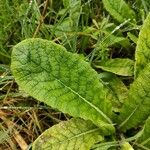
Primula × polyantha
Elatior hybrid primroses · False oxlip · Polyanthus primula · Hybrid primrose · Polyanthus Primrose
Description
Source: leafsnapPrimula × polyantha, commonly known as the Polyanthus Primrose, is a hybrid plant resulting from the cross between Primula veris and Primula vulgaris. This popular garden plant produces clusters of brightly colored flowers in shades of yellow, pink, red, and purple. The flowers are fragrant, featuring five petals with a distinctive yellow center. The leaves, dark green and forming rosettes at the plant's base, add to its appeal. Polyanthus primroses prefer cool temperatures and partial shade, though they can tolerate full sun in cooler climates. They thrive in well-draining soil rich in organic matter. While often grown as annuals or biennials, they can also be cultivated as perennials with proper care. Cultivated for centuries for their ornamental value, Polyanthus primroses are a cherished addition to gardens across Europe and North America. They are commonly used to add color to borders or are planted en masse for a striking display. Beyond their aesthetic appeal, Polyanthus primroses possess medicinal properties due to their high levels of antioxidants, such as flavonoids, which help protect against oxidative stress caused by free radicals. Overall, Polyanthus primrose plants make an excellent addition to any garden. Their vibrant colors, sweet fragrance, and easy-to-grow nature make them perfect for both novice gardeners and experienced horticulturists alike!
Care Guide
💧 Water Every 7 days
Hybrid primroses are fairly thirsty plants and require regular watering. A good layer of mulch will help retain soil moisture, but they do not like to be constantly soggy.
☀️ Light
🌡️ Temperature
Hybrid primroses are hardy in zones 5 to 7 but are often grown as bedding annuals in warmer and colder zones.
💨 Humidity
🪴 Soil
🌱 Fertilizer
🪴 Pot & Repot
✂️ Pruning
🌿 Propagating
🐛 Diseases & pets
☠️ Toxicity
Characteristics
- Plant Type
- Perennial, annual
- Genus
- Primula
- Family
- Primulaceae
- Hardiness Zone
- 5-7
- Bloom Time
- Acidic
- Native Area
- North America, South America, Europe