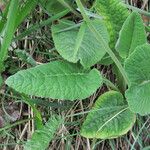
Primula veris
Cowslip · Ciuboțica-cucului · Bunch of Keys · Paigle · Palsywort
Description
Source: leafsnapPrimula veris, commonly known as cowslip, is a herbaceous perennial plant that belongs to the Primulaceae family. Native to Europe and Asia, it thrives in meadows, woodlands, and grasslands. The plant grows up to 30 cm tall and features a rosette of basal leaves that are oval-shaped with toothed edges. These dark green leaves have a distinct wrinkled texture. From April to May, the cowslip produces clusters of fragrant yellow flowers on long stalks. Each flower comprises five petals fused at the base, forming a tube-like structure with an orange-yellow center. These flowers are particularly appealing to bees and butterflies, assisting in pollination. For centuries, cowslip has been valued for its medicinal properties, particularly its anti-inflammatory effects. It is commonly used to treat respiratory ailments such as coughs, colds, and bronchitis. Beyond its medicinal uses, Primula veris is appreciated as an ornamental plant. Its bright yellow flowers make it an attractive addition to garden borders or rock gardens. In summary, Primula veris, or cowslip, is a beautiful and beneficial herbaceous perennial. It not only enhances gardens with its vibrant flowers but also offers medicinal benefits, making it a valuable plant both aesthetically and therapeutically.
🌳 One little-known use of cowslip is its potential role in bioremediation, the practice of using living organisms to neutralize or remove pollution from the environment. Cowslip has been shown to indicate the presence of certain heavy metals in the soil, revealing contaminated land. Consequently, its growth patterns could guide bioremediation efforts, where plants help accumulate and extract pollutants from the environment, thus acting as a natural detoxifier.
🎭 Recovery, Youthfulness, Treasure discovery
Care Guide
💧 Water Every 7 days
Cowslip flourishes in temperate climates with consistent moisture and prefers soil that remains evenly moist. Once established, it develops a moderate tolerance to drought. For optimal health, water the plant weekly. As a herbaceous perennial, cowslip grows outdoors, with its vibrant spring flowers blooming in relation to water availability.
How should I water my Cowslip plant?
To properly water the Cowslip, it is recommended to use filtered water at room temperature. Tap water may contain harmful particles, so filtered water is preferable. The Cowslip originates from a warm environment, so it is important to avoid using cold water as it can shock the plant. Additionally, overhead watering should be avoided to prevent issues with the foliage. Instead, apply filtered room temperature water directly to the soil until it is completely soaked. This is beneficial as it helps moisten the roots and allows them to spread and gather nutrients from the soil.
What should I do if I give my Cowslip plant too much water or too little water?
Overwatering is a common issue that can harm your Cowslip plant. It causes wilting and yellowing of the stems and leaves. Over time, it can lead to diseases like root rot, mold, and mildew, which can be fatal for the plant. Underwatering is less common but still a possibility for Cowslips, although they are drought-tolerant. When underwatering occurs, the leaves become dry and brown. It's important to recognize the signs of overwatering early to prevent irreversible damage. If you notice these signs, reduce watering immediately and check the soil quality. If the soil drains poorly, replace it with a well-draining mix. If your Cowslip is receiving too little water, simply increase the watering frequency until the signs improve.
How many times a week should I give water to my Cowslip?
If your Cowslip plant is in a pot, the most precise way to determine if it needs water is by checking the soil with your finger. If the top two to three inches of soil feel dry, then it is time to water the plant. For outdoor Cowslip plants in the ground, you can use a similar method to check the soil. Once the top few inches have dried out, it is a sign that watering is needed. Typically, during spring and early fall, you will water the plant about once a week using this method. However, in extremely hot weather, you may need to increase watering to twice or more per week. It is worth noting that mature and well-established Cowslip plants have an impressive ability to withstand drought.
How much water does my Cowslip plant need?
To water your Cowslip effectively, don't be afraid to give it a generous amount of water. Wait for the top layer of soil to become dry, about two to three inches, then water the plant thoroughly. Make sure to water until the soil is completely soaked, allowing excess water to flow out of the pot through the drainage holes. If no excess water comes out, you might not have given enough water. However, avoid overwatering, as it can harm the plant. Poor draining soils can also be a problem, so ensure that water drains properly from the pot. If your Cowslip is outdoors, one inch of rain per week is enough.
How do I water my Cowslip at different times when it is growing?
The water needs of the Cowslip plant can vary depending on its growth stages. When the Cowslip is young or recently transplanted, it requires more water because it is focusing on establishing new roots for future growth. These roots need extra moisture to thrive. However, as the Cowslip matures, it will require less water. Another growth stage that requires more water is the blooming period, as flower development uses a considerable amount of moisture.
☀️ Light Partial sun
Cowslips prefer plenty of light and can also tolerate strong sunlight. Native to environments with frequent illumination, they may grow more slowly or develop pale leaves if light levels are insufficient.
What are the sunlight requirements for Cowslip?
Cowslip plants thrive in conditions ranging from partial to full sun. Partial sun refers to about 3-6 hours of sunlight per day, while full sun means the plant should receive above 6 hours of sunlight daily. It's important to observe the movement of sunlight through your garden to find the best spots that offer a balance of light and shade, ensuring the plants' well-being. Cowslip, in particular, enjoys ample light but can also tolerate being in overly sunny areas, originating from environments where exposure to bright conditions is common.
How does artificial lighting benefit indoor Cowslip plants and what are the recommendations?
Indoor Cowslip plants require adequate lighting for optimal growth, especially when natural sunlight is insufficient, such as in winter or less sunny areas. Artificial lighting provides a vital alternative, encouraging faster and healthier growth. LED lights are recommended due to their ability to be customized to the specific light wavelengths needed by plants. Full sun plants need 30-50W/sq ft, partial sun plants require 20-30W/sq ft, and full shade plants should have 10-20W/sq ft of artificial light. The light source should be placed 12-36 inches above the plant, mimicking natural sunlight, and plants typically need 8-12 hours of light per day.
What are the symptoms of insufficient or excessive light exposure in Cowslip plants?
Insufficient light can lead to various symptoms in Cowslip plants, such as smaller new leaves, leggy or sparse growth, faster leaf drop, slower or halted growth, and lighter-colored or pale new leaves indicating a lack of chlorophyll. Excessive light might cause chlorosis, where leaves turn yellow, sunscald with damaged leaves or stems, leaf curling as a defense mechanism against too much sunlight, wilting from excessive water loss, and leaf scorching characterized by brown, crispy leaf edges. Monitoring and adjusting light exposure are crucial for maintaining healthy Cowslip plants.
How should Cowslip plants be cared for regarding light exposure indoors, outdoors, and in the ground?
To optimize Cowslip plant growth, gradually adapting to light conditions is essential. Indoor plants should be shifted to sunnier spots weekly until achieving 3-6 hours of direct sunlight or supplemented with artificial light for at least 8 hours daily if moving is not feasible. Outdoor plants require gradual relocation to sunnier areas avoiding sudden changes to prevent sunburn. For plants in the ground, reducing obstructions like pruning trees and transplanting smaller plants during their dormant period to sunnier locations with good drainage can significantly improve light exposure. Note that portions of the plant affected by previous insufficient light may not recover, but new growth will be healthy with adequate light adjustment.
🌡️ Temperature 5–35°C
Cowslip is a hardy plant suited to temperatures between 41 and 95°F (5 to 35℃). Adaptable by nature, it does well in cooler areas and tolerates moderate heat. Seasonal temperature adjustments are not strictly necessary, although it benefits from some winter protection in severe climates.
What is the optimal temperature range for Cowslip?
Cowslip is a sturdy plant that thrives in a wide temperature range, from 41 to 95°F (5 to 35°C). It is remarkably adaptable, flourishing in cooler climates while still being able to tolerate moderate heat. Although it generally does not require significant seasonal temperature adjustments, it appreciates some level of winter protection in particularly harsh climates. Cowslip possesses strong cold resistance, so it typically does not need special frost protection measures. However, in regions where winter temperatures are expected to plummet below -25°C, implementing cold protection strategies by covering the plant with soil or straw can be beneficial. It is also advised to water the plant abundantly before the first freeze in autumn to maintain soil moisture and prevent drought and water scarcity during the winter and early spring.
How does Cowslip react to temperatures below its ideal range?
Cowslip is known for its cold tolerance, flourishing best in temperatures above 5°C. During winter, it is preferred that the temperature remains above -20°C. If the temperatures drop below -25°C, there might not be noticeable changes immediately, but these conditions can lead to a decreased sprouting rate or even no sprouting at all in the following spring. To manage this, in the spring, it is recommended to remove any parts of the plant that have failed to sprout, ensuring the plant can focus its energy on healthy growth.
How does Cowslip handle high temperatures and what should be done?
During the warmer summer months, maintaining Cowslip's environment below 35°C is crucial for its health. If temperatures soar above 38°C, Cowslip's leaves may start showing signs of distress such as lightening in color, curling, becoming prone to sunburn, and in severe cases, the entire plant may wilt and dry out. To mitigate these issues, it is advisable to trim away any sunburned or dried-up parts of the plant. Relocating the plant to a shaded area or utilizing a shade cloth can protect it from the harsh midday and afternoon sun. Additionally, watering the plant during the cooler morning and evening hours can help keep the soil consistently moist, providing the plant with a more suitable growing environment.
💨 Humidity normal (40-60%)
This plant will thrive in moderate humidity, which is probably the level in your home. However, misting it a few times a week can be very beneficial. Make sure the room has good ventilation.
🪴 Soil 6-7
🌱 Fertilizer
The ideal time to fertilize a Cowslip is in early spring, as it comes out of dormancy and begins active growth. Fertilization supplies essential nutrients for healthy development. Although a Cowslip has relatively low fertilization needs, giving it fertilizer annually can improve its survival and encourage better, longer-lasting flowers.
Why should I put fertilizer on my Cowslip plant?
Fertilization is important for the Cowslip because it provides important nutrients that help the plant grow both above and below ground. While the overall fertilization needs of the Cowslip are relatively low, annual fertilization can be highly beneficial. It can help the plant stay alive and promote the development of better and longer-lasting flowers. Therefore, those who want their Cowslip to look its best should regularly fertilize it.
When should I fertilize my Cowslip plant?
The best time to fertilize a Cowslip is in late winter or early spring when it is transitioning from dormancy to active growth. Fertilizing at this time promotes healthy growth and sets the plant up for a successful season. While fertilizing in early spring is usually optimal, it is also acceptable to fertilize in the fall. However, it is not recommended to fertilize a Cowslip during summer or winter.
When is it not a good idea to fertilize my Cowslip plant?
To ensure proper fertilization of your Cowslip plant, it is recommended to only fertilize during late winter and early spring. This plant has low fertilization needs, so one annual feeding is sufficient. Fertilizing during spring, summer, and fall can lead to overfertilization and complications. The only exception is if you skipped fertilizing in spring, then it is acceptable to fertilize in fall. Additionally, it is unnecessary to fertilize during the winter when the Cowslip is in a dormant phase and not putting forth new growth.
What kind of plant food does my Cowslip need?
To ensure a healthy Cowslip plant, it is recommended to use a general-purpose fertilizer with a balanced amount of the main plant nutrients. However, some nutrient blends can provide even more benefits. One popular belief among gardeners is that a fertilizer high in phosphorus promotes stronger roots and better flowers, which is ideal for Cowslip as a flowering plant. You have the option to choose between a granular or liquid fertilizer, as long as it contains an adequate amount of nutrients. Alternatively, incorporating compost, manure, or other organic materials can greatly enhance the soil quality for your Cowslip.
How should I add fertilizer to my Cowslip plant?
To fertilize a Cowslip, the most common method is to use a granular or pellet fertilizer on the soil surrounding the plant. It is important to fertilize when the plant is transitioning from winter dormancy to active growth, usually in early spring when shoots start to emerge from the soil. Alternatively, you can opt for a liquid fertilizer, which should be diluted with water before application. Regardless of the type of fertilizer used, it is recommended to moisten the soil before, during, and after fertilization.
🪴 Pot & Repot 2-3 years
To maintain healthy root growth, repot cowslip, a low-growing herbaceous perennial, every 2-3 years in early spring. Use a slightly larger pot with good drainage. After repotting, keep the soil moist and place the plant out of direct sunlight. Regular deadheading will encourage more vibrant blooms.
✂️ Pruning
Cowslip features rosettes of wrinkled leaves and bright yellow flowers. To encourage growth and improve air circulation, prune the plant in early spring. Remove any dead leaves and spent flowers, and trim leggy stems to maintain an attractive shape. Using clean, sharp tools will help prevent disease, thereby enhancing both the plant's appearance and its longevity.
🌿 Propagating
🐛 Diseases & pets
☠️ Toxicity
Characteristics
- Plant Type
- Herb
- Life Cycle
- Perennial
- Genus
- Primula
- Family
- Primulaceae
- Hardiness Zone
- 5-9
- Mature Height
- 25 cm
- Mature Spread
- 25 cm
- Leaf Color
- Green
- Leaf Type
- Deciduous
- Flower Color
- Yellow, Gold
- Flower Size
- 1.02 cm to 1.52 cm
- Bloom Time
- Mid spring, Late spring
- Planting Time
- Spring
- Harvest Time
- Early summer, Mid summer
- Native Area
- North America, South America, Europe