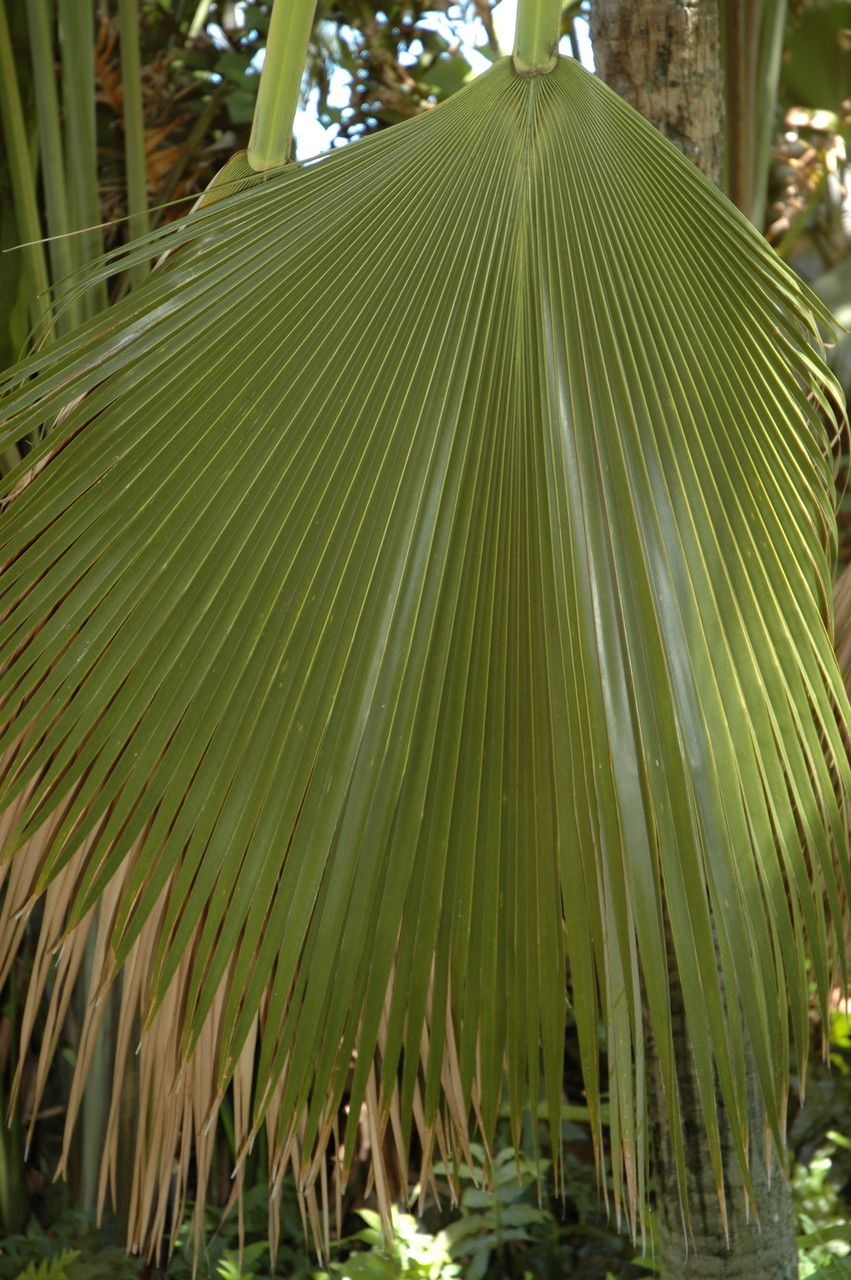
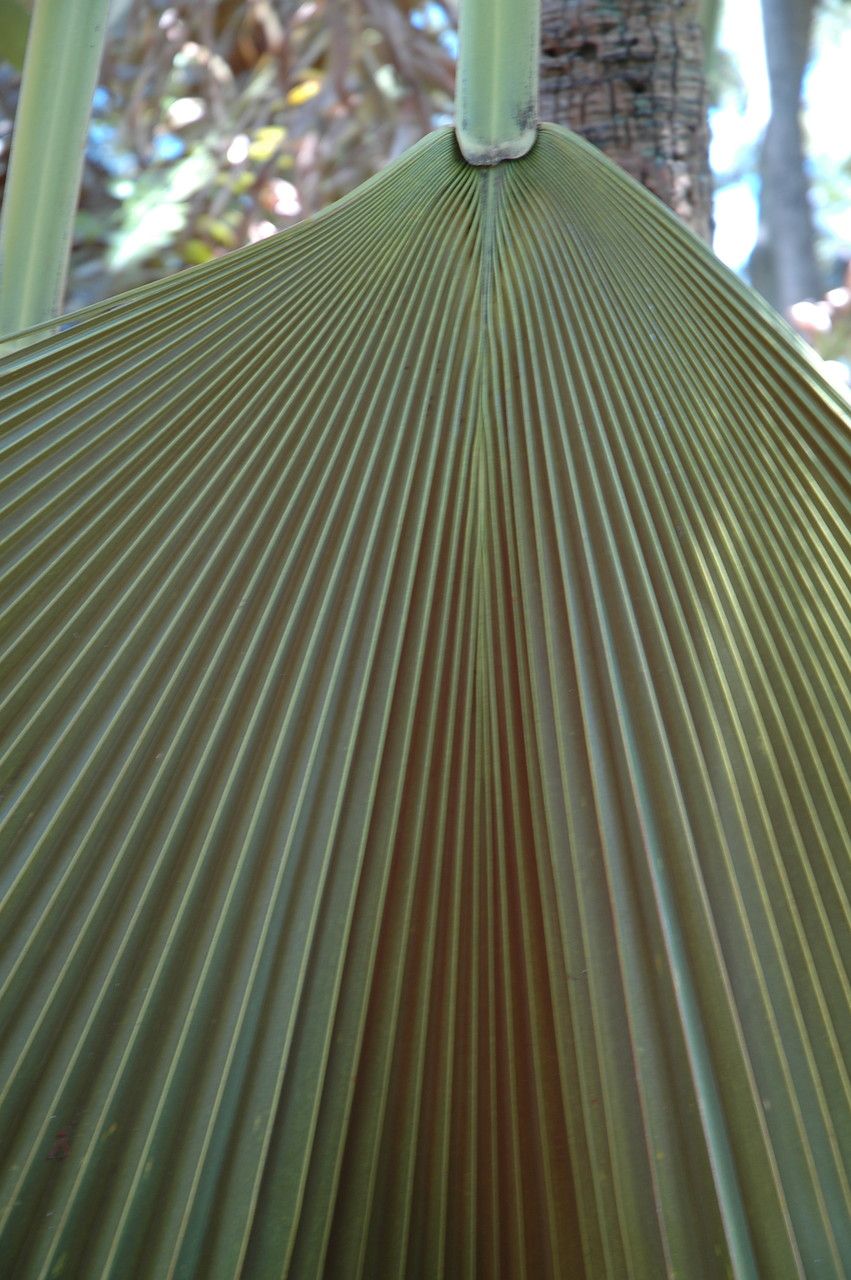
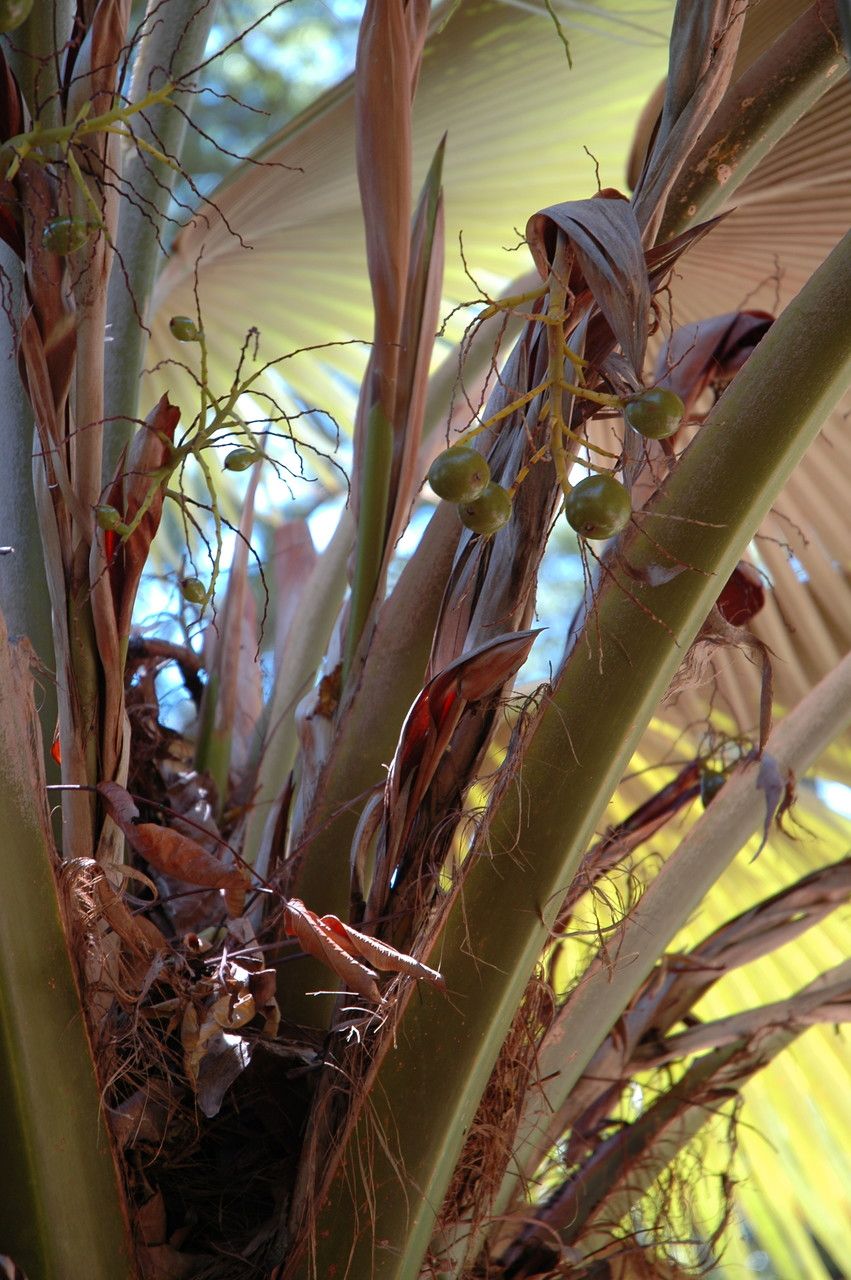
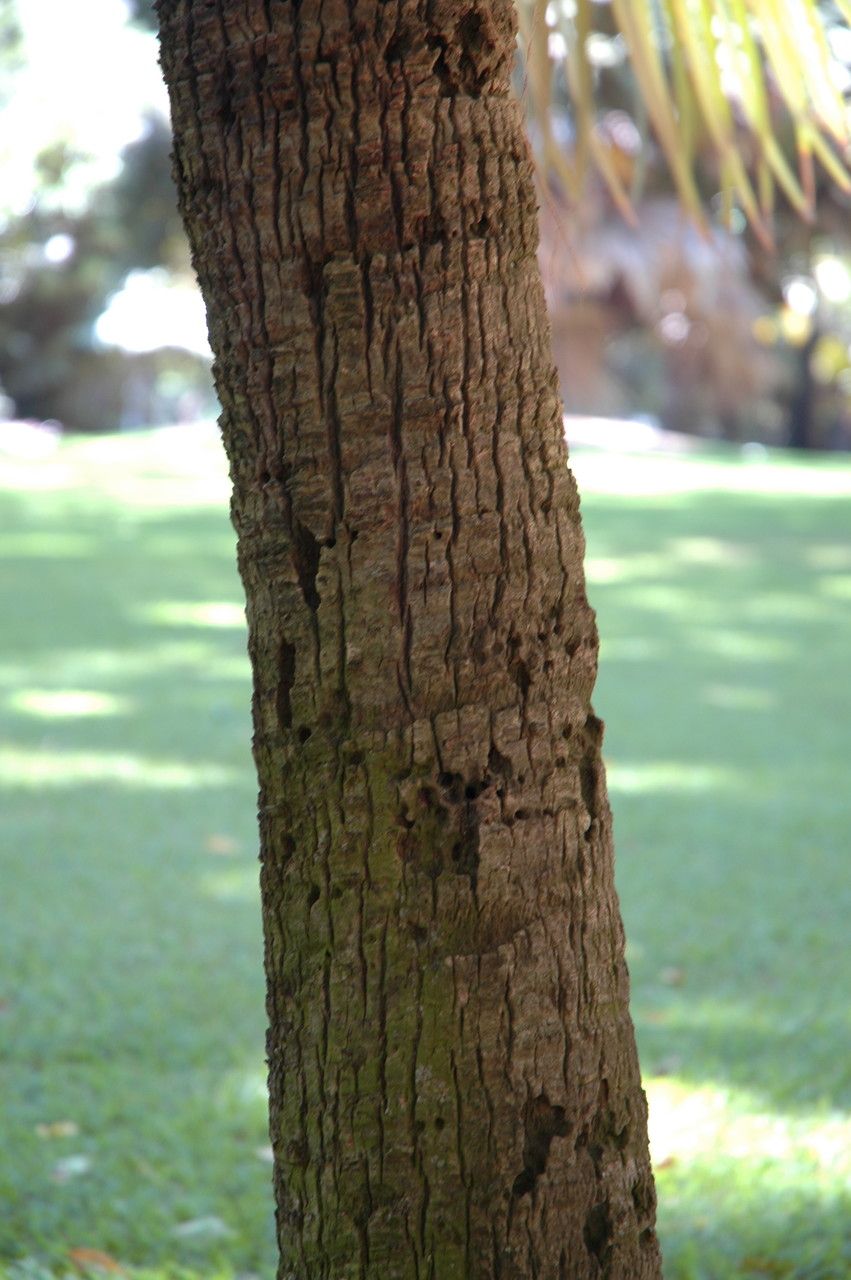
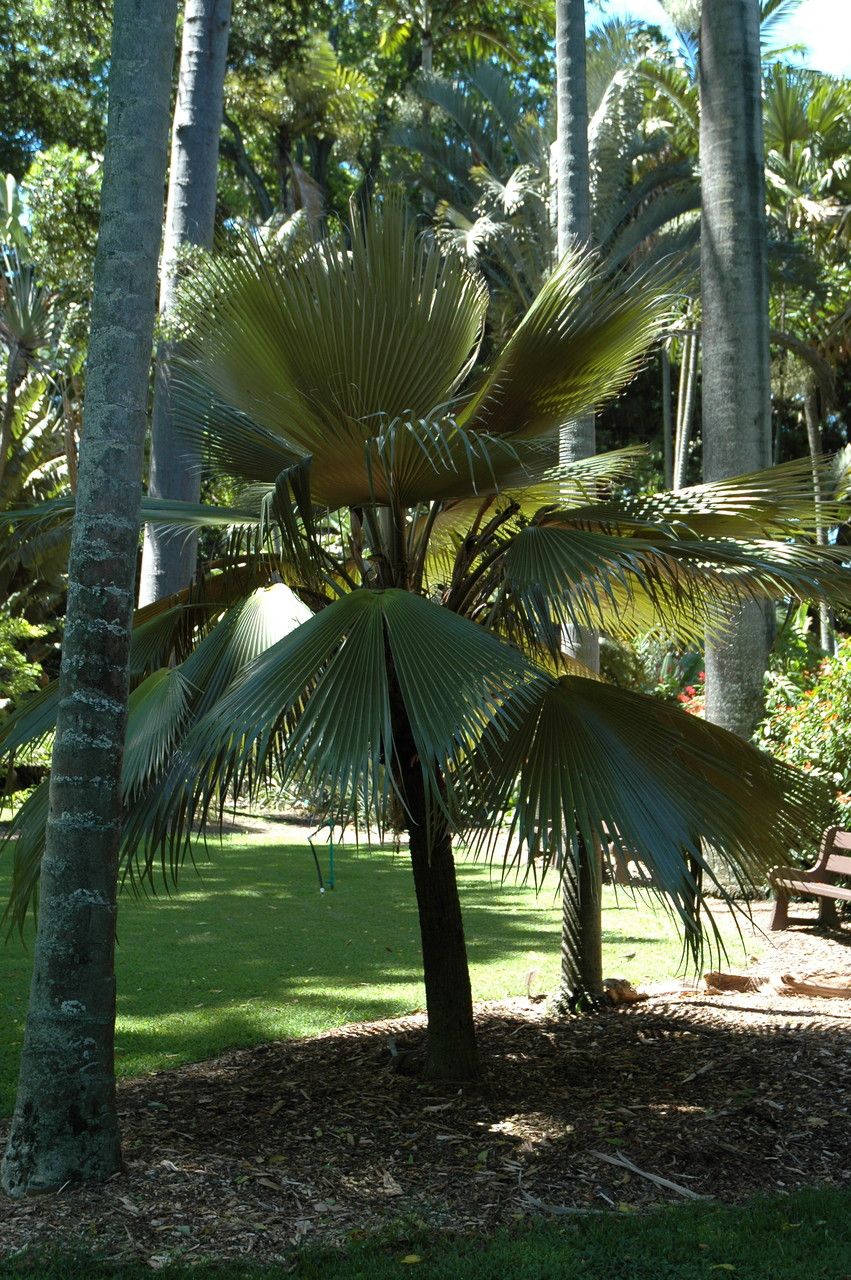
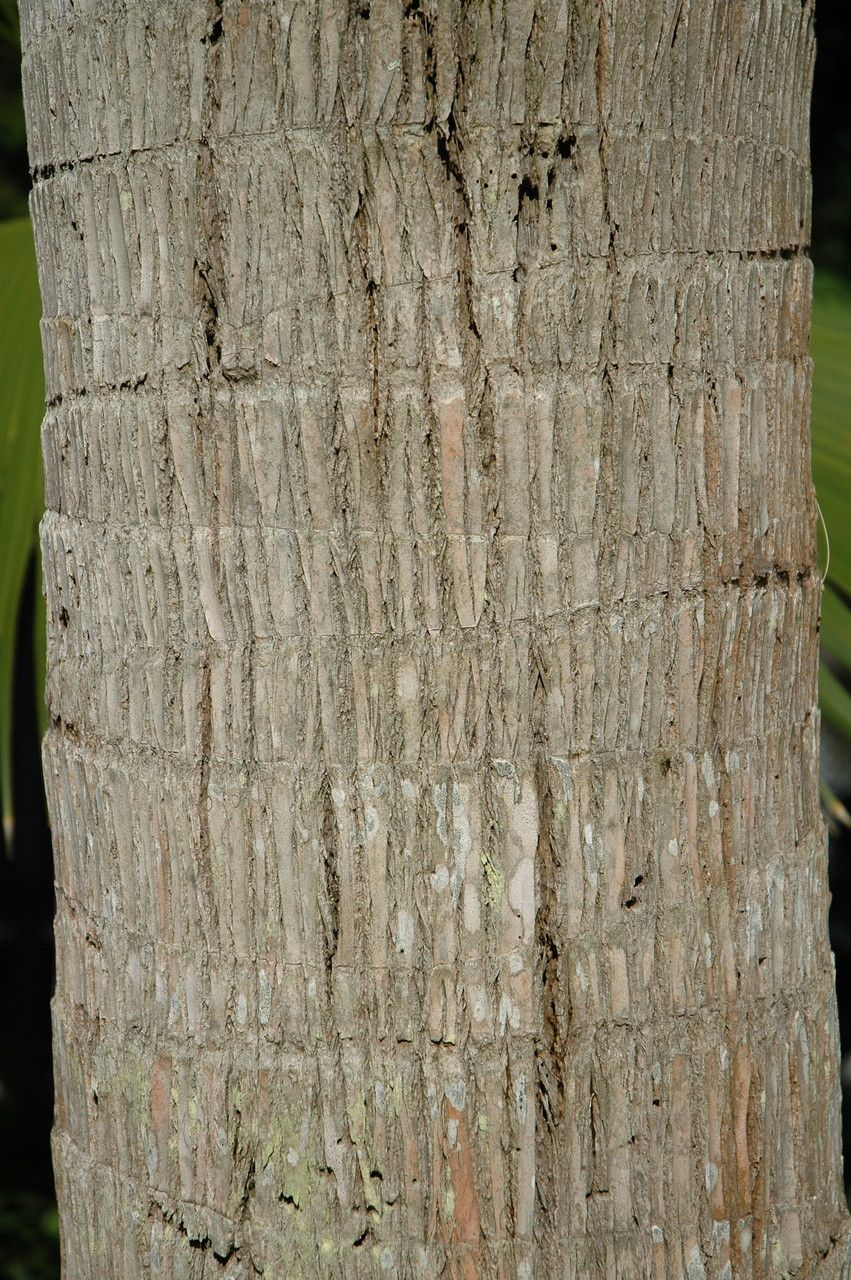
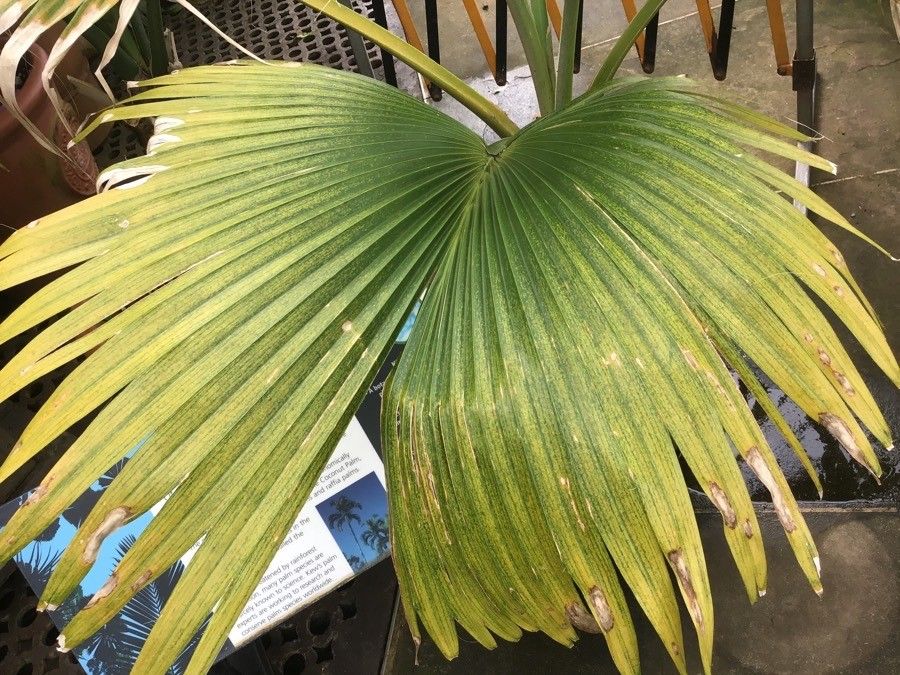
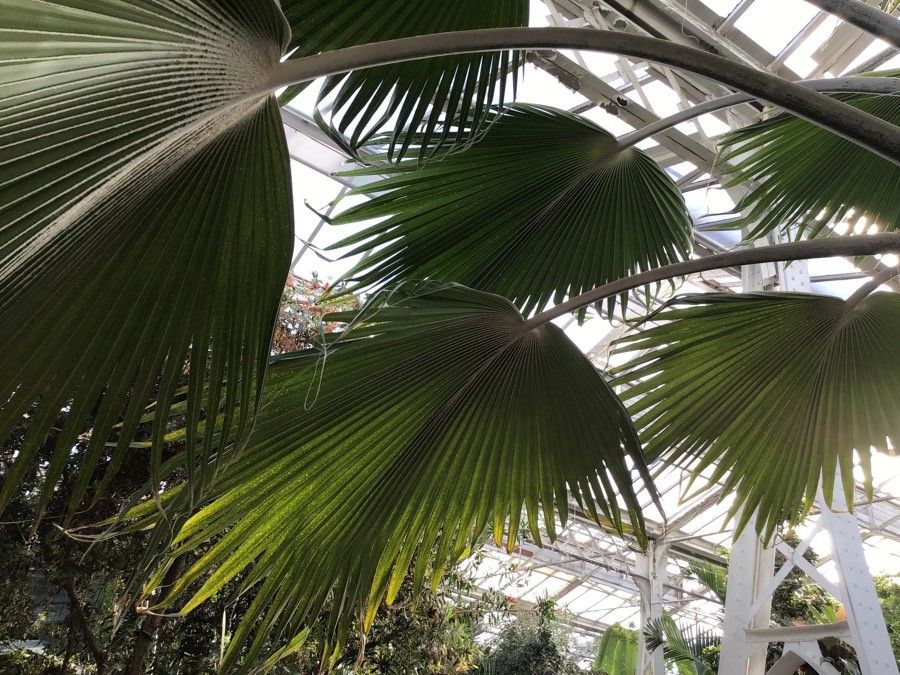
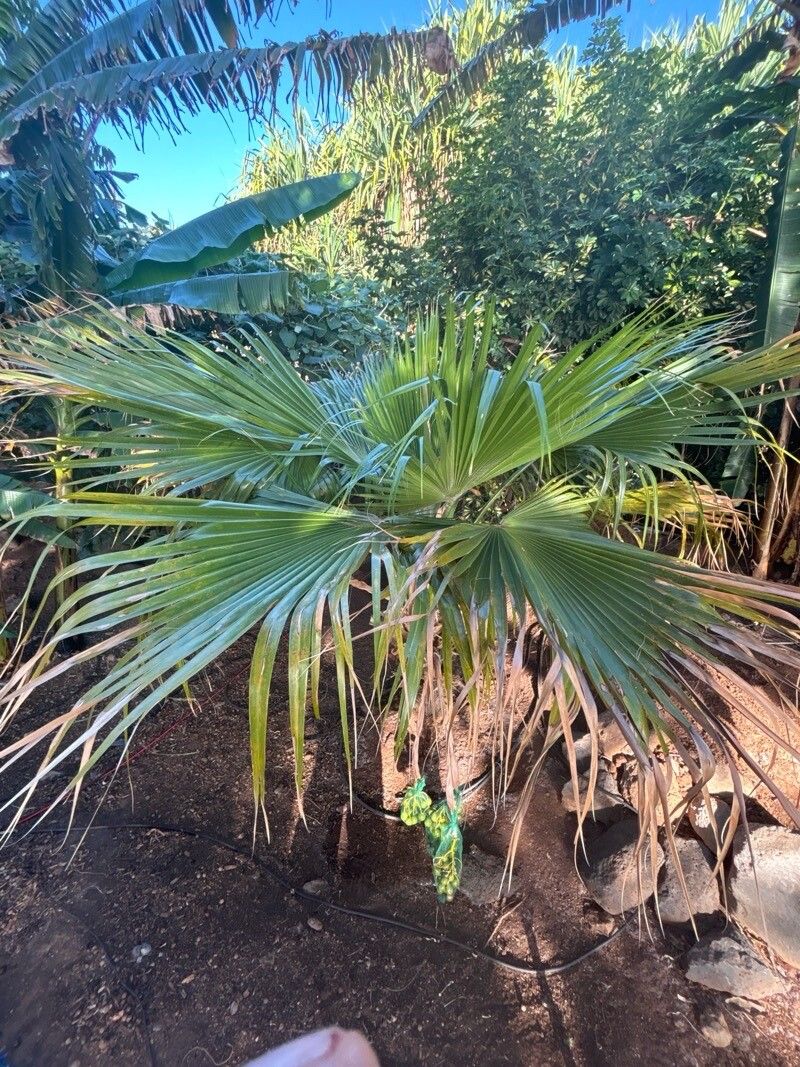
Koolau range pritchardia is disease-resistant and typically does not develop illnesses. Regarding care, this plant is fairly low-maintenance. Planted outdoors it needs minimal watering, and larger specimens usually do not require pruning. Smaller plants, however, should be pruned after they finish blooming. Koolau range pritchardiat is appropriate for anyone with an outdoor area, such as a garden or deck, and does not demand much care experience.
How to keep Pritchardia Martii.
Light
Koolau range pritchardia depends mainly on receiving enough sunlight each day to grow and thrive, though it can tolerate periods of the day with reduced exposure. Both insufficient and excessive sunlight can result in poor plant health, causing it to deviate from its naturally thriving conditions.
Water
The Koolau Range pritchardia, native to Hawaii's high-rainfall regions, thrives with consistent moisture and shows moderate drought tolerance. Water the plant every 2 to 3 weeks, ensuring the soil remains moist but not waterlogged. Its growth cycle aligns with the rainy season, which influences its periods of active growth and dormancy.
Temperature
Koolau range pritchardia originates from areas where average temperatures fall between 68 and 100 °F (20 to 38 ℃). It prefers that temperature range and may need extra care in colder months, such as being kept in an appropriate indoor setting or given a protective covering.
Fertilizer
The best time to fertilize a Koolau range pritchardia is in early spring, as it breaks dormancy. This supports overall growth and the development of flowers. Fertilizing improves the foliage, stems, and branches, and encourages flowers that are larger, more vibrant, and longer-lasting. It helps transfer nutrients from the roots to the flowers and boosts the plant's health and resistance to disease.
Pruning
To improve the growth of the Koolau range pritchardia, a fan-leaved palm, it is recommended to selectively prune it by removing dead or damaged fronds in early spring. Doing so enhances air circulation and light exposure, promoting healthier growth. Be sure to sterilize your tools to prevent the spread of disease, and monitor for any pests during the pruning process.
Botanical profile.
- Plant Type
- Tree
- Life Cycle
- Perennial
- Genus
- Pritchardia
- Family
- Arecaceae
- Hardiness Zone
- 9-11
- Mature Height
- 0.91 m to 3.05 m
- Mature Spread
- 2.44 m to 3.05 m
- Leaf Color
- Green, Dark Green
- Leaf Type
- Evergreen
- Flower Color
- White, Cream
- Flower Size
- 2.54 cm
- Bloom Time
- Summer, Early fall, Mid fall
- Planting Time
- Spring, Summer, Autumn
- Harvest Time
- Fall, Early winter, Mid winter
Other names.
Reader questions.
What are the sunlight requirements for Koolau range pritchardia?
Koolau range pritchardia flourishes with ample daily sun exposure for optimal growth; it necessitates above 6 hours of sunlight for full sun conditions and about 3-6 hours for partial sun. However, it shows resilience by tolerating periods with less light exposure. The plant's health can be impacted negatively by both under-exposure and over-exposure to sunlight, making it crucial to ensure it receives a suitable amount of light to mimic its natural thriving environment. Observing the movement of sunlight through your garden and selecting locations that offer a good mix of light and shade will help in providing the conditions the plant needs to be happy.
What is the ideal temperature range for Koolau range pritchardia?
Koolau range pritchardia thrives in regions where the average temperatures range between 68 to 100 °F (20 to 38 °C). It loves warmth and requires extra care during the colder seasons to ensure it stays healthy. During autumn, it's advisable to bring any outdoor-grown Koolau range pritchardia indoors and place them near a bright window, far enough from heaters to avoid damage. Keeping the temperature above 20°C during winter supports its growth, while exposure to temperatures near 0°C can be harmful.
How can artificial lighting benefit indoor Koolau range pritchardia plants?
Indoor Koolau range pritchardia plants benefit significantly from artificial lighting, especially when natural sunlight is insufficient, like during winter or in less sunny spaces. Artificial lights, such as LED lights, promote faster and healthier plant growth by providing the essential light wavelengths needed. For plants requiring full sun, 30-50W/sq ft of artificial light is recommended, 20-30W/sq ft for partial sun plants, and 10-20W/sq ft for full shade plants. The correct placement involves positioning the light source 12-36 inches above the plant and ensuring it receives 8-12 hours of light per day to mimic natural daylight hours effectively.
How do you care for Koolau range pritchardia in low temperatures?
Koolau range pritchardia is not tolerant of low temperatures and thrives best when kept above 20°C, especially during winter when temperatures should not drop below 0°C. Exposure to temperatures below -5°C can cause the leaves to lighten in color, eventually turning brown or black as they suffer from frost damage. Symptoms like wilting and drooping may also occur. To care for it in such conditions, trim off the frost-damaged parts and move the plant indoors to a warm spot preferably near a south-facing window for ample sunlight, but ensure it’s not placed near heaters or air vents to avoid excessive dryness.
What are common symptoms of light deficiency in Koolau range pritchardia?
Symptoms of light deficiency in Koolau range pritchardia include smaller new leaves, leggy or sparse growth, early leaf drop to conserve resources, delayed or halted growth, lighter-colored or pale new leaves indicating a lack of chlorophyll, chlorosis leading to yellowing leaves, sunscald, leaf curling as a defense mechanism against excessive sunlight, wilting due to increased water loss, and leaf scorching characterized by brown, dry edges on leaves. These symptoms highlight the importance of providing the plant with adequate light for maintaining good health.
What should you do if the Koolau range pritchardia experiences high temperatures?
In high-temperature conditions, specifically during the summer when temperatures soar above 38°C, Koolau range pritchardia requires particular attention to prevent heat stress. Should temperatures exceed 43°C, the plant's leaves might lighten and become prone to sunburn. To mitigate this, remove any sunburned or dried-up parts and relocate the plant to a cooler area, shaded from the intense midday and afternoon sun. It's also crucial to water the plant during the cooler parts of the day, such as morning and evening, to keep the soil sufficiently moist.
What solutions can address sunlight-related issues for Koolau range pritchardia?
To address sunlight-related issues for Koolau range pritchardia, gradual adjustment to sunnier locations is key. For indoor plants, gradually moving them to receive at least 6 hours of direct sunlight daily or using artificial light such as desk or ceiling lamps for at least 8 hours daily can enhance light exposure. Outdoors, moving plants to optimal sunlight spots gradually helps in adaptation and prevents sunburn. Reducing obstructions like pruning trees or transplanting to sunnier locations with good drainage improves sunlight access. It's crucial to remember that parts of the plant damaged by insufficient light may not recover, yet new growth will be healthy with improved light conditions.