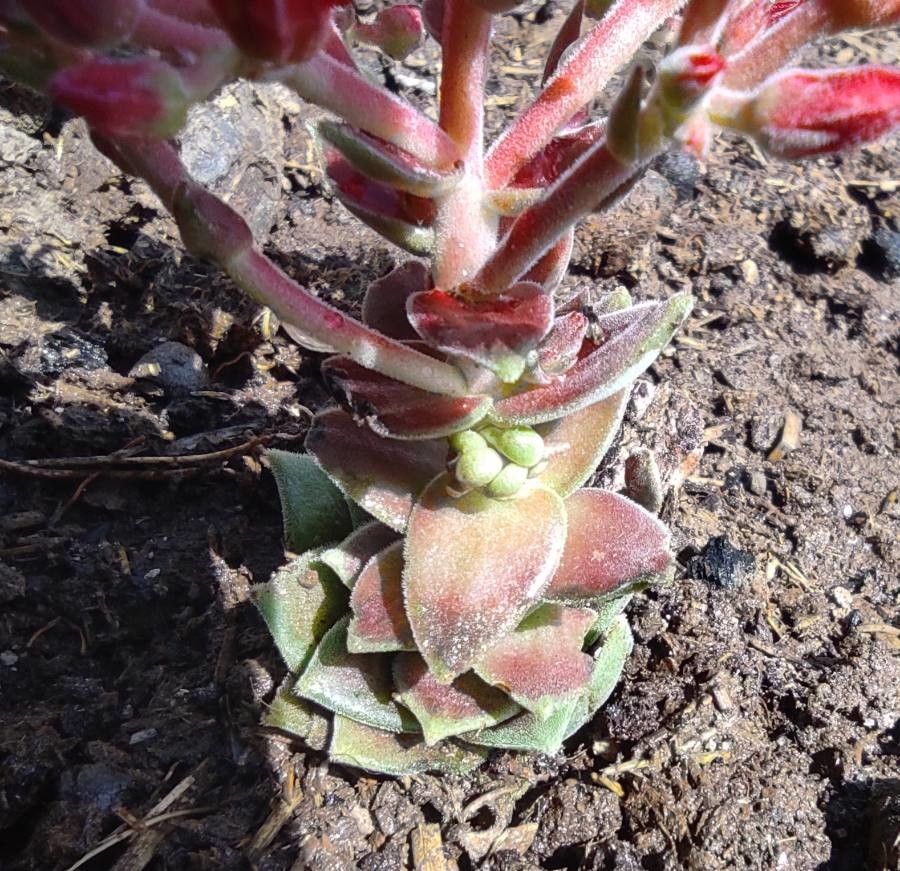
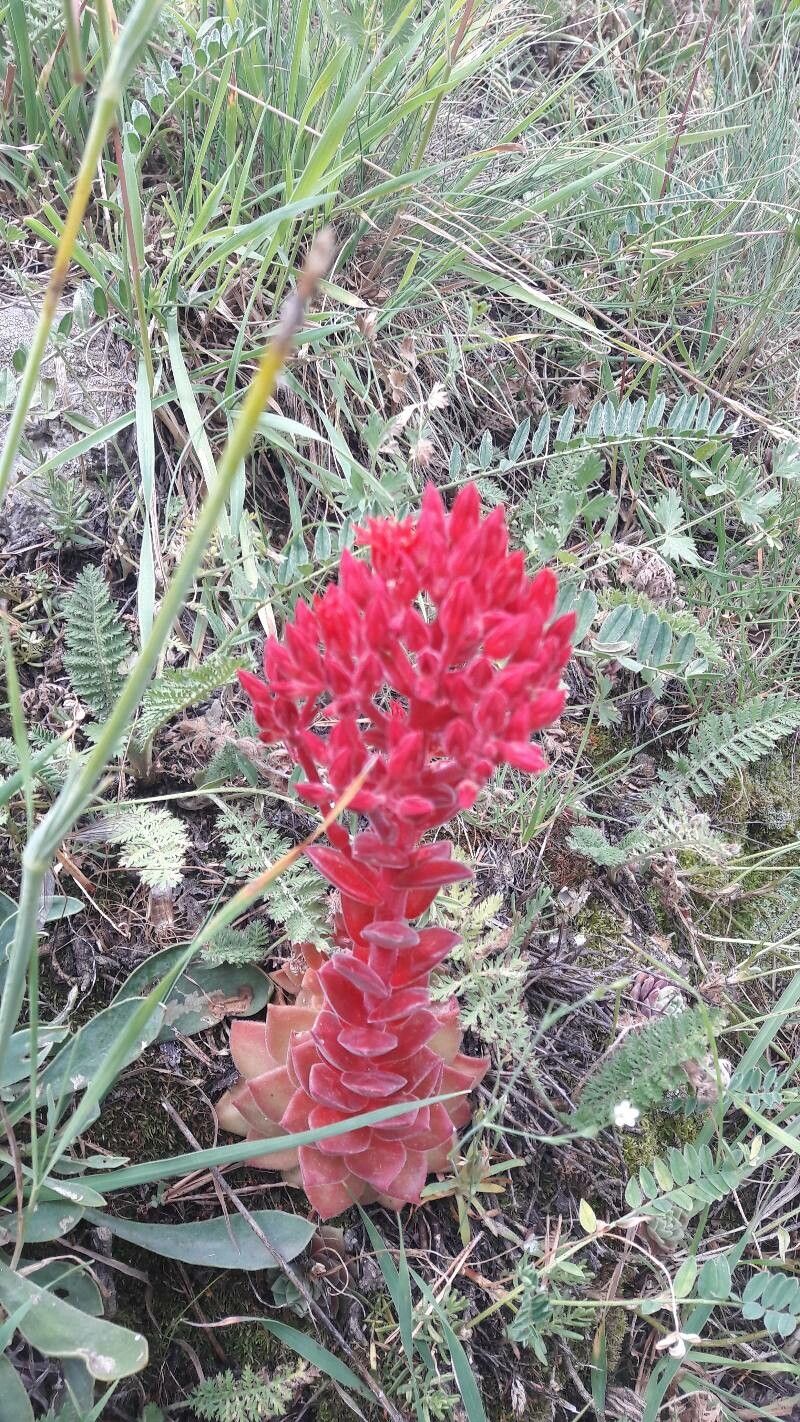
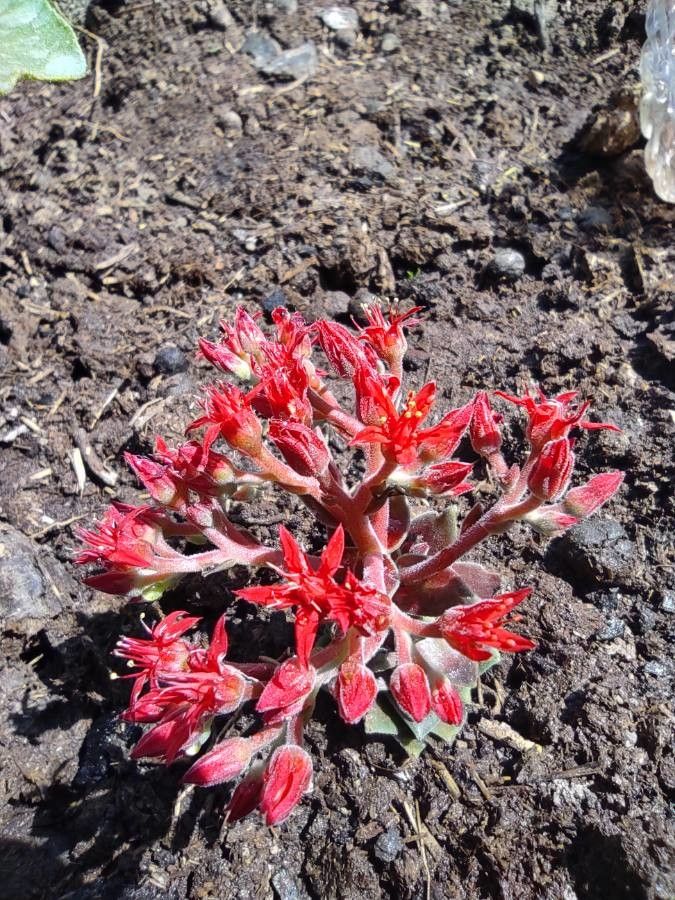
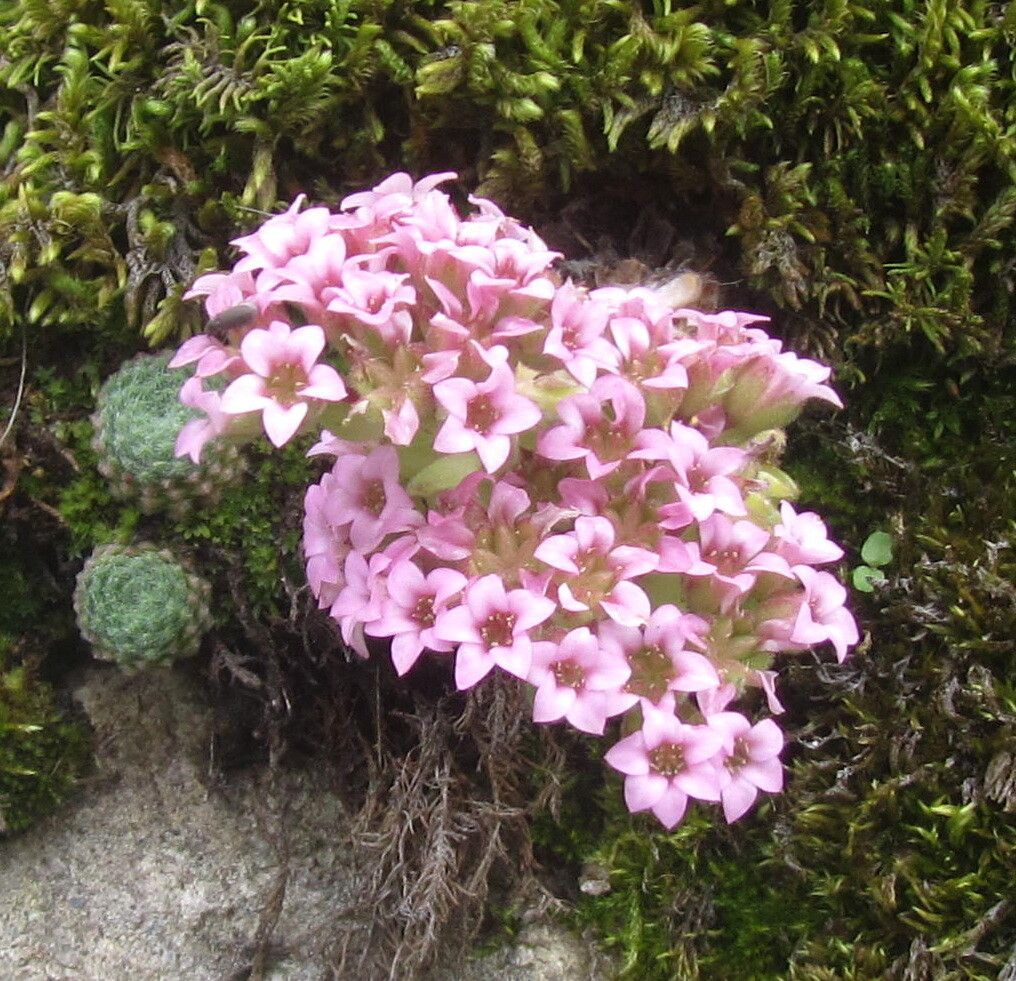
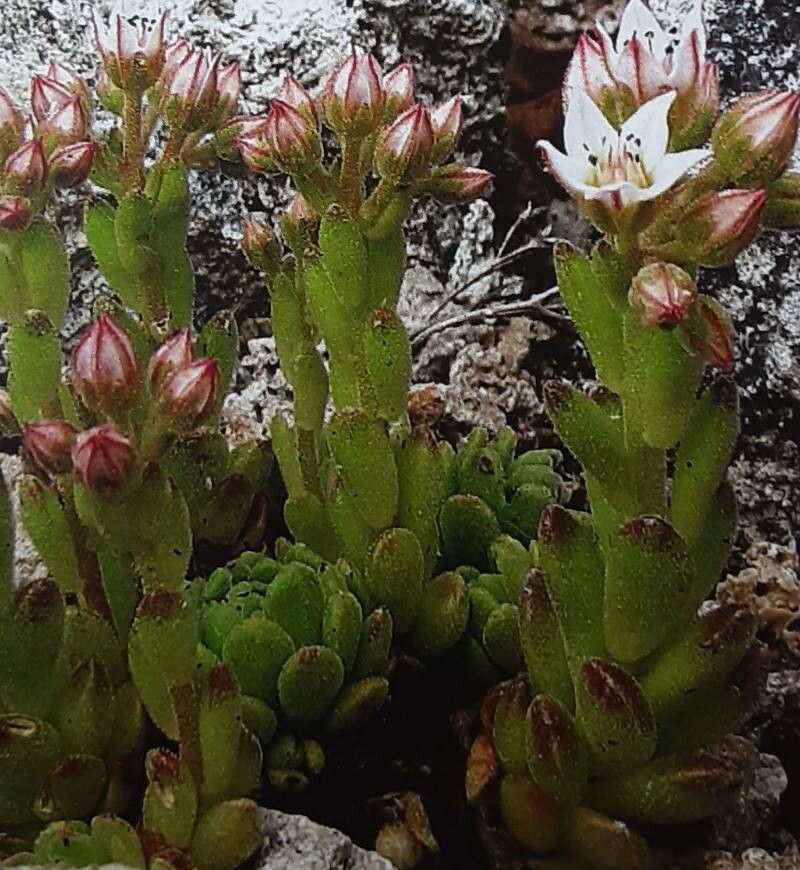
Prometheum sempervivoides has moderate disease resistance and is relatively sensitive to humidity. It becomes prone to disease under high humidity and is likely to suffer root rot during dormancy. Regarding care, Prometheum sempervivoides tolerates drought but requires increased watering during the growing season. Watering should be greatly reduced or stopped entirely during the dormant period. Prometheum sempervivoides is appropriate for people with some growing experience, but it can be challenging to care for, particularly during dormancy. It is especially suited to those who can dedicate time to its care over the winter months.
How to keep Prometheum Sempervivoides.
Light
Prometheum sempervivoides comes from habitats with filtered light, such as the forest understory or rocky sites that offer natural shade. It favors partial sun but can also tolerate full sun.
Water
Prometheum sempervivoides requires minimal watering, focusing more on environmental conditions than a strict schedule. During hot or dormant periods, water the plant less often, approximately every 1 to 2 weeks. Look for signs that the plant needs water, such as wrinkling or drooping leaves. Always check the soil moisture and adjust your watering routine based on the type of pot you are using. Porous pots, for example, will need more frequent watering.
Temperature
Prometheum sempervivoides can tolerate some warmth, but it predominantly flourishes and expands during the colder seasons, going into a dormant phase during the summer. It needs to be shielded from intense sunlight to avoid burns during high summer temperatures. During the warmest season, it is essential to decrease or stop watering to guard against root decay. The winter and spring are the periods when Prometheum sempervivoides undergoes active growth. Provided the temperature doesn't plunge excessively, its growth will remain consistent.
Fertilizer
For Prometheum sempervivoides, mild applications of fertilizer 1-2 times annually during the growth period are adequate. Refrain from fertilizing during winter and summer as the plant is in a dormant state. After repotting, lower the amount of fertilizer for plants and hold off on fertilizing for several months. Fertilizing practices foster robust growth and stimulate blooming.
Pruning
Prometheum sempervivoides benefits greatly from spring pruning. During this process, remove any dead or damaged leaves to encourage growth and reduce the risk of disease. To improve airflow, thin out overcrowded areas, but be careful not to over-prune, as this can cause stress to the plant. For the best results, refer to horticultural guidelines that outline specific pruning techniques suitable for the growth patterns of Prometheum sempervivoides.
Botanical profile.
- Plant Type
- Succulent
- Life Cycle
- Biennial
- Genus
- Prometheum
- Family
- Crassulaceae
- Hardiness Zone
- 5-9
- Mature Height
- 5 cm to 10 cm
- Mature Spread
- 5 cm to 15 cm
- Leaf Color
- Green, Red
- Leaf Type
- Evergreen
- Flower Color
- Pink, Red
- Flower Size
- 1.02 cm to 2.03 cm
- Bloom Time
- Early summer, Mid summer
- Planting Time
- Spring, Summer, Autumn
- Harvest Time
- Mid summer, Late summer
- Native Area
- Turkey, Iran, Armenia, Azerbaijan