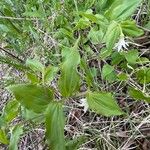
Prosartes hookeri
Fairy-bells · Drops-of-gold · Hooker's fairybells · Hooker's mandarin · Hooker's fairybell
Description
Source: leafsnapProsartes hookeri is a North American species of flowering plants in the lily family known by the common names drops of gold and Hooker's fairy bells.
🌳 Drops of gold is more than just a decorative element in the forest; it also serves as a natural indicator of soil conditions. It is not harvested for commercial purposes such as essential oils or pigments, yet it occupies a distinct ecological niche. By watching drops of gold’s growth and vigor, one can infer the soil’s fertility and metal content, since healthy plants point to nutrient-rich, well-balanced soil. This is especially helpful for forest management and conservation planning, where drops of gold acts as a subtle signal of the forest’s overall health.
Care Guide
💧 Water
Drops of Gold thrives in consistently moist woodland environments, preferring soil that remains evenly moist. Once established, it can tolerate moderate drought, but it still requires weekly watering. Its water needs are highest during the spring and summer, which makes it well-suited for outdoor growth where it can benefit from natural rainfall.
How should I water my Drops of gold plant?
To properly water the Drops of gold plant, it is best to use filtered water at room temperature. Tap water may contain harmful particles, so filtered water is preferable. The temperature of the water is important because the plant is accustomed to warm conditions and cold water can be stressful for it. Avoid watering from above as it can lead to issues with the foliage. Instead, pour your filtered room temperature water onto the soil until it is completely soaked. This helps moisten the roots and allows them to spread through the soil to gather the necessary nutrients.
What should I do if I give too much or too little water to my Drops of gold?
Overwatering is a more common issue than underwatering for the health of your Drops of gold. When this plant gets too much water, its stems and leaves may wilt and turn yellow. Over time, overwatering can also cause diseases like root rot, mold, and mildew, which can be fatal to the plant. Underwatering is less common because Drops of gold can handle some drought. However, when underwatering does happen, the leaves may become brittle and brown. It's important to notice signs of overwatering early, as some diseases like root rot can't be fixed if you wait too long. If you see these signs, reduce your watering schedule and check the soil's drainage. If it's poor, change it to a well-draining potting mix. On the other hand, if your plant shows signs of needing more water, just increase your watering until the signs go away.
How regularly should I water my Drops of gold?
If your Drops of gold plant is in a pot, the most accurate way to determine if it needs water is by checking the soil. Stick your finger into the soil and if the top two to three inches feel dry, it is time to water it. If you grow your Drops of gold plant outdoors in the ground, you can use a similar method to test the soil. Once again, when the first few inches of soil are dry, it is time to water the plant. During the spring and early fall, this usually means watering about once a week. However, in extremely hot weather, you may need to water it twice or even more per week. It is worth mentioning that mature, well-established Drops of gold plants have a remarkable ability to withstand drought.
How much water does the Drops of Gold plant require?
To properly water your Drops of gold, don't hold back on the amount of water you give. When the top two to three inches of soil are dry, it's time for a thorough watering. Make sure to completely saturate the soil by adding enough water that it flows out through the drainage holes at the bottom of the pot. If you don't see any excess water draining out, it means you haven't watered enough. However, be careful not to let water accumulate inside the soil, as this can be harmful to the plant. On the other hand, if water doesn't drain properly from the pot, it suggests that the soil isn't draining well, which is not good for the plant's health. If the plant is outdoors, around 1 inch of rain per week should be sufficient.
How do I water my Drops of gold when they are growing at different stages?
The water needs of Drops of gold can change during different growth stages. For instance, when your Drops of gold is young or has been recently transplanted, you'll need to water it more than usual. During these stages, the plant focuses on developing new roots, which require more moisture to support future growth. After a few seasons, the water requirements decrease. Another stage that may require more water is the bloom period, as the plant utilizes a significant amount of moisture for flower development.
☀️ Light Full shade
Drops of Gold is native to habitats such as forest understories or rocky sites that offer natural shade. It prefers Full Shade but can tolerate Partial Sun.
What are the light requirements for Drops of Gold (Prosartes hookeri)?
Drops of Gold, known botanically as Prosartes hookeri, flourishes in environments that mimic its natural forest understories or rocky habitats which are generally shaded. It thrives best in full shade, receiving less than 3 hours of sunlight daily, but can also tolerate partial sun. Observing how sunlight moves through your garden is advised to choose spots providing a balanced mix of light and shade, ensuring the plant's well-being.
How can artificial lighting be used for Drops of Gold indoors?
When natural sunlight is insufficient for indoor Drops of Gold plants, especially during winter or in less sunny spaces, artificial lighting becomes essential for optimal growth. LED lights are recommended for their ability to be customized to specific plant needs, offering various wavelengths of light. The advised intensity of artificial light varies by plant type: full sun plants require 30-50W/sq ft, partial sun plants need 20-30W/sq ft, and full shade plants need 10-20W/sq ft. The light source should be placed 12-36 inches above the plant, mimicking natural sunlight, and turned on for 8-12 hours per day depending on the plant's specific needs.
What are the symptoms of insufficient light for Drops of Gold?
Drops of Gold shows several symptoms when not receiving enough light, including smaller new leaves, leggy or sparse growth indicating longer spaces between leaves or stems, faster leaf drop as the plant sheds older leaves to conserve resources, slower or ceased growth as the plant enters survival mode, lighter-colored new leaves due to lack of chlorophyll, and chlorosis which leads to yellowing leaves caused by excessive light. Other signs include sunscald where intense sunlight damages plant tissues, leaf curling as a defense against water loss and sun damage, wilting from excessive water loss due to transpiration, and leaf scorching characterized by brown, dry, and crispy leaf edges.
How can Drops of Gold be helped to recover from light deficiency?
To help Drops of Gold recover from light deficiency, indoor plants can be moved to spots where they receive ample filtered light, including brief direct morning sunlight, ideally placing them 1-2 meters away from a window. For larger plants or those not easily movable, consider using artificial light, keeping a lamp on for at least 8 hours daily or investing in professional plant grow lights. Outdoors, gradually acclimate your plants to sunnier locations each week to prevent sunburn. It's also beneficial to reduce sunlight obstructions by pruning trees or branches and considering relocating smaller plants to sunnier spots with good drainage, especially during their dormant periods in late winter or early spring. Note that parts of the plant affected by low light may not recover, but new growth after adjusting light conditions will be healthy.
🌡️ Temperature 0–32.2°C
Drops of gold is native to habitats where temperatures vary between 32 to 90°F (0 to 32℃). This individual plant species does best in cooler conditions, particularly during seasonal changes. Seasonal temperature variations can aid its growth.
What are the ideal temperature conditions for Drops of gold?
Drops of gold, or Prosartes hookeri, thrives in environments where temperatures range from 32 to 90°F (0 to 32°C). It prefers cooler temperatures, especially during the seasonal transitions, which are conducive to its growth. This plant has significant cold resistance, making special frost protection measures unnecessary for the most part during winter. However, if temperatures are anticipated to drop below -35°C, it is crucial to provide protection by covering the plant with soil or straw. To further support the plant, watering it abundantly before the first freeze in autumn to keep the soil moist is recommended, which helps prevent drought and water scarcity during the colder months and early spring.
How does Drops of gold handle low temperature conditions and what are the recommended solutions for cold damage?
Drops of gold is quite tolerant to cold and flourishes best when temperatures are above 0°C. In the winter, it's crucial to ensure the temperature does not fall below -30°C. If the temperature drops below -35°C, while immediate signs of damage may not be visible during winter, there could be a decrease in the plant's ability to sprout or even no sprouting at all come springtime. The recommended solution for spring is to remove any parts of the plant that have failed to sprout, which helps promote new growth.
How does Drops of gold react to high temperatures and what are the remedies for heat-related symptoms?
In the summer, it's important to keep Drops of gold in temperatures below 32°C. When the temperature climbs above 35°C, you may notice the leaves become lighter, start to curl, and the plant might suffer from sunburn, leading to drying and wilting in severe cases. To mitigate these issues, you should trim away any sunburned or dried parts of the plant. Moving the plant to a shadier location or using a shade cloth to provide protection during the peak sunshine hours can also help. Additionally, watering the plant in the mornings and evenings to maintain soil moisture is beneficial in preventing heat stress.
💨 Humidity
🪴 Soil 6-6
🌱 Fertilizer
The best time to fertilize a Drops of gold is in early spring, as it comes out of dormancy and begins active growth. Fertilization supplies essential nutrients for healthy development. Although Drops of gold has relatively low fertilizer requirements, annual feeding can improve its survival and encourage healthier, longer-lasting blooms.
Why should I put fertilizer on my Drops of gold?
The main structure of Drops of gold is made up of its leaves. Fertilization plays a crucial role in maintaining the appearance and function of these leaves. It promotes consistent color and a healthy texture. Additionally, fertilization also supports root growth and maintenance both above and below the soil surface. This not only keeps the plant healthy in the present, but also improves its ability to absorb nutrients from the soil in the future.
When should I fertilize my Drops of gold?
If you grow your Drops of gold outdoors, this perennial plant will produce new growth in early spring. This is when you should start fertilizing for the year. A single application of fertilizer in spring is usually enough for a Drops of gold to thrive. But if you want to maximize its growth, you can feed it multiple times during spring and early summer. In this case, you should feed your Drops of gold about once every month to a month and a half.
When is the best time to not fertilize my Drops of gold?
During late fall and winter, your Drops of gold will become dormant and stop growing. It is important to avoid fertilizing them during this period. If you decide to fertilize in spring and summer, gradually reduce the rate as summer approaches and the growth rate slows. In general, it is not recommended to fertilize your Drops of gold during extremely hot weather or when the soil is very dry, as this can cause stress and premature death.
What kind of fertilizer does my Drops of gold plant need?
Choosing the best fertilizer for a Drops of Gold is a simple task. These plants thrive on a general-purpose garden fertilizer with equal amounts of nitrogen, phosphorus, and potassium. A fertilizer with a ratio of 10-10-10 or similar is effective. Avoid fertilizers with high nitrogen content if unsure. Most suitable fertilizers for Drops of Gold come in granular form, which are slow-release and easy to apply. Using an organic soil amendment like compost is also beneficial for feeding the plants.
How can I help you fertilize my Drops of gold?
In early spring, wait until your Drops of gold has just poked its first leaves through the soil's surface. Once you see this, apply a balanced granular slow-release fertilizer to the soil surrounding the base of your Drops of gold. If desired, you can repeat this process later in the season. When reapplying fertilizer, remember to apply it to the soil at the base of the plant, not directly to the plant itself. Sometimes, you may need to move some leaves aside to access the soil above the roots. It's also a good idea to water your Drops of gold before and after feeding it.
🪴 Pot & Repot
✂️ Pruning
"Drops of Gold showcases beautiful, golden, droplet-like flowers. To keep it healthy and looking its best, it's important to prune strategically from early to late spring. Begin by removing any damaged branches and trimming back overgrowth to improve its shape and airflow. Always use clean tools to prevent disease, and consult horticultural guides for the best pruning practices."
🌿 Propagating
🐛 Diseases & pets
☠️ Toxicity
Characteristics
- Plant Type
- Herb
- Life Cycle
- Perennial
- Genus
- Prosartes
- Family
- Liliaceae
- Hardiness Zone
- 3-8
- Mature Height
- 30 cm to 91 cm
- Mature Spread
- 30 cm
- Leaf Color
- Green, Dark Green
- Leaf Type
- Semi-evergreen
- Flower Color
- White
- Flower Size
- 1.02 cm to 1.78 cm
- Bloom Time
- Late spring, Early summer
- Planting Time
- Spring
- Harvest Time
- Mid summer