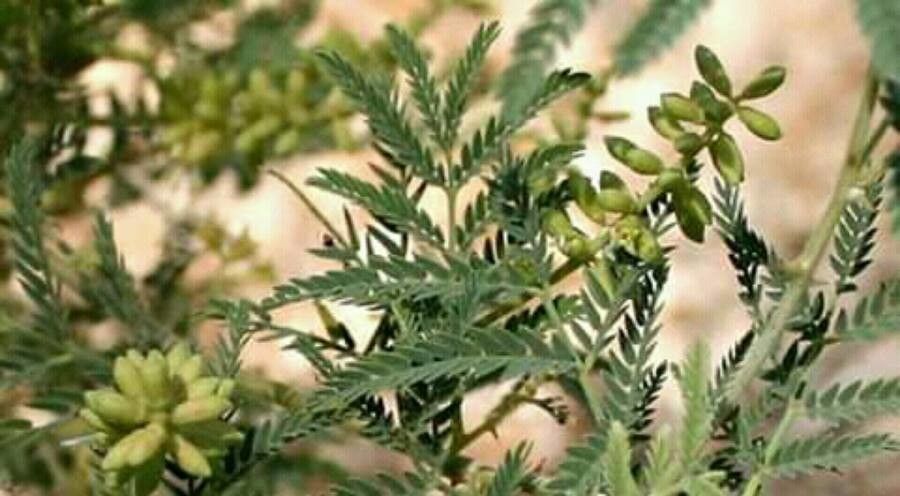
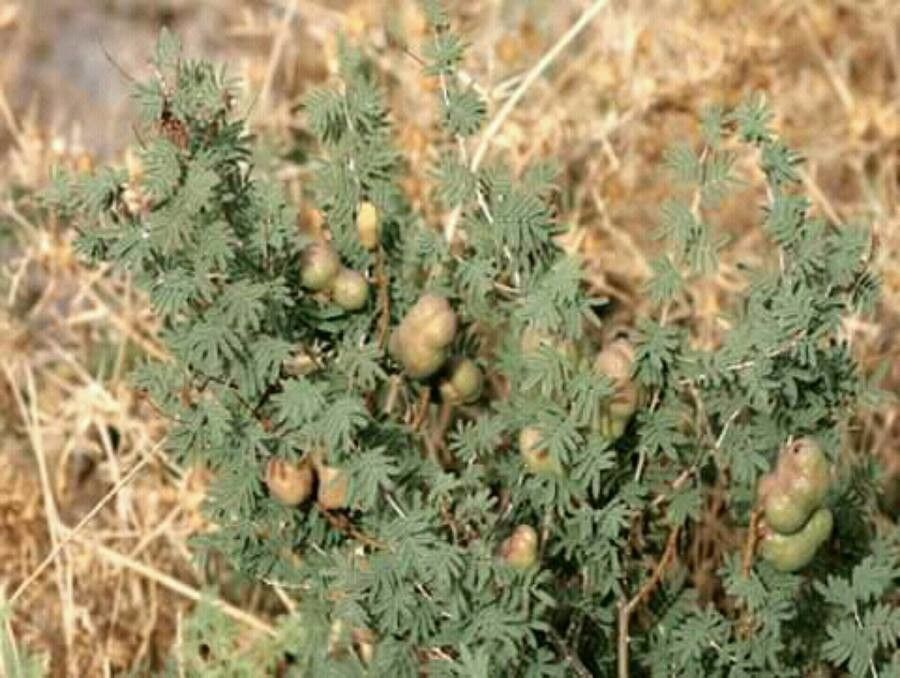
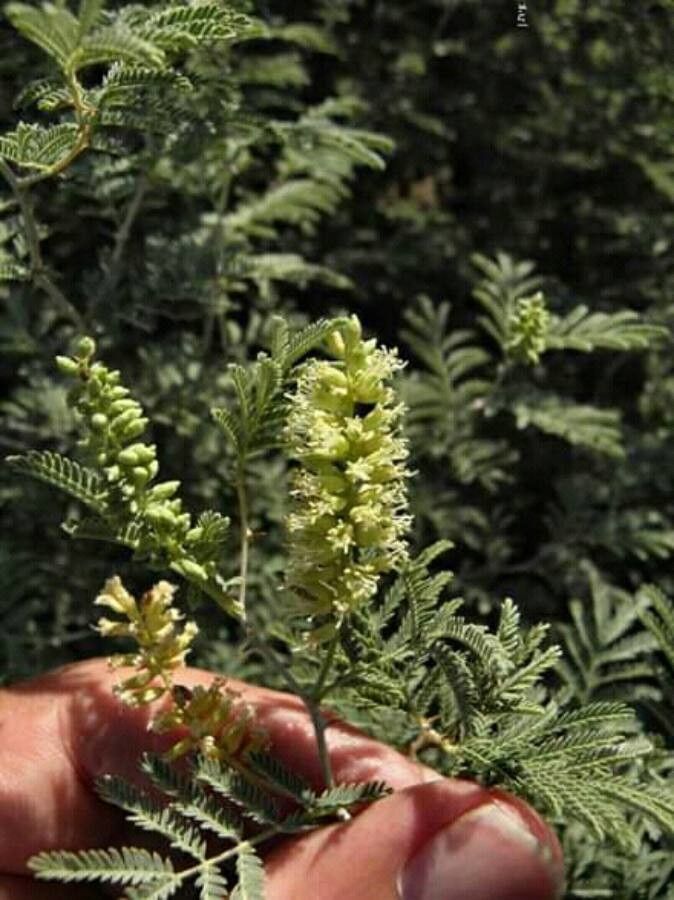
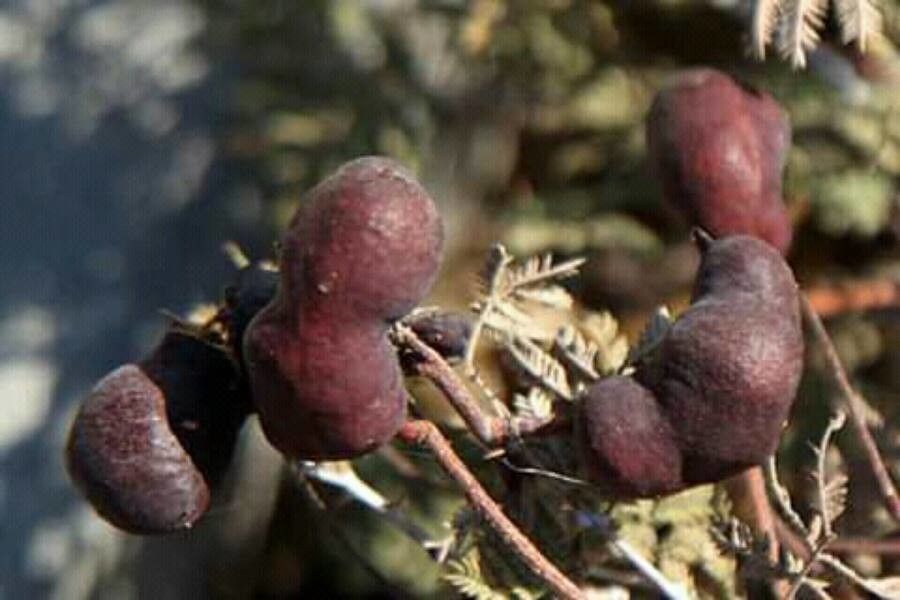
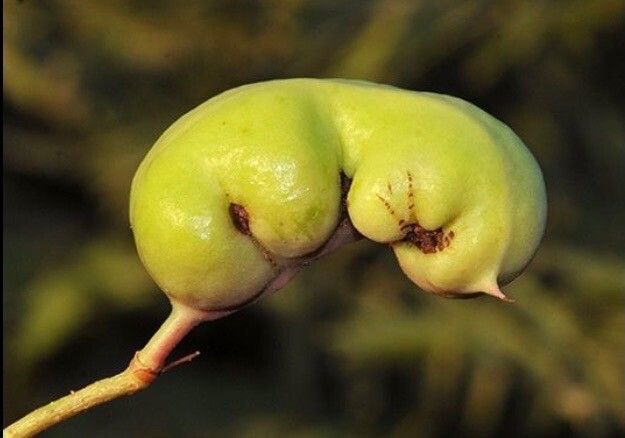
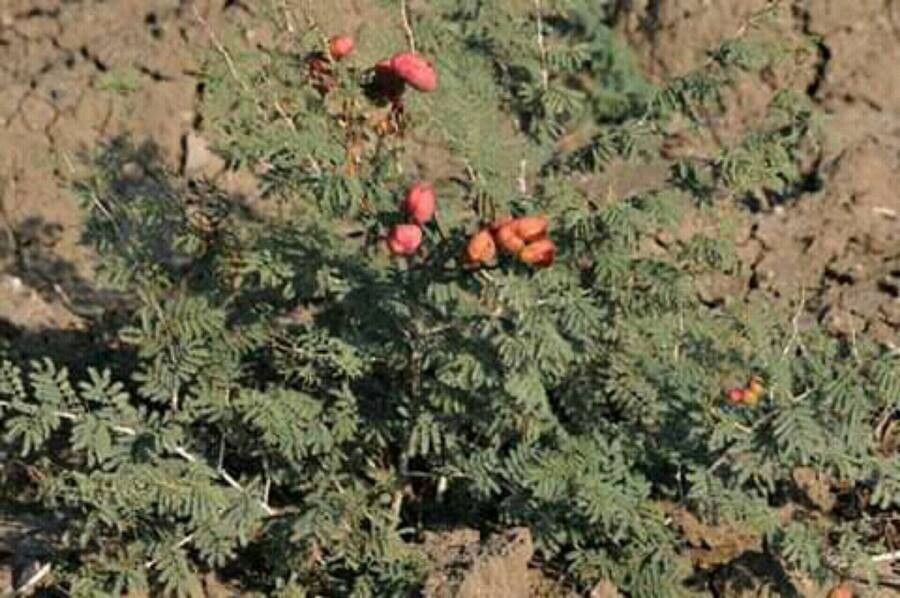
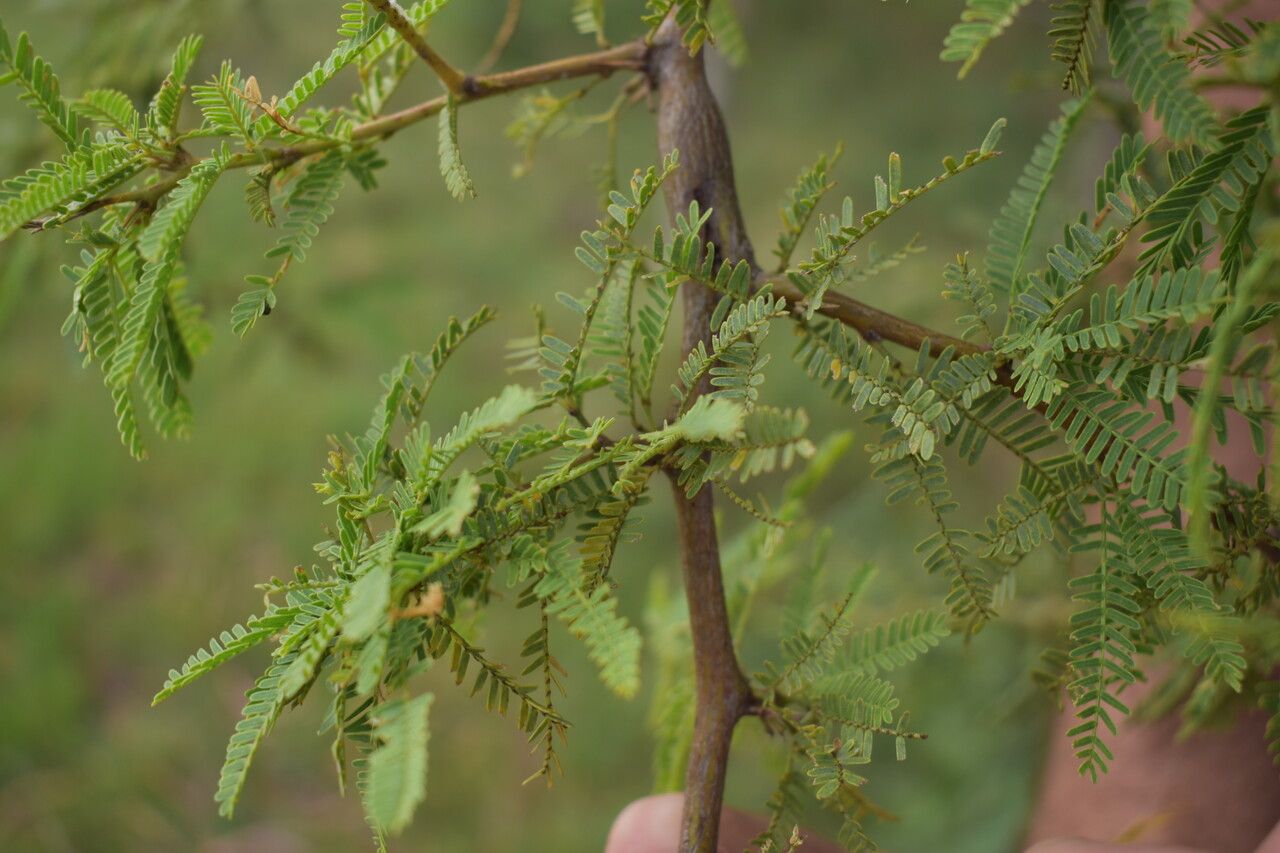
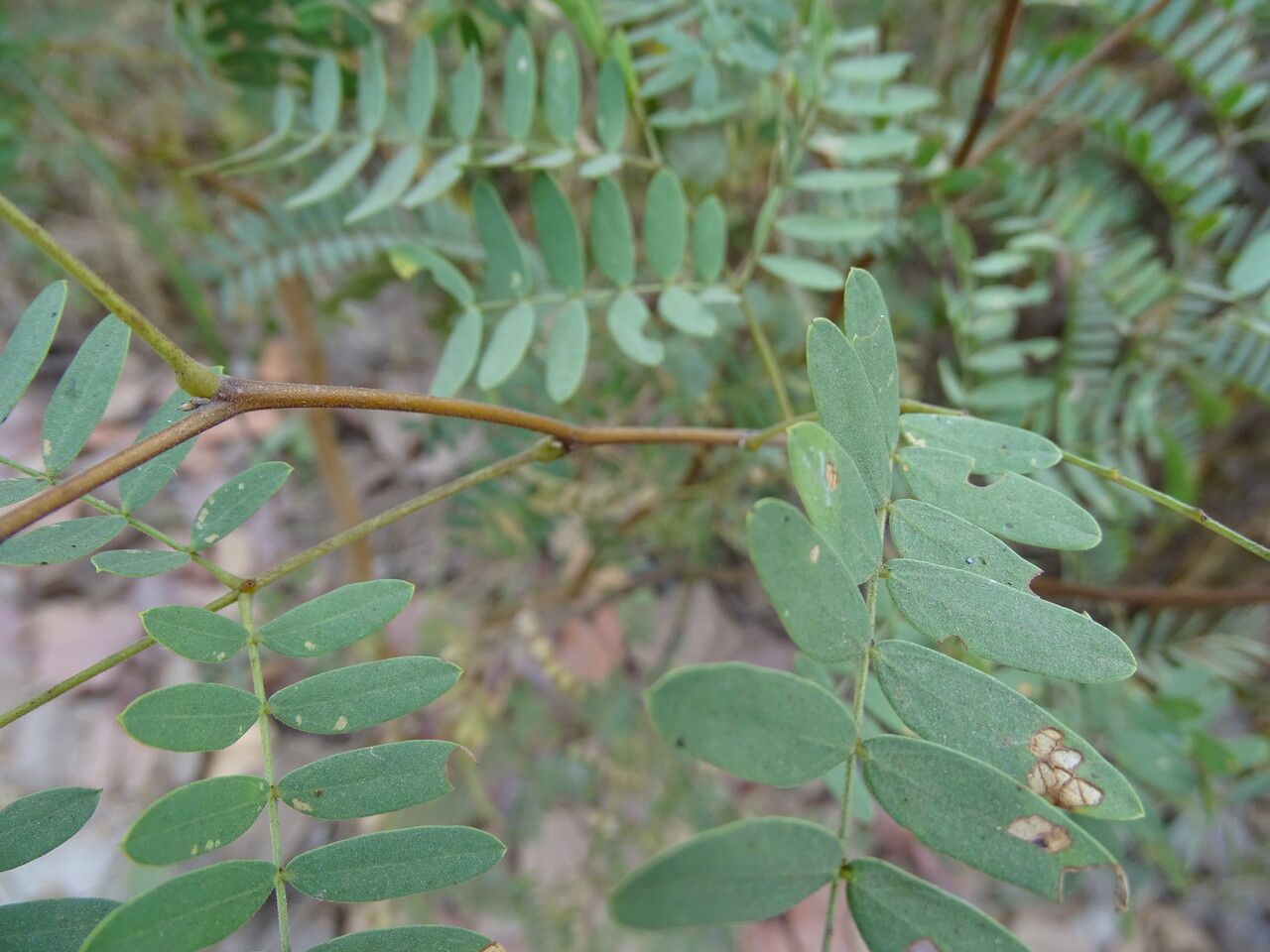
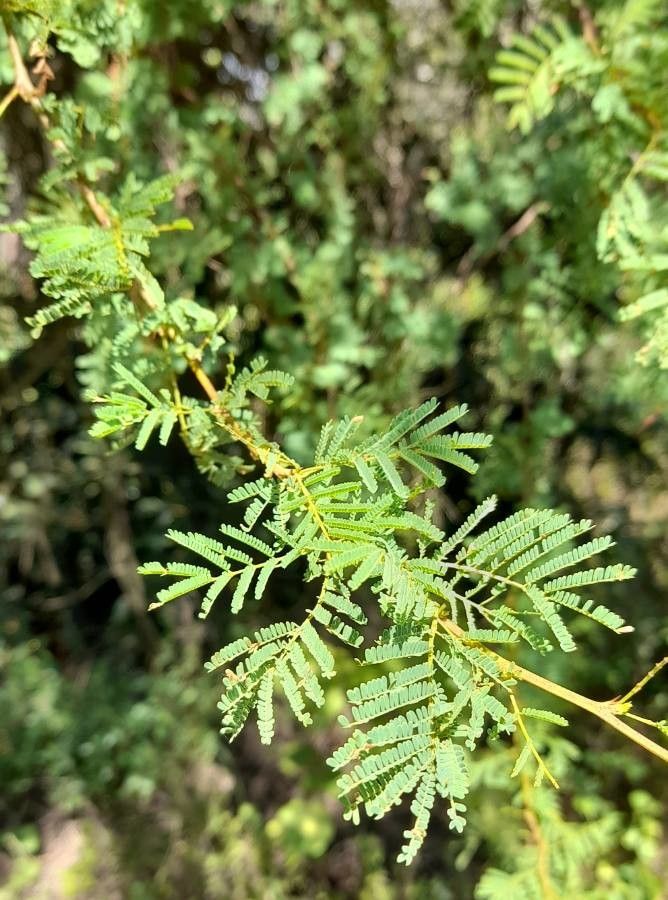
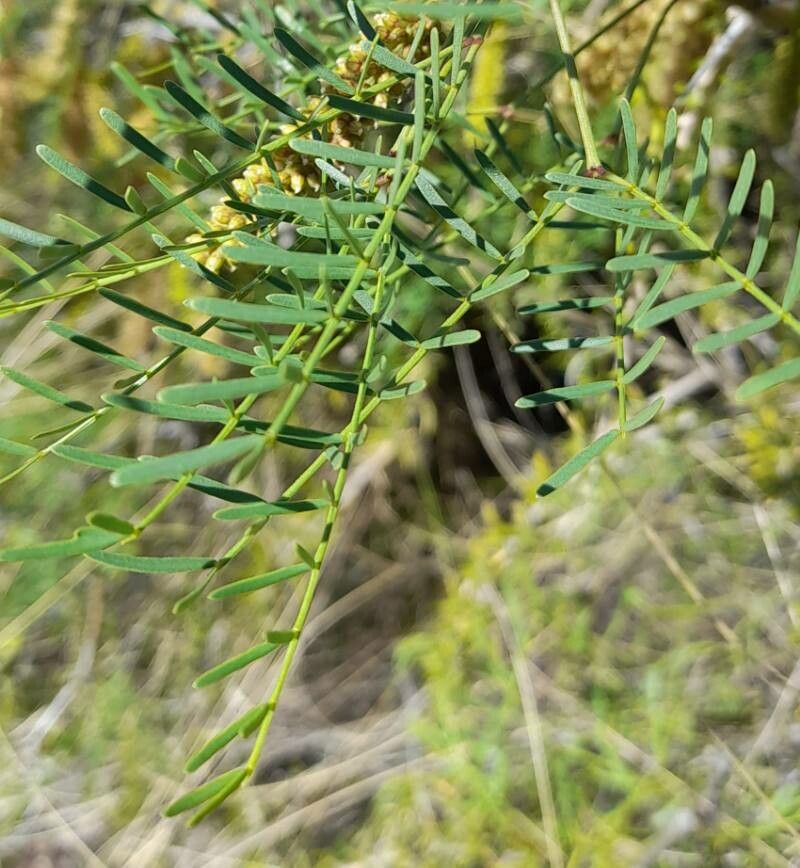
Prosopis farcta, the Syrian mesquite, is a species of the genus Prosopis, growing in and around the Middle East.
Syrian mesquite has strong resistance to diseases and is generally not vulnerable to them. Regarding care, this plant is fairly low-maintenance. Planted outdoors, it needs only minimal watering, and larger specimens typically do not require pruning. Smaller plants, however, should be pruned after they have finished blooming. Syrian mesquite is appropriate for anyone with an outdoor area, such as a garden or a deck, and does not demand extensive care experience.
How to keep Prosopis Farcta.
Light
Syrian mesquite comes from open habitats, such as sunny meadows and forest edges, which provide abundant light. It thrives in Full Sun but can also tolerate Partial Sun, adapting well to a range of sunlight conditions.
Water
Syrian mesquite is well-suited for arid regions, as it can thrive with minimal moisture. This plant demonstrates excellent drought tolerance, thanks to its deep root system. To mimic its natural conditions, it's best to water Syrian mesquite once every 2 to 3 weeks. This schedule supports its natural growth cycle and dormancy period.
Temperature
Syrian mesquite is fairly adaptable to temperature, tolerating high heat and wide temperature fluctuations. In hot conditions, attention should be paid to watering and providing suitable shade to avoid sunburn. Conversely, Syrian mesquite is relatively sensitive to low temperatures; although it can endure a certain amount of cold, excessively cold conditions may cause frost damage.
Fertilizer
Fertilize your Syrian mesquite in early spring to encourage healthy growth. Regular feeding boosts overall health, producing vigorous growth, greater tolerance of harsh conditions, and stronger resistance to pests and diseases. Stick to a specific fertilization schedule for your Syrian mesquite to maintain vibrant, deeply colored foliage and a lush appearance.
Pruning
Syrian mesquite is a drought-tolerant shrub with thorny branches. To promote growth and flowering, prune it between early and late winter. Start by thinning out older stems and removing any suckers or dead wood. Always use clean, sharp tools to make healthy cuts and prevent the spread of disease.
Botanical profile.
- Plant Type
- Tree, Shrub
- Life Cycle
- Perennial
- Genus
- Prosopis
- Family
- Fabaceae
- Hardiness Zone
- 7-11
- Mature Height
- 0.2 m to 3.96 m
- Mature Spread
- 0.91 m to 2.13 m
- Leaf Color
- Green
- Leaf Type
- Evergreen
- Flower Color
- Yellow
- Flower Size
- 10.16 cm
- Bloom Time
- Early summer, Mid summer
- Planting Time
- Summer, Autumn
- Harvest Time
- Late summer, Early fall, Mid fall
- Native Area
- Saudi Arabia, Egypt, Turkey, India, Tajikistan, Tunisia, Cyprus, Pakistan, Yemen, Lebanon, Uzbekistan, Afghanistan, Iraq, Syria, Oman, Iran, Kuwait, Azerbaijan, Algeria, Qatar, Turkmenistan
Other names.
Reader questions.
How should I water my Syrian mesquite tree?
Your Syrian mesquite is not choosy when it comes to watering methods. You can use various common tools such as watering cans, hoses, or even cups to water it. Whatever tool you choose, it's important to water the soil directly and ensure equal moisture for all areas of the root system. Using filtered water is recommended to avoid harmful particles, and it's best to use water at or slightly above room temperature to prevent shocking the plant. However, the Syrian mesquite generally responds well to any water you provide.
What should I do if I give my Syrian mesquite tree too much water or too little water?
Outdoor plants, especially new ones or seedlings, are prone to lack of water. It's important to water them enough for a few months when they are small or newly planted. Once the roots are established, Syrian mesquite trees can rely on rain most of the time. However, when Syrian mesquite is planted in pots, overwatering is more likely. If you accidentally overwater your Syrian mesquite, there are steps to remedy the situation. First, stop watering the plant immediately to minimize the effects. Then, remove the plant from its pot to inspect the roots. If there is no root rot, you can return the plant to its container. If you find root rot, trim away the affected roots and apply a fungicide. Lastly, repot the Syrian mesquite in well-draining soil. On the other hand, if you underwater your Syrian mesquite, the leaves will droop, dry out, and fall off. Water the plant more frequently to fix this issue. Make sure to correct your watering frequency as soon as you notice underwatering.
How often should I water my Syrian mesquite plant?
If you live in an area with natural rainfall, most plants can grow fine without additional watering. However, if your area experiences a lack of rainfall, you should water your plants every 2 weeks in the spring and fall. In the summer, you will need to water more frequently, and in the winter, when growth is slower, you can water less. Sometimes, you may not need to water at all in the winter. For young or newly planted Syrian mesquite plants, watering more frequently will help them establish and grow. For potted plants, there are two main ways to determine watering frequency for Syrian mesquite. The first is to have a predetermined schedule of watering about once every week or every other week. However, this may not always be accurate for the specific conditions of your plant's environment. Another approach is to monitor the soil moisture. It is best to wait until the top two to four inches of soil, or about ⅓ to ½ of the pot's depth, have dried out completely before watering again. This method allows you to adapt the watering frequency based on the season, especially during summer when the plant needs more water.
How much water does my Syrian mesquite tree need?
When watering your Syrian mesquite, you may be surprised to learn that it doesn't always require a lot of water. If only a few inches of soil have dried since the last watering, giving it about five to ten ounces of water each time should promote healthy growth. You can also judge how much water to give based on the moisture level of the soil. Keep track of how many inches of soil have dried out between waterings. To ensure your Syrian mesquite gets enough moisture, water it until all the dry soil layers from the previous watering are moistened. If over half of the soil has dried out, consider giving more water than usual, continuing until you see excess water draining from the pot. If your Syrian mesquite is planted in an area with ample outdoor rainfall, it may not need additional watering. When the plant is young or establishing, aim for 1-2 inches of rain per week. Once it is established and growing, it can rely on rainwater alone, unless the weather is hot and there has been no rainfall for 2-3 weeks, in which case give it a full watering to prevent stress.
How can I know if I'm giving enough water to my Syrian mesquite plant?
The Syrian mesquite is more often affected by overwatering, and there are clear signs to watch out for. When overwatered, the leaves of the mesquite will turn yellow and some may even fall off. Additionally, overwatering can make the plant's structure shrink and potentially lead to root rot. On the other hand, an underwatered Syrian mesquite will also start to droop. Its leaves may become brown and fragile. Regardless of whether you notice signs of overwatering or underwatering, it's important to take action and restore the health of your Syrian mesquite.
How can I give my Syrian mesquite water as it grows?
When the Syrian mesquite is young, especially in its seedling stage, it requires more water compared to when it is fully grown. It is important to keep the soil consistently moist during the early stages to promote root development. This is also applicable if you have transplanted a Syrian mesquite to a new location. Additionally, providing proper care can lead to the development of attractive flowers and fruits. During the flowering or fruiting phase, you may need to increase the amount of water you give to support these plant structures.
How do I make sure my Syrian mesquite gets enough water throughout the whole year?
The watering needs of your Syrian mesquite will vary with the seasons. In the summer, when it's hot and receives ample sunlight, you will likely need to water it more frequently to prevent the soil from drying out quickly. However, during the winter, when it's not actively growing, it will require less water. You can water it once every 2 to 3 weeks or even less frequently. If you are growing it indoors, be cautious of appliances like air conditioners, as they can dry out the plant faster, necessitating more frequent watering.
How does watering my Syrian mesquite plant inside compare to watering it outside?
Your Syrian mesquite may not need extra watering when grown outdoors and can survive on rainwater alone. However, if you live in an area with little to no rain, you should water it approximately every two weeks. If you live outside of this plant's natural hardiness zone, it's best to grow it indoors. When grown indoors, keep an eye on the soil moisture as it can dry out faster in containers or when exposed to HVAC units like air conditioners. These drying factors may require more frequent watering compared to outdoor growth.