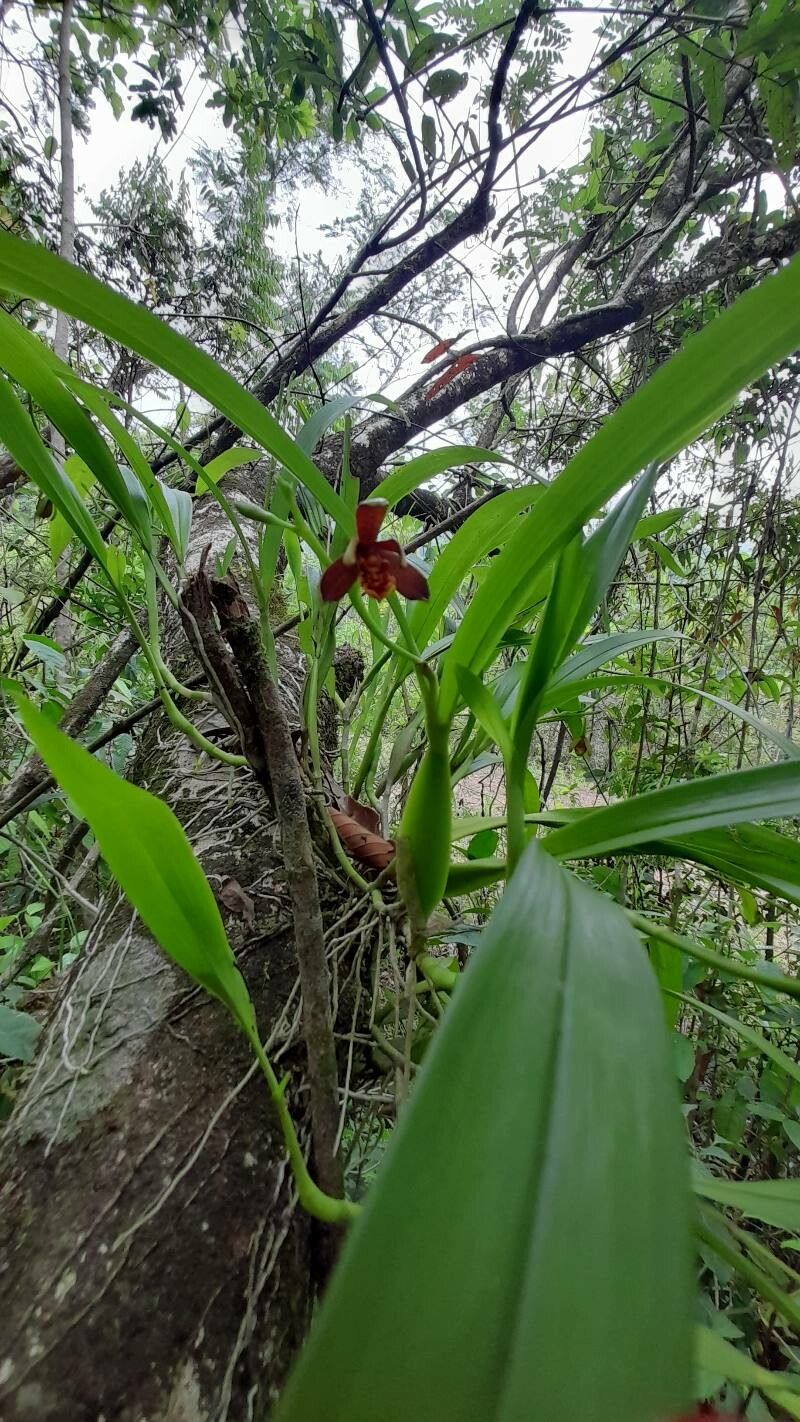
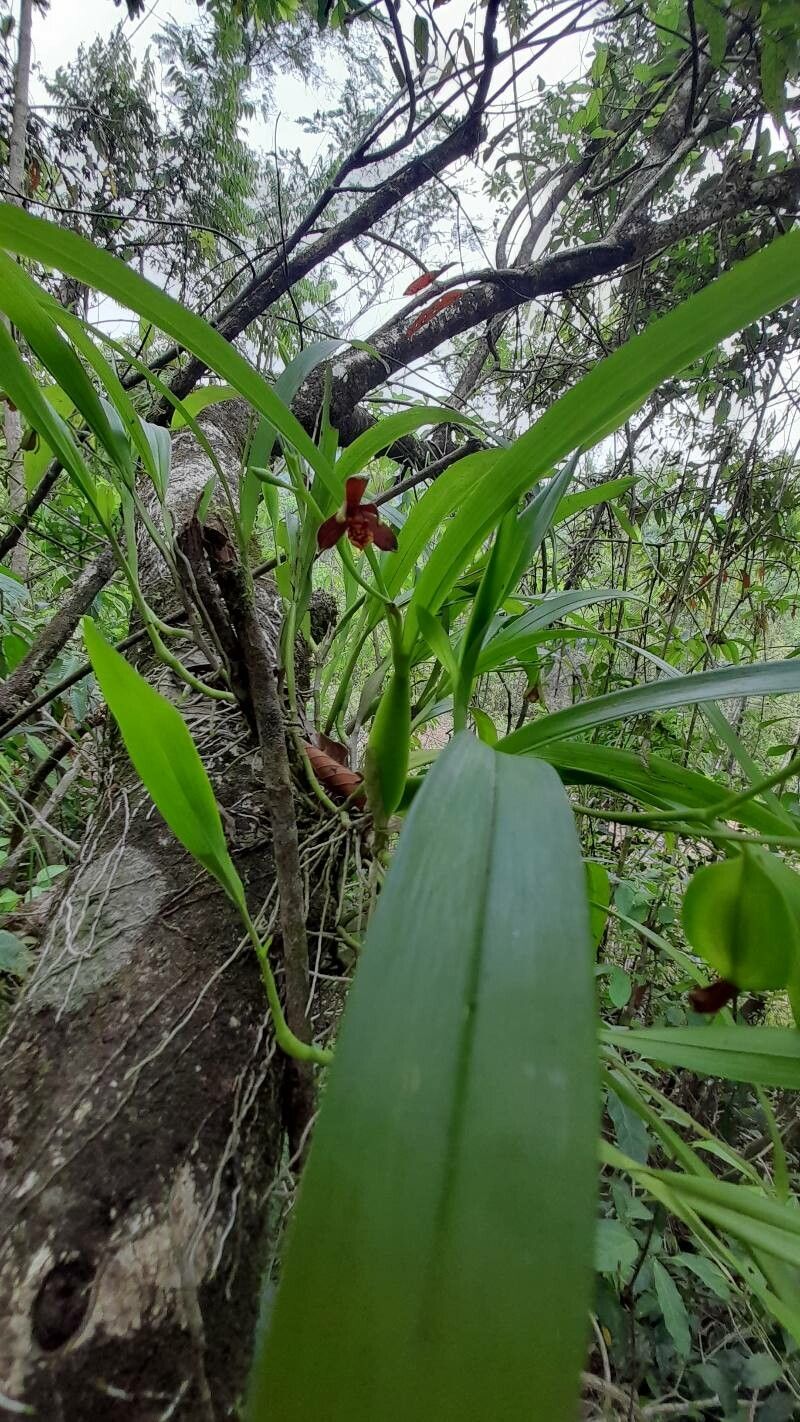
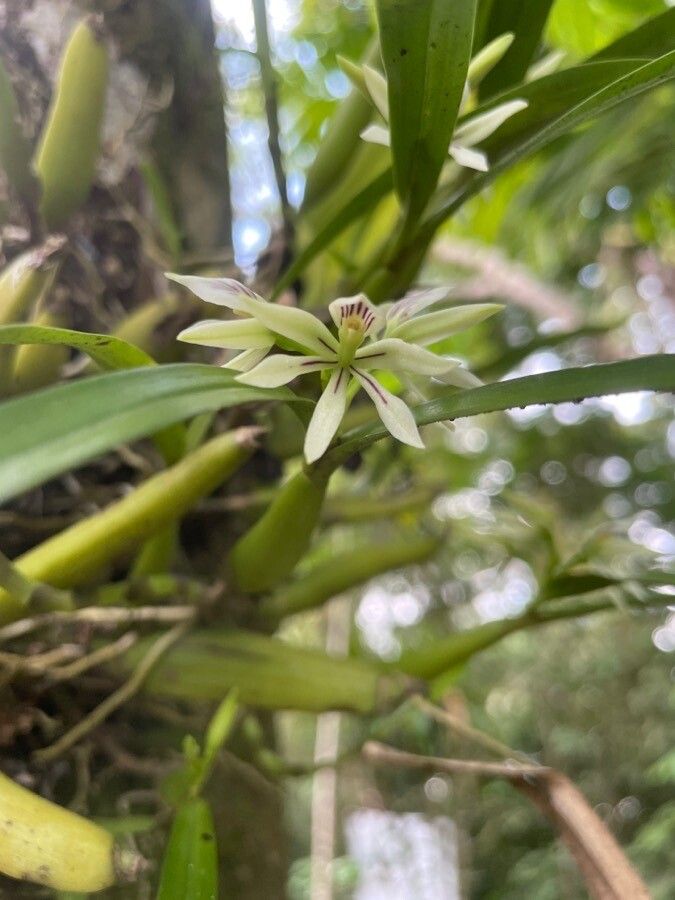
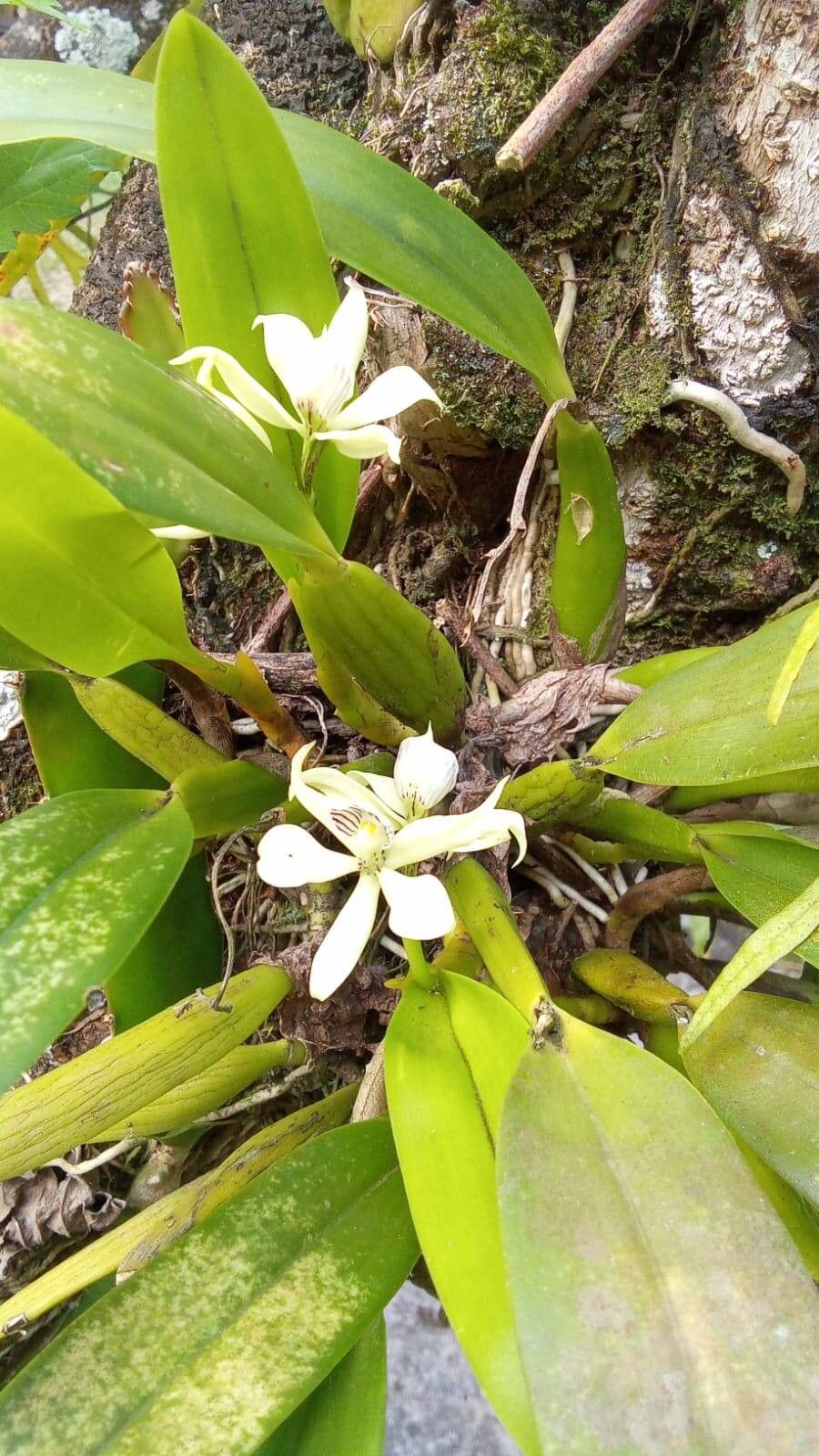
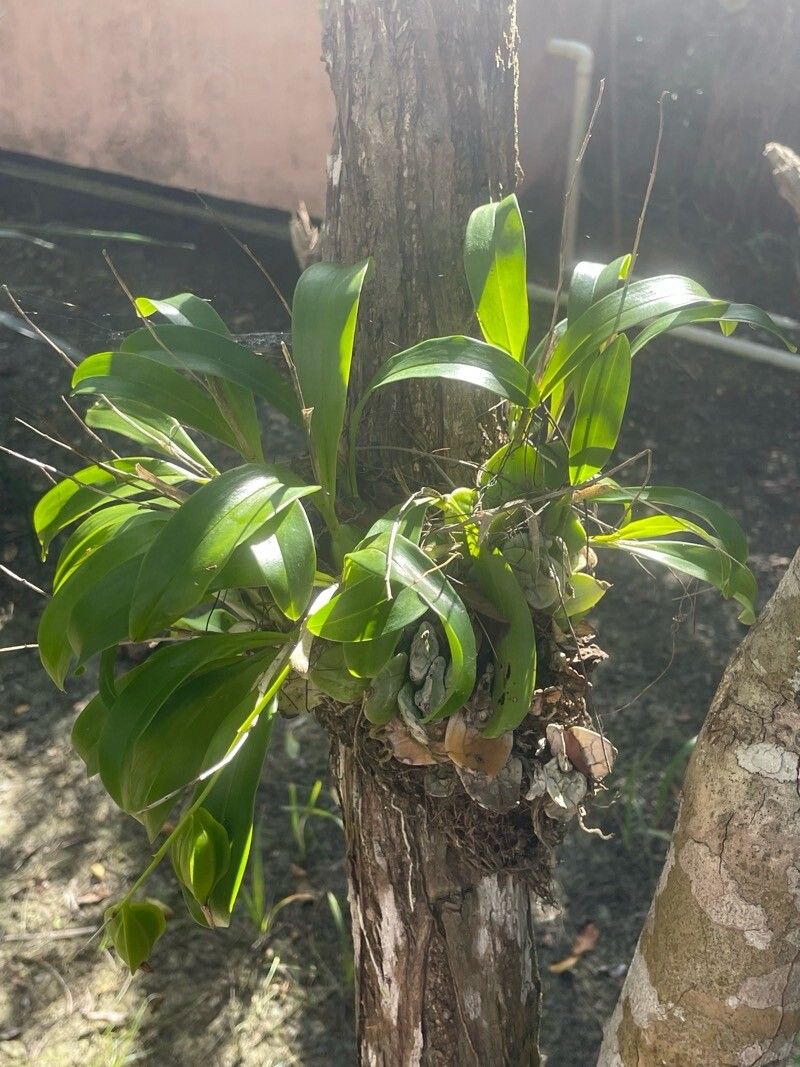
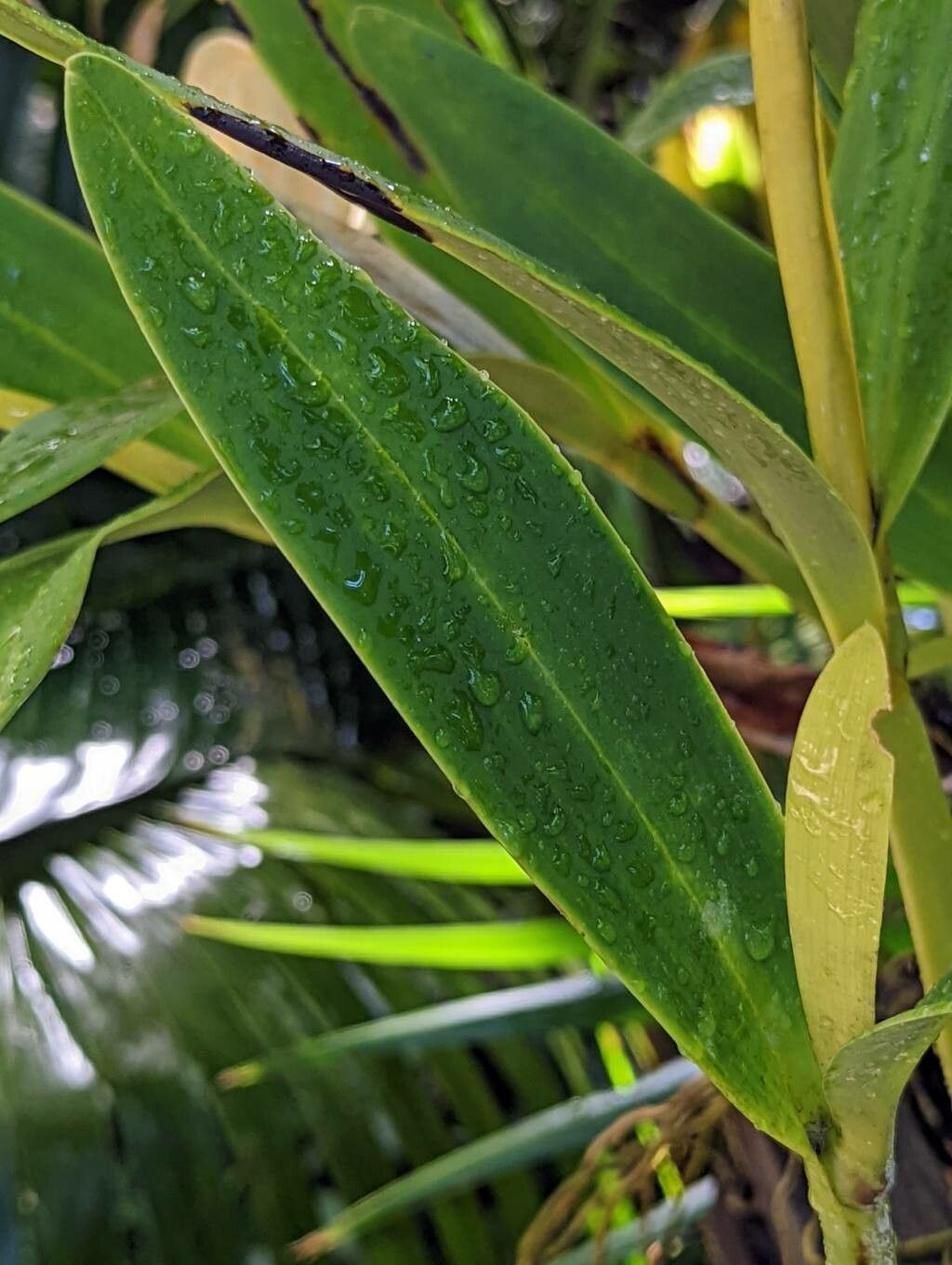
Prosthechea livida typically shows strong disease resistance and is prone to relatively few insect pests. Its care is considered difficult because it needs high humidity together with good ventilation and an environment low in harmful pathogens. Too much watering can cause root rot. Although anyone can grow Prosthechea livida, keeping it healthy and inducing it to flower again requires greater growing experience.
How to keep Prosthechea Livida.
Light
Prosthechea livida occurs naturally in habitats such as forest understories or rocky areas, where it grows in natural shade. It prefers partial sun but can adapt to full sun or full shade, showing its versatile and hardy nature.
Water
Prosthechea livida thrives with proper moisture levels but can tolerate short periods of drought. To ensure adequate hydration, water the plant once a week during the summer and every 10 days in the fall and winter. This schedule will help maintain the right level of moisture in the substrate. Additionally, mist the plant regularly to keep the humidity high. For best results, use neutral pH water. You can achieve this by letting the water sit for some time, allowing dissolved substances to dissipate.
Temperature
Prosthechea livida prefers warm conditions. It grows best at moderately high temperatures, but not in excessively hot, humid situations. Sunlight helps warm the plant and encourages flowering. However, prolonged direct sun in summer can cause sunburn, so the amount of light it receives should be managed during that season. The plant generally handles cold poorly and therefore needs adequate protection and warmer conditions in winter to avoid freezing.
Fertilizer
Appropriate fertilization is essential for Prosthechea livida’s health and appearance. Feed Prosthechea livida in summer, repeating the feeding monthly throughout the season. Nutrients fuel growth and support the plant’s parts. Fertilizing improves Prosthechea livida’s floral display, helping it produce the best blooms.
Pruning
To ensure the health and vibrant flowering of Prosthechea livida, it’s important to prune it regularly. The best time to do this is in early spring. Begin by removing any dead stems and thinning out crowded areas to improve air circulation. This practice not only boosts blooming but also helps prevent diseases and strengthens the plant's structure.
Pot & Repot
When you repot Prosthechea livida, select a slightly larger pot with good drainage, ideally a clear orchid pot. Use an orchid-specific, well-draining mix that includes bark or moss. Carefully clean the roots and cut away any that are dead or rotting. Repot after flowering, typically in spring or fall, water thoroughly, and set the plant in bright, indirect light. Once repotted, avoid disturbing the roots.
Botanical profile.
- Plant Type
- Herb
- Life Cycle
- Perennial
- Genus
- Prosthechea
- Family
- Orchidaceae
- Hardiness Zone
- 10-12
- Mature Height
- 30 cm to 49 cm
- Mature Spread
- 20 cm to 30 cm
- Leaf Color
- Dark Green
- Leaf Type
- Evergreen
- Flower Size
- 2.03 cm to 3.05 cm
- Bloom Time
- Late spring, Summer
- Planting Time
- Spring, Summer, Autumn
- Harvest Time
- Fall, Early winter
- Native Area
- Colombia, Belize, Honduras, Mexico, Guatemala, Venezuela, El Salvador, Nicaragua, Ecuador, Costa Rica, Panama