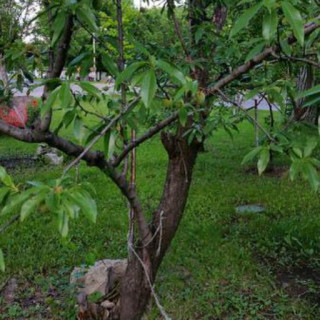
Prunus amygdalus
Sweet almond · Almond
Description
Source: wikipedia (CC BY-SA)The almond is a species of tree from the genus Prunus. Along with the peach, it is classified in the subgenus Amygdalus, distinguished from the other subgenera by corrugations on the woody shell (endocarp) surrounding the seed.
🌳 Although almonds are widely recognized for their edible seeds, their shells have attracted interest as a possible biofuel source. The shells' toughness, once processed, can be converted into a form of renewable energy, offering a sustainable option for power generation and heating while also helping to use by-products of the almond industry.
🎭 Expectation, Assurance, Thoughtfulness, Lovers' Charm
Care Guide
💧 Water
☀️ Light Full sun
Almond grows best in a setting that gets plenty of daylight. This greatly improves its overall growth and health. In its natural habitat, the plant evolved to tolerate continuous exposure to sunlight. Both excessive and insufficient light can hinder its healthy growth.
🌡️ Temperature 10–32.2°C
Almonds originate from temperate climates and prefer a temperature range of 50 to 89.6 °F (10 to 32 ℃). In colder seasons, it would be beneficial to adjust the environment to match these conditions for optimal growth.
💨 Humidity normal (40-60%)
This plant will thrive in moderate humidity, which is probably the level in your home. However, misting it a few times a week can be very beneficial. Make sure the room has good ventilation.
🪴 Soil 6-7
🌱 Fertilizer
The almond plant needs adequate nutrients for optimal fruit production. Apply fertilizer in early spring to encourage new growth and bloom development. Regular fertilization keeps the plant healthy, results in more delicious fruit, and prevents nutrient-deficiency problems like yellow leaves and poor fruit production.
🪴 Pot & Repot
✂️ Pruning
🌿 Propagating
🐛 Diseases & pets
☠️ Toxicity
Characteristics
- Plant Type
- Tree
- Life Cycle
- Perennial
- Genus
- Prunus
- Family
- Rosaceae
- Hardiness Zone
- 6-8
- Mature Height
- 4.88 m to 7.92 m
- Mature Spread
- 4.88 m
- Leaf Color
- Green, Yellow
- Leaf Type
- Deciduous
- Flower Color
- White, Pink
- Flower Size
- 3.05 cm to 5.08 cm
- Bloom Time
- Early spring, Mid spring
- Planting Time
- Spring, Autumn
- Harvest Time
- Mid summer
- Native Area
- Uzbekistan, Nepal, Tajikistan, Syria, Turkey, Kyrgyzstan, Kazakhstan, Iraq, India, Bhutan, Iran, Pakistan, Turkmenistan, Lebanon