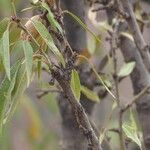
Prunus dulcis
بادام · چغله بادام(بادام نرسیده) · Almond · Sweet almond · Almendro
Description
Source: leafsnapPrunus dulcis, commonly known as the almond tree, is a deciduous tree belonging to the Rosaceae family. Native to the Middle East and Central Asia, it is now widely cultivated in regions like California and Spain. The almond tree can grow up to 10 meters tall, with a trunk diameter reaching up to 30 centimeters. The leaves of Prunus dulcis are lanceolate or oval-shaped with serrated edges. They are green and can grow up to 12 centimeters long. The tree produces pink or white flowers with five petals, which are arranged in clusters. The fruit of Prunus dulcis is a drupe containing an edible seed commonly known as an almond nut. Almonds have been cultivated for thousands of years for their nutritional value, as they are rich in protein, healthy fats, fiber, vitamins B2 and E, magnesium, phosphorus, and potassium. Prunus dulcis thrives in well-drained soil with moderate moisture levels but can tolerate drought conditions once established. It prefers full sun exposure but can also grow in partial shade. In addition to its nutritional benefits as a food source for both humans and animals (such as squirrels), Prunus dulcis is also valued for its ornamental appeal. Its attractive flowers during springtime make it a popular choice among gardeners who seek both beauty and functionality in their plants.
💡 Almonds are a popular staple both in the United States and around the world. Whether eaten raw or toasted, they enhance the flavor and texture of a wide range of foods. Almond trees start producing nuts at around three years of age. They reach full maturity at five or six years old, at which point they yield full crops that can be harvested in August.
🌳 Although almonds are widely recognized for their edible seeds, their shells have attracted interest as a possible biofuel source. The shells' toughness, once processed, can be converted into a form of renewable energy, offering a sustainable option for power generation and heating while also helping to use by-products of the almond industry.
🎭 Expectation, Assurance, Thoughtfulness, Lovers' Charm
Care Guide
💧 Water Every 7 days
The almond tree thrives in moderate moisture conditions and can tolerate drought, requiring watering approximately every two weeks. This deciduous plant sheds its leaves seasonally to conserve water. It is well adapted to its Mediterranean origins and can survive in various climates.
How should I water my Almond tree to keep it healthy?
To ensure excellent root development, it is recommended to place a garden hose at the base of the plant. It is important to avoid directly spraying the leaves, especially if they are exposed to direct sunlight outdoors, as they may require more water. Using bubblers or soaker hoses for each plant can help moisten the roots effectively. When adding or removing plants, using soaker hoses that cover the entire garden or bed can help push the roots deeper. After watering, make sure to drain any excess water and allow the soil to dry before watering again. To prevent diseases, it is best to water at ground level rather than spraying the leaves. On a sunny day, it may be beneficial to spray the entire bush with water. Whether the almond is in a pot or planted in the ground, it is important to remember that deep watering is preferred over light sprinkling.
What should I do if I give Almond too much or too little water?
An overwatered Almond can exhibit several signs of distress, such as yellowing, wilting, and leaf drop. The plant may also appear unhealthy with mushy stems. When these signs are observed, it is advisable to adjust watering schedule accordingly. Conversely, if the plant is showing signs of wilting, it could indicate under watering, characterized by crispy and dry leaves. In such cases, it is important to check the soil moisture and provide thorough watering when dry. Although sufficient water will aid in the Almond's recovery, it may still exhibit dryness and yellowing due to root damage. Once the plant regains its normal condition, the yellowing of leaves will cease. When growing Almond indoors, it is crucial to regularly check moisture levels and avoid overwatering, watching out for black spots as potential indicators. If these spots are present, allowing the soil in the pot to dry out for a few days is recommended. Overwatering increases the risk of root rot, which can be addressed by transferring the plant to a different pot, particularly if discolored and slimy roots are present. Preventing root rot and avoiding excessively soggy soil are key practices. When planting Almond outdoors, ensure the soil is adequately moist, checking with your fingers to determine if it is too dry, which would indicate under watering. In such cases, providing sufficient water is necessary for the plant's recovery.
How often should I give water to my Almond plant?
Almonds prefer deep and infrequent watering, especially if they are planted in pots. Since the soil in pots dries out faster, it is important to soak them with a gallon of water each time. In cold regions, watering is needed every 3 to 5 days. It is best to water in the morning when the soil is dry, whether you have the plant indoors or outdoors. You can check if watering is necessary by feeling the soil. When the top 2-3 inches of soil is dry, it's time for a full watering. On hot days, check the moisture daily as high temperatures can quickly dry out the soil. For garden plants, irrigation is also necessary. In hot climates, watering once a week is recommended. If about 2 to 3 inches of soil becomes too dry, it's time to water, whether the plants are indoors or outdoors. However, avoid adding water if there has been a lot of rainfall to prevent root rot. Almond trees typically grow in spring and fall. Outdoors, applying a layer of mulch about 3 to 4 inches deep can help conserve water. If your soil is sandy, plants will need more frequent watering as it tends to drain quickly. On the other hand, with clay soil, water less frequently to allow the plant to dry out for 2-3 days and prevent root rot. You can mark the watering dates on your calendar and pay attention to the leaves drooping, as this could be a sign that watering is needed.
How much water does my Almond tree need?
The Almond plant generally requires a gallon of water on a regular basis. For potted Almond plants, it's best to water them deeply until you see water dripping from the bottom of the pot. Then, wait for the soil to dry completely before watering again. To determine the amount of water your plant receives in a week, you can use a water calculator or a moisture meter. During the flowering period, provide plenty of water, but allow the moisture to evaporate afterwards to prevent root rot. If the Almond plant is planted outdoors and receives sufficient rainfall, it may not need additional watering. When the plant is young or newly planted, ensure it gets 1-2 inches of rain per week. As the Almond plant grows, it can rely solely on rainfall. However, during extremely hot weather or extended periods without rain, consider giving the plant a thorough watering during cooler parts of the day to avoid heat damage. Additional watering may be necessary during prolonged dry spells.
Do I need to change how often I water my Almond tree based on the time of year or the weather?
The Almond tree needs outdoor rainfall, but only needs to be watered during persistent dry weather. During the spring and fall, the soil should be kept moist but not soggy, alternating between dry and moist conditions. In the summer, hot weather can cause water to evaporate quickly, so more frequent watering may be necessary. During the winter, less water is generally needed as the tree goes dormant. Good drainage is important, especially in pots. Deep soaking once or twice a week is recommended, avoiding shallow sprinkles that reach the leaves. The tree should not be allowed to dry out completely in the fall or winter. Overwatering should be avoided, as sitting in water for too long can be harmful. Applying mulch can help reduce stress, conserve water, and promote healthy growth.
☀️ Light Full sun
Almond grows best in a setting that gets plenty of daylight. This greatly improves its overall growth and health. In its natural habitat, the plant evolved to tolerate continuous exposure to sunlight. Both excessive and insufficient light can hinder its healthy growth.
What are the sunlight requirements for Almond plants?
Almond plants require full sun, meaning they thrive best with more than 6 hours of direct sunlight per day. However, they can also tolerate partial sun conditions, which is about 3-6 hours of sunlight daily. Monitoring the sunlight as it moves through your garden can help in choosing spots that provide the right balance of light and shade, ensuring the plants' wellbeing.
How does sunlight affect the growth and health of Almond plants?
Sunlight plays a crucial role in the growth and health of Almond plants. These plants have evolved to tolerate continuous exposure to sunlight, which significantly enhances their overall growth and wellbeing. Both excessive and insufficient light exposure can negatively impact their growth process, making it essential to ensure they receive ample daylight exposure.
What are the recommendations for artificial lighting for indoor Almond plants?
For indoor Almond plants with inadequate natural sunlight, especially during winter or in less sunny spaces, artificial lighting is recommended to promote optimal growth. LED lights are preferred for their ability to provide specific wavelengths needed by plants. Full sun plants require 30-50W/sq ft, partial sun plants need 20-30W/sq ft, and full shade plants should have 10-20W/sq ft of artificial light. The light source should be placed 12-36 inches above the plant to mimic natural sunlight, and most plants benefit from 8-12 hours of artificial light per day.
What are the typical symptoms of light deficiency in Almond plants?
Almond plants may show several symptoms when they are not receiving enough light. These include smaller new leaves, leggy or sparse growth, faster leaf drop, slower or no new growth, and lighter-colored new leaves. These symptoms indicate that the plant is not receiving optimal light conditions for its growth.
How do excessive sunlight and heat affect Almond plants?
Excessive sunlight and heat can lead to a range of issues for Almond plants, including chlorosis (where leaves turn yellow and lose their green color due to the breakdown of chlorophyll), sunscald (damage to leaves or stems from intense sunlight exposure), leaf curling (a defense mechanism against too much sunlight), wilting (loss of turgor pressure causing drooping), and leaf scorching (brown, dry edges on leaves). These conditions negatively affect the plant's ability to photosynthesize and maintain overall health.
🌡️ Temperature 10–32.2°C
Almonds originate from temperate climates and prefer a temperature range of 50 to 89.6 °F (10 to 32 ℃). In colder seasons, it would be beneficial to adjust the environment to match these conditions for optimal growth.
What is the ideal temperature range for growing almonds?
Almonds originate from temperate climates and prefer a temperature range of 50 to 89.6°F (10 to 32°C). For optimal growth, it is beneficial to adjust the environment to match these conditions, especially in colder seasons. Although almonds have strong cold resistance and usually don’t require special frost protection measures during winter, they thrive best when the temperature is kept above 10°C. During winter, it's important to ensure the temperature stays above -15°C to avoid damage.
How should almonds be protected during extreme cold conditions?
If winter temperatures are expected to drop below -25°C, providing cold protection for almond trees is crucial. This can be achieved by wrapping the trunk and branches with materials such as non-woven fabric or cloth. Additionally, before the first freeze in autumn, it is recommended to water the plant abundantly, ensuring the soil remains moist and enters a frozen state. This helps in preventing drought and water scarcity for the plant during winter and early spring. When the temperature falls below -25°C without proper protection, the branches may become brittle and dry by spring, and no new shoots will emerge. In such cases, pruning away any dead branches that have failed to produce new leaves in spring is advisable.
How should almonds be cared for during high temperatures?
During summer, it's important to ensure that almond trees are kept below 32°C. Temperatures exceeding 35°C can lead to lighter colored leaves, dry and withered tips, and increased susceptibility to sunburn. To mitigate these issues, sunburned and dried-up parts should be trimmed away. Moving the plant to a location that provides shade from the midday and afternoon sun or using a shade cloth can offer necessary protection. Additionally, watering the plant in the morning and evening helps keep the soil moist, further protecting the plant from heat stress.
💨 Humidity
🪴 Soil 6-7
🌱 Fertilizer
The almond plant needs adequate nutrients for optimal fruit production. Apply fertilizer in early spring to encourage new growth and bloom development. Regular fertilization keeps the plant healthy, results in more delicious fruit, and prevents nutrient-deficiency problems like yellow leaves and poor fruit production.
Why is it necessary to put fertilizer on my Almond plant?
Fertilizing your Almond is essential for multiple reasons. One of the main benefits is that it promotes beautiful blooms. To guarantee excellent flowers in spring, the best time to fertilize is early spring. Additionally, fertilizer provides your Almond with energy that it can store in the soil during dormant growth periods. By giving your Almond extra nutrients in the fall or late spring, you help it accumulate more energy for when active growth resumes.
When should I fertilize my almond tree?
To properly fertilize Almond trees, timing is crucial. Applying fertilizer too early, while the trees are still dormant, is ineffective as it will get washed away by rainwater, leading to waste and pollution. It is recommended to start applying the first dose of fertilizer in the early spring and continue with monthly applications until early summer.
When is it best to not put fertilizer on my Almond tree?
To ensure healthy growth and blooming, it is important to be mindful of the nitrogen levels in the fertilizer for Almond. Higher nitrogen content can result in more leaves but fewer blooms. Therefore, opt for a fertilizer that has a lower nitrogen level compared to other nutrients. It is crucial not to fertilize Almond after the early autumn, as this can lead to excessive growth right before winter. Additionally, avoid fertilizing Almond during hot and dry periods as dry soil does not effectively deliver fertilizer and can stimulate growth that requires additional water, which may not be available. It is advisable to apply fertilizer earlier in the season when temperatures are cooler. Lastly, keep in mind that Almond can absorb fertilizer from nearby plants or lawns, so be careful not to inadvertently give the tree or shrub a double-dose of fertilizer.
What kind of plant food does my Almond tree need?
To optimize the growth of your Almond tree, it is recommended to use a fertilizer that contains a balanced mix of the three main plant nutrients, with slightly higher levels of phosphorus. Another option is to improve the soil by adding organic materials like compost, worm castings, and manure. Some experienced gardeners may choose to supplement with water-soluble fertilizers that contain phosphorus a couple of times when the flower buds start to appear. This can enhance flower development, leading to larger and longer-lasting blooms. Fertilizers can come in various forms, but liquid or powdered fertilizers are considered the best for Almond trees. Regardless of the form you choose, it's important to dilute the fertilizer and apply it while watering your Almond tree.
How do I make my Almond tree grow better?
To ensure proper fertilization for your Almond tree, it's important to follow the directions for the specific type of fertilizer you're using and conduct some research. Avoid over-fertilizing, as it can harm the tree. To determine the right amount of fertilizer, you can use the age of the tree (if known) or the diameter of the trunk as a guideline. Typically, it's recommended to use around one-tenth of a pound of fertilizer per year or per inch of trunk, with a maximum of one pound. Granular fertilizers or organic options like blood meal are applied by sprinkling them around the base of the tree, extending to the drip line. However, make sure the fertilizer doesn't come into contact with the trunk. Over time, the granules break down and mix into the soil, where the roots can absorb them. Once you've fertilized, remember to spread a one-inch layer of compost around the base of the tree and thoroughly water it.
🪴 Pot & Repot Every 12 months
✂️ Pruning
The almond tree is a deciduous plant appreciated for its nutrient-rich nuts and beautiful flowers. Key pruning practices include removing dead branches, thinning the canopy to improve air circulation, and shaping the tree for balance. This is ideally done in early spring. Proper pruning enhances fruit production and improves the tree's health. Additionally, using clean, sharp tools helps promote healing.
🌿 Propagating
🐛 Diseases & pets
☠️ Toxicity
Characteristics
- Plant Type
- Tree
- Life Cycle
- Perennial
- Genus
- Prunus
- Family
- Rosaceae
- Hardiness Zone
- 6-8
- Mature Height
- 4.88 m to 7.92 m
- Mature Spread
- 4.88 m
- Leaf Color
- Green, Yellow
- Leaf Type
- Deciduous
- Flower Color
- White, Pink
- Flower Size
- 3.05 cm to 5.08 cm
- Bloom Time
- Early spring, Mid spring
- Planting Time
- Spring, Autumn
- Harvest Time
- Mid summer
- Native Area
- Uzbekistan, Nepal, Tajikistan, Syria, Turkey, Kyrgyzstan, Kazakhstan, Iraq, India, Bhutan, Iran, Pakistan, Turkmenistan, Lebanon