Prunus ilicifolia
Hollyleaf cherry · Holly-leaved cherry
Description
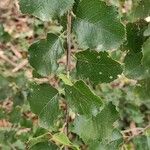
Source: leafsnapPrunus ilicifolia, commonly known as the hollyleaf cherry, is a species of evergreen shrub or small tree native to the western United States. Belonging to the Rosaceae family, it can grow up to 20 feet tall. The plant features glossy, dark green leaves with spiny edges that resemble holly leaves. In the spring, it produces small white flowers, which are followed by red or black cherries in the summer. The hollyleaf cherry is a popular ornamental plant, prized for its attractive foliage and colorful berries. It can be cultivated as a hedge or used as an accent plant in gardens and landscapes. Although the fruit is edible, it has a bitter taste, making it less appealing for consumption. Beyond its ornamental value, Prunus ilicifolia also possesses medicinal properties. Native Americans utilized various parts of the plant to treat ailments such as colds, coughs, sore throats, and stomach issues. Overall, Prunus ilicifolia is an appealing evergreen shrub that offers both aesthetic and medicinal benefits, making it a valuable addition to any garden or landscape design project.
🌳 Hollyleaf cherry is appreciated not just for its ornamental and edible attributes but also may have uses in less traditional areas. For example, its durable wood could be turned into furniture or tools, and its leaves and fruits could be investigated as sources of natural dyes or pigments. Its dense foliage offers the potential for use in biomass energy production. Additionally, because it serves as a host plant for certain butterfly species, it could be valuable in conservation-focused insectaries.
🎭 Affection, Fortune-telling
Care Guide
💧 Water Every 7 days
The Hollyleaf cherry, native to California's coastal regions, thrives in a Mediterranean climate characterized by wet winters and dry summers. This plant prefers moderate humidity and becomes drought-tolerant once it is established. To maintain its evergreen foliage and add a touch of greenery to your garden year-round, water it every two weeks and ensure the soil remains moist.
☀️ Light Full sun
Hollyleaf cherry prefers plentiful light for vigorous growth. It tolerates spots with moderate sun, but does best when it receives abundant sunlight each day. Since it originates from sunny habitats, a marked lack of light can impede its growth and health, while excessive light may cause slight damage.
What are the sunlight requirements for Hollyleaf cherry?
Hollyleaf cherry requires full sun, which means it needs above 6 hours of sunlight daily, but it can also grow in partial sun, with about 3-6 hours of sunlight. Observing how sunlight moves through your garden will help in choosing spots that provide the perfect balance for the plant's growth. It's essential to ensure that Hollyleaf cherry gets enough sunlight, as its native habitat is sunny environments. Inadequate sunlight may hinder its growth and health, while too much sunlight could cause slight harm.
How does artificial lighting affect Hollyleaf cherry's growth?
Indoor Hollyleaf cherry plants require adequate artificial lighting when natural sunlight is insufficient, especially during winter or in less sunny spaces. Artificial lights, such as LEDs, can be customized to offer specific wavelengths needed by plants, promoting faster, healthier growth. For full sun plants like Hollyleaf cherry, 30-50W/sq ft of artificial light is recommended. The light source should be placed 12-36 inches above the plant and turned on for 8-12 hours per day to mimic natural daylight hours effectively.
What are the symptoms of insufficient or excessive sunlight exposure in Hollyleaf cherry?
Hollyleaf cherry may exhibit several symptoms due to insufficient sunlight, including smaller new leaves, leggy or sparse growth, faster leaf drop, slower or no new growth, and lighter-colored new leaves. Excessive sunlight can cause symptoms such as chlorosis (leaves turning yellow), sunscald, leaf curling, wilting, and leaf scorching. These symptoms indicate the plant's struggle with its light environment, either in adapting to low light or coping with the stress of too much sunlight.
What solutions can improve Hollyleaf cherry's sunlight exposure?
To optimize Hollyleaf cherry's growth, gradually move indoor plants to sunnier locations to achieve at least 6 hours of direct sunlight daily, utilizing a south-facing window for maximum exposure. For large or non-movable plants, consider using artificial lighting, keeping a lamp on for at least 8 hours a day. Outdoors, avoid sudden changes in light intensity by slowly acclimatizing plants to sunnier spots. Removing obstructions or transplanting during the plant's dormant period can also improve sunlight access. It's crucial to remember that parts of the plant damaged by insufficient light may not recover, but new growth will be healthy with improved light conditions.
🌡️ Temperature 15–37.8°C
Hollyleaf cherry comes from areas with moderate climates. It does best in temperatures between 59 and 100 °F (15 to 38 ℃). Seasonal care for hollyleaf cherry should consider this, especially during very hot or very cold periods, to keep it healthy.
What is the temperature tolerance range for Hollyleaf cherry?
The Hollyleaf cherry thrives in moderate climates, with an optimal temperature range between 59 to 100 °F (15 to 38 °C). While it possesses some cold tolerance and generally does not require additional cold weather measures when the temperature stays above -5°C, precautions should be taken if temperatures are expected to drop below this threshold. For cold protection, temporary measures such as wrapping the plant in plastic film, fabric, or other materials can be used, but these should be removed once temperatures rise again.
How does Hollyleaf cherry react to low temperatures, and what are the solutions?
Hollyleaf cherry exhibits moderate tolerance to low temperatures, thriving best when temperatures are above 15°C. It should be kept above -5°C during winter. When temperatures dip below -10°C, its leaves may start to droop; this can lead to wilting and eventual leaf fall in severe cases. The recommended solution for frost damage involves trimming off the frost-damaged parts of the plant. To protect against future low temperatures, wrap the plant with non-woven fabric or cloth, and create a wind barrier for added protection.
How does Hollyleaf cherry react to high temperatures, and what preventive measures can be taken?
During hot summer months, the Hollyleaf cherry should ideally be kept below 38°C to avoid heat stress. Temperatures exceeding 43°C can cause the leaves to lighten in color, the tips may dry out and wither, leaves might curl, and the plant becomes more susceptible to sunburn. To mitigate heat damage, trim away the sunburned and dried-up parts of the plant. Moving the plant to a shaded location, especially during the midday and afternoon sun, or using a shade cloth can help. Regular watering in the morning and evenings is essential to keep the soil adequately moist and to support plant health.
What are the botanical characteristics of the Hollyleaf cherry?
The Hollyleaf cherry, known botanically as Prunus ilicifolia, is a plant native to regions with moderate climates. It is recognized for its resilience to varying temperatures but prefers a range between 59 to 100 °F (15 to 38 °C). With specific adaptations to both cold and hot weather conditions, this plant requires attention to seasonal temperature adjustments for optimal health and growth.
💨 Humidity normal (40-60%)
This plant will thrive in moderate humidity, which is probably the level in your home. However, misting it a few times a week can be very beneficial. Make sure the room has good ventilation.
🪴 Soil 6-7
🌱 Fertilizer
The Hollyleaf cherry plant needs adequate nutrients to achieve the best fruit production. Fertilize in early spring to promote new growth and bloom development. Regular fertilization keeps the plant healthy, helps it produce tastier fruit, and prevents nutrient deficiency problems like yellow leaves and poor fruit production.
🪴 Pot & Repot Every 12 months
✂️ Pruning
The Hollyleaf cherry features dense foliage and small white flowers. For optimal results, prune it from early to late winter by removing dead branches and thinning crowded areas to improve air circulation. To maintain its shape, selectively trim long shoots, and prune after the fruiting period to enhance next season's yield and promote healthy growth throughout the year.
🌿 Propagating
🐛 Diseases & pets
☠️ Toxicity
Characteristics
- Plant Type
- Tree, Shrub
- Life Cycle
- Perennial
- Genus
- Prunus
- Family
- Rosaceae
- Hardiness Zone
- 8-11
- Mature Height
- 9.14 m
- Mature Spread
- 6.1 m
- Leaf Color
- Green
- Leaf Type
- Evergreen
- Flower Color
- White
- Flower Size
- 0.51 cm to 1.02 cm
- Bloom Time
- Mid spring, Late spring
- Planting Time
- Spring
- Harvest Time
- Mid summer, Late summer, Early fall