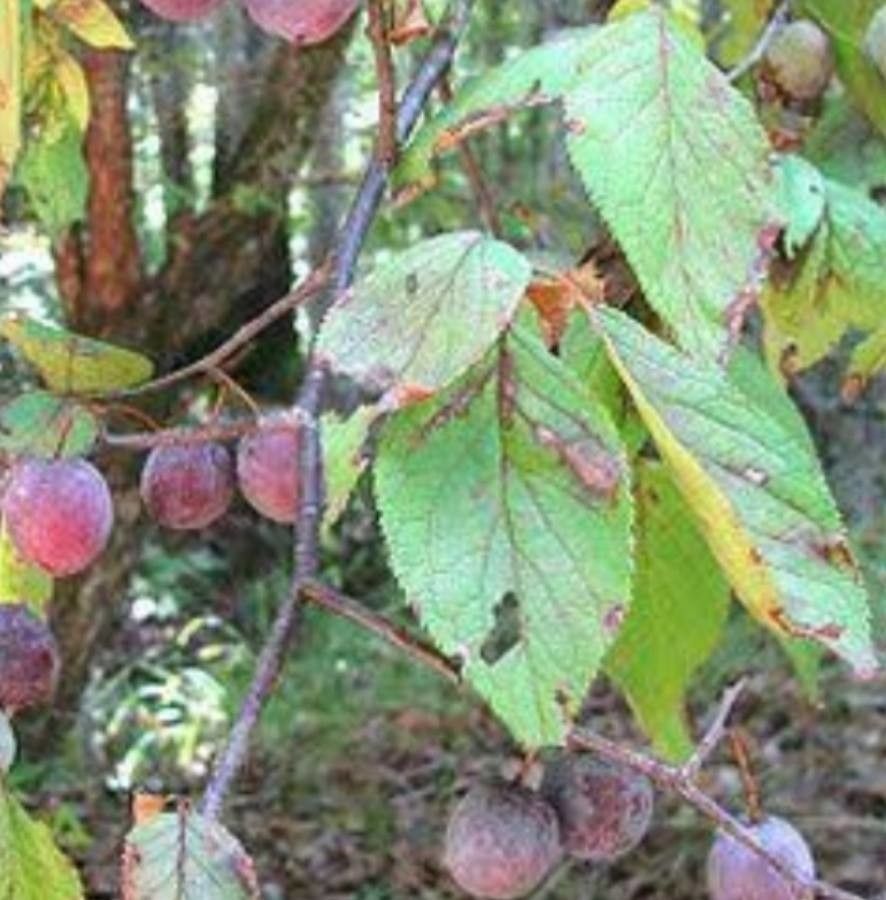
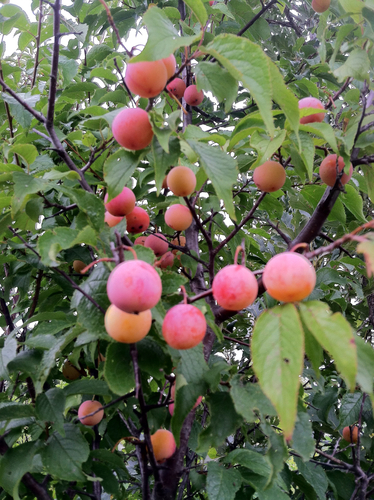
Prunus jacquemontii, commonly known as the Himalayan cherry or Jacquemont's cherry, is a deciduous tree belonging to the Rosaceae family. Native to the Himalayan region of India, Pakistan, and Nepal, this tree can reach a height of 15-20 meters and features a spreading crown with a diameter of up to 10 meters.
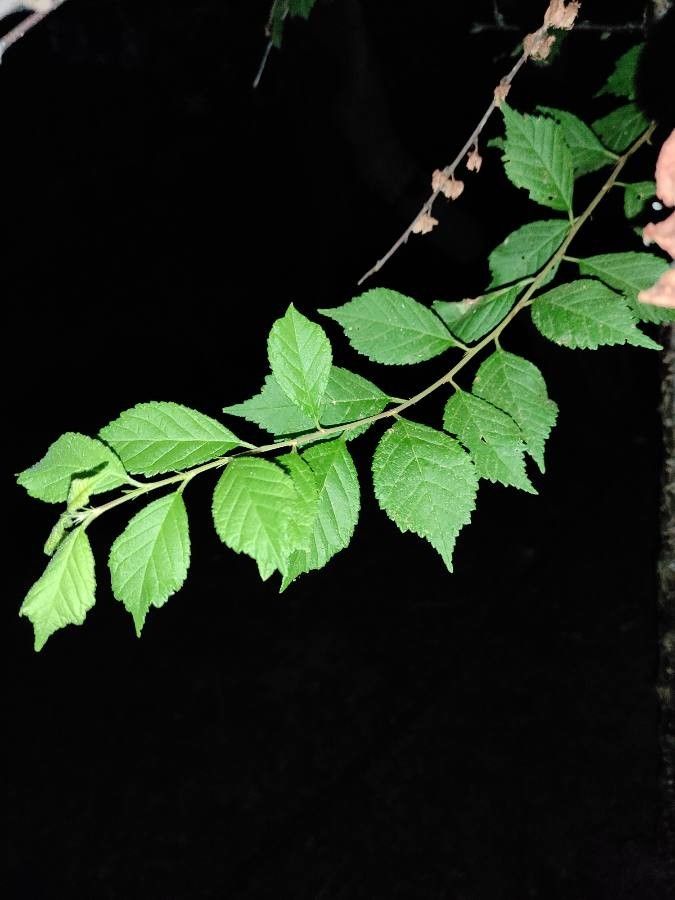
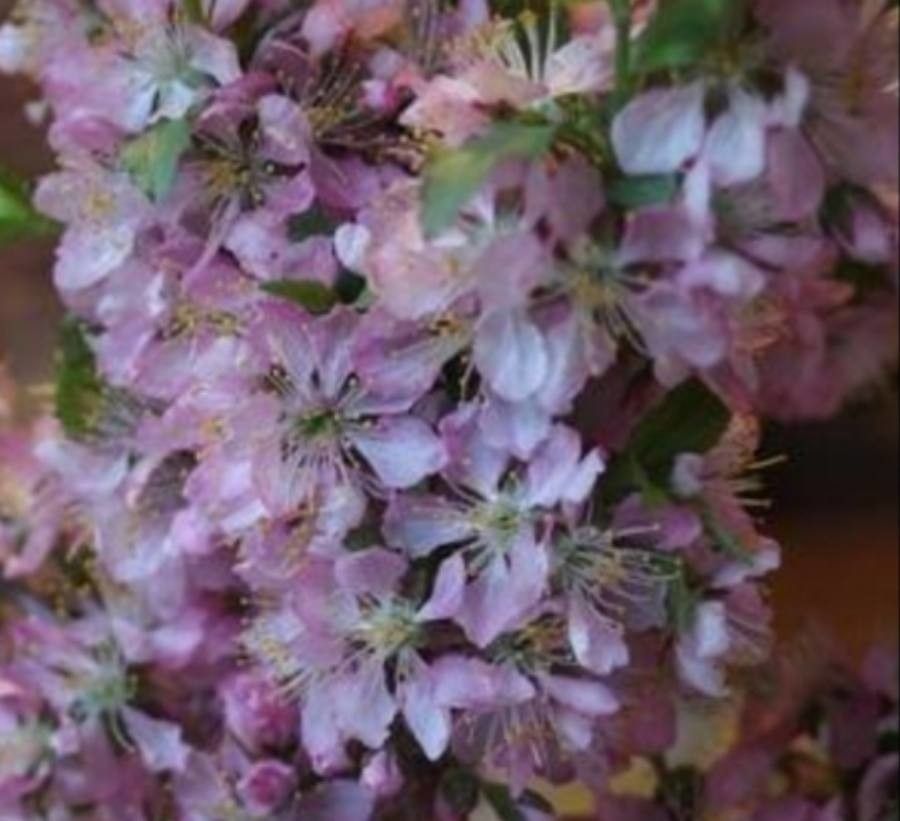
The leaves of Prunus jacquemontii are oval-shaped with serrated edges, growing up to 10 cm in length. Its flowers, which are either white or pinkish-white, bloom in early spring before the leaves emerge. The tree produces small, round, red fruit.
Prunus jacquemontii is widely cultivated as an ornamental plant because of its beautiful flowers, which attract bees, butterflies, and other pollinators. It prefers well-drained soil and full sun exposure but can tolerate partial shade.
In traditional medicine, various parts of Prunus jacquemontii have been used to treat ailments such as coughs, colds, and fever.
Overall, Prunus jacquemontii is an attractive ornamental plant that adds beauty to gardens and offers some medicinal value in traditional practices.
Botanical profile.
Other names.