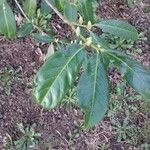
Prunus laurocerasus
Δαφνοκέρασο · Cherry laurel · Common Laurel · Laurel cherry · English Laurel
Description
Source: leafsnapPrunus laurocerasus, commonly known as cherry laurel, is a species of evergreen shrub or small tree that belongs to the Rosaceae family. Native to regions of Europe and Asia, it has been widely cultivated as an ornamental plant in gardens and parks around the world. The plant typically reaches up to 10 meters in height and has a dense, bushy growth habit. Its glossy, dark green leaves are lance-shaped or elliptical with serrated edges. When crushed, the leaves emit a distinctive almond-like scent. In the spring, cherry laurel produces clusters of highly fragrant, small white flowers. These flowers develop into small black berries that ripen in late summer or early autumn. Cherry laurel is highly valued for its ornamental qualities and its ability to provide privacy screening due to its dense foliage. Additionally, it is popular for hedging purposes because of its fast growth rate and tolerance for pruning. However, it is important to note that all parts of the plant contain toxic compounds, such as cyanogenic glycosides, which can cause severe poisoning if ingested by humans or animals. Therefore, it should be planted with caution, especially around children's play areas, to avoid accidental ingestion. Overall, Prunus laurocerasus is an attractive evergreen shrub or tree species that provides year-round interest but requires careful handling due to the toxic properties of its foliage and berries.
🌳 The Cherry Laurel (Prunus laurocerasus) is a robust and spreading evergreen shrub, often chosen for hedging due to its rapid growth. Its appealing leaves, flowers, and berries provide year-round interest, making it an excellent specimen plant as well. This shrub is well-suited for informal and cottage gardens, and its colors complement Japanese maple trees and snowdrops beautifully.
🎭 Affection, fortune-telling, commemoration
Care Guide
💧 Water Every 7 days
Cherry laurel thrives in moist, fertile soils and needs regular watering to stay healthy, but it's important not to let the soil become waterlogged. Watering every one to two weeks is ideal for maintaining its optimal health. This plant is usually grown outdoors and benefits from mulching, which helps retain moisture and mimics its natural forest floor habitat.
When Should I Water My Cherry Laurel?
Timing your waterings for cherry laurel is crucial to its health, growth, and resilience. The best indicator of when to water is the dryness of the top 1-2 inches of soil. If it feels dry, it's time to water. Additionally, symptoms like leaf discoloration, wilting, or reduced leaf growth can also signal the need for water. However, it's important to balance watering, as both overwatering and underwatering can have detrimental effects, including disease susceptibility, stress, and even death of the plant.
How Should I Water My Cherry Laurel?
Watering cherry laurel effectively requires deep, infrequent sessions rather than superficial, frequent ones to encourage strong root growth. Utilize a watering can with a long spout to target the base and avoid the foliage, preventing fungal diseases. It's advisable to water in the morning to allow leaves to dry and to avoid misting to reduce humidity and disease risk. Employ a moisture meter for accuracy, ensure good soil drainage, use mulch to retain moisture, and adjust watering frequency to prevent both underwatering and overwatering.
How Much Water Does Cherry Laurel Really Need?
The quantity of water for cherry laurel varies with environmental conditions and the plant's stage of growth. A mature plant might need around 2 liters per watering, ensuring the soil is moist but well-drained. Signs of adequate hydration include vibrant growth and regular flowering, whereas yellowing or wilted leaves might indicate watering issues. It's vital to let the soil slightly dry between waterings and to adjust watering practices based on the plant's needs to prevent over or under-watering.
What Kind of Water is Best for Cherry Laurel?
Cherry laurel thrives best with rainwater or filtered water, as tap water might contain chlorine and other minerals that can harm the plant. If you must use tap water, let it sit out for 24 hours to evaporate the chlorine. Avoid using extremely hot or cold water; room temperature is ideal to prevent shock. Proper water type and temperature are key to maintaining a healthy root system and overall vitality.
How Do Cherry Laurel's Watering Needs Change with the Seasons?
Seasonal changes significantly impact the watering needs of cherry laurel. In spring, ensure consistent soil moisture to support growth. Reduce watering slightly in summer, allowing the soil to dry a bit more, to adapt to potential drought conditions. In autumn, gradually decrease watering frequency as the plant enters dormancy, maintaining light soil moisture. During winter, water sparingly, allowing the topsoil to dry out between waterings, as the plant's water requirements minimize.
☀️ Light Full sun
Cherry laurel prefers plentiful sunlight but can tolerate reduced light and remains robust in shadier locations. Insufficient light can restrict its growth, while excessive exposure may cause sunscorch. Native to regions with abundant sun, its light requirements do not differ greatly between growth stages.
What are the sunlight requirements for cherry laurel?
Cherry laurel requires full sun, which means it needs above 6 hours of sunlight daily to thrive. However, it can also adapt to partial sun or full shade conditions, requiring about 3-6 hours of sunlight. It's important to observe how sunlight moves through your garden to choose spots that provide a balance of light and shade, ensuring the plants' well-being.
How does cherry laurel respond to varying light conditions?
Cherry laurel craves abundant solar exposure but shows resilience by adapting to lesser amounts of light. Insufficient light can hinder its growth, and overexposure might lead to sunscorch. Originating from regions rich in sunlight, the plant's light needs don't significantly change across different growth stages. When natural light is inadequate, especially during winter, artificial lighting can be a vital alternative, promoting healthier growth. For indoor plants, LED lights are recommended because they can simulate the necessary wavelengths of light. The intensity and duration of artificial lighting should mimic natural conditions, with full sun plants requiring 30-50W/sq ft, partial sun plants needing 20-30W/sq ft, and full shade plants needing 10-20W/sq ft of light.
What are the symptoms of light deficiency or overexposure in cherry laurel?
Symptoms of light deficiency in cherry laurel include smaller leaves, leggy or sparse growth, faster leaf drop, slower or no new growth, and leaves that may become lighter in color or show irregular color patterns, indicating a lack of chlorophyll. Overexposure can cause chlorosis, where leaves lose their green color, sunscald which damages leaves and stems, curling leaves as a defense mechanism against water loss, wilting due to increased transpiration, and leaf scorching indicated by brown, dry edges on leaves.
What solutions can improve cherry laurel's exposure to sunlight?
To optimize growth, gradually expose indoor plants to more sunlight, aiming for at least 6 hours of direct sunlight daily. Use a south-facing window and keep curtains open during daylight for maximum exposure. Consider using artificial light for large or immobile plants, keeping lamps on for at least 8 hours daily. For outdoor plants, gradually adapt them to sunnier spots, avoiding sudden changes in light to prevent sunburn. Pruning trees that block sunlight or transplanting to sunnier locations with good drainage can help minimize obstructions to sunlight exposure. Remember, parts of the plant that suffered from insufficient light may not recover, but new growth should be healthy after adjusting light conditions.
🌡️ Temperature 15–35°C
Cherry laurel, a temperate woody plant, grows best at temperatures of 59 to 95 ℉ (15 to 35 ℃). Its native habitat features cool winters and warm summers with temperature shifts across the seasons. To accommodate these changes, provide ample water during the hot summer months to prevent drought stress, and in winter mulch around the base to help protect the roots from extreme cold.
What temperature conditions are essential for the growth of Cherry Laurel?
Cherry Laurel, a temperate woody plant, thrives in temperatures between 59°F (15°C) and 95°F (35°C), originating from environments with cool winters and warm summers. This plant adapts to seasonal temperature fluctuations by necessitating increased watering during hot summer months to avert drought stress. During winter, it's beneficial to mulch around the base to protect its roots against extreme cold. Cherry laurel possesses a degree of cold tolerance and typically doesn't need special measures if the temperature remains above its minimum tolerable growth temperature. Nevertheless, when temperatures are expected to fall below this threshold, temporary protective measures like wrapping the plant in plastic film or fabric should be implemented, to be removed once temperatures warm up again.
How should Cherry Laurel be cared for in low temperatures?
Cherry Laurel demonstrates moderate tolerance to low temperatures, flourishing optimally when temperatures remain above its minimum suitable growth temperature. It's crucial to keep the plant above its tolerable growing temperature minimum during winter. Exposure to temperatures below its growth limit may cause leaves to droop, and while mild effects may be reversible, severe cold can lead to permanent wilting and leaf drop. To mitigate frost damage, trim away affected parts and, before facing low temperatures again, wrap the plant with non-woven fabric or cloth and establish a wind barrier to shield it from cold winds.
What steps should be taken if Cherry Laurel experiences high temperatures?
In the summer, it's important to ensure that Cherry Laurel's temperature does not exceed its maximum suitable growth temperature. Overstepping its tolerable high temperature threshold can lead to lighter leaf coloration, dry and withered leaf tips, curling leaves, and increased susceptibility to sunburn. To care for the plant under these conditions, trim away sunburned and dried parts. Relocating the plant to a shaded area or employing a shade cloth to protect it from the harsh midday and afternoon sun can be beneficial. Additionally, watering the plant during cooler morning and evening hours helps maintain soil moisture, critical for its health in high temperatures.
💨 Humidity normal (40-60%)
This plant will thrive in moderate humidity, which is probably the level in your home. However, misting it a few times a week can be very beneficial. Make sure the room has good ventilation.
🪴 Soil 6-7
🌱 Fertilizer
Fertilize your Cherry laurel in early spring to encourage healthy growth. Regular feeding boosts overall health, leading to vigorous growth, greater resilience to harsh conditions, and increased resistance to diseases and pests. Keep a consistent fertilization schedule for your Cherry laurel to maintain foliage that is vibrant in color and lush in appearance.
Why should I put fertilizer on my Cherry laurel plant?
No matter what type of Cherry laurel you have, it's important to regularly fertilize to ensure the plant's overall health. By providing the proper nutrients, you'll promote stronger growth and increase its ability to withstand difficult growing conditions and pests. Preserving the attractive foliage is crucial, so create a fertilization schedule specifically for your Cherry laurel. Following this schedule will result in vibrant and lush leaves.
When should I fertilize my Cherry laurel?
To properly nourish your Cherry laurel, the first fertilization should take place in late winter or early spring. This will provide the necessary nutrients for healthy growth once the weather warms up. If you live in a warm climate region, it is beneficial to provide an additional round of fertilizer in early fall. Doing so not only adds nutrients to the soil for the following growing season, but also helps the Cherry laurel withstand the winter cold by strengthening its resilience and preventing foliage damage. Applying fertilizer earlier will allow new branches to develop and withstand the cold winter conditions.
When is it best to not add fertilizer to my Cherry laurel?
There are a few specific times of the year when you should avoid fertilizing your Cherry laurel. The first time is during the early and mid-winter months when the plant is dormant and does not require any feeding. Another unwise time to fertilize is during late spring and all of summer when the weather is typically hotter and drier. These conditions can cause negative reactions to the fertilizer. To avoid these issues, it is best to have a fertilization schedule that only involves feeding during early spring and early fall.
What kind of fertilizer does my Cherry laurel plant need?
Cherry laurels require nitrogen as the most important nutrient, but this doesn't mean that phosphorus and potassium are unimportant. Conversely, they need a sufficient amount of all three main nutrients. Therefore, using a balanced fertilizer like a 10-10-10 is a good option. However, a more nuanced ratio of nutrients usually promotes optimal growth for Cherry laurels. Generally, fertilizers with slightly higher nitrogen content, such as a 10-6-4 ratio, often work well. When fertilizing, you can choose between a granular or liquid-based fertilizer.
How can I give nutrients to my Cherry laurel plant?
To fertilize your Cherry laurel, you have two options: using granular fertilizer or liquid fertilizer. If you choose granular fertilizer, simply sprinkle it on the soil at the right time. The slow-release nature of the granules will gradually release nutrients into the soil. It's a good idea to lightly water the laurel before applying the fertilizer. Alternatively, you can use liquid fertilizer, although this is less common. To do this, mix the fertilizer with water and then pour it around the base of the Cherry laurel. Sometimes, it's helpful to perform a soil test beforehand to determine if you need to adjust the pH.
🪴 Pot & Repot 2-3 years
When repotting Cherry laurel, select a pot 1-2 inches (2.5–5.1 cm) larger that provides ample drainage. Use a well-draining potting mix. Repot in spring or fall, making sure the root ball sits slightly lower than the rim of the flower pot. Water thoroughly after repotting and place in a warm spot with indirect sunlight.
✂️ Pruning
The cherry laurel is an evergreen shrub known for its glossy leaves and white flower spikes. For the best results, prune it in late spring after it has finished flowering. Use techniques such as thinning, shaping, and removing dead branches to encourage denser growth and improve the plant's overall health and appearance.
🌿 Propagating
🐛 Diseases & pets
☠️ Toxicity
Characteristics
- Plant Type
- Shrub
- Life Cycle
- Perennial
- Genus
- Prunus
- Family
- Rosaceae
- Hardiness Zone
- 8-10
- Mature Height
- 0 cm to 39 cm
- Mature Spread
- 2.13 m to 10.06 m
- Leaf Color
- Green
- Leaf Type
- Evergreen
- Flower Color
- White, Cream
- Flower Size
- 1.02 cm
- Bloom Time
- Mid spring, Late spring, Early summer
- Planting Time
- Spring, Autumn
- Harvest Time
- Mid summer
- Native Area
- Uzbekistan, Tajikistan, Turkey, Slovakia, Iran, Bulgaria, Azerbaijan, Romania, Serbia