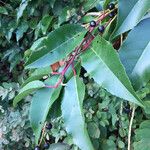
Prunus lusitanica
Portuguese laurel · Portugal Laurel · Portuguese laurel cherry · Portuguese Cherry Laurel · Laurel of Lusitania
Description
Source: leafsnapPrunus lusitanica, commonly known as Portuguese laurel or cherry laurel, is an evergreen shrub or small tree in the Rosaceae family. Native to Portugal and western Spain, it has been widely cultivated for its ornamental beauty. This plant can reach up to 10 meters in height and features glossy, dark green, lance-shaped leaves. In early summer, it produces small white flowers, followed by red berries that turn black when ripe. Prunus lusitanica is a popular choice for hedging due to its dense growth habit and tolerance for pruning. It also serves as an excellent specimen plant for gardens or parks. The plant thrives in well-drained soil and partial shade but can tolerate full sun in cooler climates. It requires relatively low maintenance, though occasional pruning might be necessary if used as a hedge. While Prunus lusitanica has no known medicinal uses, it does contain cyanogenic glycosides, which can be toxic if ingested by humans or animals. Therefore, caution should be exercised when planting it in areas frequented by children or pets.
🌳 A notable use of Portuguese cherry laurel is as a bioindicator, where it can reflect the metal content of soil. Its uptake ability can signal the presence and concentrations of metals such as lead, informing both botanists and environmental scientists. Additionally, its hard wood is employed in specialized millwork, demonstrating its utility beyond ornamental purposes.
Care Guide
💧 Water Every 7 days
Originating from mild climates, the Portuguese cherry laurel has moderate drought tolerance but thrives with consistent moisture. It is recommended to water it every 2-3 weeks. As an evergreen, the Portuguese cherry laurel needs adequate water retention to maintain its glossy foliage throughout seasonal changes.
How should I water my Portuguese cherry laurel?
Watering your Portuguese cherry laurel is quite flexible and can be done with various tools, such as watering cans, hoses, or even cups. It is important to water the plant directly onto the soil, making sure all areas receive equal moisture to provide for the entire root system. To maintain its health, filtered water is preferred, as tap water may contain harmful particles. Additionally, using water that is at or slightly above room temperature is recommended to avoid shocking the plant. However, the Portuguese cherry laurel typically responds well to any type of water.
What should I do if I give my Portuguese cherry laurel too much water or not enough water?
For outdoor plants, particularly newly planted ones or seedlings, they can suffer from insufficient watering. It's important to consistently water them for a few months while the tree is small or newly planted. Once the roots are established, the Portuguese cherry laurel can mostly rely on rainfall. When the Portuguese cherry laurel is in pots, overwatering is more likely to happen. If you accidentally overwater your Portuguese cherry laurel, take immediate action. Stop watering the plant to minimize the negative effects. Then, remove it from the pot to inspect the roots. If there are no signs of root rot, you can return the plant to its container. However, if root rot is present, trim any affected roots and apply a fungicide to prevent further damage. Lastly, repot the Portuguese cherry laurel in well-draining soil. In the case of underwatering, simply increase the frequency of watering. It's usually an easy fix since the leaves will droop, dry out, and fall off when underwatered, but will quickly recover with sufficient watering. Correct your watering schedule as soon as you notice underwatering.
How many times should I water my Portuguese cherry laurel?
If your area lacks rainfall, you'll need to water your plants every 2 weeks during spring and fall, and more frequently in summer. In winter, water sparingly as plants need less water. Young or newly planted Portuguese cherry laurel should be watered more frequently to help them establish and become more adaptable and drought tolerant. For potted plants, there are two main ways to determine how often to water your Portuguese cherry laurel. The first is to set a predetermined watering schedule, but this may not consider the unique conditions of your plant's growing environment. Alternatively, you can water based on soil moisture. Wait until the top two to four inches of soil have dried out completely before watering again.
How often should I water my Portuguese cherry laurel?
When watering your Portuguese cherry laurel, you may be surprised to learn that it doesn't always require a large amount of water. If only a few inches of soil have dried since the last watering, giving the plant about five to ten ounces of water will support healthy growth. You can also determine the amount of water based on the moisture of the soil. Take note of how many inches of soil have dried out between waterings. To ensure the plant receives adequate moisture, water enough to moisten all the dry layers of soil since the last watering. If more than half of the soil is dry, it may be necessary to give more water than usual. In these cases, continue watering until excess water drains from the pot's drainage holes. If the Portuguese cherry laurel is planted in an area that receives ample rainfall outdoors, additional watering may not be needed. When the plant is young or newly established, it should receive 1-2 inches of rain per week. As the plant grows and becomes established, it can rely solely on rainwater. Only when there is hot weather and no rainfall for 2-3 weeks should you consider giving a full watering to prevent the plant from experiencing stress.
How do I know if I am giving enough water to my Portuguese cherry laurel?
The Portuguese cherry laurel is more commonly affected by overwatering, which can be identified by certain signs. Typically, an overwatered plant will have yellowing leaves and might even drop some. Additionally, overwatering can lead to the overall structure of the plant shrinking and increase the risk of root rot. Conversely, an underwatered Portuguese cherry laurel will also start to wilt and may have brown or brittle leaves. Whether you notice signs of overwatering or underwatering, it is important to take action to restore the plant's health.
☀️ Light Partial sun
The Portuguese cherry laurel does best in settings with sunlight that is present but not too strong, prospering under moderate light. Although it can tolerate brighter conditions, extended exposure to intense sun can cause its leaves to scorch. Its capacity to handle varying light intensities comes from its native environment, which featured a blend of shaded and sunny spots.
What are the sunlight requirements for the Portuguese cherry laurel?
The Portuguese cherry laurel thrives best with moderate exposure to sunlight, making it suitable for both partial and full sun environments. Partial sun refers to about 3-6 hours of sunlight per day, while full sun implies more than 6 hours of sunlight daily. It's important to observe your garden's sunlight patterns to find the ideal balance of light and shade for your plants, ensuring they flourish. However, it's worth noting that although this plant can survive in intense light, prolonged exposure to strong sun might cause leaf scorch.
How does artificial lighting support indoor Portuguese cherry laurel plants?
Indoor plants like the Portuguese cherry laurel may require artificial lighting to thrive, especially when natural sunlight is insufficient. LED lights are a preferred option as they can be adjusted to provide specific wavelengths needed by the plant. For full sun plants, 30-50W/sq ft of artificial light is recommended; partial sun plants need 20-30W/sq ft; and full shade plants require 10-20W/sq ft. Positioning the light source 12-36 inches above the plant can mimic natural sunlight, and ensuring the duration mirrors natural daylight hours, typically between 8-12 hours, promotes healthier growth.
What are the signs of insufficient light in indoor Portuguese cherry laurel plants?
When a Portuguese cherry laurel receives inadequate light, several symptoms can manifest. These include smaller new leaves, leggy or sparse growth, faster leaf drop, slower or no new growth, pale-colored new leaves, chlorosis (yellowing of leaves due to loss of chlorophyll), sunscald, leaf curling as a defense against excessive sunlight, wilting from too much transpiration, and leaf scorching. These symptoms indicate the plant's struggle to receive and utilize adequate light for growth and overall health.
How can I solve the problem of insufficient light for my Portuguese cherry laurel?
To address insufficient light for your Portuguese cherry laurel, gradually adjust its exposure to light. For indoor plants, move them weekly to gradually sunnier spots until they receive 3-6 hours of direct sunlight; alternatively, use artificial light sources like desk or ceiling lamps, or invest in grow lights, ensuring they're on for at least 8 hours a day. For outdoor plants, also adjust them to sunnier locations gradually to prevent sunburn. If obstructions like trees block natural sunlight, consider pruning them. Transplanting smaller plants during their dormant period to a sunnier location with good drainage is another effective solution. Remember, while parts of the plant already damaged by light deficiency might not recover, new growth should be healthy with improved light conditions.
🌡️ Temperature 0–32.2°C
The Portuguese cherry laurel is an attractive plant native to temperate areas and does best in a moderate temperature range of 32 to 90 °F (0 to 32 °C). Although it is hardy, prolonged exposure to very cold or very hot conditions should be avoided.
What is the optimal temperature range for the Portuguese cherry laurel?
The Portuguese cherry laurel thrives in a cozy temperature range of 32 to 90°F (0 to 32°C). It originates from temperate regions and has a strong tolerance for cold. However, it's important to avoid exposing it to extreme cold or hot conditions for prolonged periods.
Do I need to take special frost protection measures for the Portuguese cherry laurel during winter?
Under normal winter conditions, the Portuguese cherry laurel does not require special frost protection due to its strong cold resistance. Nonetheless, if temperatures are expected to plummet below -35°C, it is crucial to protect the plant. This can be effectively done by wrapping the trunk and branches with non-woven fabric or a similar material. Also, watering the plant abundantly before the first freeze in autumn ensures the soil stays moist and enters a frozen state, which helps prevent drought and water stress.
What symptoms indicate that the Portuguese cherry laurel is affected by low temperatures?
When the temperature drops below -35°C, the Portuguese cherry laurel may not show immediate damage during winter, but come spring, the branches could become brittle and dry, and no new shoots will emerge. It is resilient to cold and usually thrives above 0°C, but prolonged exposure to severe cold is damaging.
How should I care for my Portuguese cherry laurel if it's been exposed to temperatures below its tolerance?
If your Portuguese cherry laurel has been exposed to damaging low temperatures, with branches becoming brittle and dry, you should prune away any dead branches that have failed to produce new leaves once spring arrives. This encourages the growth of new, healthy shoots.
What symptoms indicate that the Portuguese cherry laurel is affected by high temperatures?
If the Portuguese cherry laurel is exposed to temperatures above its optimal range, specifically above 35°C, you may notice the leaves turning lighter in color, with tips becoming dry and withered. Additionally, the plant becomes more susceptible to sunburn under these conditions.
💨 Humidity
🪴 Soil 6-7
🌱 Fertilizer
The timing of fertilizing Portuguese cherry laurel is critical. Apply fertilizer in early spring and repeat monthly through early summer. Fertilizer encourages attractive blooms and supplies energy both during dormancy and active growth.
Why should I put fertilizer on my Portuguese cherry laurel?
No matter what type of Portuguese cherry laurel you have, regular fertilization is key to promoting overall health. Proper nutrients lead to stronger growth, increased resilience to difficult conditions, and improved ability to combat pests and diseases. Maintaining the foliage of your Portuguese cherry laurel is crucial for its attractiveness, so a consistent fertilization schedule tailored to your specific plant is necessary. This will result in deep-colored and lush leaves.
When should I fertilize my Portuguese cherry laurel?
To ensure healthy growth of your Portuguese cherry laurel, it is recommended to fertilize it in late winter or early spring. This provides the necessary nutrients for the plant to thrive once the weather warms up. Additionally, if you live in a warm climate region, it is beneficial to give your Portuguese cherry laurel another round of fertilizer in early fall. This not only adds nutrients for the upcoming growing season, but also helps the plant withstand winter cold and avoid foliage damage. Fertilizing earlier in the fall allows enough time for new branches to grow and become more resilient to the cold.
When is it not a good idea to put fertilizer on my Portuguese cherry laurel?
There are certain times of the year when you should avoid fertilizing your Portuguese cherry laurel. Firstly, during the early and mid-winter months when the plant is dormant and does not require any nutrients. Additionally, it is not recommended to fertilize the plant during late spring and summer. This period is usually hotter and drier, which can have a negative impact on the plant if it is fertilized. To prevent complications, it is advisable to follow a fertilization schedule that involves feeding the plant only in early spring and early fall.
Which fertilizer does my Portuguese cherry laurel require?
The most important nutrient for a Portuguese cherry laurel is usually nitrogen, but phosphorus and potassium are also important. It's essential to provide your Portuguese cherry laurel with a balanced fertilizer that contains all three main nutrients, such as a 10-10-10 ratio. However, a more optimal growth can often be achieved with a slightly higher nitrogen ratio, like 10-6-4. You can choose between granular or liquid-based fertilizers when applying them.
How can I make my Portuguese cherry laurel healthier by adding nutrients to the soil?
To fertilize your Portuguese cherry laurel, you have two options. The first is using a granular fertilizer. Simply sprinkle the fertilizer on the soil at the right time. This type of fertilizer releases nutrients slowly over time. Before applying the granular fertilizer, it's a good idea to lightly water your cherry laurel. Another option is using a liquid fertilizer, although this is less common. Mix the liquid fertilizer with water and pour it around the base of the cherry laurel. If you want to be extra sure about the soil's pH level, you can perform a soil test before fertilizing. This will help you determine if any adjustments are needed.
🪴 Pot & Repot
✂️ Pruning
The Portuguese cherry laurel is an evergreen shrub known for its glossy leaves. To keep it healthy and well-shaped, it's best to prune it between early and late winter. Be sure to remove any dead or overcrowded branches during this time. You can also perform hard pruning if needed. Remember to sanitize your tools before using them to prevent the spread of disease. Proper pruning not only maintains the plant's shape but also improves air circulation and light penetration, enhancing the overall vitality of the plant.
🌿 Propagating
🐛 Diseases & pets
☠️ Toxicity
The berries and leaves of Prunus lusitanica are poisonous to animals and human.
Characteristics
- Plant Type
- Tree, Shrub
- Life Cycle
- Perennial
- Genus
- Prunus
- Family
- Rosaceae
- Hardiness Zone
- 3-8
- Mature Height
- 3.05 m to 6.1 m
- Mature Spread
- 4.57 m
- Leaf Color
- Green
- Leaf Type
- Evergreen
- Flower Color
- White
- Flower Size
- 1.02 cm to 1.52 cm
- Bloom Time
- Late spring, Early summer
- Planting Time
- Spring, Autumn
- Harvest Time
- Mid summer
- Native Area
- Morocco, Portugal, Spain, France