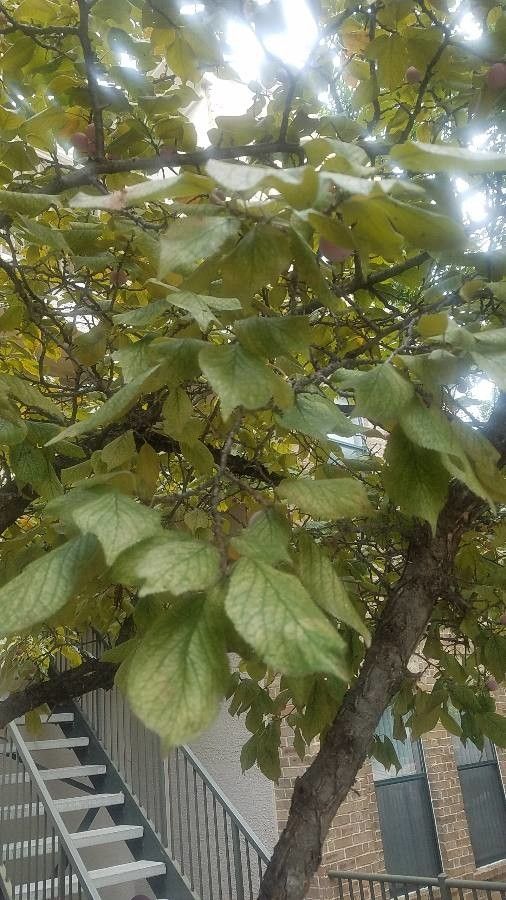
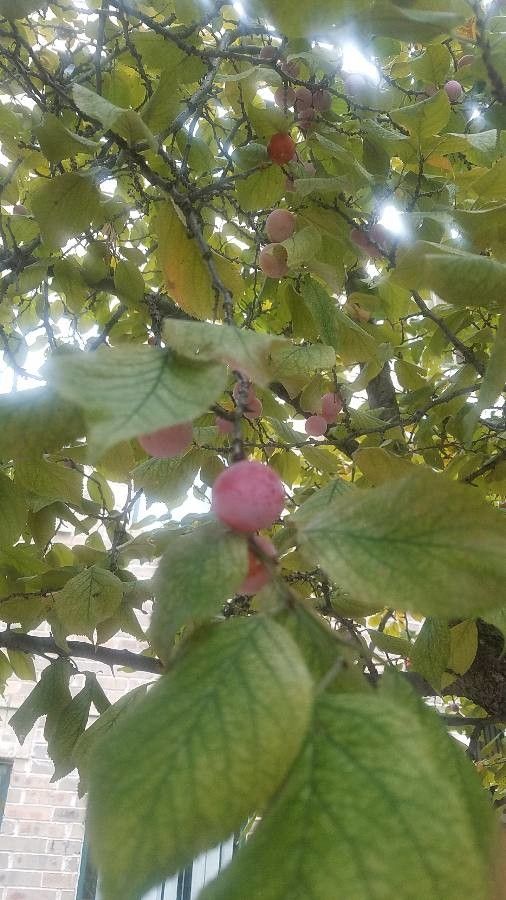
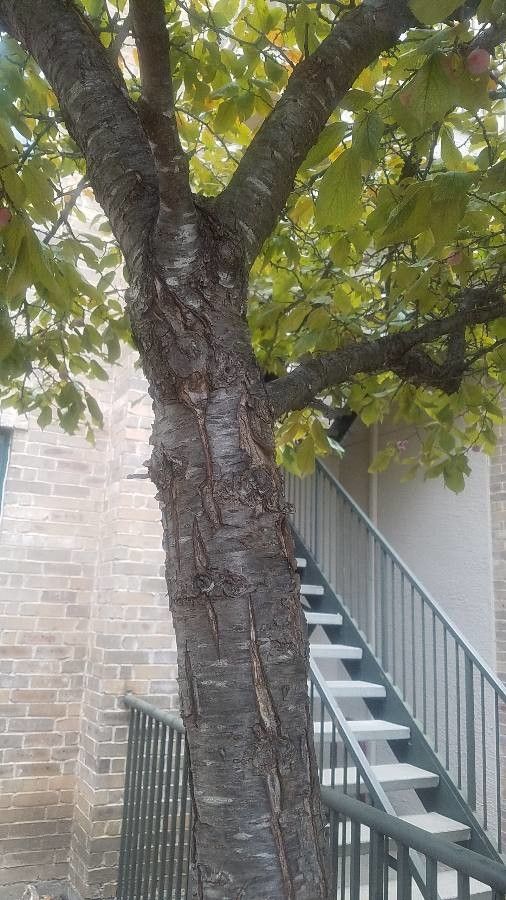
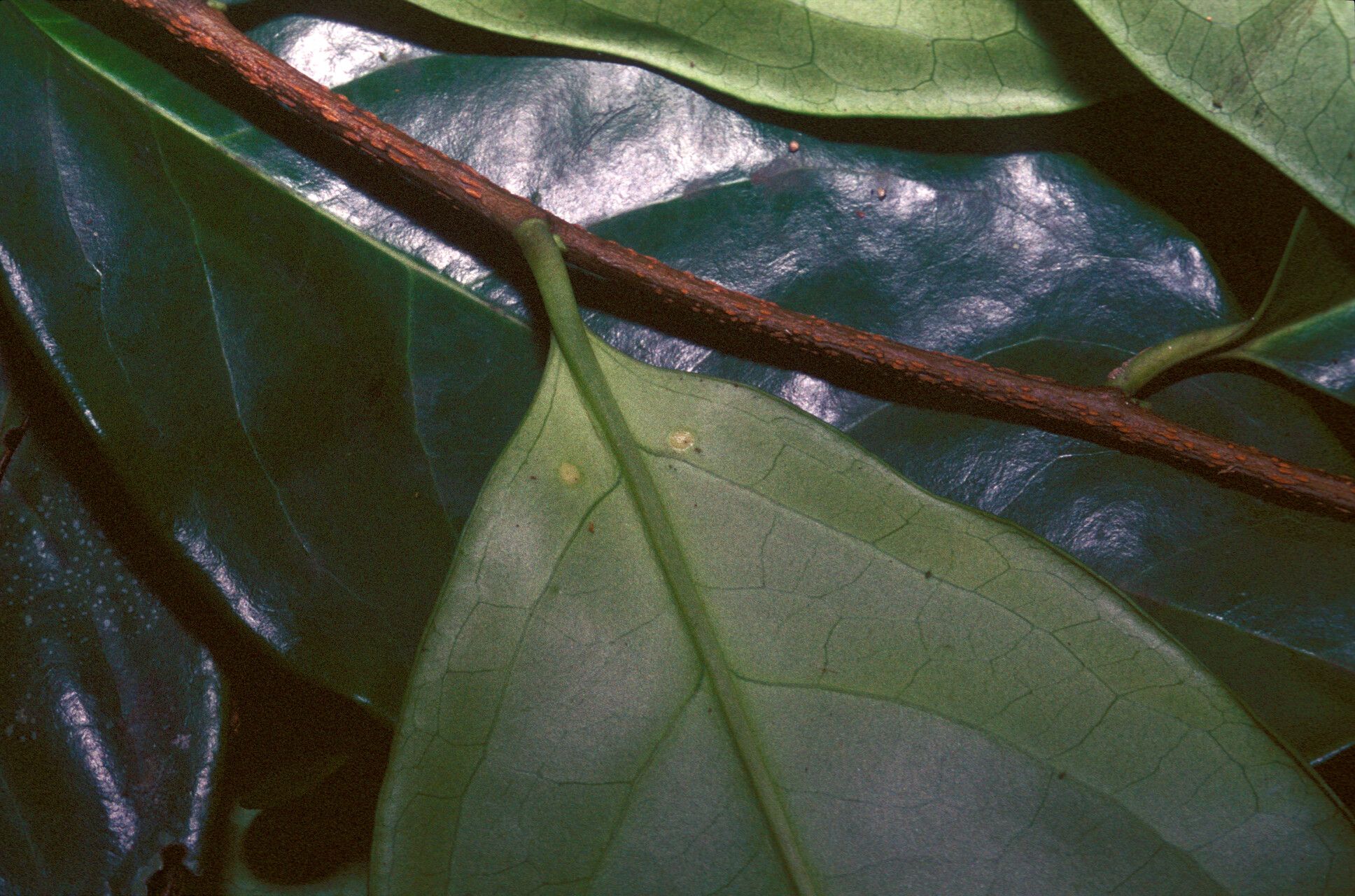
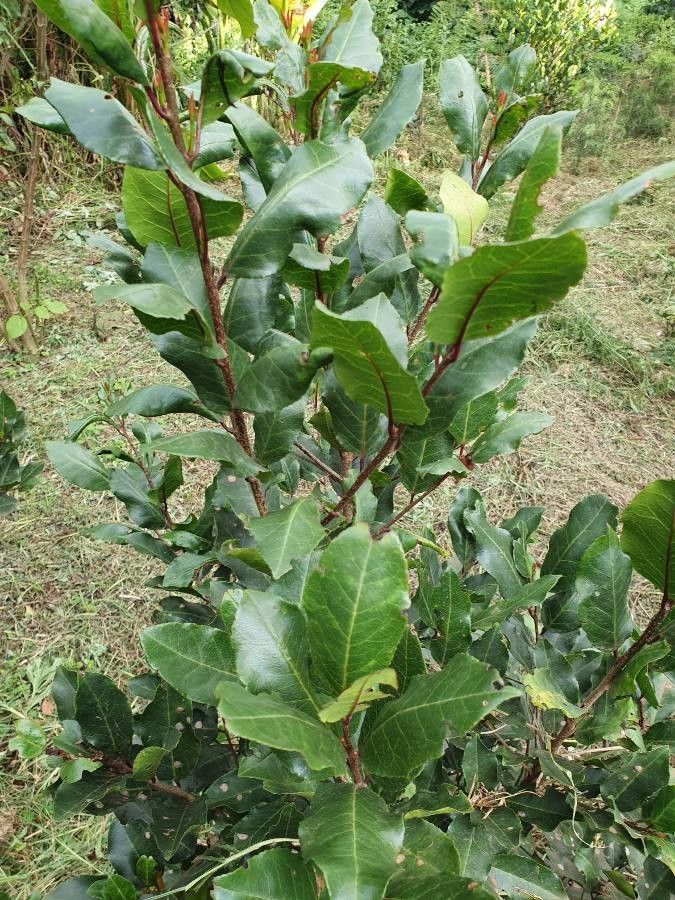
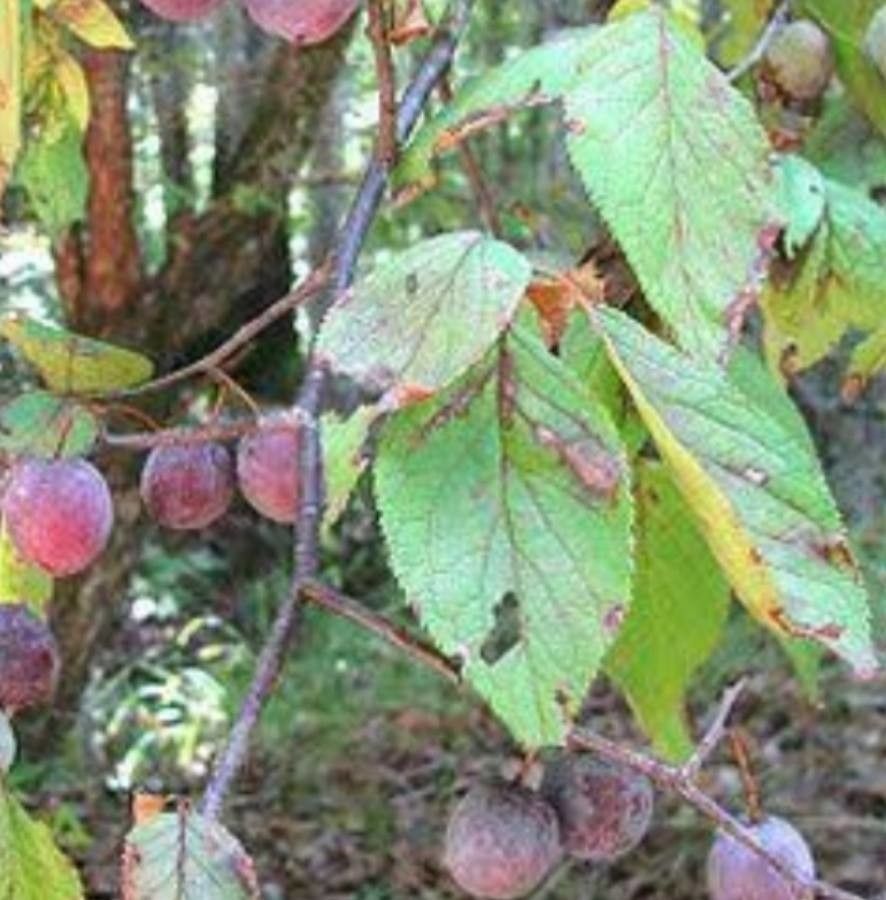
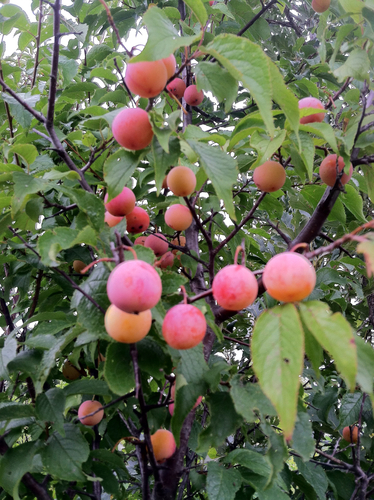
Prunus mexicana, commonly known as the Mexican plum or Bigtree plum, is a deciduous tree in the Rosaceae family. Native to Mexico and the southwestern United States, this tree can reach heights of up to 30 feet. It boasts a rounded crown with dark green leaves that turn yellow in the fall. In early spring, before the leaves appear, the tree produces white or pink flowers. The fruit of Prunus mexicana is a small, edible plum that ripens in late summer or early fall.
For centuries, indigenous people have used the Mexican plum tree for various purposes, including as a source of food and medicine. The tree also provides habitat for wildlife, such as birds and insects.
In recent years, Prunus mexicana has faced threats from habitat loss due to urbanization and agricultural development. Conservation efforts are currently underway to protect this important species from further decline.
Ultimately, Prunus mexicana is a significant plant species with both cultural and ecological value, deserving focused conservation efforts.
Mexican plum shows strong resistance to disease and is typically not susceptible to illnesses. Regarding maintenance, this species is fairly low-maintenance. When grown outside it needs only light watering, and larger specimens usually do not require pruning. Smaller specimens, however, should be pruned after they finish blooming. Mexican plumt is appropriate for anyone who has an outdoor area, like a garden or a deck, and it does not demand extensive gardening experience.
How to keep Prunus Mexicana.
Light
The Mexican plum does best when it receives abundant sunlight throughout the day. It can also maintain and display satisfactory growth in moderate light, showing its adaptability. However, too little or too much sunlight can interfere with its photosynthesis and may negatively affect its health. Having evolved in areas with strong sunlight, its capacity to handle varying light conditions derives from its native habitat.
Water
The Mexican plum is well adapted to different levels of moisture and demonstrates moderate drought tolerance. It generally needs to be watered every 1-2 weeks. Typically grown outdoors, this plant enters dormancy during the colder months, which reduces its water requirements. This behavior reflects its adaptation to seasonal changes in rainfall.
Temperature
The mexican plum originates from temperate regions. It grows best in temperatures ranging from 32 to 95 ℉ (0 to 35 ℃) and can tolerate cooler conditions in winter. Its temperature requirements change as the seasons progress.
Fertilizer
Fertilize your Mexican plum in early spring to encourage healthy growth. Regular feeding boosts overall health, leading to vigorous growth, greater tolerance of harsh conditions, and improved resistance to diseases and pests. Keep a consistent fertilization schedule for your Mexican plum to preserve lively foliage with deep color and a lush appearance.
Pruning
Prune the Mexican plum in early spring, before new growth begins, to improve airflow and sunlight exposure. Remove any dead or crossing branches to create a balanced shape, which will enhance flowering and fruiting while reducing the risk of disease. Early spring pruning aligns with the tree's growth cycle, promoting healthier development.
Pot & Repot
When repotting Mexican plum, select a pot 1-2 inches (2.5–5.1 cm) larger with ample drainage. Use a well-draining potting mix. Repot in spring or fall, ensuring the root ball is slightly lower than the rim of the flower pot. Water thoroughly after repotting and place in a warm spot with indirect sunlight.
Botanical profile.
- Plant Type
- Tree
- Life Cycle
- Perennial
- Genus
- Prunus
- Family
- Rosaceae
- Hardiness Zone
- 3-9
- Mature Height
- 4.57 m to 7.62 m
- Mature Spread
- 6.1 m to 7.62 m
- Leaf Color
- Green, Yellow
- Leaf Type
- Deciduous
- Flower Color
- White
- Flower Size
- 2.54 cm
- Bloom Time
- Spring
- Planting Time
- Autumn
- Harvest Time
- Mid summer
- Native Area
- Mexico
Other names.
Reader questions.
How should I water my Mexican plum tree?
To ensure excellent root development, place a garden hose at the base of the plants. Avoid spraying the leaves directly, but if the plants are outdoors and in direct sunlight, the leaves will need extra watering. Using bubblers or soaker hoses can help moisten the roots efficiently. When adding or removing plants, use soaker hoses that cover the entire garden or bed to encourage deep root growth. Remember to drain any excess water and wait for the soil to dry before watering again. To prevent diseases, water at ground level. On sunny days, consider spraying the entire bush with water. Whether your plants are potted or in the ground, it is best to give Mexican plum deep watering rather than light sprinkling.
Why should I put fertilizer on my Mexican plum tree?
No matter what Mexican plum variety you have, regular fertilization is important for its overall health. Providing the right nutrients helps the plant grow stronger and withstand harsh conditions while also fighting diseases and pests more effectively. The foliage of your Mexican plum is a key feature, so it's essential to maintain it. To do this, follow a specific fertilization schedule tailored to your Mexican plum variety. This will result in vibrant leaves and a lush appearance.
How many hours a day should Mexican plum be in the sun to grow well?
To ensure healthy growth, Mexican plum needs at least 3-6 hours of sunlight daily. This is the minimum amount required. Keep in mind that plants that tolerate partial sunlight can also flourish in full sunlight. They are more adaptable because they require less light for their photosynthesis process compared to plants that need either full sunlight or partial shade.
What temperature is best for Mexican plum?
The ideal temperature for Mexican plum to thrive is between 65 to 80 degrees Fahrenheit (18 to 27 degrees Celsius). During its primary growing phase, it can tolerate temperatures as high as 95 degrees Fahrenheit (35 degrees Celsius) and as low as 15 degrees Fahrenheit (-10 degrees Celsius). This species is capable of surviving freezing winters and is tolerant of low temperatures. The recommended temperature ranges are as follows: perfect range is 65 to 80 degrees Fahrenheit (18 to 27 degrees Celsius); highest range is 85 to 95 degrees Fahrenheit (30 to 35 degrees Celsius); and lowest range is -5 to 15 degrees Fahrenheit (-20 to -10 degrees Celsius) or below.
What should I do if I give too much or too little water to the Mexican plum?
When a Mexican plum is overwatered, it may exhibit yellowing, dropping, and wilting leaves. The plant may also appear dull and unhealthy with mushy stems. It's important to adjust your watering schedule when these signs begin to show. Conversely, wilting can also indicate under watering, with crispy and dry leaves appearing. In this case, check the soil and if it's dry, give it a thorough watering. While sufficient water will help the Mexican plum recover, its leaves may still appear dry and yellow due to root damage. Once it returns to normal, the yellowing will stop. When keeping a Mexican plum indoors, regularly check the moisture levels and avoid overwatering. Look for black spots, and if present, allow the soil to dry out for a few days without watering. Overwatering can cause root rot, so transfer the plant to a different pot if discolored and slimy roots are observed. Always prevent root rot by avoiding overly soggy soil. When planting a Mexican plum outdoors, dig a little deeper. If the soil feels too dry, it could indicate underwatering, so ensure the plant receives adequate watering for recovery.
When should I fertilize my Mexican plum?
To ensure proper growth and health of your Mexican plum tree, it is recommended to fertilize it twice a year. The first fertilization should be done in late winter or early spring. This will provide the tree with essential nutrients for healthy growth when the weather becomes warmer. If you live in a warm climate region, it is also beneficial to give an additional fertilizer feeding during early fall. This not only adds nutrients to the soil for the following growing season, but it also helps the tree withstand the winter cold without suffering any damage to its foliage. In general, fertilizing earlier in the season allows the new branches to grow strong enough to tolerate the cold winter temperatures.
What kind of sunlight does Mexican plum need?
Mexican plum thrives in full or partial sun. For optimal growth, it prefers direct morning light, but during summer, it requires protection from the intense afternoon sun. Excessive hot afternoon sun in temperate environments can scorch the leaves, thus compromising the plant's overall health and appearance.
Do I need to change the temperature for Mexican plum at different growing stages?
Mexican plum shows stunted growth when exposed to prolonged high temperatures, particularly during the development of axillary buds and growth of main shoots. To promote vigorous growth after germination or transplanting, it is recommended to maintain consistent cooler temperatures of around 65℉(18℃).
How frequently should I give water to my Mexican plum?
The Mexican plum prefers deep and infrequent watering, especially when planted in pots. When watering, soak them with a gallon of water each time. Pots have limited water storage, so the soil will dry out faster. In cold regions, watering is required every 3 to 5 days. Ideally, water the plant early in the morning when the soil is dry, both indoors and outdoors. To determine if watering is needed, check the soil inside. When the top 2-3 inches of soil is dry, it's time for a full watering. On hot days, monitor the moisture daily as heat can quickly dry out the pot's soil. When gardening, irrigate the soil as needed. In hot climates, watering once a week may be sufficient. Only water when about 2 to 3 inches of soil is too dry, indoors or outdoors. Consider rainfall and avoid overwatering to prevent root rot. If there is ample rainfall, additional watering may not be necessary. Mexican plum trees generally grow during spring and fall. To conserve water when they are outdoors, apply mulch about 3 to 4 inches deep. Sandy soil drains faster, so plants in this type of soil need more frequent watering. In clay soil, watering can be done less frequently, allowing the plant to dry out for 2-3 days and preventing root rot. Keeping track of watering dates on a calendar can help ensure timely watering, especially when the plant's leaves start to droop.
When is it a bad idea to add fertilizer to my Mexican plum plant?
There are specific times of the year when you should avoid fertilizing your Mexican plum. The first time is in the early and mid-winter months when the plant is dormant and doesn't require feeding. It's also not recommended to fertilize during late spring and throughout the summer. These seasons tend to be hotter and drier, increasing the chances of a negative reaction to fertilization. To prevent any problems, it's best to stick to a fertilization schedule that focuses on early spring and early fall feedings.
Can the sun harm Mexican plum? How can I safeguard Mexican plum from damage caused by the sun and heat?
If you plant Mexican plum indoors, be careful not to expose it to direct sunlight when you move it outdoors. To prevent sunburn, gradually move the pots from a shaded area to a brighter spot. However, even if the plants have adapted to the summer sun, they can still be damaged by extreme heat. During a heatwave, it is crucial to keep the soil consistently moist to help the plants handle the excessive heat. To protect the sensitive Mexican plum during extreme weather, consider moving the container plants to shaded areas in the afternoon or using a shade cloth to provide additional protection.
How can I make sure that my Mexican plum stays warm during cold seasons?
Mexican plum has the ability to handle freezing temperatures when planted in the ground in areas where the temperature doesn't drop below 15℉ (-10℃) during winter. However, if it is planted in pots or containers, it's important to protect its roots from the cold weather. This can be done by wrapping the container with a blanket or by bringing it indoors to provide full protection from the elements.