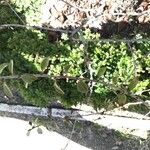
Prunus prostrata
گیلاس کوهی، گیلاس صخره ای، گیلاس خزنده، · Rock cherry · Mountain cherry · Prostrate cherry
Description
Source: leafsnapPrunus prostrata, commonly known as the creeping cherry or ground cherry, is a low-growing shrub that belongs to the Rosaceae family. Native to Asia, it can be found in regions such as China, Japan, and Korea. The plant typically reaches a height of up to 30 cm and can spread outwards up to 1 meter wide. The leaves of Prunus prostrata are oval-shaped with serrated edges and have a dark green color. The flowers are small, white, or pinkish blooms that appear in early spring, before the leaves emerge. These flowers give way to small, red cherries that ripen in late summer. Prunus prostrata is a hardy plant that can tolerate various soil types, although it prefers well-drained soil with moderate moisture levels. It thrives best in full sun but also grows well in partial shade conditions. The creeping cherry has several uses. It is often used for ground cover due to its low-growing habit and is also appreciated for its ornamental value, thanks to its beautiful blooms and foliage. Additionally, while the fruit of Prunus prostrata is edible, it is not commonly consumed due to its small size. Overall, Prunus prostrata is an attractive shrub with ornamental value, suitable for gardens or landscapes that require low-maintenance ground cover. It also provides edible fruit for gardeners who enjoy growing their own produce at home.
Care Guide
💧 Water Every 7 days
Prostrate cherry flourishes best with moderate moisture and typically needs watering every 2-3 weeks. Although it can adapt to different soil types, it prefers well-draining soil to prevent waterlogging, which is crucial for maintaining its health during the growing season.
What's the best way to give water to my Prostrate cherry plant?
To ensure excellent root development, it is recommended to place a garden hose at the base of the plant. Avoid spraying water directly on the leaves, as they may need more watering if exposed to direct sunlight outdoors. Using bubblers or soaker hoses that cover each plant can also help moisten the roots. When adding or removing plants, soaker hoses that cover the entire garden or bed can be used to deeply water the roots. After watering, drain any excess water and wait for the soil to dry before watering again. Watering at ground level can help prevent diseases. On sunny days, spraying the entire bush with water is advised. It is important to note that Prostrate cherry plants prefer deep watering rather than light sprinkling, regardless of whether they are in pots or in the ground.
What do I do if I give Prostrate cherry too much or too little water?
If a Prostrate cherry is overwatered, it may display yellowing leaves that eventually drop off and wilt. The plant itself may appear unhealthy with mushy stems. When these signs begin to show, it is advisable to adjust your watering schedule if possible. On the other hand, wilting can also indicate under watering, in which case the leaves may become crispy and dry. To address this, check the soil for dryness and provide a thorough watering when necessary. Sufficient water will allow the Prostrate cherry to recover, but the plant may still exhibit dryness and yellowing leaves due to damage to the root system. Once the plant returns to normal, the yellowing of leaves will cease. When keeping a Prostrate cherry indoors, regularly check the moisture levels in the pot and avoid overwatering. Look for signs of black spots, and if present, allow the soil to dry out by refraining from watering for a few days. Overwatering can result in root rot, so if you observe discolored and slimy roots, consider transferring the plant to a different pot. It is important to take precautions to prevent root rot and ensure that the soil does not become excessively soggy. When planting a Prostrate cherry outdoors, dig a bit deeper and assess the soil with your fingers. If it feels too dry, this may indicate underwatering. Adequate watering is necessary to aid in the plant's recovery.
How often should I water my ground-hugging cherry plant?
The Prostrate cherry plant prefers deep and infrequent watering. If it is planted in a pot, it will need to be soaked in a gallon of water each time, as the soil in pots tends to dry out quickly. In colder regions, watering is needed every 3 to 5 days. It is best to water the plant early in the morning when the soil is dry. You can check if watering is necessary by feeling the soil - if the top 2-3 inches are dry, it's time to water. During hot days, check the soil moisture daily, as the heat can dry out the soil rapidly. If you have a garden, irrigation is necessary. In hot climates, watering once a week should suffice. Avoid watering when the top 2-3 inches of soil is already dry. Consider the amount of rainfall and avoid adding more water to prevent root rot. Prostrate cherry plants typically grow in the spring and fall. When placed outdoors, adding 3 to 4 inches of mulch can help conserve water. Sandy soil drains faster, so plants in this type of soil need more frequent watering. On the other hand, plants in clay soil can be watered less often, around every 2-3 days, to prevent root rot. To keep track of watering, mark the dates on your calendar and look out for drooping leaves as a sign that watering may be needed.
How much water does my Prostrate cherry need?
The Prostrate cherry typically requires one gallon of water on a regular schedule. For potted plants, water them deeply until you see water dripping from the bottom of the pot. Allow the soil to dry before watering again. Use a water calculator or moisture meter to measure the amount of water given to your plant each week. Water generously during the flowering period, but allow the excess moisture to evaporate to prevent root rot. If the Prostrate cherry is planted outdoors with sufficient rainfall, it may not need extra watering. When the Prostrate cherry is young or newly planted, ensure it receives 1-2 inches of rain per week. As the Prostrate cherry grows, it can rely solely on rainfall. Only during intense heat or prolonged dry periods without rainfall for 2-3 weeks, consider giving the Prostrate cherry a thorough watering during cooler times of the day to prevent heat damage. Additional watering will be necessary during extended dry spells.
Do I need to change how often I water my Prostrate cherry tree depending on the time of year or weather conditions?
The Prostrate cherry is an outdoor plant that primarily relies on rainwater. In dry weather, you may need to water it more often. During the spring and fall, the soil should be kept moist but not soggy for optimal growth. Alternating between dry and moist soil conditions is beneficial. In the summer, hot weather can cause water to evaporate quickly, so you may need to water more frequently if there is not enough rainfall. However, the Prostrate cherry usually requires less water during the winter when it goes dormant. When planting in a pot, ensure good drainage to prevent waterlogging. Water the plant deeply once or twice a week, avoiding shallow sprinkling that only reaches the leaves. Be cautious not to let the Prostrate cherry dry out completely even during dormancy. Excessive water can harm the plant, especially during winter if the soil does not drain properly. Applying mulch can help reduce stress, conserve water, and promote healthy blooms.
☀️ Light Full sun
The prostrate cherry performs best in locations where it receives sunlight throughout the day. It can tolerate situations with occasional or intermittent sun, but steady exposure to sunlight promotes healthy growth. Too much or too little light can result in stunted development or reduced vigor.
What are the sunlight requirements for Prostrate Cherry?
Prostrate Cherry (Prunus prostrata) needs full sun, which means it requires above 6 hours of sunlight daily. It can also thrive in partial sun, receiving about 3-6 hours of sunlight each day. Observing how sunlight moves through your garden can help you choose spots that offer the right balance of light and shade, ensuring the plant's happiness and optimal growth.
How essential is sunlight for the growth of Prostrate Cherry?
Sunlight is crucial for the growth of Prostrate Cherry. It thrives best when it receives sunlight throughout the day but can also manage well with intermittent sunlight exposure. However, both overexposure and underexposure to sunlight can impair its growth and vitality. When natural sunlight is inadequate, especially during winter or in less sunny spaces, indoor artificial lighting can be a vital solution to promote healthy growth. LED lights are recommended because they can provide the specific wavelengths of light that the plants need, with full sun plants requiring 30-50W/sq ft, partial sun plants 20-30W/sq ft, and full shade plants 10-20W/sq ft of artificial light.
What symptoms indicate Prostrate Cherry is not receiving enough light?
When Prostrate Cherry does not receive adequate sunlight, it may show several symptoms indicating light deficiency. These symptoms include smaller new leaves, leggy or sparse growth, premature leaf drop, paused or halted growth, pale new leaves, chlorosis (yellowing leaves), sunscald, leaf curling, wilting, and leaf scorching. These symptoms highlight the plant's struggle with insufficient light and its effects on its growth and overall health.
What are the solutions for Prostrate Cherry experiencing insufficient sunlight?
For Prostrate Cherry experiencing insufficient sunlight, there are several solutions to promote healthy growth. Indoors, gradually move the plants to a sunnier location each week until they receive at least 6 hours of direct sunlight daily, utilizing a south-facing window for maximum exposure. Use artificial lighting if needed, keeping it on for at least 8 hours daily. Outdoors, move plants gradually to sunnier spots, avoiding sudden changes to prevent sunburn. If obstructions block sunlight, consider pruning or relocating the plants to a location with better sunlight and good drainage. Although parts of the plant damaged by insufficient sunlight may not recover, new growth will be healthy with improved light exposure.
🌡️ Temperature 5–25°C
Prostrate cherry originates from climates where temperatures range from 41 to 77 °F (5 to 25 ℃). It does well in that temperature band, and adjustments may be necessary in other seasons to reproduce this environment.
What is the ideal temperature range for Prostrate Cherry?
Prostrate cherry thrives in temperatures ranging from 41 to 77 °F (5 to 25 °C). It is native to climates with these temperature fluctuations, and maintaining this range is crucial for its health. To ensure the plant grows optimally, adjustments might be necessary to simulate this environment during different seasons.
How does Prostrate Cherry cope with cold temperatures?
Prostrate cherry is highly cold-tolerant and does not require additional measures for frost protection. However, to prepare it for winter, it's recommended to water the plant generously before the first freeze of autumn. This ensures the soil remains moist and enters a frozen state, helping to prevent drought and water scarcity during the colder months.
What should I do if winter temperatures drop below -25°C?
Prostrate cherry can withstand extremely cold temperatures, but it should not be exposed to temperatures below -25°C. If exposed to such extreme cold, the branches may become brittle and dry by spring, preventing new shoots from emerging. To mitigate this, prune away any dead branches that have failed to sprout new leaves in the spring.
How does Prostrate Cherry react to high temperatures?
Prostrate cherry is sensitive to high temperatures, particularly those exceeding 25°C. Exposure to such heat can cause significant leaf drop and, in severe cases, may result in the entire plant withering and dying. To combat this, trim away sunburned and dried parts of the plant. Relocate the plant to a shaded area or use a shade cloth to protect it from the midday and afternoon sun. Additionally, water the plant in the morning and evening to maintain soil moisture.
💨 Humidity
🪴 Soil 6-7
🌱 Fertilizer
The timing of fertilizing Prostrate cherry is important. Apply fertilizer in early spring and continue on a monthly schedule through early summer. Fertilizer encourages attractive blooms and gives the plant energy both during dormancy and in active growth.
🪴 Pot & Repot
✂️ Pruning
To ensure your prostrate cherry plant thrives, carry out careful pruning in early spring, before new growth appears. Concentrate on removing any dead branches to promote better health, improve airflow, and increase light penetration, all of which help reduce the risk of disease. Regular maintenance not only keeps the plant looking attractive but also maintains a manageable shape, ensuring it remains vigorous and appealing.
🌿 Propagating
🐛 Diseases & pets
☠️ Toxicity
Characteristics
- Plant Type
- Tree, Shrub
- Life Cycle
- Perennial
- Genus
- Prunus
- Family
- Rosaceae
- Hardiness Zone
- 5-6
- Mature Height
- 15 cm to 91 cm
- Mature Spread
- 61 cm
- Leaf Color
- Green, Dark Green
- Leaf Type
- Deciduous
- Flower Color
- White, Pink
- Flower Size
- 1.27 cm to 2.03 cm
- Bloom Time
- Early spring, Mid spring
- Planting Time
- Spring, Autumn
- Harvest Time
- Early summer, Mid summer
- Native Area
- Uzbekistan, Turkey, Tunisia, Syria, Kazakhstan, Kyrgyzstan, Italy, Spain, Albania, Algeria, Greece, Croatia, Morocco, Lebanon, France