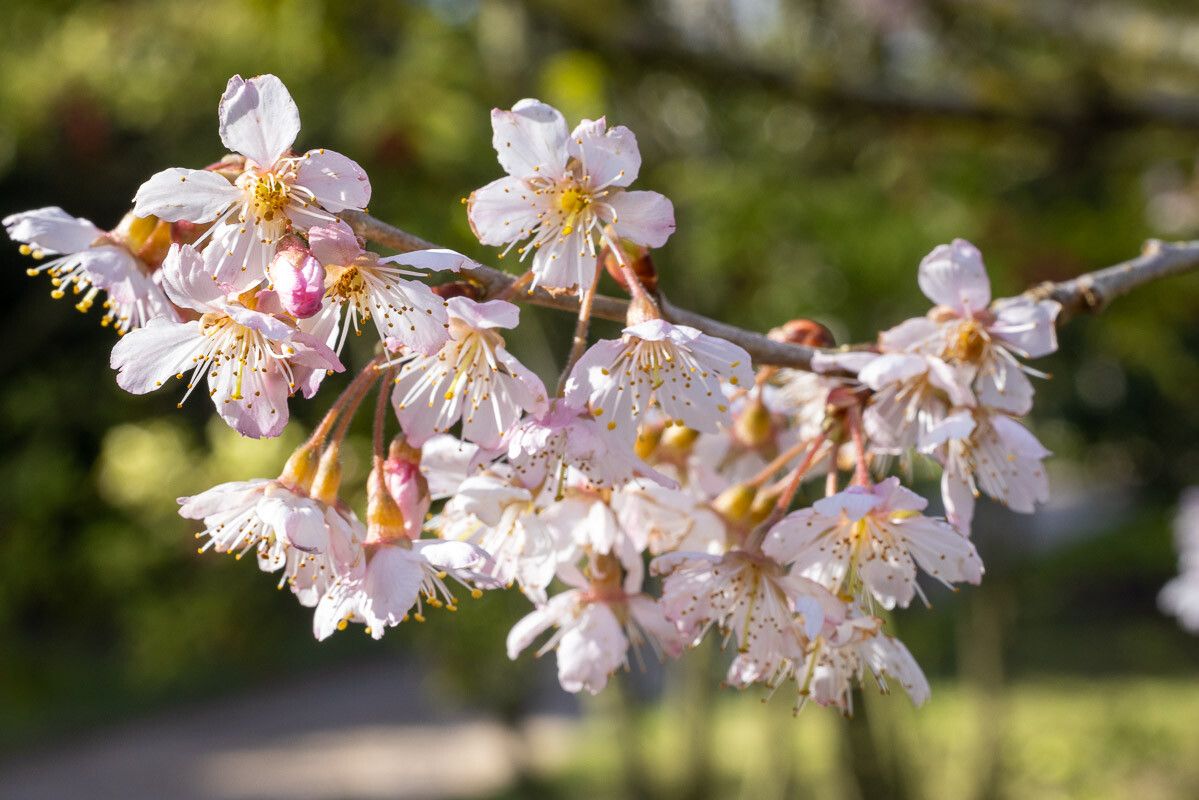
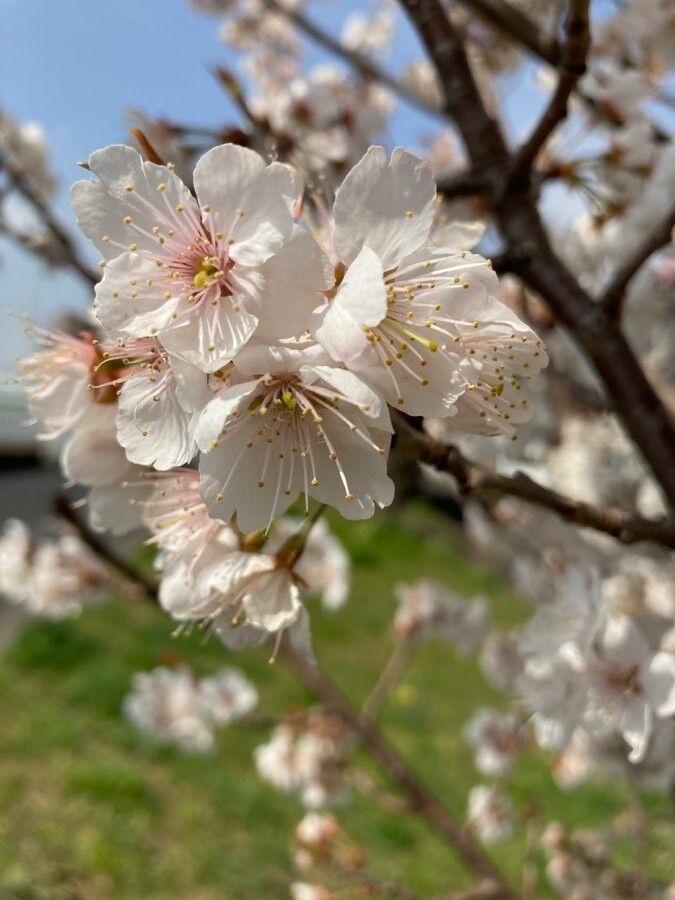
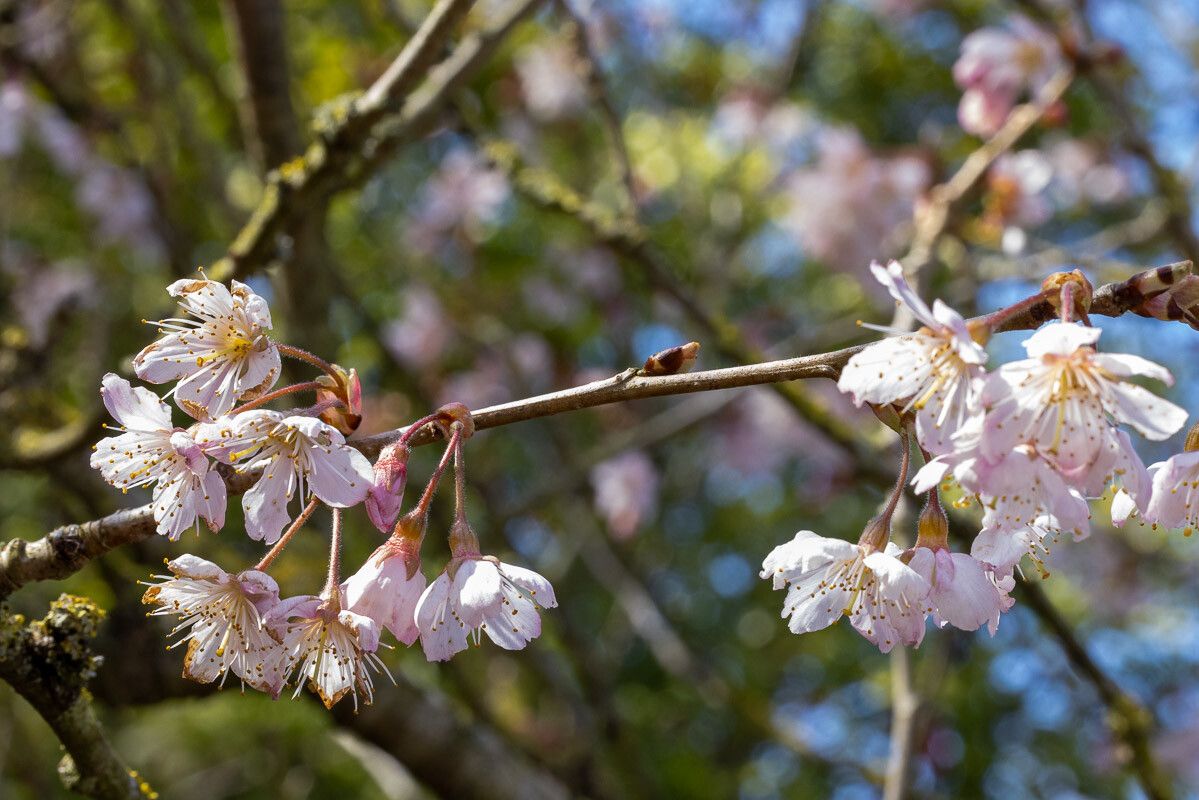
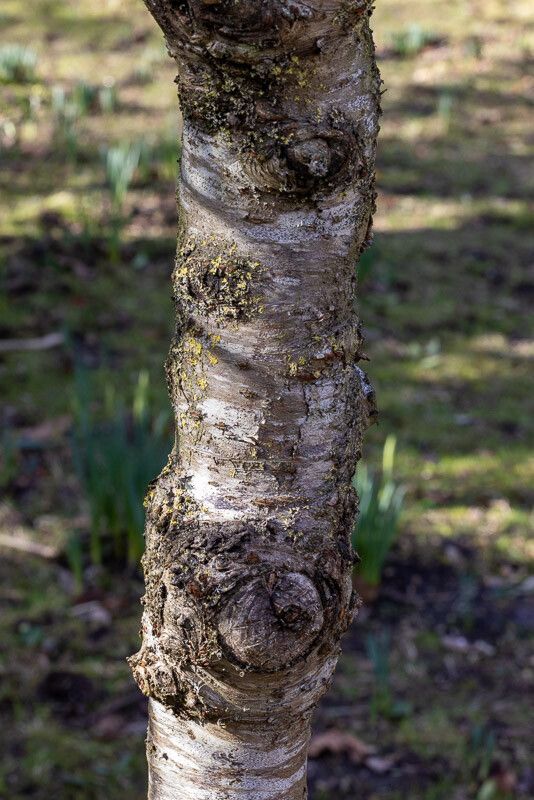
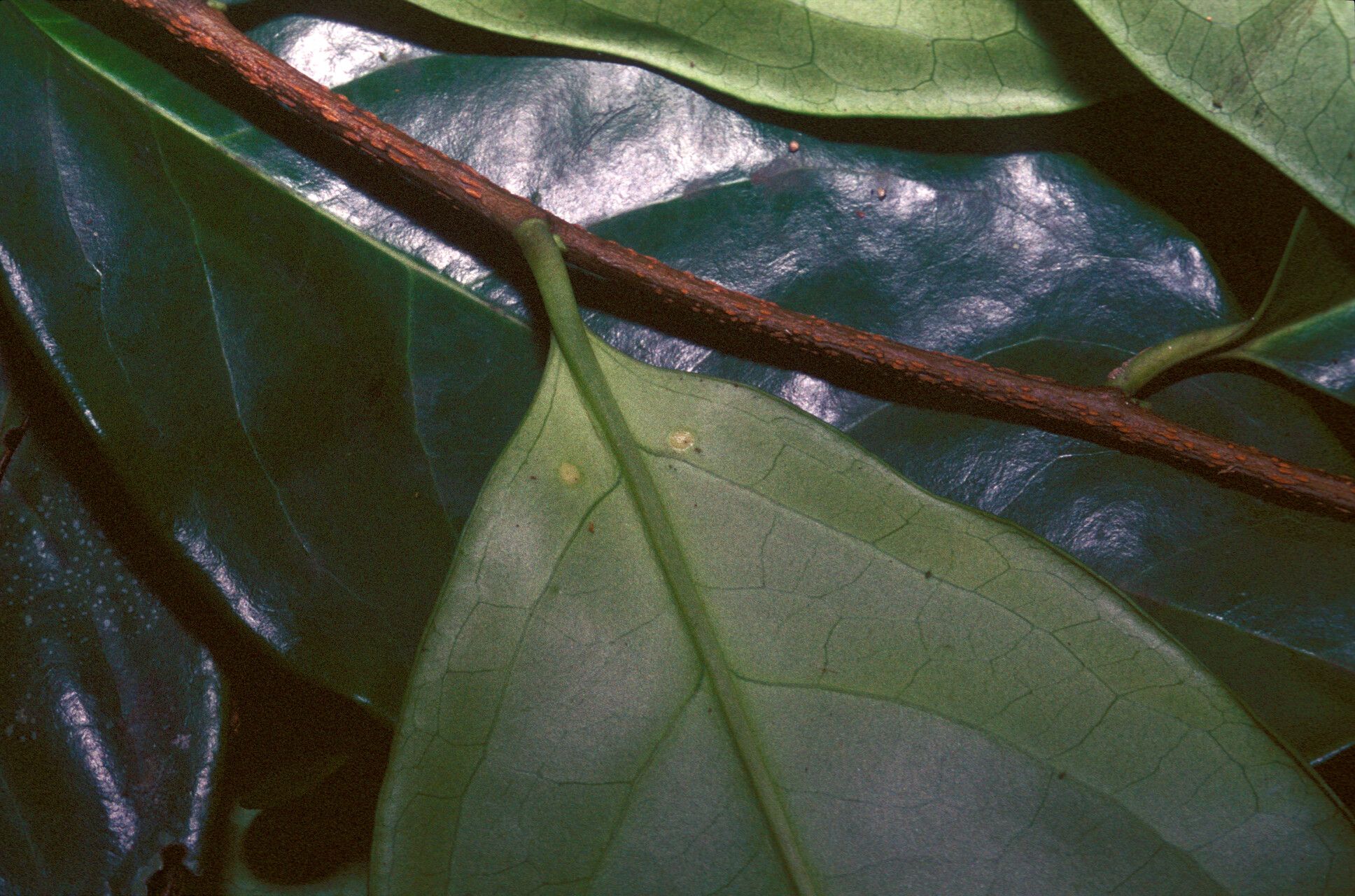
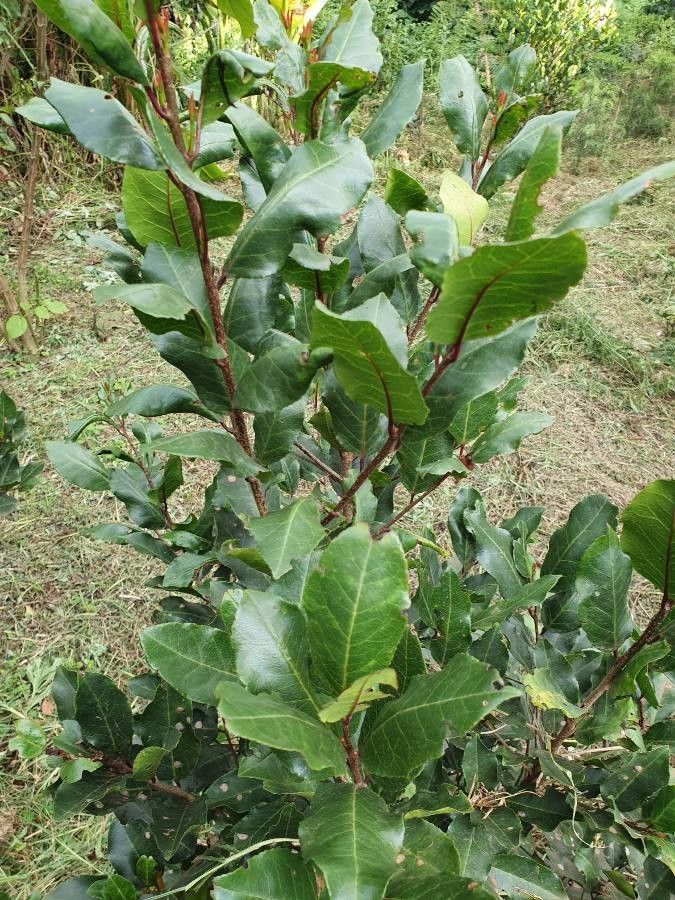
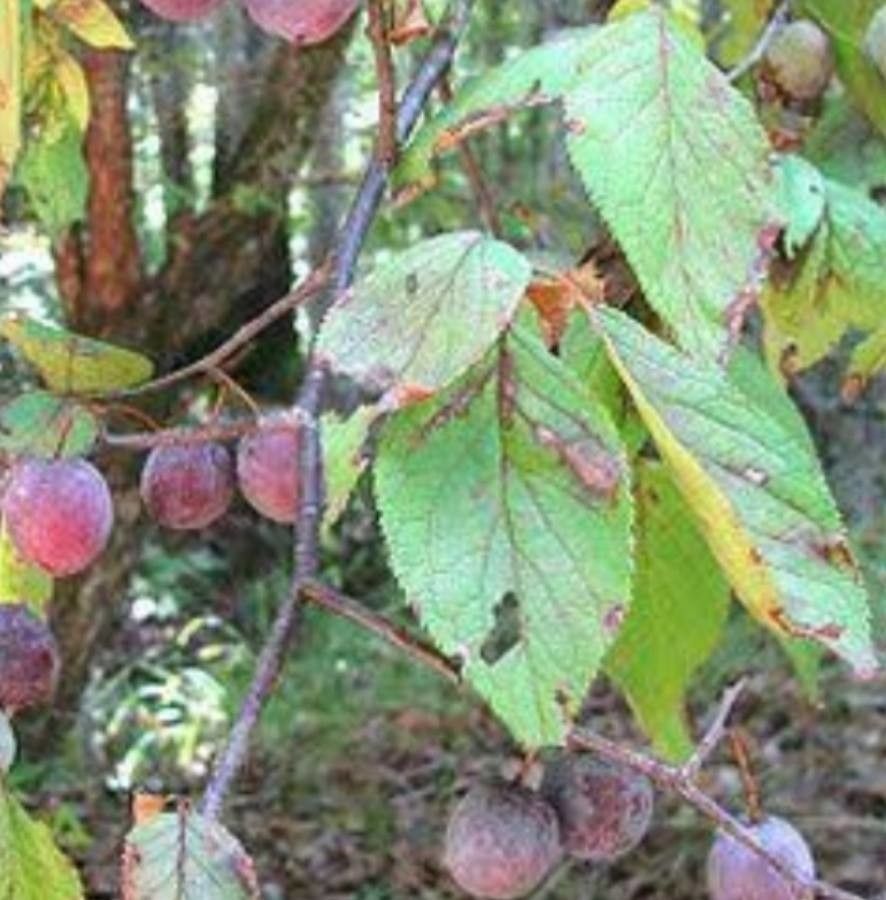
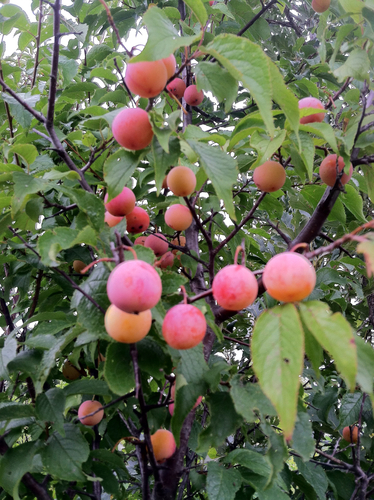
Prunus pseudocerasus or Prunus pseudo-cerasus, the Chinese sour cherry or just Chinese cherry, is a species of cherry native to China and is used worldwide as an ornamental for its early spring cherry blossoms. The fruits of some cultivars are edible.
Chinese sour cherry is disease-resistant and typically not susceptible to diseases. Regarding maintenance, this plant is fairly easy to care for. When grown outdoors it needs little watering, and larger specimens usually do not require pruning. Smaller specimens, however, should be pruned after flowering. Chinese sour cherry is appropriate for anyone with outdoor space, such as a garden or a deck, and does not demand much gardening experience.
How to keep Prunus Pseudocerasus.
Light
Chinese sour cherry grows best when it gets consistent sunlight throughout the day, which encourages robust growth. In its natural environment it can tolerate moderate shade without becoming stunted. However, too little light or too much sun can both slow normal development or even injure the plant.
Water
The Chinese sour cherry thrives even in areas with variable rainfall, demonstrating a moderate tolerance for drought. For optimal growth, water the plant every 2 to 3 weeks, allowing the soil to dry out slightly between waterings. This plant is usually grown outdoors and requires well-draining soil, which is crucial for both its active growth and dormant periods, as it influences its water requirements.
Temperature
Chinese sour cherry comes from regions that experience wide temperature swings, from cool to warm. It grows well in temperatures of 41 to 95 °F (5 to 35 °C). In colder seasons, consider giving the plant some warmth to maintain optimal growth.
Fertilizer
The Chinese sour cherry plant needs adequate nutrients for best fruit production. Fertilize in early spring to support new growth and blossom development. Regular feeding keeps the plant healthy, encourages production of more flavorful fruit, and prevents nutrient deficiency problems like yellowing leaves and poor fruit yields.
Pruning
The Chinese sour cherry is known for its small, tart fruits and dense foliage. To improve air circulation, shape the tree, and increase fruit yield while preventing disease, it is best to prune in late winter. Pruning at this time supports the tree's dormancy, reduces stress, and promotes healthy growth. For the best care practices suited to your specific region, consult with local horticultural experts.
Botanical profile.
- Plant Type
- Tree
- Life Cycle
- Perennial
- Genus
- Prunus
- Family
- Rosaceae
- Hardiness Zone
- 5-9
- Mature Height
- 7.92 m
- Mature Spread
- 3.66 m
- Leaf Color
- Green, Dark Green
- Leaf Type
- Deciduous
- Flower Color
- White, Pink
- Flower Size
- 2.03 cm
- Bloom Time
- Early spring, Mid spring
- Planting Time
- Spring, Summer
- Harvest Time
- Early summer, Mid summer
- Native Area
- China
Other names.
Reader questions.
What are the sunlight requirements for Chinese sour cherry?
The Chinese sour cherry requires consistent exposure to sunlight throughout the day for optimal growth, thriving well in both full sun (above 6 hours of sunlight) and partial sun conditions (about 3-6 hours of sunlight). While it can adapt to moderate shadow coverage without showing stunted growth, too little or too much light can be detrimental. It's important to watch how sunlight moves through your garden, choosing spots that ensure a perfect balance of light and shade, promoting the plant's happiness and healthy growth.
What is the origin and optimal growth temperature range for Chinese sour cherry?
Chinese sour cherry, botanically known as Prunus pseudocerasus, originates from areas that experience wide-ranging temperature fluctuations, from cool to warm climates. This plant can comfortably thrive in temperatures ranging from 41 to 95 °F (5 to 35 °C). To maintain optimal growth, it's important to provide the plant with some warmth during the colder seasons, though it generally demonstrates strong cold resistance and does not require special frost protection measures in most winter scenarios.
How does artificial lighting support the growth of Chinese sour cherry indoors?
Indoor Chinese sour cherry plants require adequate lighting for optimal growth, especially when natural sunlight is insufficient, such as during winter or in less sunny spaces. Artificial lighting, like LED lights that can be customized to provide specific wavelengths, offers a vital solution. For full sun plants, 30-50W/sq ft of artificial light is needed, partial sun plants require 20-30W/sq ft, and full shade plants need 10-20W/sq ft. The light source should be placed 12-36 inches above the plant, mimicking natural sunlight in duration, which is usually 8-12 hours per day, to promote faster and healthier growth.
How should I protect Chinese sour cherry in extreme cold conditions?
While the Chinese sour cherry has strong cold resistance, extra protection is recommended during particularly harsh winter conditions, especially if temperatures are expected to drop below -25°C. To safeguard the plant, you can wrap its trunk and branches with non-woven fabric or cloth. Additionally, before the onset of the first freeze in autumn, it's advisable to water the plant abundantly to ensure the soil remains moist and enters a frozen state. This preparation helps prevent drought and water scarcity for the plant during winter and early spring.
What are the common symptoms of inadequate sunlight exposure in Chinese sour cherry?
Chinese sour cherry may show several symptoms due to insufficient sunlight, including smaller new leaves, leggy or sparse growth, faster leaf drop, slower or halted new growth, and lighter-colored new leaves. Excessive sunlight can cause chlorosis (leaves turning yellow), sunscald (pale or necrotic spots on leaves), leaf curling, wilting, and leaf scorching. These symptoms highlight the plant's struggle with either absorbing enough light or dealing with too much light, affecting its overall health and growth.
What symptoms indicate Chinese sour cherry is enduring low temperatures, and what are the solutions?
If temperatures fall below -25°C, the branches of the Chinese sour cherry may become brittle and dry during springtime, with no new shoots emerging, despite the plant's cold tolerance. Typically, this cold tolerance allows it to thrive best with temperatures above 5°C, and it should ideally be kept above -20°C during winter. Should these symptoms occur, the recommended solution is to prune away any dead branches that have failed to produce new leaves in the spring.
How can one mitigate the issues of inadequate or excessive sunlight for Chinese sour cherry?
To mitigate sunlight issues for Chinese sour cherry, gradually move plants to a sunnier location for at least 6 hours of direct sunlight daily if they're indoors, using south-facing windows or artificial lights like desk or ceiling lamps for at least 8 hours daily. Outdoors, avoid sudden changes in light intensity to prevent sunburn and move plants gradually to optimal spots. If obstructions like trees block sunlight, consider pruning or transplanting smaller plants to sunnier locations with good drainage during their dormant period. While parts of the plant affected by insufficient sunlight may not recover, new growth will be healthy after adjusting light exposure.
How does high temperature affect Chinese sour cherry, and what measures should be taken?
During the summer, it is important to ensure that the Chinese sour cherry's environment does not exceed 35°C. Exposing the plant to temperatures above 38°C may result in lighter colored leaves, with the tips becoming dry and withered, making the plant more susceptible to sunburn. To mitigate these issues, trim away sunburned and dried-up parts of the plant. Moving the plant to a shaded area during the midday and afternoon sun or using a shade cloth can provide necessary protection. Additionally, watering the plant in the morning and evening helps keep the soil moist and supports plant health under high temperature conditions.