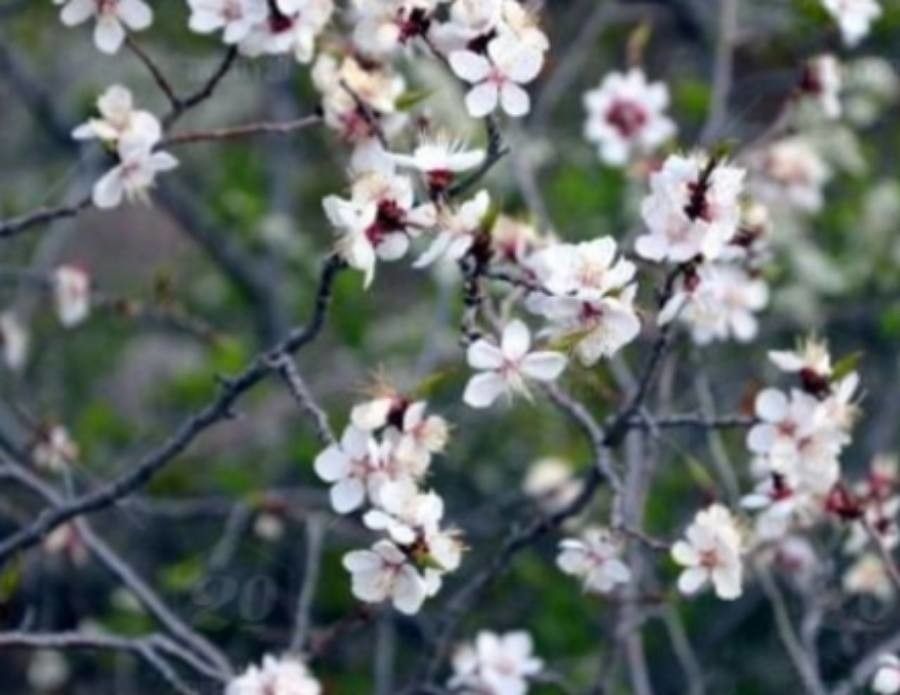
Prunus sibirica, called Siberian apricot (Chinese: 山杏; pinyin: shān xìng), is a species of shrub or small tree native to northern China, Korea, Mongolia, and eastern Siberia. It is in the genus Prunus in the rose family, Rosaceae, one of several species whose fruit are called apricot, although this species is rarely cultivated for its fruit. The species was named by Carl Linnaeus in 1753.
Siberian apricot has good disease resistance and is generally not prone to diseases. Care-wise, this plant is relatively low maintenance. When grown outdoors it requires minimal watering, and larger specimens generally do not need pruning. However, smaller plants should be pruned after they have bloomed. Siberian apricot is suitable for anyone with an outdoor space, such as a garden or deck, and does not require a lot of care experience.
How to keep Prunus Sibirica.
Light
The Siberian apricot came from open areas like sunlit meadows and the edges of forests, where there is an abundance of light. It prospers in Full Sun yet can do well in Partial Sun as well, indicating its strong adaptation to different levels of sunlight.
Water
Watering a Siberian apricot tree should be based on its growth stage, local weather conditions, and soil quality. Begin by watering once before the buds start to develop. From mid-spring to fall, water the tree monthly, making sure to soak the soil thoroughly until excess water drains away. After watering, loosen the soil and remove any weeds. Stop watering in autumn and winter to avoid frost damage.
Temperature
Siberian apricot is highly adaptable to a wide range of climatic conditions, whether exposed to scorching summers or chilly winters. However, it does have an optimal temperature range for growth. If temperatures become too high, the plant is susceptible to heat and humidity stress, which can lead to its death. In areas where temperatures approach the lower limit of its cold tolerance, it is important to apply insulation to protect the plant.
Fertilizer
For the best fruit yield, the Siberian apricot plant needs plenty of nutrients. Apply fertilizer in the early spring to support new growth and blossom formation. Consistent fertilization maintains the plant's health, enhances the taste of the fruit, and averts issues related to nutrient deficiency such as yellowing leaves and inadequate fruit production.
Pruning
The Siberian apricot is a hardy plant known for its resilience and beautiful blooms. To maintain its health and appearance, prune it in early spring. This involves removing dead branches and thinning out crowded areas to improve air circulation. Additionally, regularly removing suckers enhances the plant's vigor, encourages abundant flowering, and aligns with the Siberian apricot's natural growth cycle.
Botanical profile.
- Plant Type
- Tree
- Life Cycle
- Perennial
- Genus
- Prunus
- Family
- Rosaceae
- Hardiness Zone
- 3-7
- Mature Height
- 3.05 m to 4.88 m
- Mature Spread
- 2.13 m to 3.96 m
- Leaf Color
- Green, Dark Green
- Leaf Type
- Deciduous
- Flower Color
- Pink, White
- Flower Size
- 2.03 cm to 3.05 cm
- Bloom Time
- Early spring, Mid spring
- Planting Time
- Spring
- Harvest Time
- Mid summer, Late summer
- Native Area
- Russia, Mongolia, Koppen, South Korea, China
Other names.
Reader questions.
What are the sunlight requirements for Siberian apricot (Prunus sibirica)?
The Siberian apricot (Prunus sibirica) thrives in areas that receive full sunlight, defined as more than 6 hours of direct sunlight daily. It can also grow in partial sun, which means the plant would get about 3-6 hours of sunlight. It's important to observe the movement of sunlight in your garden throughout the day to find spots that offer a good balance of light and shade. This careful selection ensures the plants are placed in conditions that meet their needs for optimal growth and health.