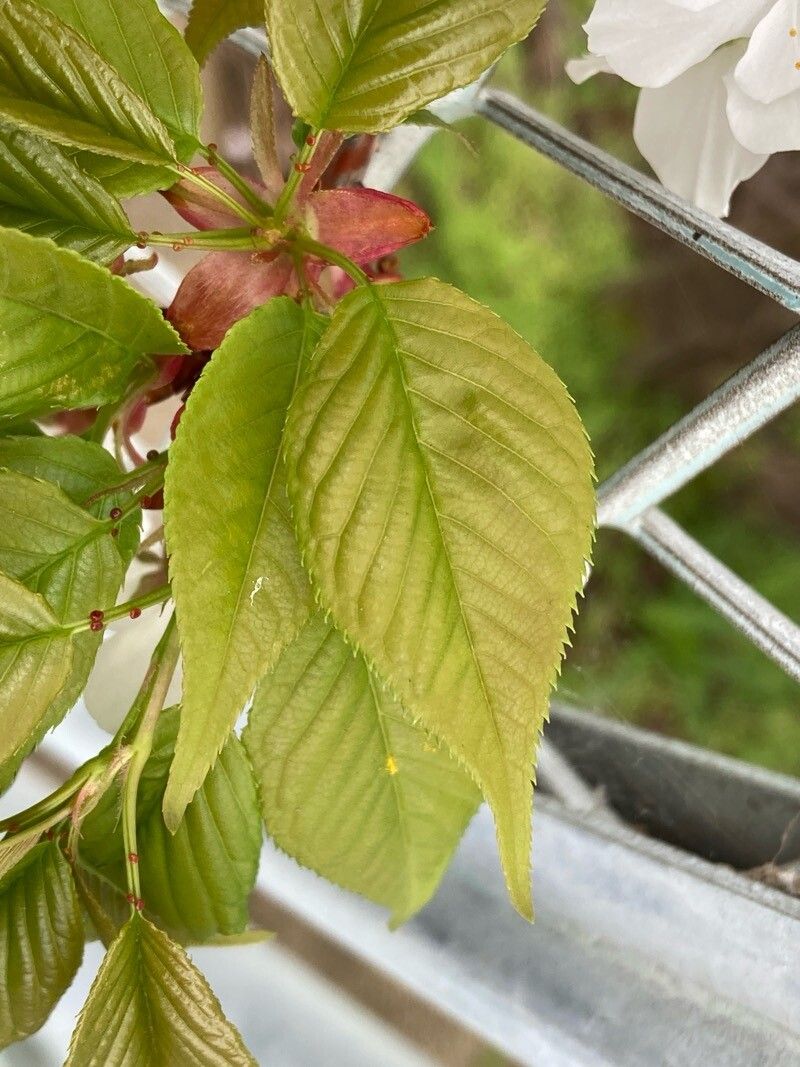
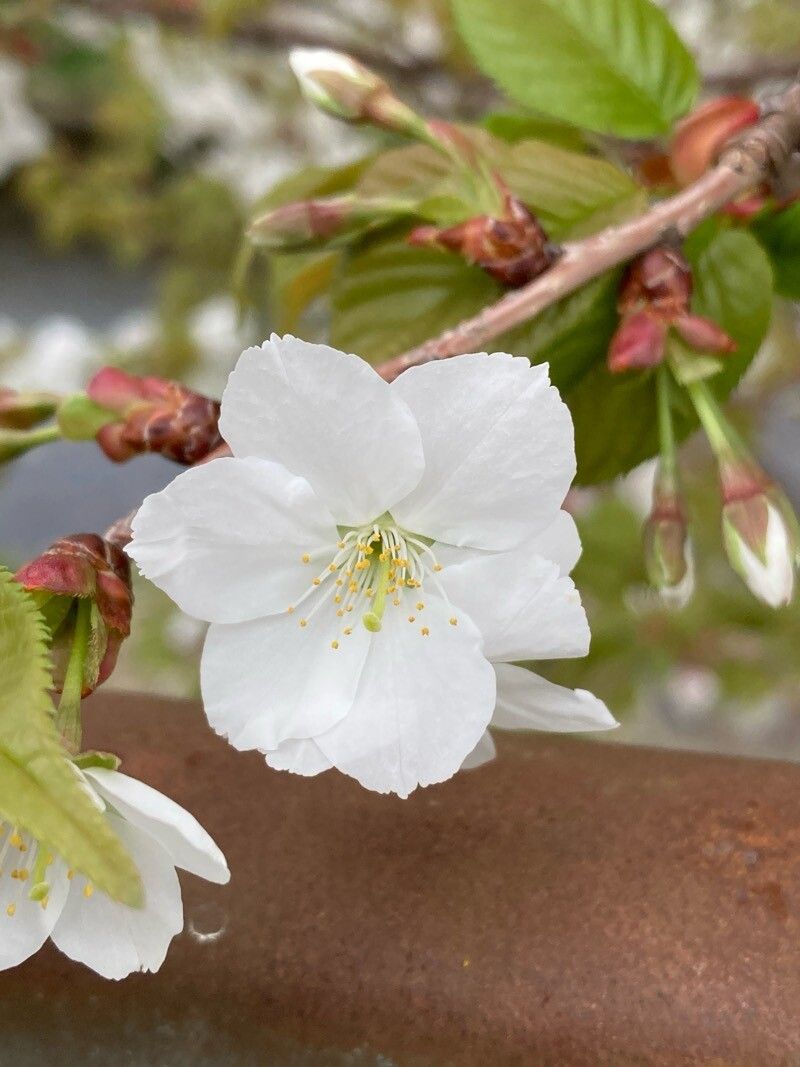
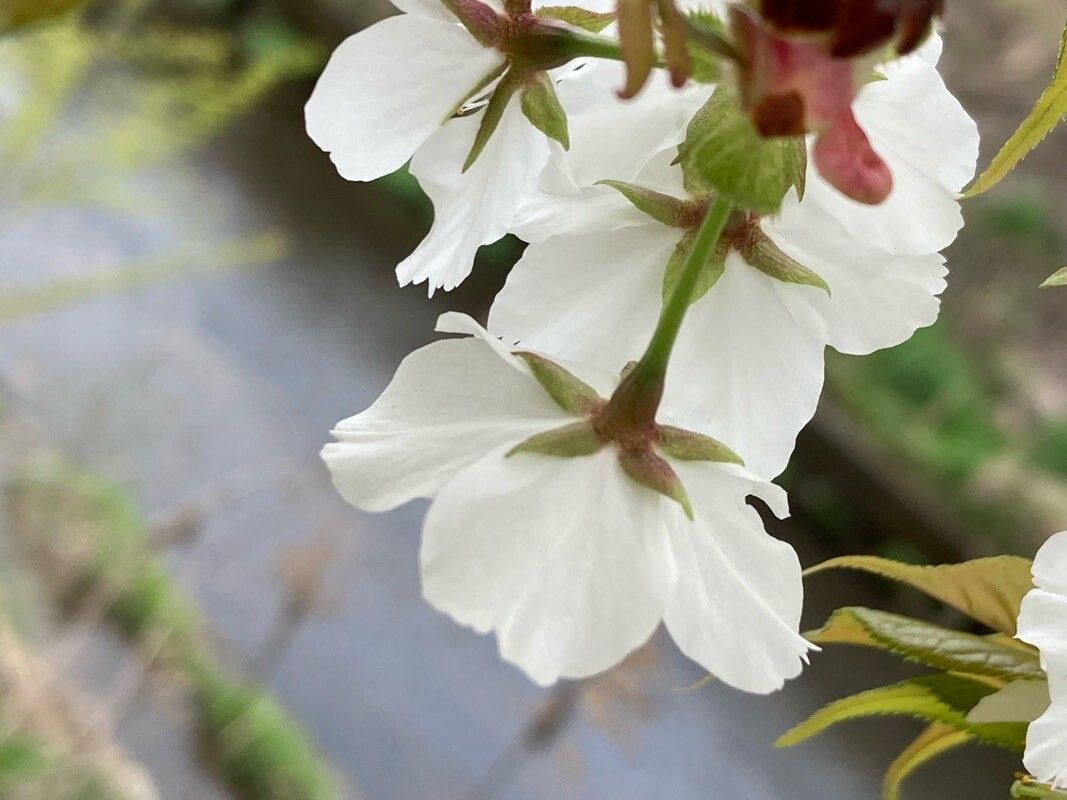
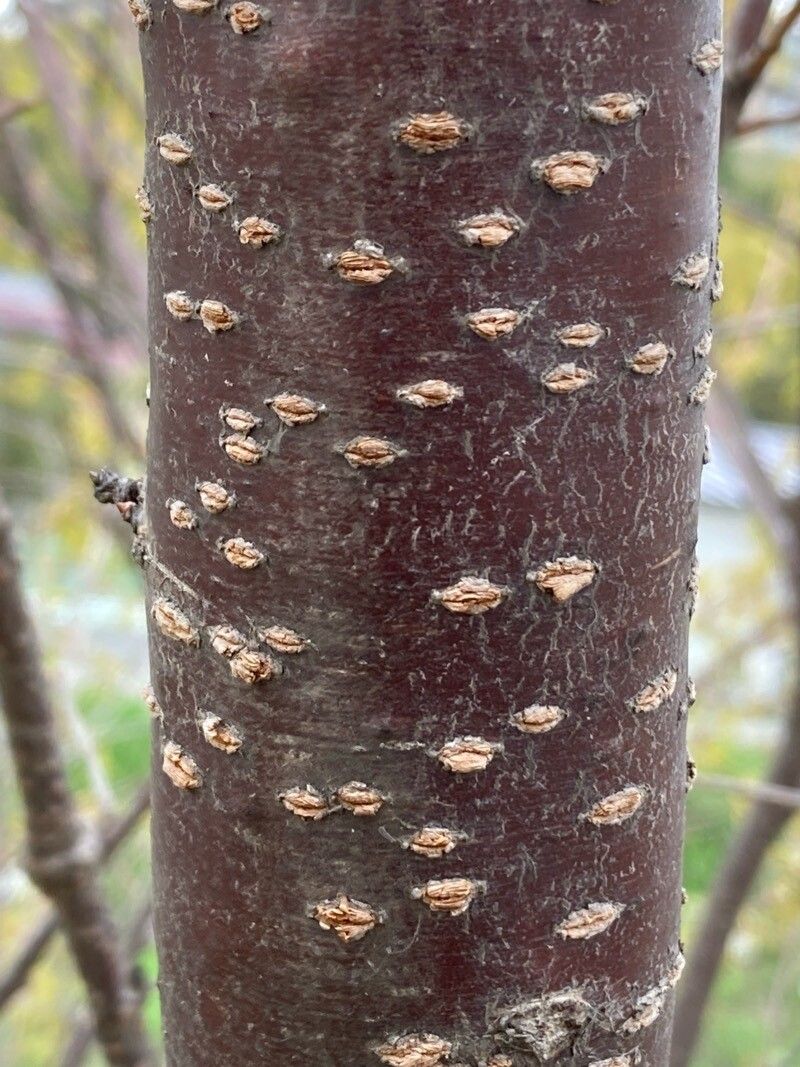
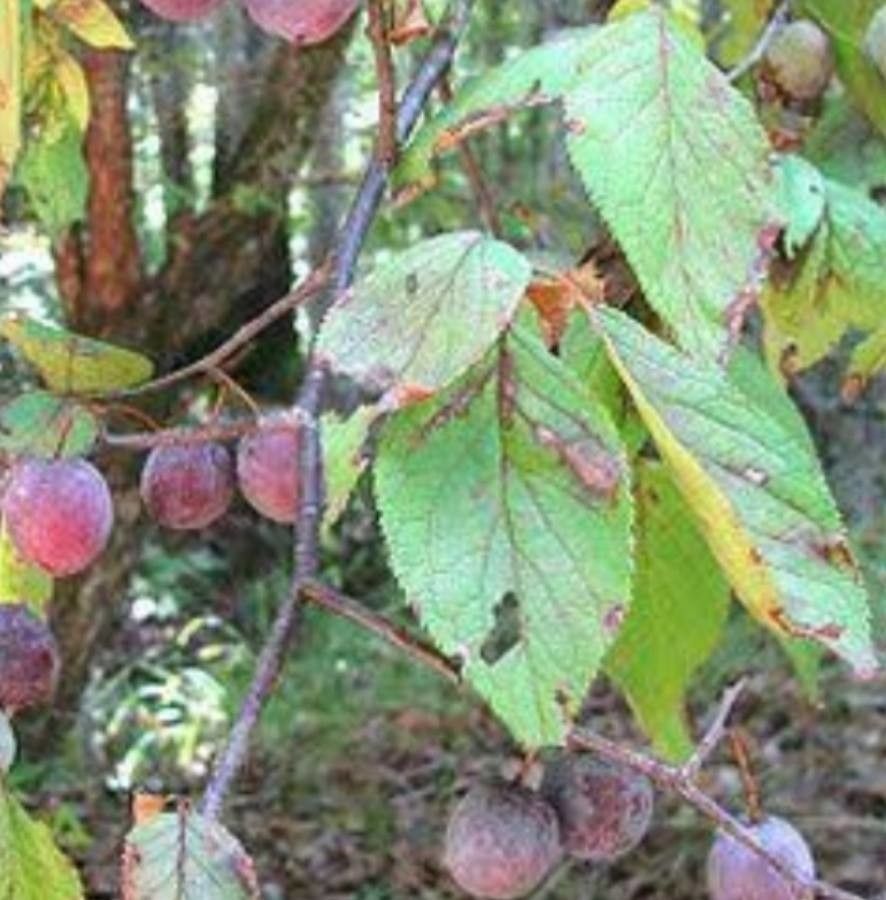
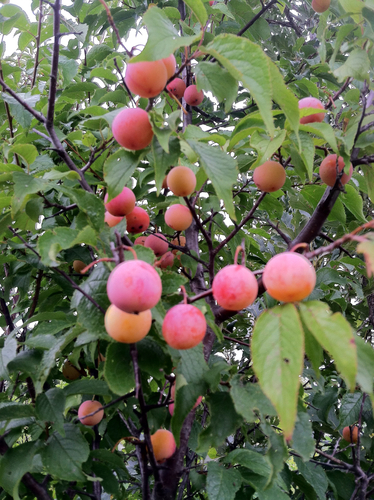
Prunus speciosa, the Oshima cherry , is a true cherry tree noted for its ornamental cherry blossoms. It is native to Izu Ōshima island and the Izu Peninsula on Honshū near Tokyo, Japan.
Japanese cherry shows strong resistance to disease and is typically not susceptible to illnesses. Regarding care, this plant is fairly low-maintenance. When grown outdoors, it needs little watering, and larger specimens usually do not require pruning. Smaller plants, however, should be pruned after they finish blooming. Japanese cherryt is appropriate for anyone with outdoor space, like a garden or deck, and does not demand extensive care experience.
How to keep Prunus Speciosa.
Light
The Japanese cherry prefers plentiful light, which encourages its best growth. Although it can tolerate areas with less illumination, those circumstances may harm its health and reduce its lushness. In its native range it receives abundant sunlight, reflecting the conditions under which it flourishes. Too much exposure can be harmful, causing scorching, while too little light may lead to diminished vigor.
Water
The Oshima cherry tree, native to areas with distinct wet and dry seasons, is moderately drought-tolerant and flourishes when watered every 2-3 weeks. It thrives in temperate climates, taking advantage of natural rainfall patterns that promote its growth cycle.
Temperature
The Japanese cherry favors a temperate climate and can tolerate temperatures from 5 to 35 ℃ (41 to 95 ℉). In its native growth environment it can thrive across a range of temperatures but prefers cooler conditions during the growing season. During hot summers it benefits from shade and regular watering.
Fertilizer
Proper timing is important for fertilizing Japanese cherry. Apply fertilizer in early spring and repeat it monthly until early summer. The fertilizer encourages attractive blooms and supplies energy during both dormant and active growth periods.
Pruning
The Oshima cherry tree features beautiful white flowers and has a robust structure. To encourage healthy growth, prune in early spring by removing dead or crossing branches, which will enhance air circulation and light penetration. Light, regular pruning promotes abundant blooms and overall improved health, making the Oshima cherry an attractive choice for any garden.
Botanical profile.
- Plant Type
- Tree
- Life Cycle
- Perennial
- Genus
- Prunus
- Family
- Rosaceae
- Hardiness Zone
- 5-10
- Mature Height
- 3.96 m to 15.85 m
- Mature Spread
- 4.57 m to 6.1 m
- Leaf Color
- Green
- Leaf Type
- Deciduous
- Flower Color
- Pink, White
- Flower Size
- 2.03 cm to 3.05 cm
- Bloom Time
- Mid spring, Late spring
- Planting Time
- Spring, Autumn
- Harvest Time
- Early summer, Mid summer
- Native Area
- Koppen, Japan, South Korea, China
Other names.