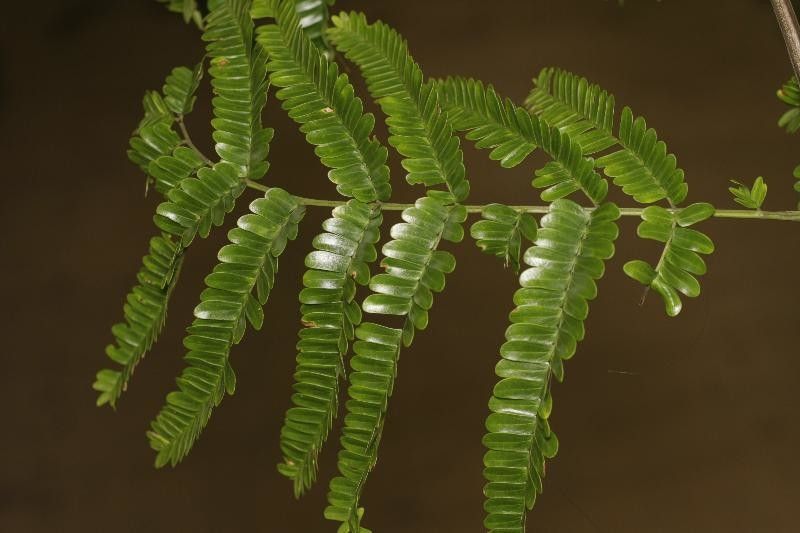
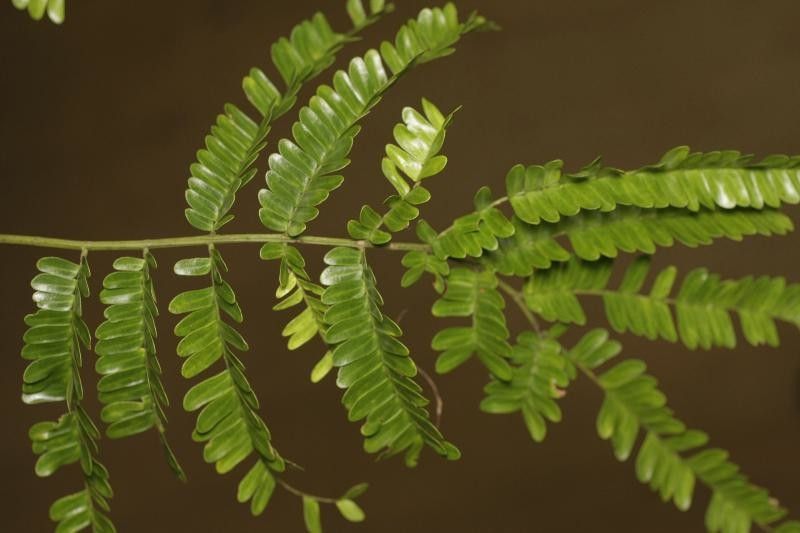
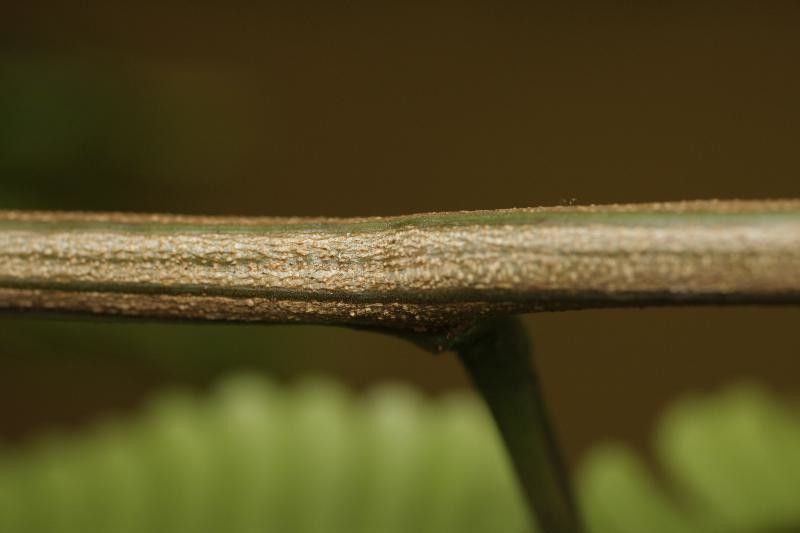
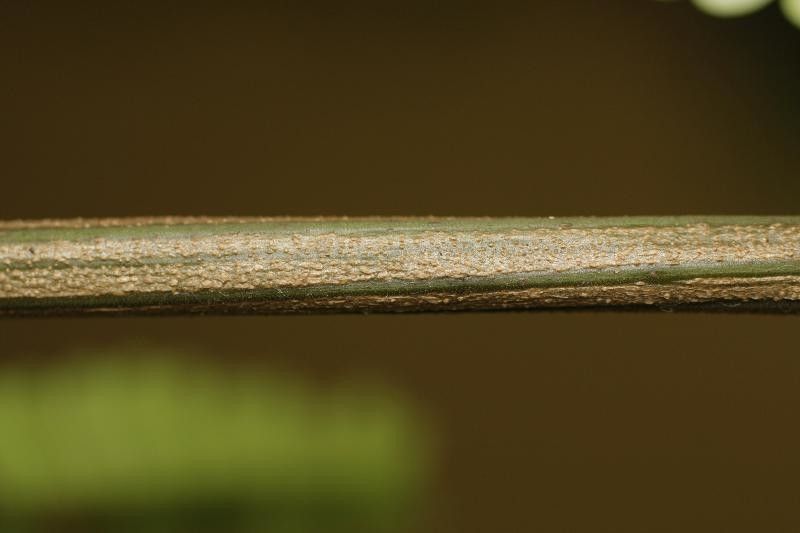
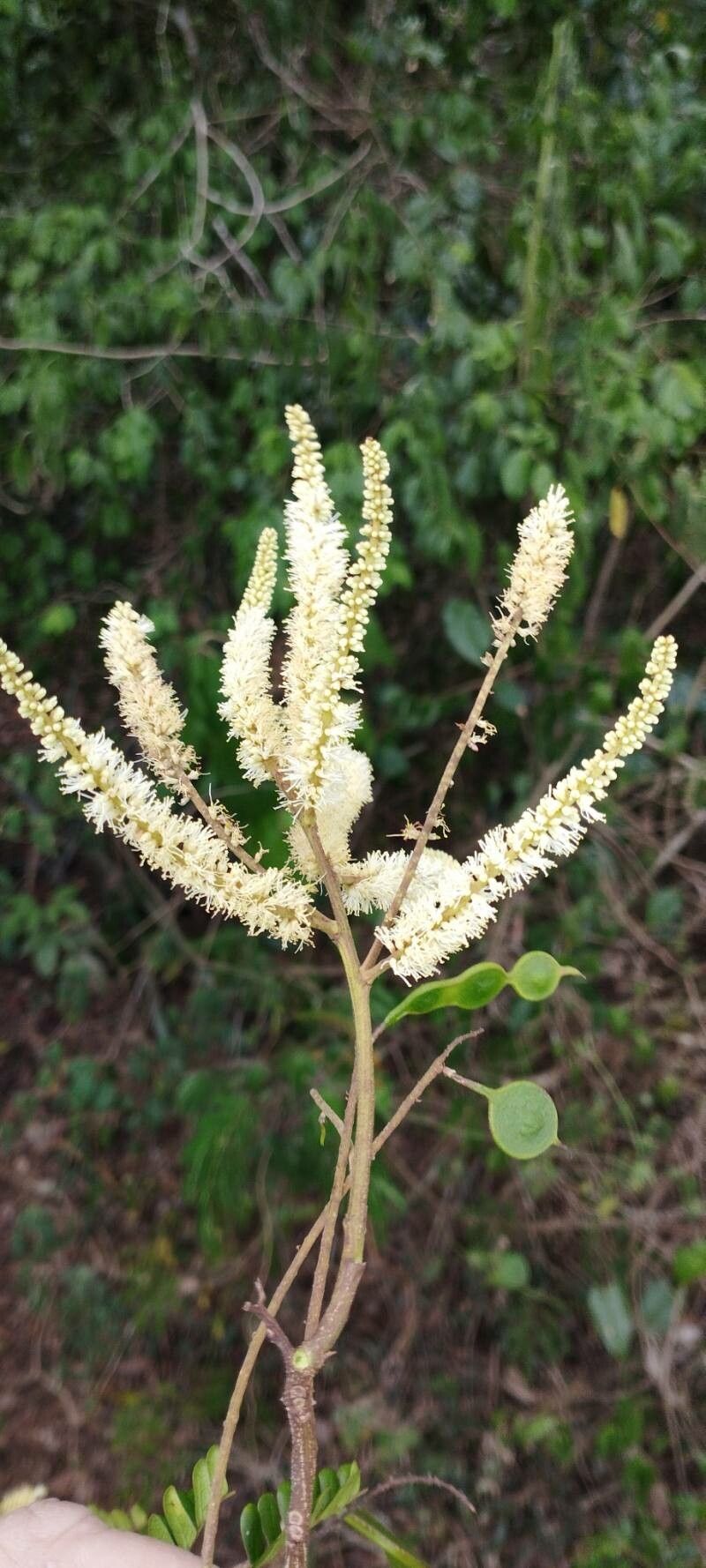
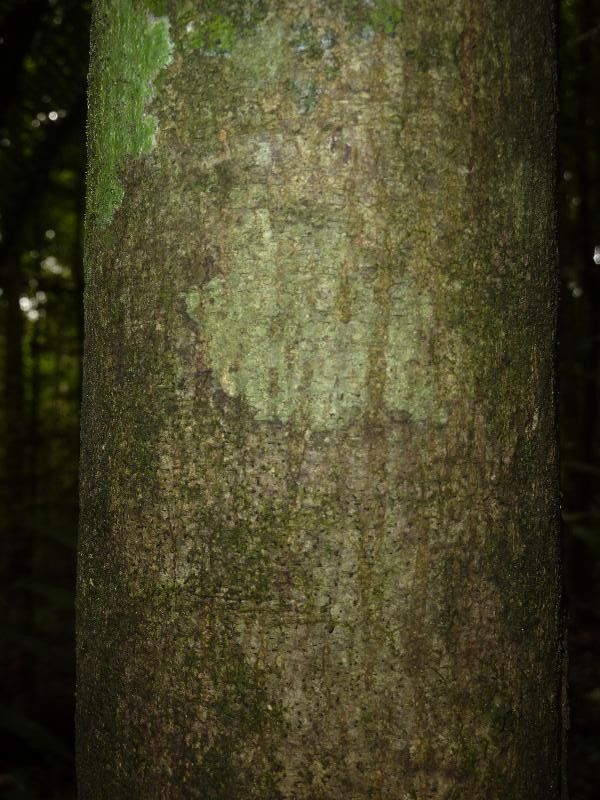
Pseudopiptadenia psilostachya has strong disease resistance and is generally unlikely to suffer from illnesses. In terms of care, this plant is fairly low-maintenance. When grown outdoors it needs only minimal watering, and larger specimens typically do not require pruning. Smaller plants, however, should be pruned after they have bloomed. Pseudopiptadenia psilostachyat is appropriate for anyone with an outdoor space, such as a garden or deck, and does not demand a lot of care experience.
How to keep Pseudopiptadenia Psilostachya.
Light
Pseudopiptadenia psilostachya comes from open habitats, such as sunny meadows and forest edges, that offer abundant light. It does best in Full Sun but can also tolerate Partial Sun, showing good adaptability to different sunlight conditions.
Water
Pseudopiptadenia psilostachya thrives in humid and moist environments, requiring consistent watering. It should be watered twice a week. While it has moderate drought tolerance, this species is best suited for outdoor cultivation in regions that replicate its native tropical climate.
Temperature
Pseudopiptadenia psilostachya demonstrates good temperature adaptability, capable of withstanding high heat and large temperature swings. In hot conditions, care should be taken with watering and providing appropriate shade to avoid sunburn. On the other hand, Pseudopiptadenia psilostachya is fairly sensitive to low temperatures; it can tolerate some cold, but excessively low temperatures may result in frost damage.
Fertilizer
Fertilize your Pseudopiptadenia psilostachya in early spring to encourage healthy growth. Regular feeding improves the plant’s overall health, leading to vigorous growth, increased tolerance of challenging conditions, and better resistance to pests and diseases. Keep to a consistent fertilization schedule for your Pseudopiptadenia psilostachya to ensure vibrant, deeply colored foliage and a lush appearance.
Pruning
Pseudopiptadenia psilostachya is admired for its attractive foliage. To keep the plant healthy and beautiful, prune it in early spring. Use clean tools to remove any damaged branches and to shape the plant. However, be careful not to prune too heavily, as this can stress the plant. Regular, light pruning encourages healthy growth and improves the plant's appearance. Additionally, be sure to properly dispose of the cuttings to help prevent the spread of diseases.
Botanical profile.
- Plant Type
- Tree
- Life Cycle
- Perennial
- Genus
- Pseudopiptadenia
- Family
- Fabaceae
- Hardiness Zone
- 10-12
- Mature Height
- 14.94 m to 29.87 m
- Mature Spread
- 10.06 m to 20.12 m
- Leaf Color
- Green, Dark Green
- Leaf Type
- Deciduous
- Flower Color
- White
- Flower Size
- 0.25 cm to 0.51 cm
- Bloom Time
- Late spring, Early summer, Mid summer
- Planting Time
- Spring, Summer
- Harvest Time
- Late summer, Early fall, Mid fall
- Native Area
- Guyana, Colombia, Ecuador, Brazil
Reader questions.
What are the sunlight requirements for Pseudopiptadenia psilostachya?
Pseudopiptadenia psilostachya, also known by its botanical name Pseudopiptadenia psilostachya, thrives best in varying degrees of sunlight. For optimal growth, this plant requires 'Full sun,' which means it needs above 6 hours of sunlight daily. Yet, it can also tolerate 'Partial sun,' indicating it can grow with about 3-6 hours of sunlight each day. It's important to observe the movement of sunlight through your garden to find spots that offer the right balance of light and shade, ensuring the plant's well-being and happiness.