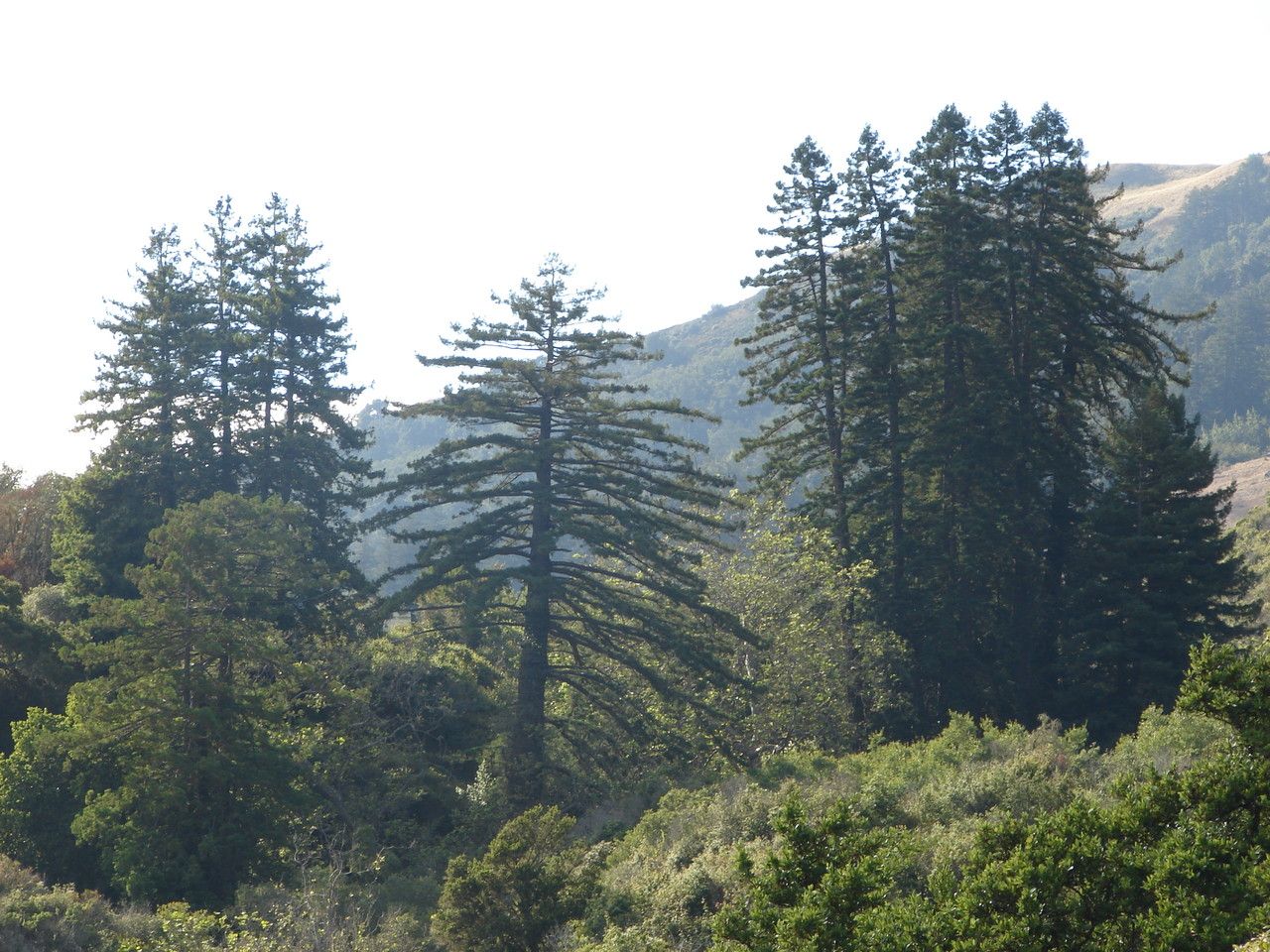
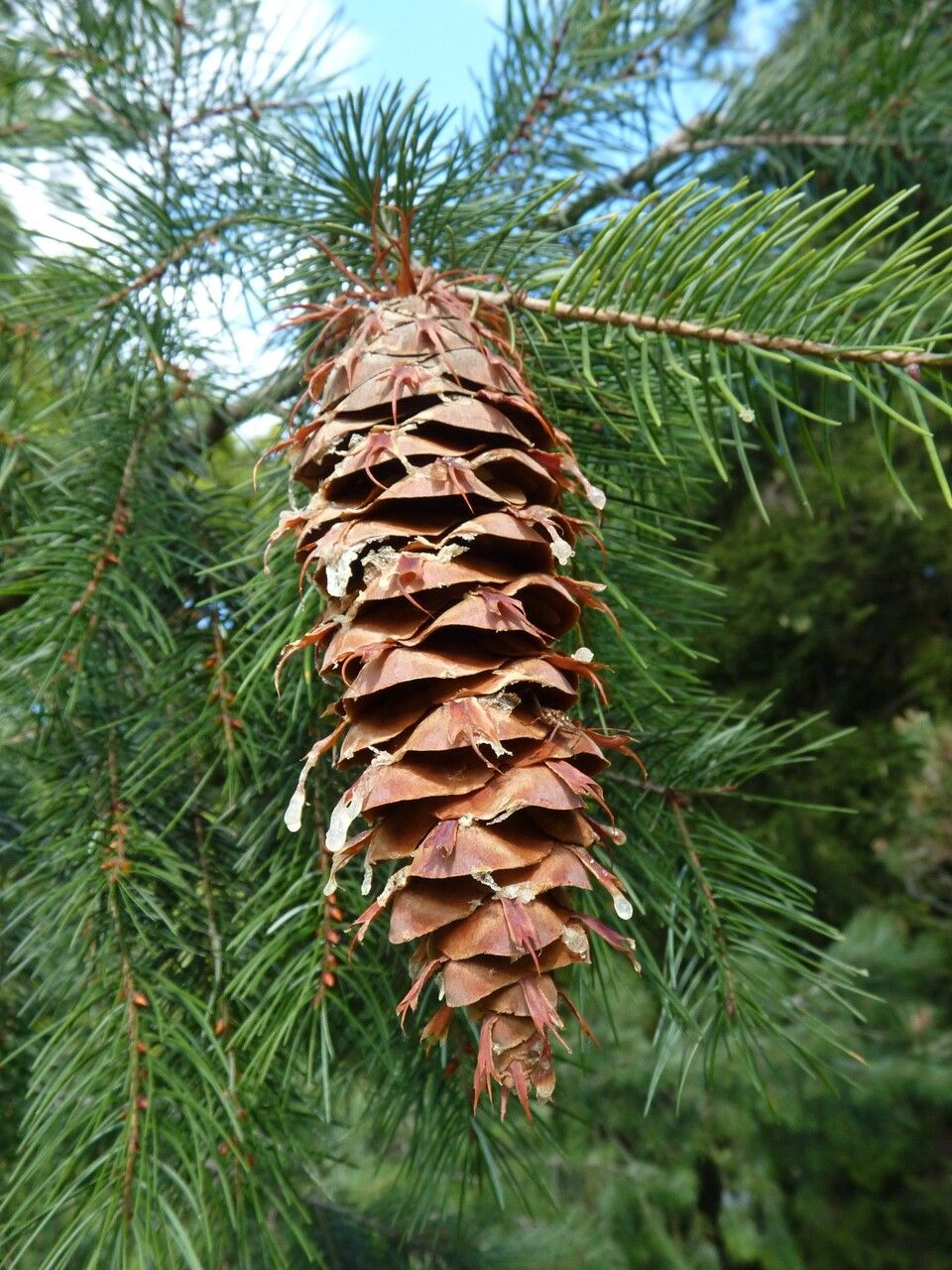
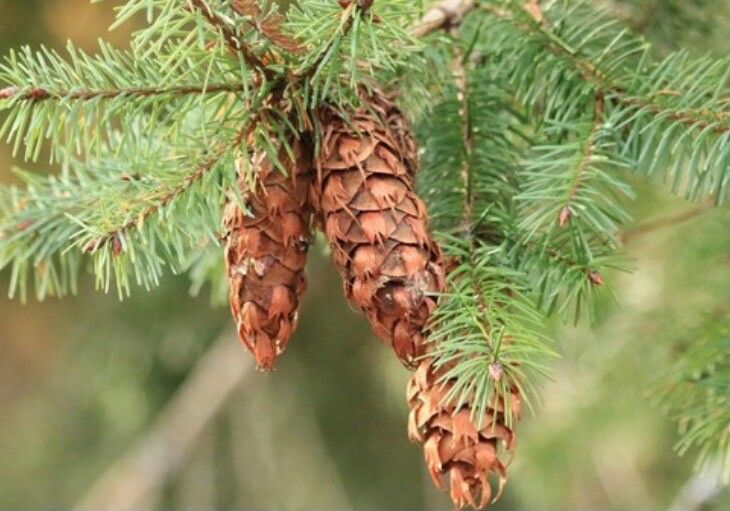
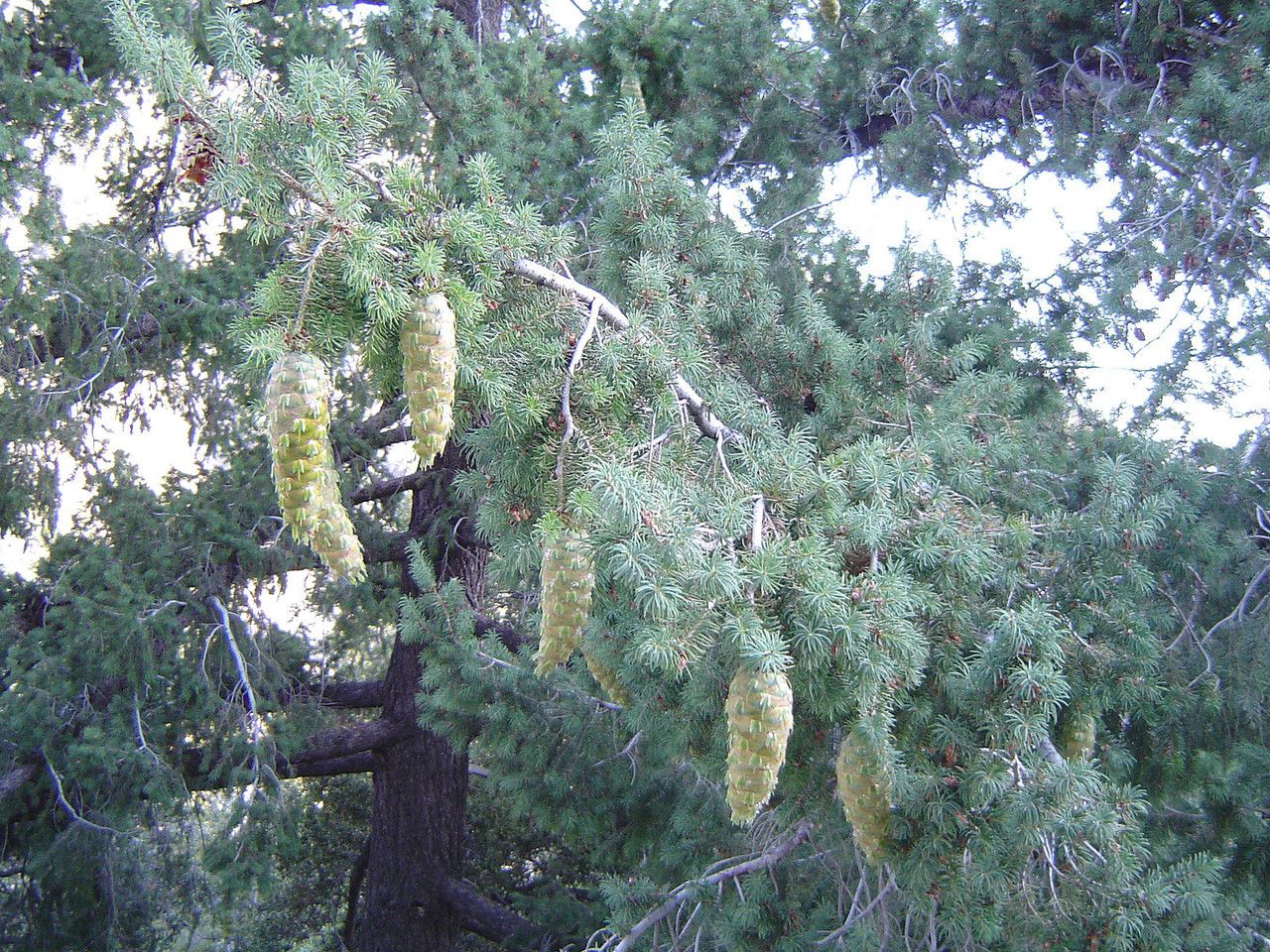
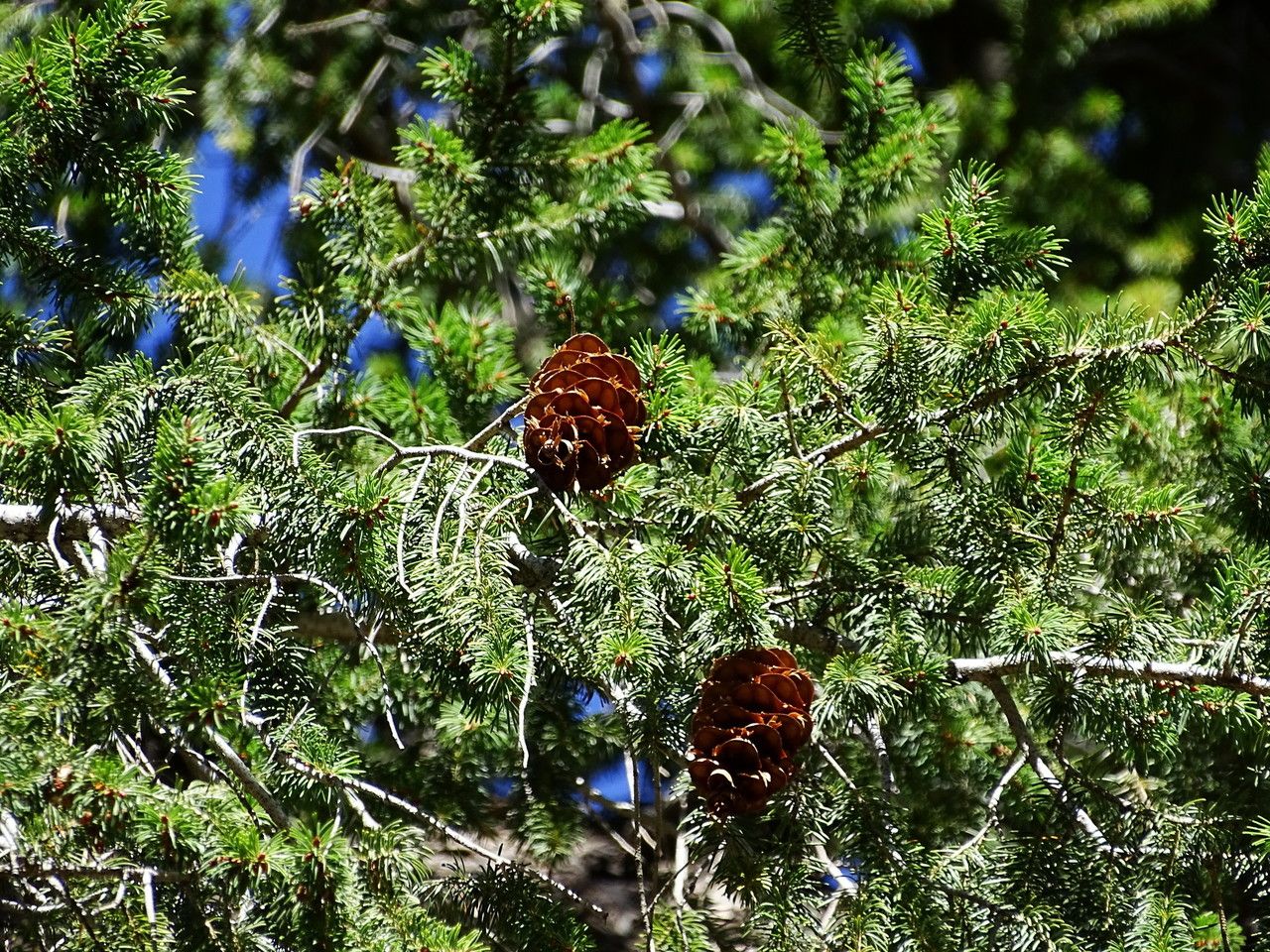
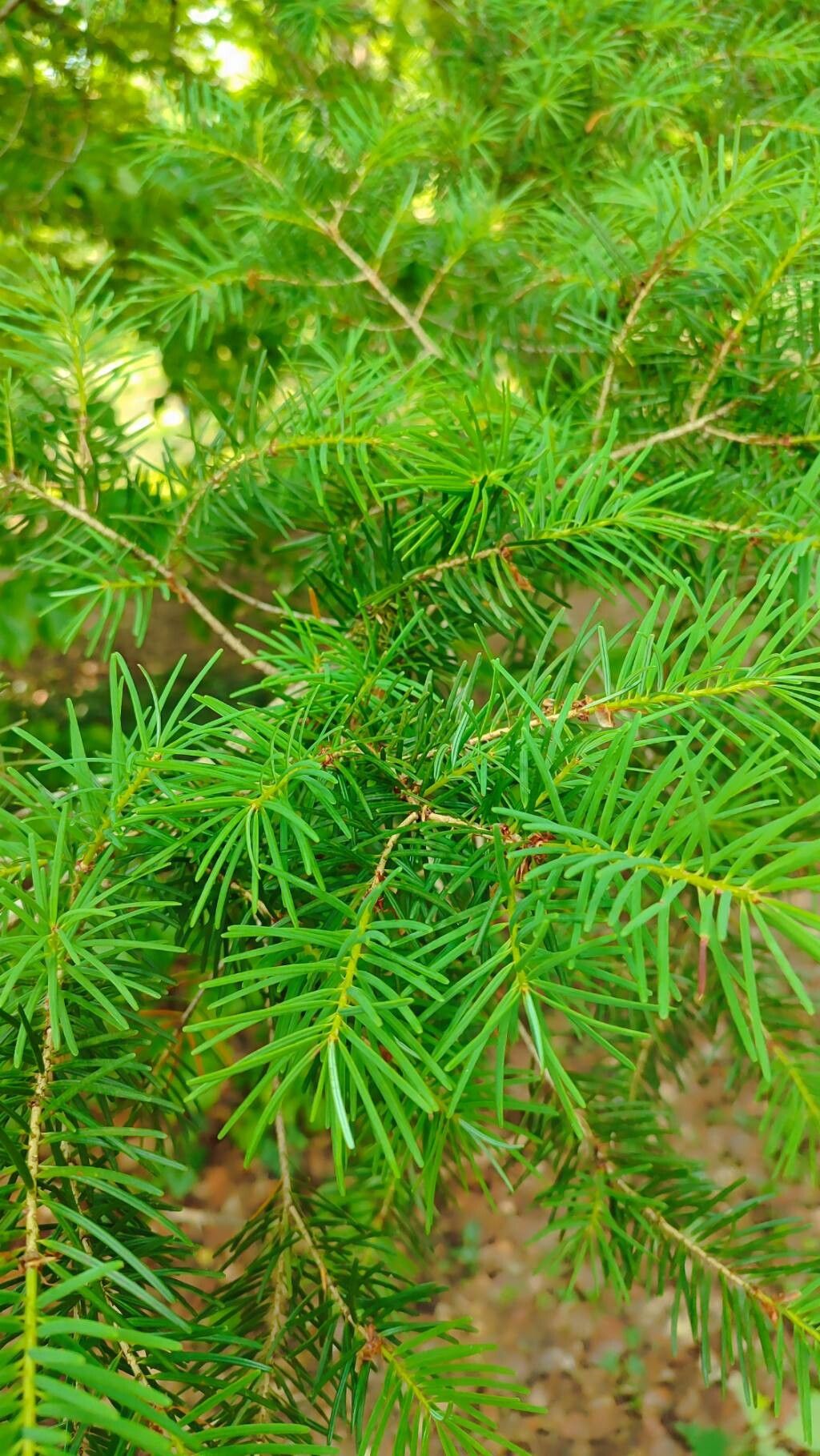
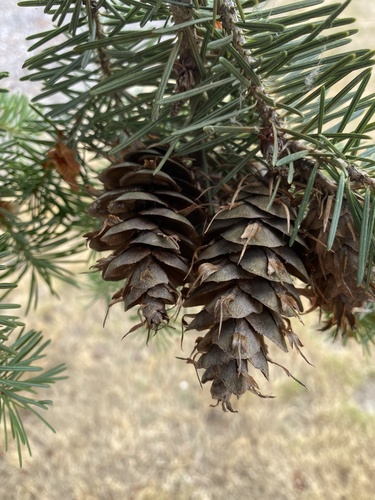
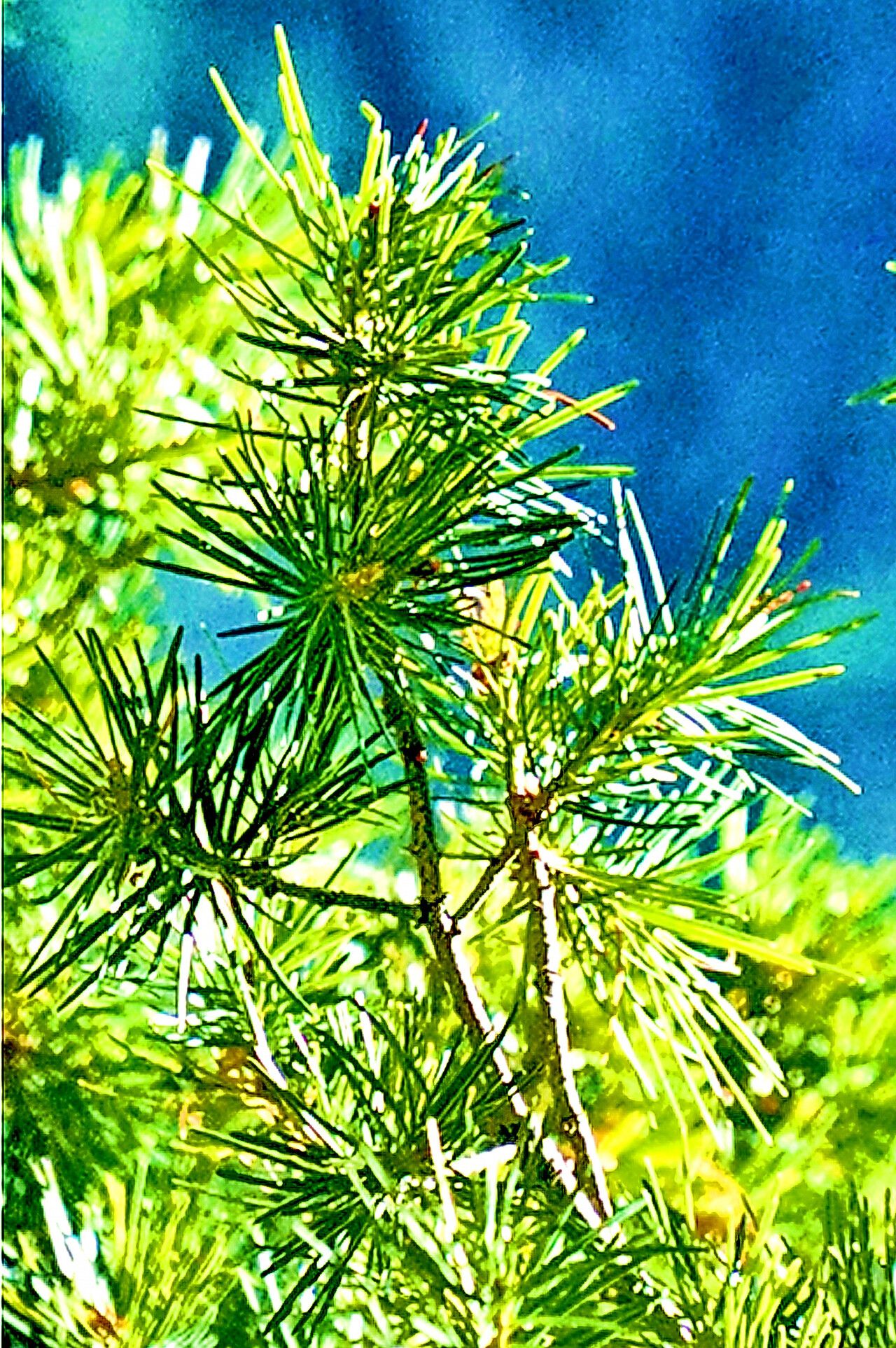
Pseudotsuga macrocarpa, commonly known as the bigcone Douglas-fir, is a large evergreen tree native to the southwestern United States and northern Mexico. As a member of the Pinaceae family, it can grow up to 80 feet tall with a trunk diameter of up to 3 feet. This tree is distinguished by its notably large cones, which can reach up to 10 inches in length—much larger than those of other Douglas-fir species.
The bigcone Douglas-fir is valued for its strong, decay-resistant wood, making it an important timber species. Additionally, it provides habitat for various wildlife, including birds, squirrels, and deer. The tree thrives in well-drained soils in mountainous regions with moderate temperatures.
Indigenous peoples have historically used the bigcone Douglas-fir for various purposes, including medicinal treatments for coughs and colds, as well as crafting baskets from its branches. Today, it continues to play a crucial role in its natural ecosystem and is also cultivated for ornamental purposes outside its native range.
In summary, Pseudotsuga macrocarpa is an impressive evergreen tree with unique features that set it apart from other members of the Pinaceae family. It provides significant ecological benefits, such as timber production and wildlife habitat support.
Big-cone douglas-fir exhibits strong resistance to disease and is generally not prone to illness. In terms of care, this plant is fairly low maintenance. When grown outdoors it needs minimal watering, and larger specimens usually do not require pruning. Smaller plants, however, should be pruned after they have finished blooming. Big-cone douglas-fir is suitable for anyone with an outdoor space, such as a garden or deck, and does not demand much prior gardening experience.
How to keep Pseudotsuga Macrocarpa.
Light
Big-cone douglas-fir is native to open habitats, such as sunny meadows and forest edges, which provide abundant light. It thrives in Full Sun but can also tolerate Partial Sun, adjusting to various sunlight conditions.
Water
The big-cone Douglas-fir, native to arid regions, is highly drought-tolerant and thrives with minimal moisture. This tree requires weekly watering to stay healthy, making it ideal for outdoor landscapes that prioritize water conservation. It can endure periods of low rainfall effectively.
Temperature
Big-cone douglas-fir is very adaptable to a range of climate conditions, from scorching summers to chilly winters. However, it does have an optimal temperature range for growth. When temperatures become excessively high, the plant is vulnerable to heat and humidity stress, which can lead to its death. In regions where temperatures approach the lower limit of its cold tolerance, it is important to use insulation measures to protect the plant.
Fertilizer
The big-cone douglas-fir has specific nutrient needs and does not require heavy fertilization. Fertilizing in spring is best for promoting optimal growth. Providing nutrients enhances its health, increases resistance to pests and diseases, and helps sustain its long lifespan.
Pruning
Big-cone Douglas-fir benefits greatly from pruning during winter, specifically from early to late winter. To encourage growth and improve air circulation, remove dead or diseased branches and thin out overcrowded areas. Consistent pruning helps maintain the tree's structural integrity and overall health. Always use clean, sharp tools for precise cuts.
Botanical profile.
- Plant Type
- Tree
- Life Cycle
- Perennial
- Genus
- Pseudotsuga
- Family
- Pinaceae
- Hardiness Zone
- 7-10
- Mature Height
- 10.97 m to 21.95 m
- Mature Spread
- 10.06 m to 14.94 m
- Leaf Color
- Dark Green
- Leaf Type
- Evergreen
- Bloom Time
- Early spring, Mid spring
- Planting Time
- Spring, Summer
- Harvest Time
- Late summer, Early fall, Mid fall
- Native Area
- Mexico
Other names.