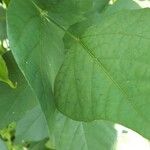
Psophocarpus tetragonolobus
Goa-bean · Asparagus-pea · Four-angle-bean · Princess-pea · Winged-bean
Description
Source: leafsnapPsophocarpus tetragonolobus, commonly known as the winged bean or asparagus pea, is a tropical legume native to Southeast Asia. This fast-growing vine can reach heights of up to 4 meters and produces edible pods, leaves, flowers, and roots. The plant is named after its distinctive four-winged pods, which resemble airplane wings. The winged bean has been cultivated for centuries due to its high nutritional value and versatility in cooking. Young pods can be eaten raw or cooked like green beans, while mature seeds are utilized similarly to soybeans in various dishes such as soups, stews, and curries. The leaves are also edible and can be included in salads or cooked dishes. Beyond its culinary uses, the winged bean boasts several medicinal properties. It is rich in antioxidants, which help protect against cancer-causing free radicals. Additionally, it contains high levels of protein, making it an excellent nutritional source for vegetarians. Overall, Psophocarpus tetragonolobus is an important crop with numerous culinary and medicinal uses. Its versatility and high nutritional value make it a valuable addition to any garden or farm in tropical regions suitable for growing this vine-like legume.
Care Guide
💧 Water Every 7 days
The winged bean flourishes in the high humidity typical of tropical rainforests. It prefers balanced watering with weekly irrigation and has a moderate tolerance for drought. As an evergreen plant, it needs consistent soil moisture to maintain its leaves and support growth throughout the year.
How should I water my Winged bean plant?
To ensure excellent root development, consider using a garden hose at the plant base rather than spraying the leaves. If the leaves are exposed to direct sunlight outdoors, they will require more watering. Another option is to use bubblers or soaker hoses to moisten the roots. When adding or removing plants, use soaker hoses that cover the entire garden or bed to encourage deep root growth. After watering, make sure to drain any excess water and allow the soil to dry before watering again. It's best to water at ground level to prevent diseases. On sunny days, you may choose to spray the entire bush with water. Whether the plant is potted or in-ground, always remember that Winged bean prefers deep watering rather than light sprinkling.
What should I do if I give too much or too little water to the Winged bean?
An overwatered Winged bean can show signs of yellowing, dropping leaves, and wilting. The plant may also appear dull and unhealthy, with mushy stems. When these signs start to appear, it is recommended to adjust your watering schedule as needed. Wilting can also indicate under watering, in which case the leaves may become crispy and dry. If the soil is dry and simply adding water is not enough, a thorough watering is necessary. Sufficient water will help the Winged bean recover, but the plant may still have dry and yellow leaves for a few days due to root damage. Once the plant returns to normal, the yellowing of leaves will stop. When growing Winged beans indoors, always check the moisture levels in the pot and avoid overwatering. Look for signs of black spots, and if present, allow the soil to dry out by refraining from watering for a few days. Overwatering can lead to root rot, so it may be necessary to transfer the plant to a different pot if discolored and slimy roots are observed. It is important to prevent root rot by avoiding overly soggy soil. When planting Winged beans outdoors, check the soil moisture by digging a little deeper into the ground. If the soil feels too dry, it may be a sign of underwatering and adequate watering is necessary to aid in the plant's recovery.
How often do I need to water my Winged bean?
The Winged bean prefers deep and infrequent watering, especially when planted in pots. To ensure proper hydration, soak the plants in a gallon of water each time. Remember, the water storage capacity of flower pots is limited, causing the soil to dry out faster. In colder regions, watering is required every 3 to 5 days. Ideally, water them early in the morning when the soil is dry, whether they are placed outdoors or indoors. You can also check the moisture level by examining the soil. If the top 2-3 inches are dry, it is time for a full watering. During hot days, monitor the soil's moisture daily as the heat can quickly dry it out. If you have a garden, proper irrigation is necessary. In a hot climate, watering once a week is recommended. Only water when you notice that about 2 to 3 inches of soil become excessively dry. Consider the amount of rainfall your plants receive, as adding too much water can lead to root rot. If there is ample rainfall, additional watering may not be necessary. Winged bean plants typically grow in spring and fall. When grown outdoors, it is advisable to add a layer of mulch about 3 to 4 inches deep to conserve water. Keep in mind that sandy soil drains faster, so plants in this type of soil may require more frequent watering. However, if your plants are in clay soil, you can water them less frequently, allowing the soil to dry out for 2-3 days to prevent root rot. It may be helpful to mark the date on your calendar whenever you water the plants and take note if you notice the leaves starting to droop, as this may indicate that they need water sooner than expected.
How much water does my Winged bean plant need?
The Winged bean generally requires about a gallon of water on a regular schedule. For potted plants, water them deeply until you see water dripping out of the bottom of the pot. Then, wait for the soil to dry before watering again. You can use a water calculator or moisture meter to determine how much water you've given your plant in a week. During the flowering period, provide plenty of water but allow the moisture to evaporate afterwards to prevent root rot. If the Winged bean is planted outdoors and receives enough rainfall, it may not need additional watering. When the Winged bean is young or newly planted, make sure it gets 1-2 inches of rain per week. As the Winged bean grows, it can rely solely on rainfall. However, during hot weather or if there is no rainfall for 2-3 weeks, consider giving the Winged bean a thorough watering during the cooler part of the day to prevent damage from high heat. Additional watering will be necessary during prolonged dry spells.
Should I water my Winged bean more or less depending on the time of year or the weather?
The Winged bean prefers outdoor conditions with rain, but can tolerate dry weather if necessary. During the spring and fall, the soil should be moist but not waterlogged, with alternating dry and moist conditions being ideal. In the summer, hot weather can cause rapid evaporation, requiring more frequent watering to keep the soil moist if there is a lack of rainfall. During the winter, the Winged bean requires less water as it goes dormant. Using well-draining but moisture-retentive soil like terracotta can help with evaporation. Once the Winged bean begins to leaf out and go dormant, watering can be skipped as it can rely on fall and winter rains to survive. Cultivation and encouraging growth and blooming should be done in the spring when temperatures are warmer. The Winged bean does not do well with excessive water or drought during flowering, so good drainage is essential, especially in winter. If the plant is in a pot, it has limited root growth and should be well-watered, particularly in summer. Deep soaking once or twice a week is recommended, avoiding shallow sprinkles that only wet the leaves and encourage fungal growth. Even during dormancy, the Winged bean should not be allowed to dry out completely in the fall or winter. Overwatering should also be avoided to prevent waterlogging, which can be fatal in winter. Mulching is beneficial for reducing stress, conserving water, and promoting healthy blooms.
☀️ Light Full sun
In its natural habitat the winged bean grows best with plentiful light. Abundant sunshine encourages ideal growth, improves its vigor, and supports its life cycle. Although it tolerates some shade, insufficient light can stunt its development. Excessive sunlight, however, may cause pigment bleaching, demonstrating its limits to sun exposure.
What are the sunlight requirements for Winged Bean?
Winged Bean, or Psophocarpus tetragonolobus, requires above 6 hours of sunlight daily, thriving best in full sun conditions. It's important to observe your garden's sunlight patterns, ensuring that your plants get a perfect balance of light and shade for optimal growth. Ample sunshine not only promotes robustness and impacts its lifecycle positively but also prevents the stunted development that can occur with insufficient light. However, it is crucial to be mindful of excessive exposure, as it can lead to pigment bleaching, showcasing the plant's sunlight limitations.
What to do if natural sunlight is insufficient for Winged Bean growth?
If natural sunlight is insufficient for Winged Bean growth, especially during winter or in less sunny spaces, artificial lighting can be a vital solution. For optimal growth, indoor plants might require artificial light sources such as LED lights, which can be customized to provide specific wavelengths of light needed by the plants. It is recommended that full sun plants should have 30-50W/sq ft, partial sun plants 20-30W/sq ft, and full shade plants 10-20W/sq ft of artificial light. Proper placement (12-36 inches above the plant) and duration (mimicking natural daylight hours, generally 8-12 hours per day) of these artificial lights are crucial for fostering healthier plant growth.
What are some common symptoms of inadequate light in Winged Bean?
When Winged Bean is grown indoors or under conditions of limited light, it may display several symptoms indicating light deficiency. These include smaller new leaves, leggy or sparse growth, faster leaf drop, slower or no new growth, lighter-colored new leaves indicating a lack of chlorophyll, chlorosis (where leaves lose their green color and turn yellow), sunscald, leaf curling as a defense mechanism against excessive sunlight, wilting from increased water loss, and leaf scorching characterized by brown, dry patches on leaves. These symptoms highlight the plant's struggle with inadequate light exposure.
How can you address light deficiency symptoms in Winged Bean?
To address light deficiency symptoms in Winged Bean, gradually increase light exposure. For indoor plants, move them closer to a sunnier location each week until they receive at least 6 hours of direct sunlight, using a south-facing window for maximum exposure. Consider using artificial light for additional support. For outdoor plants, move them progressively to sunnier spots to avoid sunburn. Minimize obstructions like overhanging branches by pruning, and for smaller plants, consider transplanting during their dormant period to a location with ample sunlight and good drainage. Note that areas of the plant affected by previous insufficient sunlight may not recover, but new growth should be healthy with improved light conditions.
🌡️ Temperature 15–37.8°C
Winged bean is initially cultivated in areas where temperatures range from 68 to 100.4°F (20 to 38°C). It favors a warm environment for healthy development. Care should be taken to modify conditions as seasons change. Exposure to freezing temperatures can be harmful to its growth.
What is the ideal temperature range for growing Winged bean?
The ideal temperature range for growing Winged bean, or Psophocarpus tetragonolobus, is between 68 to 100.4°F (20 to 38°C). It thrives in warm environments and requires conditions to be adjusted according to varying seasons to maintain healthy growth. During winter, it's beneficial to keep the temperature above 20°C and ensure that the minimum temperature stays above the freezing point to prevent damage. If outdoor temperatures approach -5°C (25°F) during winter, it's advisable to bring the Winged bean indoors or provide protection by setting up a temporary greenhouse or using plastic film or fabric to wrap the plant.
How does low temperature affect Winged bean and what are the solutions?
Winged bean has moderate tolerance to low temperatures, thriving best between 20°C and 38°C. It should remain above 0°C during winter. If temperatures fall below -10°C, the plant's leaves may darken, and severe cold can lead to water-soaked necrosis, wilting, drooping, and eventually turning brown. To address frost damage, trim the frost-damaged parts away and move the plant to a warm environment indoors or set up a makeshift greenhouse for cold protection. Placing the plant near a south-facing window ensures ample sunlight, and supplemental lighting can be used if natural light is insufficient.
What measures should be taken if Winged bean is exposed to high temperatures?
During summer, Winged bean should be kept below 38°C. Exposure to temperatures above 43°C slows down growth, lightens leaf color, and increases susceptibility to sunburn. To mitigate damage from high temperatures, remove sunburned and dried parts of the plant. Relocate the plant to a shaded area to avoid the intense afternoon sun. Watering the plant in the morning and evening helps keep the soil moist, providing further relief from high temperatures.
💨 Humidity
🪴 Soil 6-7
🌱 Fertilizer
To feed Winged bean, use a natural or commercial fertilizer rich in nitrogen for leaf growth, phosphorus for roots and blossoms, and potassium for photosynthesis and maximum fruit production. Plant in spring, improve the soil with compost or manure, and fertilize seedlings when they reach 2–4 inches in height. Insufficient macronutrients cause slow growth, wilting, and problems with fruit quality.
Why should I put fertilizer on my Winged bean?
When growing Winged bean for its fruit, it is important to supplement the soil with additional nutrients to ensure a bountiful harvest. Each macronutrient plays a different role in supporting plant growth. Phosphorus, in particular, is crucial for promoting the formation of flowers and fruit. However, it is also necessary to provide enough nutrients to support the plant's root system and leaves, as they are essential for absorbing sunlight. Without sufficient macronutrients, plants may lack vitality, grow at a slower pace, and even experience wilting. Since flowering and fruiting require a significant amount of energy from the plant, any deficiency in these vital components will be evident in the resulting fruits.
When should I fertilize my Winged bean?
To successfully grow winged bean, it is important to follow these steps: 1. Plant the beans in the spring so they can produce fruits during summer. Check the specific variety for the ideal planting time. 2. Use rich, fertile soil for better yield. Before planting, mix in a 2-inch layer of compost or well-rotted manure to add nutrients and improve drainage. 3. For transplants, fertilize immediately after planting. However, wait until seedlings reach a height of 2 to 4 inches before fertilizing them for the first time. 4. For established plants, feed them every 3 to 4 weeks during the growing season. Stop fertilizing when the first frost hits or when the plant stops producing. 5. Customize your fertilization schedule based on the specific fertilizer type and winged bean variety you are using. If unsure, it's better to use less fertilizer.
When is it best to not fertilize my Winged bean?
To ensure optimal growth and fruit production, it is important to avoid using high-nitrogen fertilizers for Winged bean. These fertilizers can result in excessive leaf development but limited blooms and fruits. Instead, opt for fertilizers with lower nitrogen levels compared to other nutrients. Additionally, refrain from fertilizing Winged bean during periods of high temperatures or dry conditions. This is because the fertilizer may simply wash away without being absorbed by the soil. Moreover, plants have reduced ability to absorb nutrients in hot weather, which can lead to the fertilizer remaining in the soil, impeding water uptake by the plants. This could pose a risk to their survival during droughts or heatwaves.
What kind of fertilizer does my Winged bean plant need?
To determine the ideal fertilizer for your Winged bean, start by assessing the nutrients already present and those that may be lacking in your soil. Conducting a soil test provides a clear understanding of your soil composition, although some succeed in growing Winged beans through trial and error without a test. Instead of purchasing a separate fertilizer for each vegetable, it is possible to find a commercial fertilizer suitable for most types of Winged beans. By identifying their basic needs and considering the existing soil nutrients, you can use the same fertilizer for multiple plants. Many growers prefer high-phosphorus fertilizers to support flower and fruit development. These fertilizers typically have a higher middle number in their NPK ratio, such as 8-32-16 or 10-30-10. However, some people find it simpler to use a balanced fertilizer like 10-10-10 for all their garden plants.
How can I nourish my Winged bean plant?
When using different types of fertilizer, it's important to follow the specific instructions for each one. Some may need to be diluted, while others require careful measurement. Researching and understanding these instructions will help prevent over-fertilizing your garden. If you have Winged beans planted in rows, you can use the side-dressing method to ensure the fertilizer reaches the roots without touching the plant itself. This involves mixing the fertilizer into the soil along the rows, about 3 to 4 inches away from the base of the plant. Water will then wash the nutrients into the soil and down to the roots. If side-dressing doesn't work for your garden setup, you can apply the fertilizer to the soil around the plant, again staying about 3 to 4 inches away. For granular fertilizers, scatter them onto the soil and lightly mix them in. After applying dry fertilizers, make sure to water thoroughly. Liquid fertilizers can be mixed into a watering can and used to water and fertilize plants simultaneously. Alternatively, you can opt for foliar feeding by spraying the leaves with a specialized fertilizer mix instead of applying nutrients to the soil.
🪴 Pot & Repot
✂️ Pruning
🌿 Propagating
🐛 Diseases & pets
☠️ Toxicity
Characteristics
- Plant Type
- Vine
- Life Cycle
- Perennial, Annual
- Genus
- Psophocarpus
- Family
- Fabaceae
- Hardiness Zone
- 8-12
- Mature Height
- 2.74 m
- Mature Spread
- 0.91 m to 2.13 m
- Leaf Color
- Green, Dark Green
- Leaf Type
- Deciduous
- Flower Color
- Blue, Purple
- Flower Size
- 2.54 cm to 5.08 cm
- Bloom Time
- Summer, Early fall, Mid fall
- Planting Time
- Spring, Summer
- Harvest Time
- Late summer, Fall, Early winter