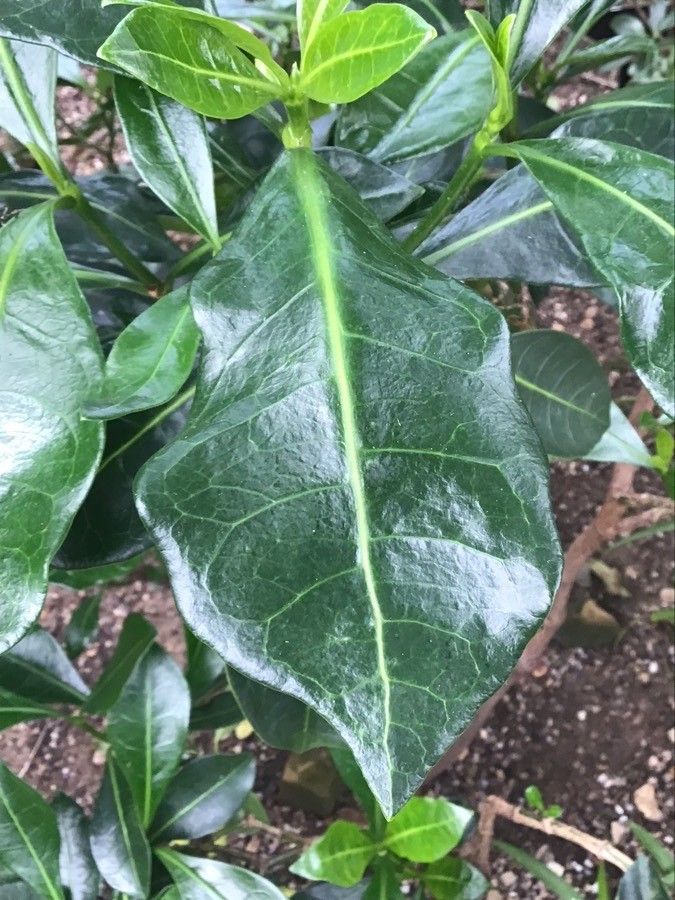
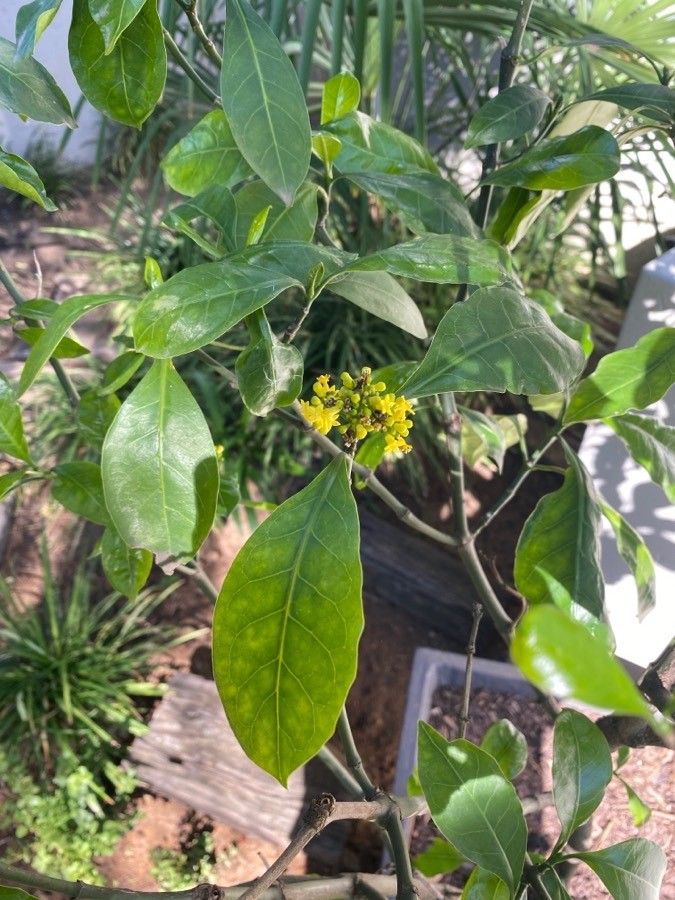
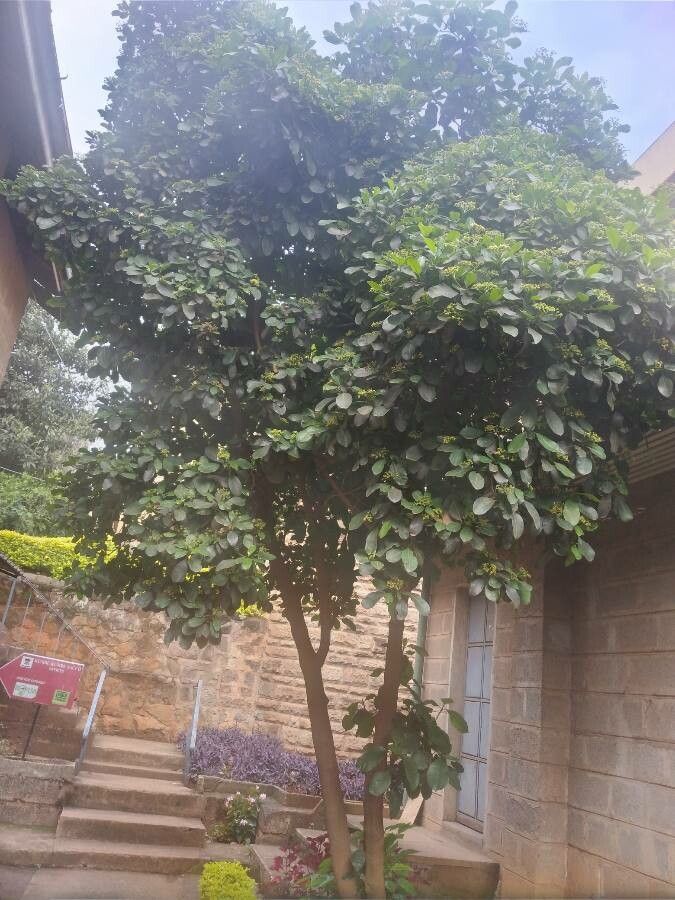
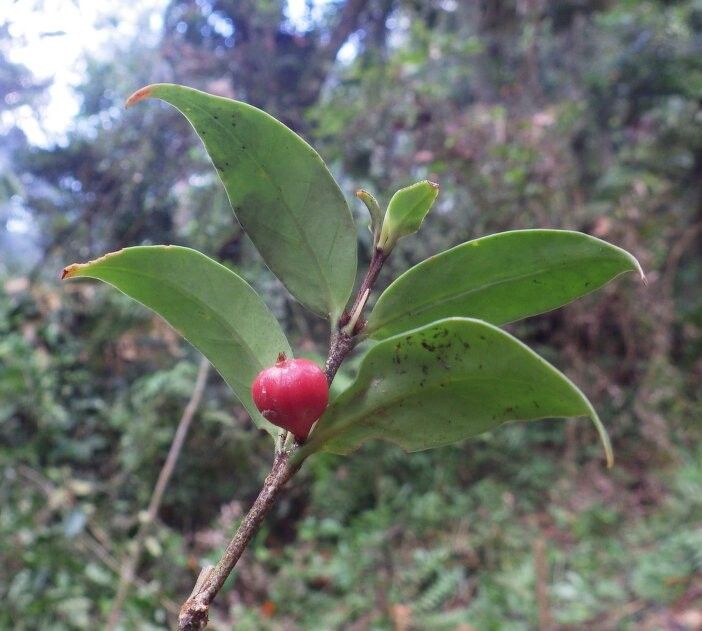
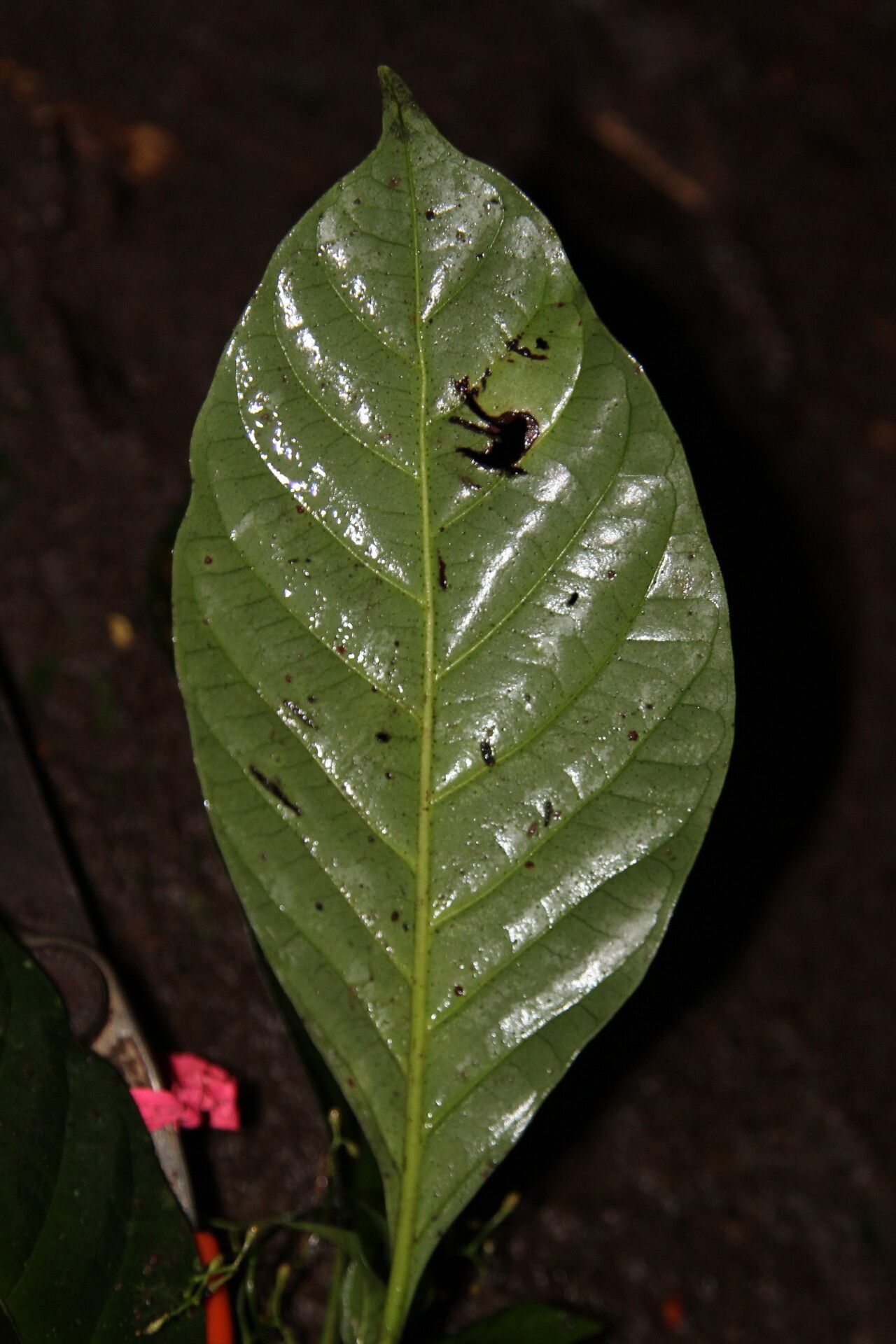
Psychotria capensis, a species of flowering plant in the Rubiaceae family, is native to South Africa. Commonly referred to as the "green bird-berry" or "dikkop bos" in Afrikaans, this plant typically grows up to 2 meters tall. It features glossy, dark green leaves that are oval-shaped and arranged in opposite pairs along the stem.
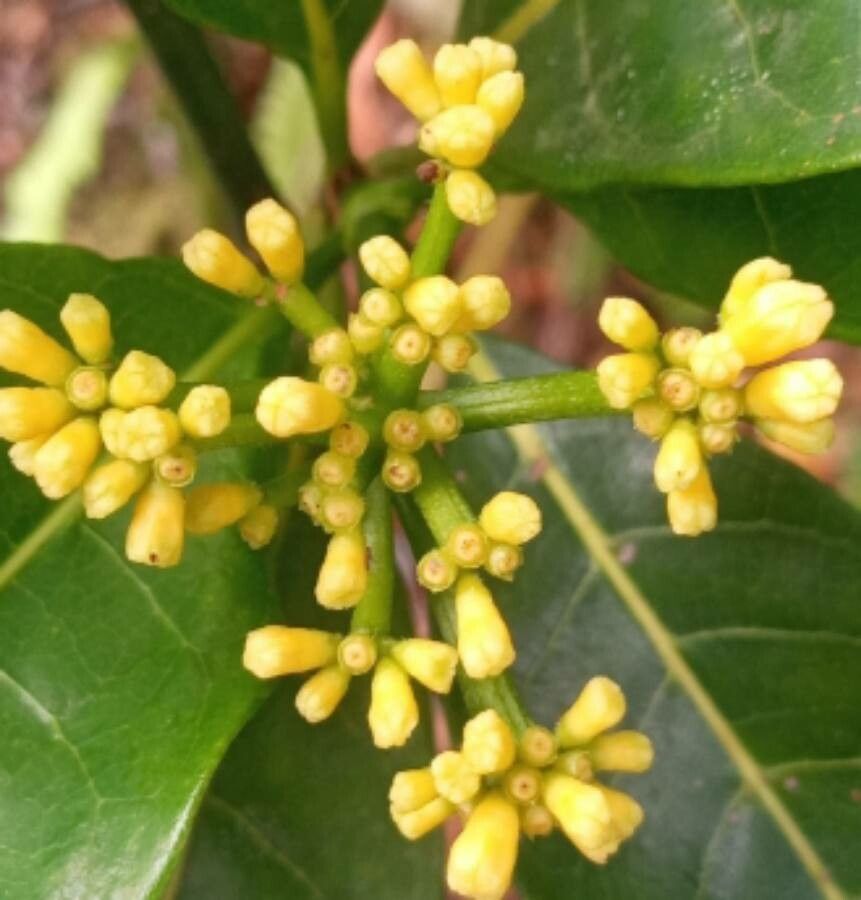
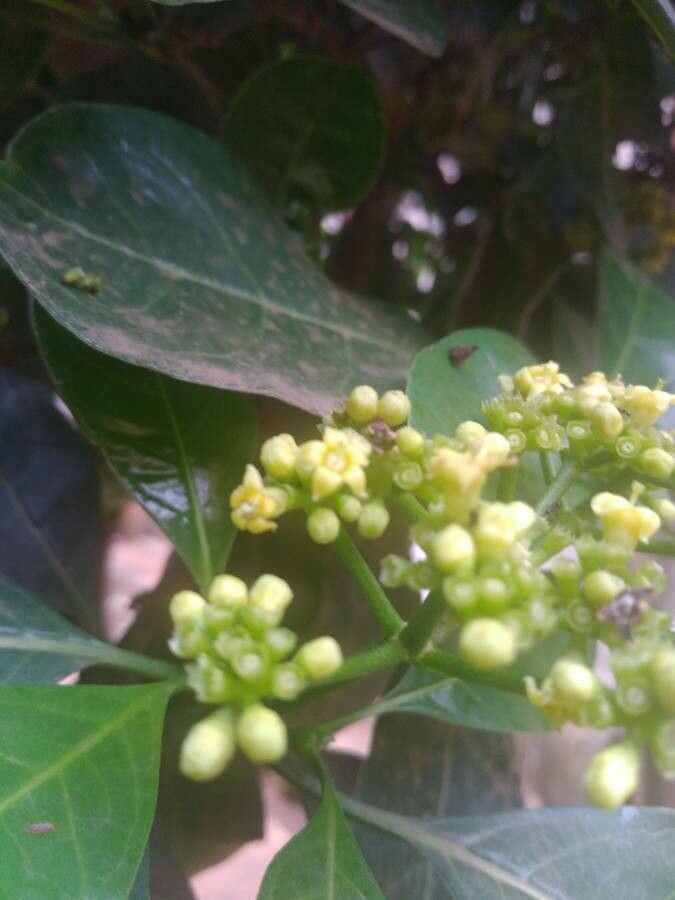
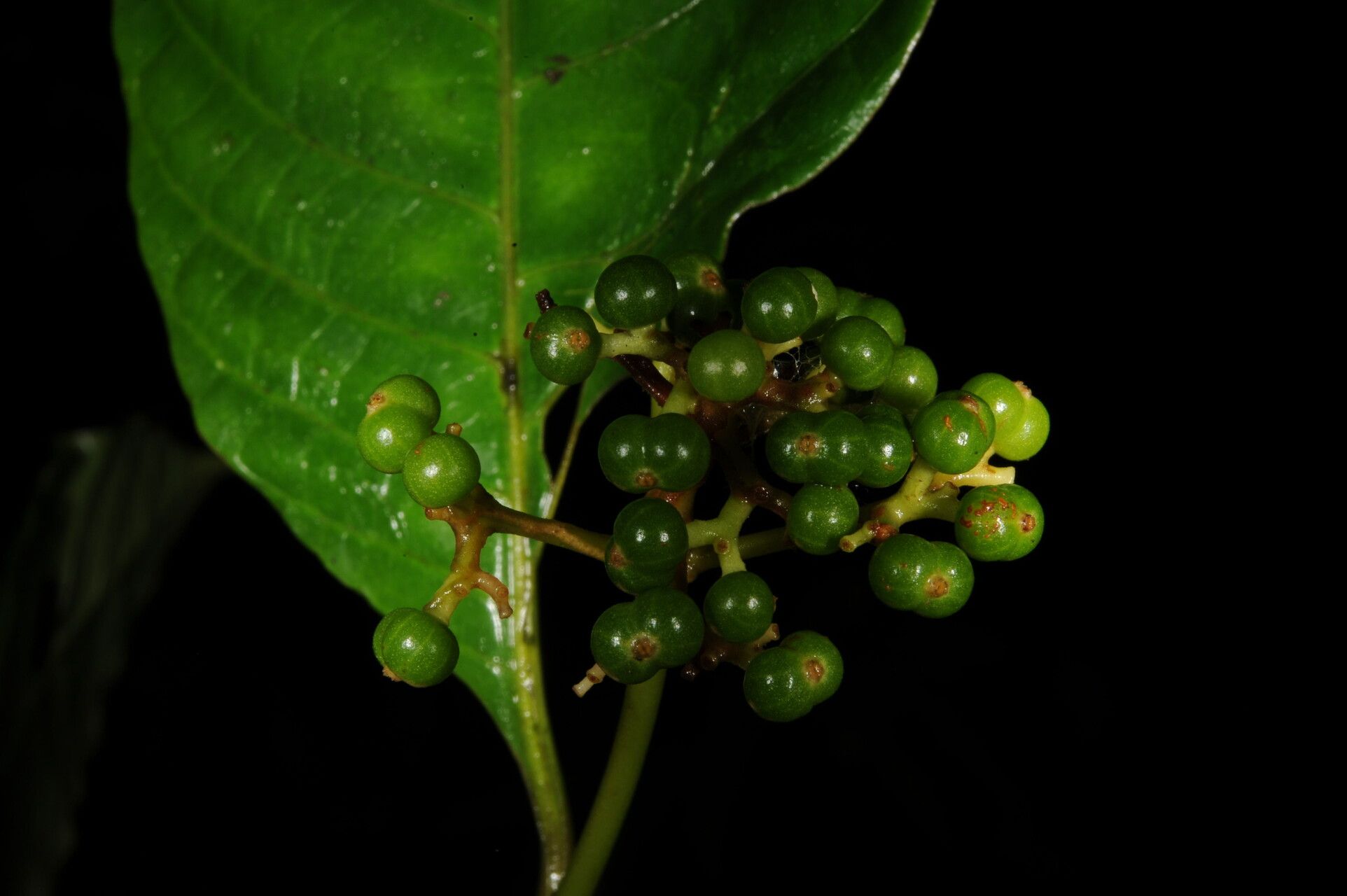
The small, white flowers of Psychotria capensis emit a sweet fragrance that attracts bees and other pollinators. Its fruit is a small red berry containing one or two seeds.
In traditional African medicine, various parts of Psychotria capensis are used for their medicinal properties. The leaves are utilized to treat fever, headaches, stomach ailments, and respiratory infections, while the roots are used to treat snake bites.
Recently, Psychotria capensis has gained popularity among herbalists for its potential psychoactive properties, attributed to its high alkaloid content, including tryptamines, which can induce hallucinations when ingested in large quantities.
Overall, Psychotria capensis is a fascinating plant with both medicinal and potential psychoactive properties that continue to be studied by researchers worldwide.
How to keep Psychotria Capensis.
Water
Black bird-berry thrives in tropical environments where it enjoys consistent moisture and high humidity. For optimal growth, water it weekly. This evergreen plant, typically grown outdoors, keeps its foliage year-round as long as it has sufficient soil moisture. Maintaining adequate moisture is essential for its continuous growth.
Pruning
The black bird-berry plant is known for its dense foliage and glossy leaves, accompanied by small berries. Pruning should be done from early to late winter to remove dead branches and enhance air circulation. Regular pruning promotes healthy growth, and using clean tools helps reduce stress and minimize the risk of infection.
Botanical profile.
- Plant Type
- Tree, Shrub
- Life Cycle
- Perennial
- Genus
- Psychotria
- Family
- Rubiaceae
Other names.