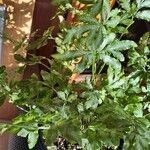
Pteris cretica
Ribbon fern · Cretan brake · Avery fern · Cretan brake fern · Cretan bracken
Description
Source: leafsnapPteris cretica, commonly known as the Cretan brake fern, is a species belonging to the Pteridaceae family. Native to the Mediterranean region, this fern thrives in a variety of habitats, including rocky slopes, forests, and coastal areas. The Cretan brake fern is easily recognizable by its fronds, which can grow up to 60 cm long and 10 cm wide. The fronds are pinnately compound and feature numerous oblong or lance-shaped leaflets. These leaflets display a glossy green color on top and a pale green underside. Remarkably easy to care for, this plant can tolerate a range of light conditions, from full sun to partial shade. It prefers well-draining soil that remains moist but not waterlogged. Traditionally, Pteris cretica has been utilized for its medicinal properties. Healers have used it to treat ailments such as fever, coughs, and wounds, owing to its anti-inflammatory effects. In summary, Pteris cretica is an excellent choice for any garden or indoor setting, given its attractive appearance and low maintenance needs.
🌳 The Cretan brake is typically grown indoors as a houseplant. However, plant breeders have developed several varieties that are suitable for outdoor cultivation. If you're looking to plant in tropical or subtropical humid garden areas, consider selecting one of these outdoor-friendly varieties. They will remain green, lush, and vibrant all year long.
Care Guide
💧 Water Every 7 days
Originating from tropical forest understories, the Cretan brake thrives in environments with consistent moisture and humidity. While it has moderate drought tolerance, it benefits from being watered twice a week to keep the soil adequately moist. Additionally, regular misting can improve its foliage and overall health by simulating its preferred humid conditions.
What do I do if I give my Cretan brake plant too much or too little water?
The Cretan brake is a plant that loves water, but it is important not to overwater it. This can happen if you leave the plant sitting in water or use a planter without drainage holes. When the soil is too wet, the roots cannot absorb nutrients and moisture properly, and it may lead to the development of fungal or bacterial diseases. Signs of overwatering include wilted and yellow leaves, drooping stems, or soft and mushy textures. However, it's important to rule out other issues that may have similar symptoms. On the other hand, the Cretan brake also needs to be kept consistently moist, especially if you're not using a self-watering planter. If the plant becomes too dry, it can quickly turn brown and crispy. In severe cases, it may appear completely dried up, but there is still a chance to save it if some healthy roots remain. To revive the plant, trim off all dry and dead stems, thoroughly water it, and return it to its usual spot. With proper care, the plant can recover and produce new fronds, although it may take several months to grow back to its original size.
How should I water my Cretan brake plant correctly?
Your Cretan brake needs consistently moist soil resembling its natural habitat, so it may need to be watered every one or two days. It is important to keep the plant from drying out, so as soon as the top layer of soil feels slightly dry, it's time to water again. Make sure to thoroughly soak the soil until water drains from the bottom of the pot, and then remove any excess water to prevent the pot from sitting in a puddle. This watering method is the best way to prevent the soil from becoming too dry.
What do I need to think about when watering my Cretan brake?
The frequency of watering for your Cretan brake plant depends on the humidity level in the air. Higher humidity means less frequent watering. To prevent drying out, avoid placing the plant near heating or cooling vents. Instead, choose a location that is protected from drafts. This fern prefers dappled and indirect sunlight and temperatures between 55-80 degrees F (13-27 degrees C). Placing it on a warm and sunny windowsill may lead to dehydration. Ideally, use rainwater or distilled water for this plant, although tap water usually works fine. Tap water may contain minerals and chemicals that can cause brown leaf tips due to the fern's delicate leaves. Avoid using small pots for the Cretan brake as they can dry out quickly. Providing more space in the pot is recommended. Consider using a self-watering planter that continuously soaks up water for the plant. This helps maintain a consistently moist soil, benefiting the roots and reducing the need for frequent watering.
☀️ Light Full shade
Cretan brake benefits from exposure to moderate levels of sunlight. It can tolerate being grown in areas of constant shade as well as locations with intense sun exposure. Its growth may be impaired if it does not receive adequate light or if it is overexposed. It evolved in habitats with varying light conditions.
What are the sunlight requirements for Cretan brake?
Cretan brake, scientifically known as Pteris cretica, thrives in moderate levels of sunlight but can also grow in constant shade or intense sun exposure. It requires about 3-6 hours of sunlight for partial sun conditions and over 6 hours for full sun or full shade conditions. It's important to observe how sunlight moves through your garden to ensure your plants receive the right balance of light and shade.
How does artificial lighting benefit indoor Cretan brakes?
Artificial lighting is crucial for the optimal growth of indoor Cretan brake plants, especially when natural sunlight is limited. LED lights are a popular choice as they can provide specific wavelengths needed by plants. Full sun plants require 30-50W/sq ft, partial sun plants 20-30W/sq ft, and full shade plants 10-20W/sq ft of artificial light. The light source should be placed 12-36 inches above the plant for 8-12 hours per day to mimic natural daylight hours.
What are the symptoms of inadequate lighting on Cretan brake?
Cretan brake may exhibit several symptoms under inadequate lighting, including slower or no new growth, chlorosis (where leaves lose their green color and turn yellow), sunscald with pale or necrotic areas on plant tissue, leaf curling as a defense mechanism against excessive sunlight, wilting from loss of turgor pressure, and leaf scorching with brown, dry edges on leaves. These symptoms indicate the plant's need for an adjustment in light exposure.
What are the solutions for inadequate lighting exposure to Cretan brake?
To address inadequate lighting for Cretan brake, gradually shift plants to sunnier spots each week to allow adaptation to changing light conditions, aim for 3-6 hours of direct sunlight daily. Use artificial light if needed, keeping a lamp on for at least 8 hours daily or investing in professional grow lights. Outdoors, move plants gradually to avoid sunburn. You can also prune obstructing branches or transplant smaller plants to sunnier locations with good drainage for ground plants. Note that parts of the plant affected by insufficient sunlight may not recover, but new growth should be healthy after increasing light exposure.
🌡️ Temperature 15–37.8°C
Cretan brake naturally occurs in habitats with moderate temperatures of 15 to 38 ℃ (59 to 100.4 ℉). The plant favors temperatures toward the upper part of this range but can tolerate somewhat cooler conditions. In colder seasons, it is advisable to move the temperature toward the lower end of its preferred range.
What is the native environment and preferred temperature range for Cretan brake?
Cretan brake, scientifically known as Pteris cretica, is native to environments with moderate temperatures, specifically ranging from 15 to 38°C (59 to 100.4°F). This plant prefers the higher end of this temperature spectrum but can still tolerate slightly cooler temperatures. In colder seasons, adjusting the environment to the lower end of the preferred temperature range is recommended to ensure the plant remains healthy.
How does Cretan brake respond to low temperatures?
Cretan brake has a moderate tolerance to low temperatures and generally thrives best when the temperature is above 15°C. It can withstand temperatures down to -5°C without requiring additional measures. However, if the temperature is expected to fall below -5°C, protective measures like wrapping the plant with plastic film, fabric, or other materials are necessary. In situations where the temperature drops below -10°C, the plant's leaves may begin to droop; they may recover in mild cases, but in severe cases, the leaves will wilt and fall off. It's advisable to trim off frost-damaged parts and take preventive actions such as wrapping the plant and constructing a wind barrier to protect it against cold winds.
What should I do if Cretan brake is exposed to temperatures above its recommended range?
During the summer, it is crucial to ensure that Cretan brake does not endure temperatures exceeding 38°C. Exposure to temperatures above 43°C can result in a lighter leaf color, dry and withered leaf tips, leaf curling, and increased susceptibility to sunburn. To mitigate damage from excessive heat, it is recommended to trim away sunburned and dried-up parts of the plant. Moving the plant to a shaded location or using a shade cloth to protect it from the midday and afternoon sun can prevent further damage. Additionally, watering the plant in the morning and evening helps keep the soil moist and supports the plant's health during hot conditions.
💨 Humidity high (>60%)
This plant needs special care because it loves high humidity levels of 60-80% or more. The best way to achieve this is by placing a humidifier near the plant. Daily misting is also essential! Make sure the room has good ventilation.
🪴 Soil 6-7
🌱 Fertilizer
The Cretan brake benefits from high nitrogen fertilizer for lush growth. Apply a balanced liquid fertilizer every month during spring and summer, using half the recommended strength. Reduce applications in the fall and stop fertilizing in the winter. Before applying fertilizer, moisten the soil to prevent root burn. Additionally, periodically flush the soil to prevent salt buildup.
Why should I add fertilizer to my Cretan brake plant?
Fertilizing Cretan brake is important for a couple of reasons. Firstly, your plant requires additional nutrients to promote healthy new growth. Secondly, the extra nutrients also benefit the health of existing growth and can contribute to your plant's ability to resist diseases and pests.
When should I fertilize my Cretan brake plant?
The feeding schedule of Cretan brake is determined by its growth location. Although it is not overly hungry, the plant does require additional nutrients. Outdoor plants should be fertilized once in the spring, while indoor plants need monthly feeding from spring to summer.
When is the best time to not use fertilizer on my Cretan brake?
To ensure proper growth and avoid potential issues, it is advisable to refrain from fertilizing Cretan brake after early autumn, as this may promote excessive growth just before winter. Additionally, it's important to avoid fertilizing during hot and dry periods, as dry soil does not effectively deliver nutrients, and stimulating growth during such times may necessitate more water than is available. It is best to apply fertilizer earlier in the season when temperatures are cooler. It is essential to be mindful of nearby plants or lawns that may inadvertently receive a double dose of fertilizer, leading to potential over-fertilization of ferns.
What kind of fertilizer should I use for my Cretan brake plant?
When choosing a fertilizer for Cretan brake, you have a few options. It depends on whether the plant is growing indoors or in the garden. For outdoor plants, using mulch or compost will help them thrive. In the case of indoor plants, an ideal fertilizer would have an N-P-K ratio of 3-1-2. However, a general-purpose fertilizer with an even blend of nutrients can also work well. But remember, even with a balanced fertilizer, the ratio number representing the volume of each nutrient should be at 3 or lower.
How can I fertilize my Cretan brake plant?
Fertilizing Cretan brake is not a challenging task, but it varies depending on the location of the plant. For outdoor garden plants, the best approach is to add a layer of mulch or compost to the soil, ensuring that it is placed around the base of the plant. On the other hand, indoor plants respond well to a diluted liquid fertilizer, which should be applied before watering on a monthly basis during the spring and summer seasons.
🪴 Pot & Repot 2-3 years
When you repot Cretan brake, choose a container 1–2 inches (2.5–5.1 cm) larger with ample drainage. Use a well-draining potting mix. Repot in spring or fall, making sure the root ball sits slightly below the rim of the flower pot. Water thoroughly after repotting and place the pot in a warm spot with indirect sunlight.
✂️ Pruning
The Cretan brake is a fern known for its delicate, feathery fronds. To maintain its health and appearance, prune it in early spring by removing any dead fronds. This encourages optimal growth and improves airflow. Be careful not to over-prune. Always use sharp, clean tools to minimize the risk of infection. Proper pruning not only enhances the fern's appearance but also promotes healthier growth.
🌿 Propagating
🐛 Diseases & pets
☠️ Toxicity
Characteristics
- Plant Type
- Fern
- Life Cycle
- Perennial
- Genus
- Pteris
- Family
- Pteridaceae
- Hardiness Zone
- 8-12
- Mature Height
- 76 cm
- Mature Spread
- 61 cm
- Leaf Color
- Green
- Leaf Type
- Evergreen
- Flower Size
- 0.76 cm to 1.52 cm
- Planting Time
- Spring, Autumn