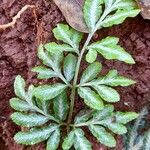
Pteris ensiformis
Slender Brake · Sword brake · Victoria fern · Pteris Fern
Description
Source: leafsnapPteris ensiformis, commonly known as the sword fern, is a fern species belonging to the Pteridaceae family. Native to the tropical regions of Asia and Africa, this plant has since been introduced and naturalized in many other parts of the world. The sword fern is recognizable by its long, narrow fronds that resemble the shape of swords or spears. An evergreen plant, the sword fern can grow up to 1 meter in height and spread up to 1 meter wide. It thrives in moist soil conditions but can tolerate some drought once established. The plant prefers partial shade or filtered sunlight and can be cultivated both indoors and outdoors. The sword fern is popular as an ornamental plant due to its attractive foliage, which adds texture and color contrast when planted alongside other plants. Additionally, it helps purify indoor air by removing toxins such as formaldehyde from the environment. In traditional medicine, Pteris ensiformis has been used for its anti-inflammatory properties to treat various ailments, including arthritis, rheumatism, and fever. Overall, Pteris ensiformis is a versatile ornamental houseplant with numerous health benefits, making it an excellent addition to any indoor garden or outdoor landscape design project!
Care Guide
💧 Water Every 7 days
The slender brake, native to tropical areas, thrives in moist environments with steady humidity. For optimal growth, it should be watered twice a week. Typically an indoor plant, the slender brake flourishes in high-humidity conditions, making it an excellent choice for terrariums or bathrooms.
What should I do if I give too much water to my Slender brake or not enough?
The Slender brake, a plant that loves water, can be overwatered if left sitting in water or in a planter without drainage holes. This leads to wet conditions that hinder the roots from taking in nutrients and moisture, and can even result in fungal or bacterial diseases. Signs of overwatering include wilted and yellow leaves, drooping or soft stems. However, it's important to check for other causes of similar symptoms. On the other hand, underwatering is also a risk, especially if the plant is not in a self-watering planter. In dry conditions, the plant can quickly turn brown and crispy. In severe cases, it may appear completely dried up, but salvaging the plant is possible if some roots are healthy. To save it, remove any dry or dead stems, thoroughly water the plant, and place it back in its usual spot. With proper care, the Slender brake can be resilient and grow new fronds, though it may take several months to reach its original size.
How should I correctly water my Slender brake?
To ensure the Slender brake plant stays healthy, it requires consistently moist soil resembling its natural habitat. This means you may need to water it every one or two days. It's important to prevent the soil from drying out, so as soon as the top layer feels even slightly dry, it's time to water again. When watering, avoid giving it just a few drops; instead, thoroughly soak the soil until water drains from the bottom of the pot. Afterward, be sure to remove any excess water to prevent the pot from sitting in a puddle. Following this method will help maintain appropriate soil moisture for the Slender brake plant.
What things should I think about when watering my Slender brake?
The humidity in the air around your Slender brake affects how often you should water it. Higher humidity means less frequent watering. Avoid placing the plant near heating or cooling vents as it will dry out quickly. Slender brake prefers dappled and indirect sunlight and temperatures between 55-80 degrees F (13-27 degrees C). Beware of placing it in a warm and sunny windowsill as it can cause dehydration. Rainwater or distilled water is ideal, but tap water works fine in most places. Tap water may cause brown leaf tips due to minerals and chemicals. Avoid using small pots as they dry out quickly; give the plant more space. Consider using a self-watering planter for Slender brake. It keeps the soil moist and provides a constant supply of water, which is beneficial for the roots.
☀️ Light Full shade
The slender brake prefers to be placed where it receives moderate sunlight, a trait tied to its native habitat. Excessive light can scorch the leaves, while insufficient light may cause weak growth and paleness. It is resilient and can tolerate lighting conditions ranging from low light to partial sun.
What are the sunlight requirements for Slender brake (Pteris ensiformis)?
The Slender brake (Pteris ensiformis) requires moderate sun exposure, thriving best in environments that provide partial sunlight about 3-6 hours a day. It's crucial to find a balance, as too much sunlight can lead to scorching of the leaves, while too little can result in weak growth and a pale appearance. The plant is adaptable, flourishing under a range of lighting conditions, from low light to partial sun. It's important to observe the movement of sunlight through your space to select the optimal location for your Slender brake, ensuring a harmonious balance of light and shade for its well-being.
How to use artificial lighting for indoor Slender brake plants?
When natural sunlight is insufficient for your Slender brake, especially during winter or in less sunny interiors, artificial lighting can be a great support. LED lights are commonly recommended for their versatility in providing necessary wavelengths. The intensity required varies with the type of plants - full sun plants need 30-50W/sq ft, partial sun plants 20-30W/sq ft, and full shade plants 10-20W/sq ft. Ideally, the light should be positioned 12-36 inches above the plant to effectively mimic natural sunlight. Ensuring your plant receives 8-12 hours of light daily can significantly promote healthier and faster growth.
What are the signs of inadequate lighting for Slender brake?
Signs of inadequate lighting in Slender brake include smaller new leaves, leggy or sparse growth, faster leaf drop, slower or no new growth, lighter-colored new leaves, and symptoms of chlorosis, sunscald, leaf curling, wilting, and leaf scorching. Such conditions suggest the plant is struggling with the light available, either due to too much or too little exposure. Inadequate light leads to a lack of chlorophyll and essential nutrients, while excessive light exposure can damage the plant's tissues, reducing its ability to photosynthesize effectively.
What solutions can help Slender brake adapt to light conditions?
To help Slender brake adapt to light conditions, start by gradually increasing sunlight exposure outdoors or using artificial lights indoors for plants that can't be moved easily. Indoors, ensure your plant receives 3-6 hours of direct sunlight by moving it to sunnier spots each week or by using a desk or ceiling lamp for at least 8 hours a day. Outdoors, move your plants to sunnier locations gradually to prevent sunburn. For ground plants with sunlight obstruction, consider pruning nearby trees or transplanting the plant during its dormant period to a location with better sunlight and drainage. Remember, while parts of the plant affected by poor light may not recover, new growth should be healthy with improved light exposure.
🌡️ Temperature 20–37.8°C
Slender brake is native to regions where temperatures range from 68 to 100 °F (20 to 38 ℃). It does best in warm conditions. Across seasons, the plant may need small adjustments to its environment to replicate its natural temperature preferences.
What is the ideal temperature range for Slender brake?
Slender brake, also known as Pteris ensiformis, thrives in warm conditions, with an ideal temperature range between 68 to 100°F (20 to 38°C). This heat-loving plant requires careful attention to temperature, especially when grown outdoors. During the colder months, it is advisable to bring the plant indoors and keep it in a well-lit area, away from heaters, to maintain a temperature above 20°C for optimal growth. Temperatures nearing 0°C can severely damage the plant.
How do you care for Slender brake in low temperatures?
In low temperatures, Slender brake's leaves may lighten in color, and frost damage can turn them brown or black, accompanied by wilting or drooping. To care for a frost-affected Slender brake, trim off the damaged parts and immediately move the plant to a warmer indoor environment. It's best placed near a south-facing window for sufficient sunlight, ensuring it's not too close to heaters or air conditioning vents to avoid dry air.
What should you do if a Slender brake is exposed to high temperatures?
When exposed to temperatures above its tolerance, Slender brake’s leaf color can lighten, increasing susceptibility to sunburn, especially above 43°C. To mitigate damage from high temperatures, trim away the sunburned leaves and reposition the plant to an area with shade during the midday and afternoon sun. Additionally, keep the soil moist by watering the plant in the morning and evening.
💨 Humidity high (>60%)
This plant needs special care because it loves high humidity levels of 60-80% or more. The best way to achieve this is by placing a humidifier near the plant. Daily misting is also essential! Make sure the room has good ventilation.
🪴 Soil 6-7
🌱 Fertilizer
For slender brake, apply a high-nitrogen fertilizer every 4 to 6 weeks during its active growth phase, which occurs in spring through fall. Reduce the frequency of fertilization in winter. To prevent root burn, dilute the fertilizer to half strength. Adjust the amount based on seasonal changes to optimize nutrient absorption in line with the slender brake's growth cycle.
Why should I put fertilizer on my Slender brake?
Fertilizing Slender brake is crucial because it provides your plant with essential nutrients for healthy new growth. These nutrients also enhance the well-being of existing growth and aid in protecting your plant against diseases and pests.
When should I fertilize my Slender brake?
The feeding schedule of Slender brake depends on its growth location. Although not extremely hungry, it does need some extra nutrients. Outdoor plants should be fertilized once during the spring, while indoor plants should be fed monthly from spring to summer.
When is the best time to not fertilize my Slender brake plant?
To avoid excessive growth before winter, it is not recommended to fertilize after early autumn. During hot and dry periods, it is also not advisable to fertilize Slender brake since dry soil does not effectively deliver fertilizer. Fertilizing at this time can promote growth that requires more water, which may not be available. It is better to apply fertilizer earlier in the season when temperatures are cooler. Additionally, be cautious about accidentally giving ferns too much fertilizer, as Slender brake can absorb nearby applied fertilizer from other plants or lawns.
What kind of fertilizer does my Slender brake plant need?
When choosing a fertilizer for Slender brake, there are different options depending on whether the plant is growing indoors or outdoors. For outdoor plants, mulch or compost can help them thrive. Indoor plants, on the other hand, do best with a fertilizer that has an N-P-K ratio of 3-1-2. However, in some cases, a general-purpose fertilizer with an even blend of nutrients can still work well. Just remember that even with a balanced fertilizer, the volume of each nutrient should be 3 or lower.
How should I fertilize my Slender brake plant?
Fertilizing Slender brake is not difficult, but the method will vary depending on where the plant is growing. For outdoor garden plants, it is best to add a layer of mulch or compost to the soil, ensuring that it is around the base of the plant. On the other hand, indoor plants usually do well with a diluted liquid fertilizer applied before watering. This should be done monthly during the spring and summer seasons.
🪴 Pot & Repot 2-3 years
Repot slender brake every 2–3 years in the spring. Use a shallow, wide pot to accommodate its short, rhizomatic roots. After repotting, keep the soil moist and provide dappled sunlight to aid in its recovery. Be sure to handle slender brake gently during this process to protect its delicate fronds.
✂️ Pruning
The slender brake is a low-maintenance fern characterized by its thin fronds. To keep it healthy and looking its best, you should prune it regularly, preferably in early spring. Pruning helps remove any dead or damaged fronds, encouraging new growth. This not only boosts air circulation and improves the plant's vigor but also maintains its delicate appearance.
🌿 Propagating
🐛 Diseases & pets
☠️ Toxicity
Characteristics
- Plant Type
- Fern
- Life Cycle
- Perennial
- Genus
- Pteris
- Family
- Pteridaceae
- Hardiness Zone
- 9-12
- Mature Height
- 23 cm to 91 cm
- Mature Spread
- 30 cm to 61 cm
- Leaf Color
- Green, Silver
- Leaf Type
- Evergreen
- Planting Time
- Spring, Summer, Autumn
- Native Area
- Nepal, Sri Lanka, India, Malaysia, Vanuatu, Philippines, Bangladesh, Laos, Fiji, China, Indonesia, Cambodia, Vietnam, Myanmar, Japan, Bhutan, Singapore, Thailand