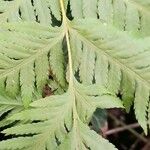
Pteris tremula
Australian Brake · Australian bracken · Poor-man's-cibotium · Shaking brake · Tender brake
Description
Source: leafsnapPteris tremula, commonly known as the trembling brake fern, is a species within the Pteridaceae family. It is native to the tropical and subtropical regions of Asia and Africa. This fern is distinguished by its light green fronds, which have a delicate texture. The fronds are bipinnate, meaning they consist of multiple leaflets arranged on either side of the stem. Easy to cultivate, Pteris tremula thrives in moist soil with good drainage. It prefers partial shade but can also tolerate full sun if provided with adequate water. The plant can reach up to 60 cm in height and 45 cm in width. The trembling brake fern boasts several medicinal properties. It has been used as an antiseptic for wounds and in the treatment of fever, coughs, asthma, and other respiratory problems due to its anti-inflammatory properties. In addition to its medicinal uses, Pteris tremula is also valued as an ornamental plant. Its unique appearance adds texture and visual interest to gardens or indoor spaces, either as a standalone plant or when combined with other plants. Overall, Pteris tremula is a versatile fern species that offers both aesthetic appeal and potential health benefits, making it a popular choice among gardeners worldwide.
Care Guide
💧 Water Every 7 days
The Australian brake fern flourishes in consistently moist environments with moderate humidity levels. To maintain its lush indoor foliage, it should be watered weekly, taking care to prevent waterlogging. During its active growing season, it's important to monitor the ambient humidity to ensure optimal development of the fronds.
☀️ Light Partial sun
The australian brake does best in shaded spots, receiving only a small amount of sunlight, a characteristic tied to its native, secluded woodland habitats. Although this inclination supports its healthy development, too much light can potentially cause damage. Conversely, a lack of light may hinder its vigor and change its normal growth pattern.
What are the sunlight requirements for Australian Brake?
Australian Brake (Pteris tremula) needs less than 3 hours of sunlight and thrives in full shade, which is intrinsic to its origin from shaded woodland corners. It's essential to watch how sunlight moves through your garden to ensure spots with the perfect balance of light and shade for these plants, ensuring their happiness. Excessive exposure to sunlight may harm them, while insufficient light could hinder their vitality and growth.
How essential is artificial lighting for indoor Australian Brake plants?
Artificial lighting is crucial for the growth of indoor Australian Brake plants, especially when natural sunlight is insufficient, such as in winter or less sunny spaces. It promotes healthier, faster growth by providing the light they need. LED lights are recommended because they can offer specific wavelengths of light needed by the plants. Full sun plants require 30-50W/sq ft, partial sun plants 20-30W/sq ft, and full shade plants like Australian Brake need 10-20W/sq ft. The light source should be placed 12-36 inches above the plant, mimicking natural sunlight’s distance and duration, with most plants needing 8-12 hours of light per day.
What are the signs of light deficiency in Australian Brake?
When Australian Brake grows in conditions with insufficient light, especially indoors, it may display symptoms like smaller new leaves compared to previous ones, leggy or sparse growth due to longer spaces between leaves or stems, faster leaf drop as a resource-conservation measure, slower or halted new growth entering a survival mode, lighter-colored new leaves indicating a lack of chlorophyll, and chlorosis where leaves lose their green color and turn yellow, revealing a breakdown of chlorophyll which affects photosynthesis.
How can I mitigate the effects of excessive sunlight on Australian Brake?
To mitigate excessive sunlight effects on Australian Brake, watch for symptoms like sunscald, which shows as pale, bleached areas on plant tissue; leaf curling, a defense mechanism against too much sunlight; wilting from increased water loss through transpiration; and leaf scorching, noticeable as brown, dry edges on leaves. Managing these issues involves ensuring the plant receives filtered light with brief periods of morning sunlight, using artificial light sources if necessary, and gradually acclimatizing outdoor plants to sunnier spots to prevent sunburn.
What solutions are available for Australian Brake plants exposed to poor lighting?
For Australian Brake plants exposed to poor lighting, solutions vary based on location. Indoors, move the plants to spots where they can receive ample filtered light, including some direct morning sunlight, situated 1-2 meters away from a window. Use artificial light sources like desk or ceiling lamps for at least 8 hours daily, or invest in professional plant grow lights. Outdoors, gradually acclimatize your plants to sunnier locations each week to prevent sunburn. Additionally, minimize obstructions like overhanging branches to improve light exposure and consider transplanting smaller plants during their dormant period to spots with better sunlight and drainage.
🌡️ Temperature 15–35°C
Australian brake is native to regions where temperatures range from 59 to 95°F (15 to 35°C). If you plant it in a cooler or hotter climate, change its location with the seasons to keep it within its preferred temperature range.
What are the ideal temperature conditions for Australian brake?
The Australian brake, botanically known as Pteris tremula, thrives in environments where the temperature ranges from 59 to 95°F (15 to 35°C). It has some cold tolerance and generally fares well without extra protection as long as the temperature remains above -5°C. However, adjustments should be made to ensure it stays within this preferred temperature range, especially if located in regions experiencing cooler or hotter climates. This may involve relocating the plant according to seasonal temperature changes. In cases where temperatures are expected to drop below -5°C, temporary protective measures are necessary, such as wrapping the plant with plastic film, fabric, or other insulating materials, to shield it from the cold. These protections should be removed once the weather warms up to avoid any negative impact on the plant's health.
How does low temperature affect Australian brake and what are the solutions?
When exposed to temperatures below its moderate tolerance levels, specifically under 15°C, Australian brake can exhibit signs of distress. Should the temperature dip below -10°C, the plant's leaves may begin to droop and, depending on the severity of the cold, might not recover; the leaves could wilt and eventually fall off. To mitigate frost damage, it's recommended to trim off the frost-damaged parts of the plant. Additionally, to prevent such damage when low temperatures are anticipated again, wrapping the plant with non-woven fabric or cloth and constructing a wind barrier can offer protection from the cold wind, thus helping in preserving the plant's health during colder months.
What are the impacts of high temperature on Australian brake and how can they be mitigated?
Australian brake should be kept under shelter when temperatures climb above 35°C to prevent heat stress. When temperatures soar past 41°C, the plant's leaves may lighten in color, leaf tips could become dry and withered, leaves might curl, and the plant becomes vulnerable to sunburn. To address this, the sunburned and dried parts of the plant should be trimmed away. Moving the plant to a shaded area or utilizing a shade cloth can protect it from the harsh midday and afternoon sun. Keeping the soil moist by watering in the morning and evening can also help reduce the impact of high temperatures on the Australian brake, ensuring its continued growth and health during hot spells.
💨 Humidity
🪴 Soil 5-7
🌱 Fertilizer
A single fertilizer application in spring is generally enough for Australian brake, although repeated feedings can optimize growth. Feed it every month to six weeks. Fertilizing improves the leaves’ appearance and function, helping maintain even color and a healthy texture. It also encourages root development and nutrient uptake for the plant’s long-term health.
🪴 Pot & Repot 2-3 years
Repot your Australian brake fern every 2 to 3 years in the spring to encourage healthy growth. Choose a container that is slightly larger to accommodate its expansion. After repotting, ensure the soil remains evenly moist and place the plant in indirect sunlight. This will help the fern adjust and thrive in its new environment.
✂️ Pruning
The Australian brake fern features delicate fronds and thrives in shaded, moist environments. It's best to prune this plant from early to late spring. During pruning, remove any yellowing fronds and thin out overcrowded areas to improve air circulation. Light pruning helps maintain the fern's shape and vigor, but be cautious, as heavy pruning can stress the plant.
🌿 Propagating
🐛 Diseases & pets
☠️ Toxicity
Characteristics
- Plant Type
- Herb
- Life Cycle
- Perennial
- Genus
- Pteris
- Family
- Pteridaceae
- Hardiness Zone
- 8-10
- Mature Height
- 1.22 m to 2.13 m
- Mature Spread
- 15 cm to 61 cm
- Leaf Color
- Light Green, Forest Green
- Leaf Type
- Evergreen
- Planting Time
- Spring, Summer, Autumn
- Native Area
- Fiji, New Zealand