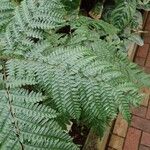
Pteris tripartita
Giant bracken · Giant Brake · Giant brake fern
Description
Source: leafsnapPteris tripartita is a species of fern native to Africa, Indonesia, and the Marquesas.
Care Guide
💧 Water Every 7 days
☀️ Light Full shade
Giant brake comes from habitats such as forest understories or rocky sites that provide natural shade. It prefers Full Shade but can tolerate Partial Sun.
What are the sunlight requirements for a Giant brake (Pteris tripartita)?
The Giant brake (Pteris tripartita) requires full shade, which means it should receive less than 3 hours of sunlight per day. It's important to observe how sunlight moves through your garden throughout the day. This observation will help you find spots that provide the perfect balance of light and shade, ensuring that your Giant brake plants thrive by getting the right amount of sunlight they need.
🌡️ Temperature 20–37.8°C
Giant brake comes from tropical areas, where the climate is generally warm and humid. Consequently, it is suited to high heat and moisture. It is sensitive to sudden shifts in temperature and prefers a consistent thermal environment, so avoiding temperature fluctuations indoors is important. It typically cannot tolerate cold and needs warmer conditions to grow. If the surrounding temperature falls too low, the plant may stop growing or even die.
What is the giant brake?
The giant brake refers to a plant known scientifically as Pteris tripartita. It doesn't have any provided information on essentials or symptoms related to it.
💨 Humidity
🪴 Soil 6-7
🌱 Fertilizer
🪴 Pot & Repot
✂️ Pruning
The giant brake plant flourishes in humid environments, characterized by its lush foliage. To maintain its health, prune it in early spring by removing any dead fronds. Use sterile tools to ensure clean cuts, which will help improve air circulation and prevent disease. Be careful not to over-prune, as this can stress the plant. For more detailed guidance, consult gardening manuals for best practices.
🌿 Propagating
🐛 Diseases & pets
☠️ Toxicity
Characteristics
- Plant Type
- Fern
- Life Cycle
- Perennial
- Genus
- Pteris
- Family
- Pteridaceae
- Hardiness Zone
- 9-11
- Mature Height
- 61 cm to 91 cm
- Mature Spread
- 61 cm to 91 cm
- Leaf Color
- Light Green, Forest Green
- Leaf Type
- Evergreen
- Planting Time
- Spring, Autumn
- Native Area
- Sri Lanka, India, Malaysia, Angola, Vanuatu, Madagascar, Nigeria, Kenya, Uganda, Tanzania, Fiji, Sierra Leone, Indonesia, Equatorial Guinea, Cameroon, Liberia, Ghana, Congo, Central African Republic, Philippines, Laos, Guinea, New Zealand, China, Vietnam, Togo, Papua New Guinea, Côte d'Ivoire, Singapore, Congo (DRC), Thailand, Gabon