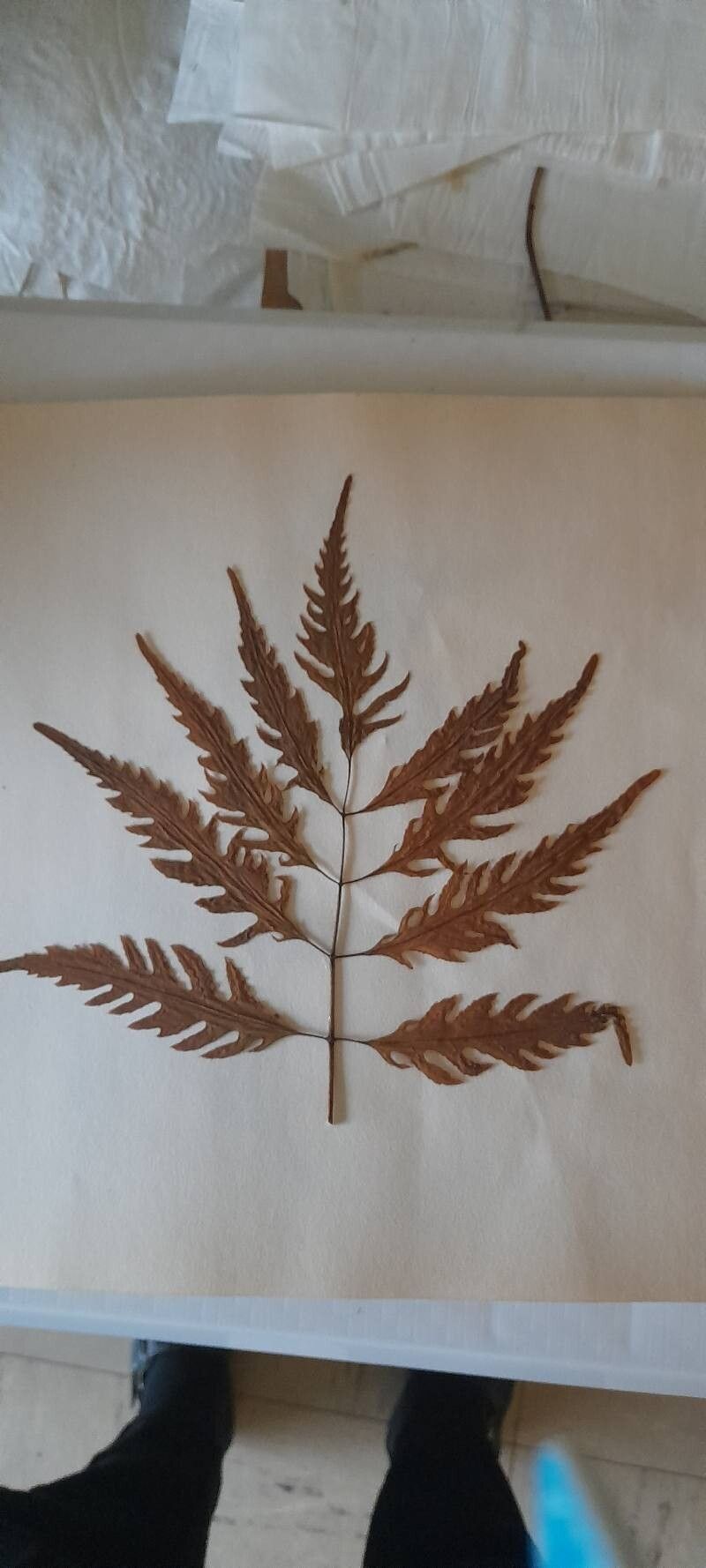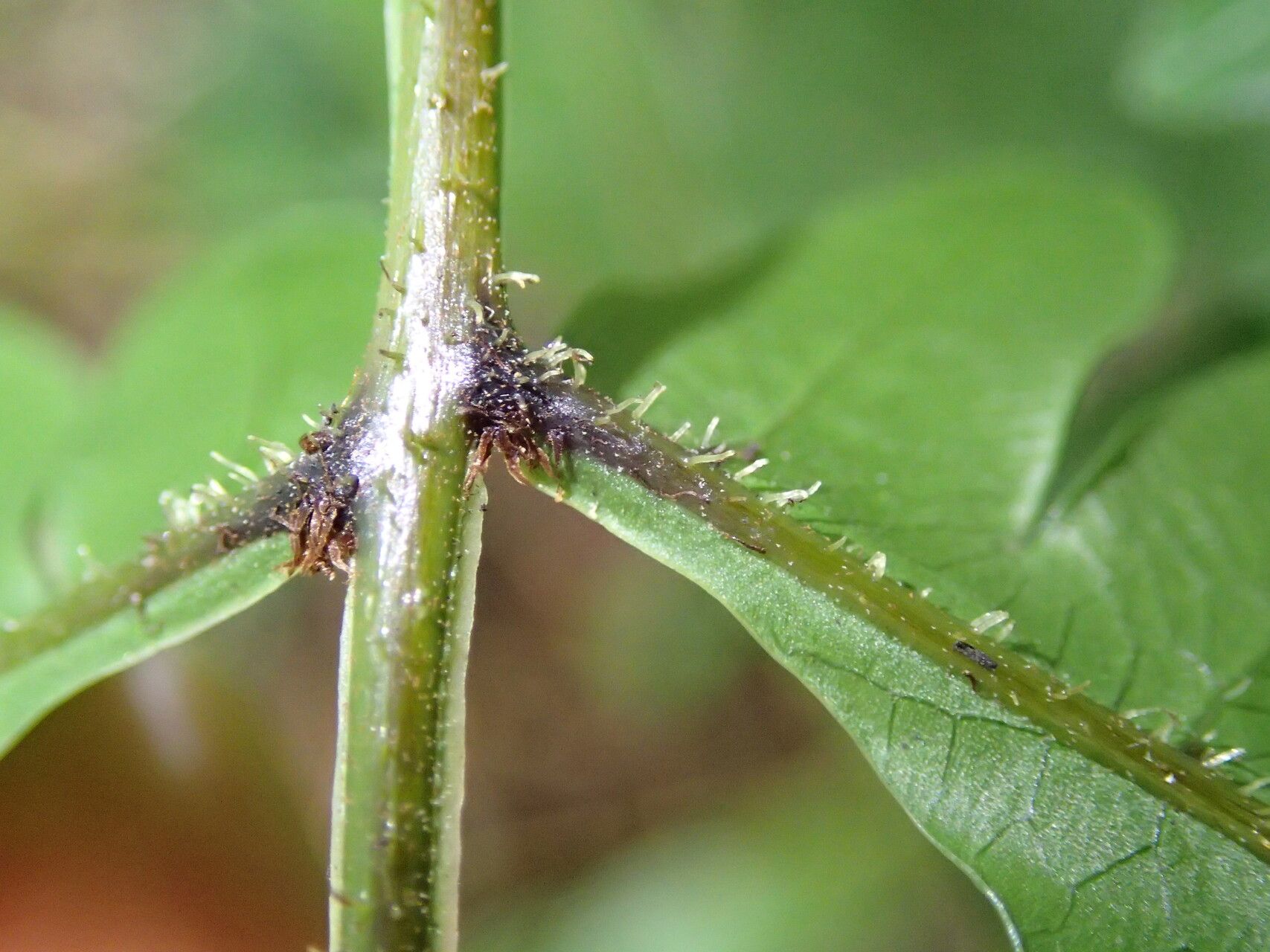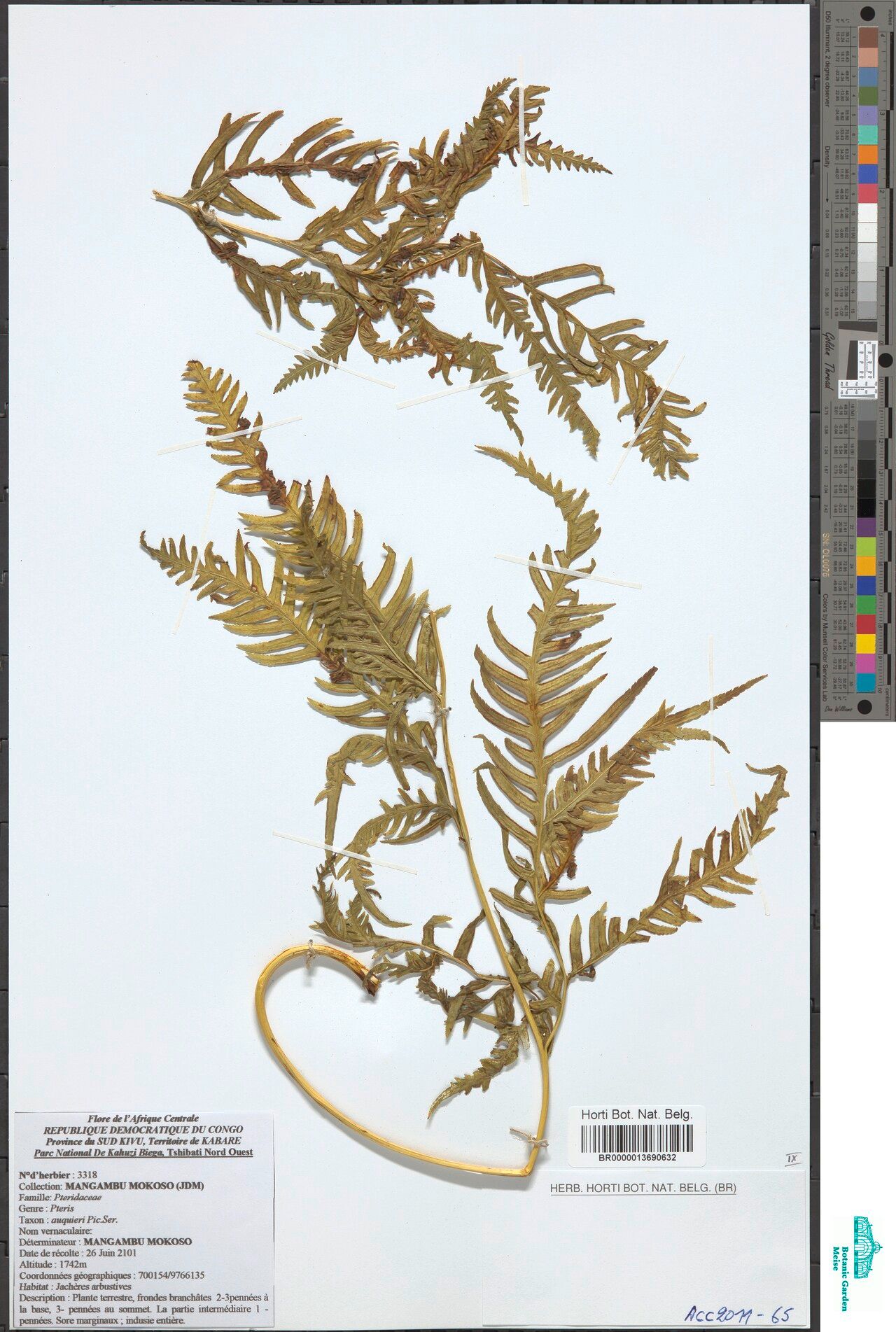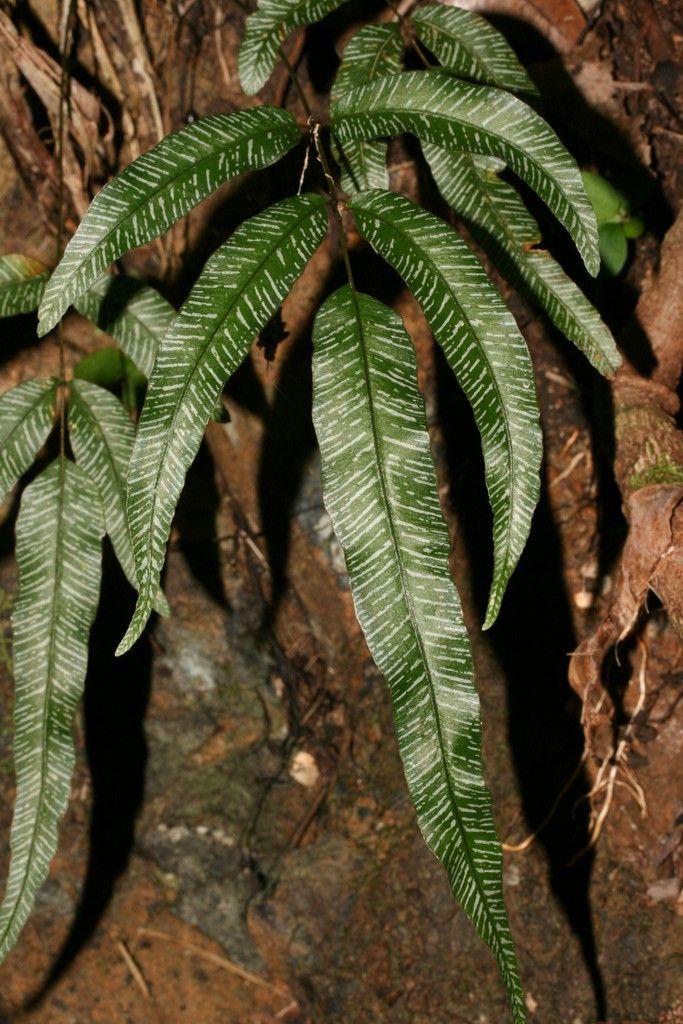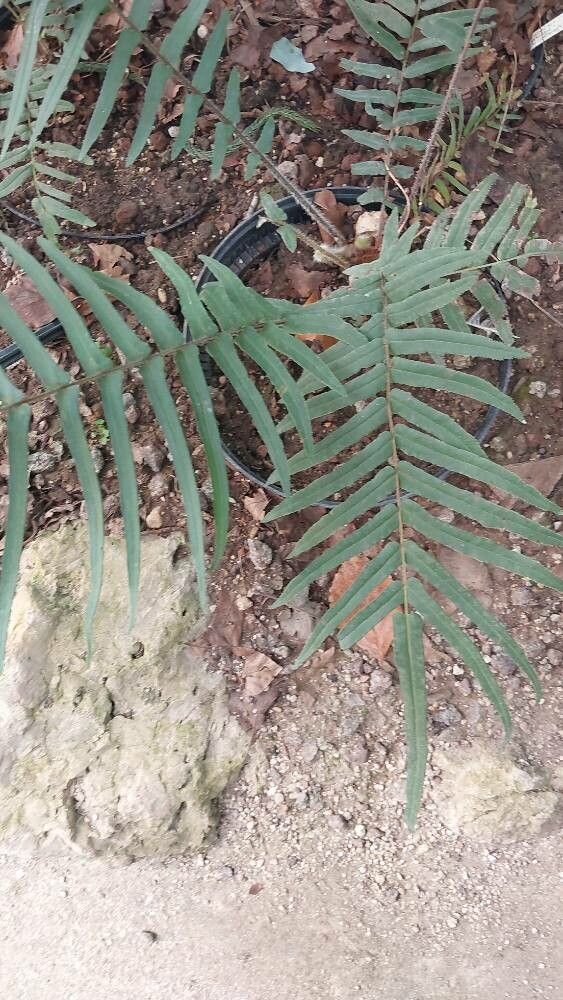
Mother fern typically has strong disease resistance and faces relatively few insect pests. Its care is considered difficult because it needs a consistently moist environment and frequent watering. Conversely, the roots are susceptible to rot if the plant is overwatered or kept in poorly ventilated conditions. Mother fern is appropriate for people with some growing experience, since most individuals can keep it alive for a certain amount of time. However, the plant may struggle to thrive and its leaves can dry out and become less healthy over time.
How to keep Pteris Wallichiana.
Light
The mother fern prefers gentle sunlight but can tolerate dim conditions. Native to habitats with varied light levels, its growth is not greatly affected by changes in sun exposure. Still, very strong or very weak light can harm the plant’s health, especially during key growth stages.
Water
The mother fern naturally thrives in humid environments and prefers consistently moist soil. It typically needs watering twice a week but can handle short periods of dryness. Increased humidity, similar to its tropical habitat, greatly enhances its growth and the health of its leaves.
Temperature
The mother fern comes from areas with temperate climates, where temperatures typically range from 59 to 95 °F (15 to 35 ℃). To recreate its natural conditions, provide warmer temperatures in summer and slightly cooler ones in winter when necessary.
Pruning
Mother ferns require minimal but strategic pruning to thrive. To promote growth, prune them in early spring by removing any damaged fronds, cutting them at the base. Regular pruning enhances air circulation and sunlight exposure. Be sure to use clean, sharp shears, and check the plant every two weeks during the growing season to maintain its optimal health.
Botanical profile.
- Plant Type
- Fern
- Life Cycle
- Perennial
- Genus
- Pteris
- Family
- Pteridaceae
- Hardiness Zone
- 7-9
- Mature Height
- 1.52 m to 2.13 m
- Mature Spread
- 1.52 m to 2.13 m
- Leaf Color
- Green
- Leaf Type
- Evergreen
- Planting Time
- Spring, Summer, Autumn