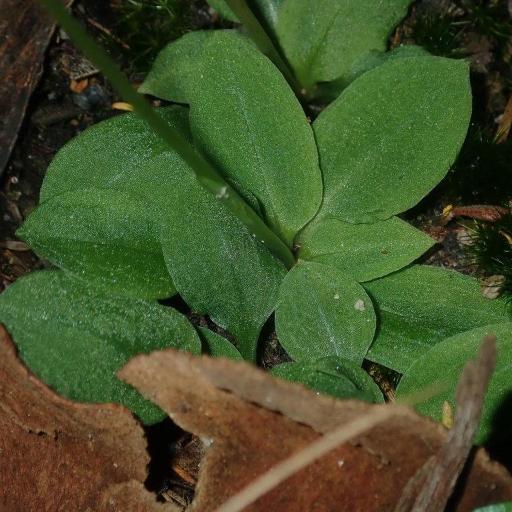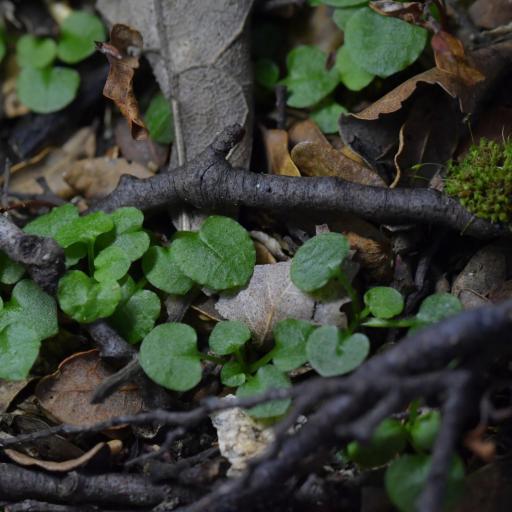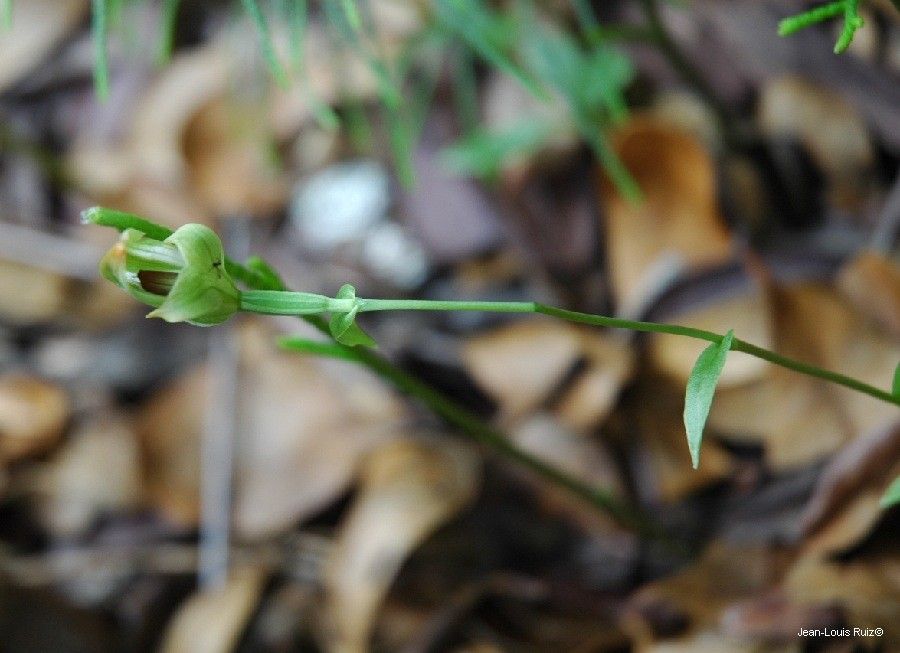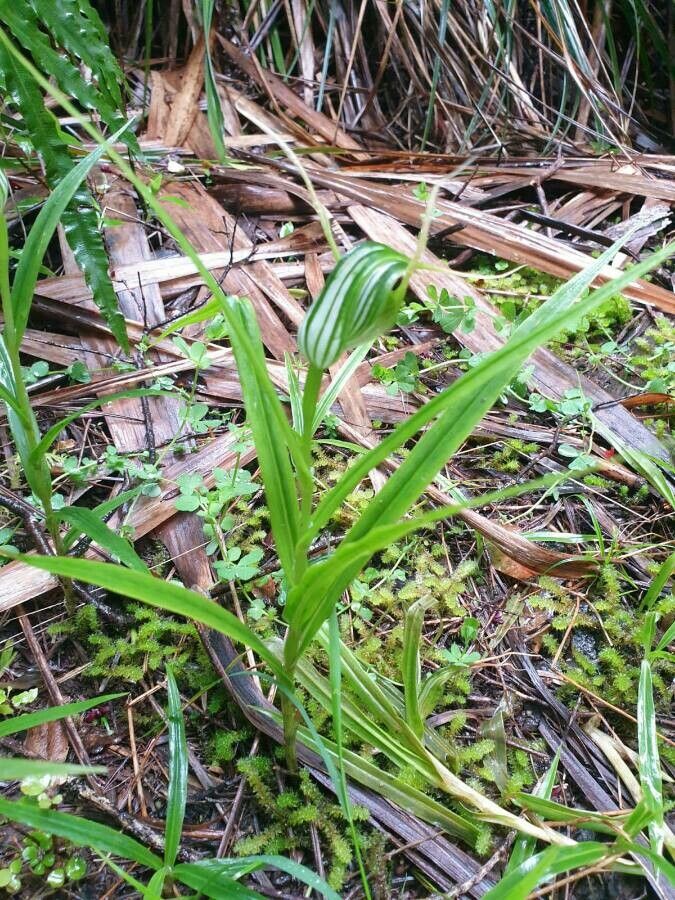
Pterostylis banksii, commonly known as greenhood or tutukiwi, is a species of orchid endemic to New Zealand. Non-flowering plants have a rosette of leaves. Flowering plants have leaves on the flowering stem, some of which reach above the single relatively large, green flower with translucent white stripes. It is the most common, widespread and largest New Zealand greenhood and is found on both of the main islands.
Greenhood generally shows good resistance to disease and is subject to relatively few insect pests. Its care is considered difficult because it needs a high-humidity yet well-ventilated environment with minimal harmful pathogens. Too much watering can cause root rot. Although anyone can grow Greenhood, keeping it healthy and inducing it to flower again requires more growing experience.
How to keep Pterostylis Banksii.
Light
Greenhood is native to habitats like forest understories and rocky areas, where it experiences natural shade. It prefers partial sun but can adjust to full sun or full shade, illustrating its versatility and hardiness.
Water
Greenhood plants naturally come from humid environments, so they thrive with consistent moisture and high humidity. To keep them healthy, they need to be watered weekly. As evergreens, they retain their foliage throughout the year. Many people find that growing greenhood indoors is preferable, as it allows for better control of humidity and more closely simulates the plant's natural conditions.
Temperature
Greenhood can adjust to a wide range of temperatures, but its range may still be restricted by certain combinations of moisture and heat. It does best in warm summer climates with sufficient rainfall or watering. Extended periods of cloudy, rainy weather, and prolonged high temperatures, can increase the chance of Greenhood dying. In winter, adequate protection from cold can improve the plant's survival.
Fertilizer
For Greenhood, the primary time to fertilize is in early spring when the flowers are developing. Using the appropriate fertilizer promotes better blooms and helps Greenhood produce attractive flowers. Fertilizing in early spring ensures strong flowers throughout the season and supplies energy for dormant growth phases.
Pruning
Greenhood flourishes with minimal pruning, which is best done from early to late spring. To promote better air circulation, remove any dead leaves and spent flowers. Pruning helps maintain the plant's shape and prevents disease, ensuring healthier growth. For the best results, always use clean, sharp tools.
Botanical profile.
- Plant Type
- Herb
- Life Cycle
- Perennial
- Genus
- Pterostylis
- Family
- Orchidaceae
- Hardiness Zone
- 9-11
- Mature Height
- 40 cm
- Mature Spread
- 10 cm
- Leaf Color
- Green, Dark Green
- Leaf Type
- Evergreen
- Flower Color
- Green
- Flower Size
- 2.03 cm to 3.05 cm
- Bloom Time
- Fall
- Planting Time
- Spring, Summer
- Harvest Time
- Winter
- Native Area
- New Zealand
Other names.
Reader questions.
What are the sunlight requirements for Greenhood (Pterostylis banksii)?
Greenhood (Pterostylis banksii) requires specific sunlight conditions to thrive. For partial sun, it needs about 3-6 hours of sunlight daily. If you're aiming for full sun, it should receive above 6 hours of sunlight. It's essential to observe the movement of sunlight through your garden carefully to identify the spots that offer an ideal balance of light and shade. This careful placement ensures your Greenhood plants are happy and healthy.
What is Greenhood?
Greenhood, known botanically as Pterostylis banksii, is a plant with distinctive characteristics and features. Though the provided data lacks details on its essentials and symptoms, the naming indicates its relevance in botanical studies or horticulture.