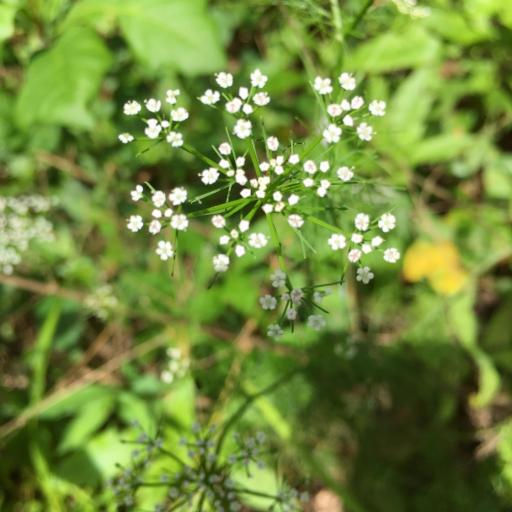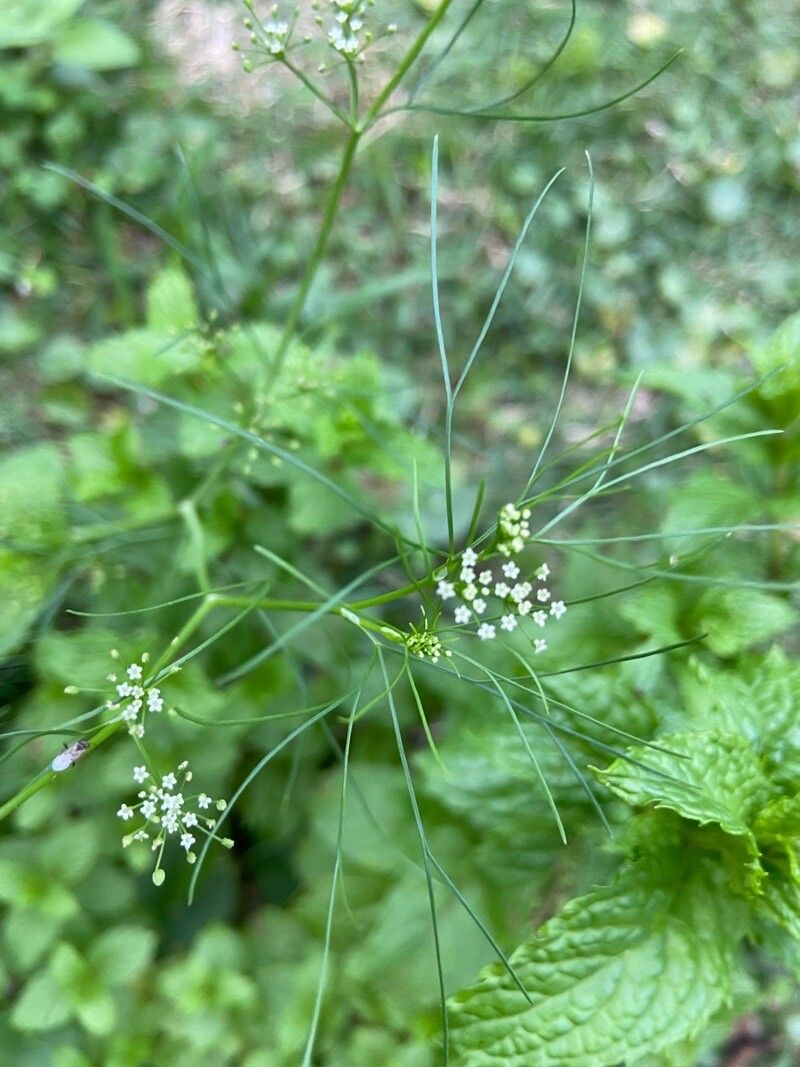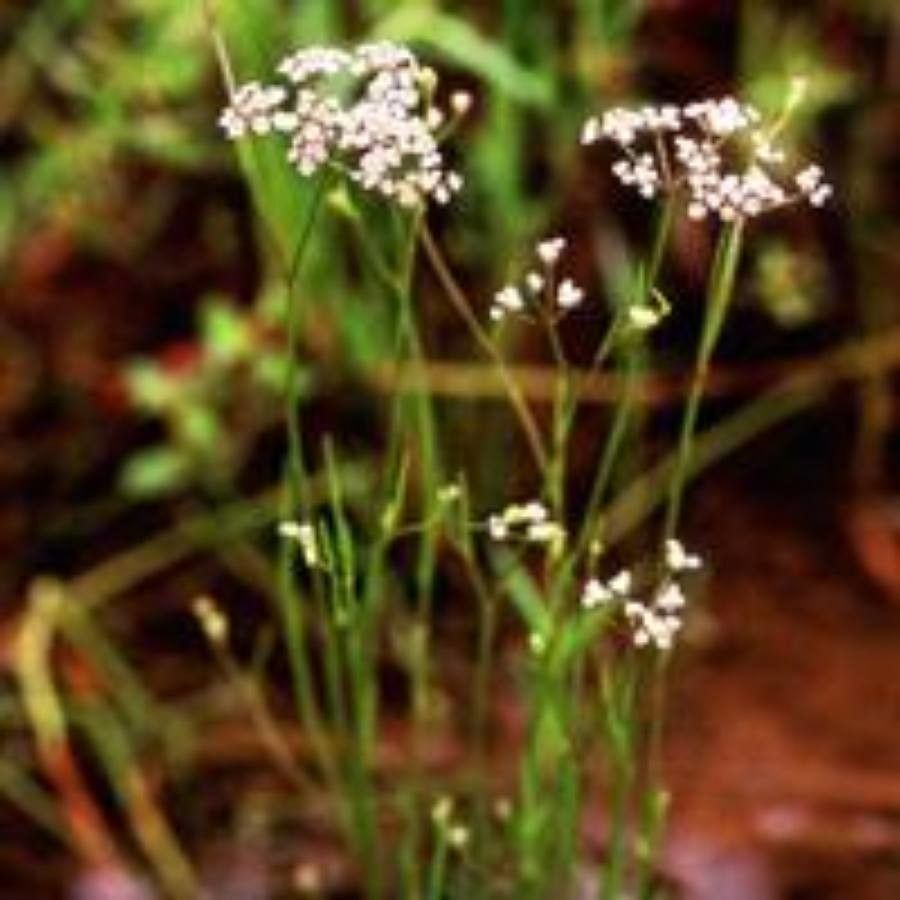
Ptilimnium nodosum (synonym=Harperella nodosa), common names piedmont mock bishopweed and harperella, is a plant native to riparian environments in the Southeastern United States, found at sites in West Virginia, Maryland, several Southeastern states such as Alabama and North Carolina, and the Ouachita National Forest in Arkansas and Oklahoma.Ptilimnium nodosum was placed on the United States' Endangered Species List in 1988.
Harperella nodosa is fairly disease-resistant and generally does not suffer from many illnesses. That said, it can be vulnerable to pests and diseases present in its environment. These problems are typically not serious. In terms of care, the plant requires moderate maintenance. It needs routine pruning to preserve an attractive appearance and healthy growth. Applying fertilizer can also encourage flowering. Harperella nodosa is appropriate for anyone with outdoor space, such as a garden or patio, and does not demand extensive gardening experience. It may require more attention when grown indoors.
How to keep Ptilimnium Nodosum.
Fertilizer
Harperella nodosa does well with regular, dilute fertilizer applications to encourage healthy leaf development. Fertilize it about once a month during the summer. Nitrogen is essential for foliage, and supplying nitrogen-rich sources supports Harperella nodosa's growth.
Botanical profile.
- Plant Type
- Herb
- Life Cycle
- Annual
- Genus
- Ptilimnium
- Family
- Apiaceae
- Mature Height
- 30 cm to 91 cm
- Leaf Type
- Deciduous