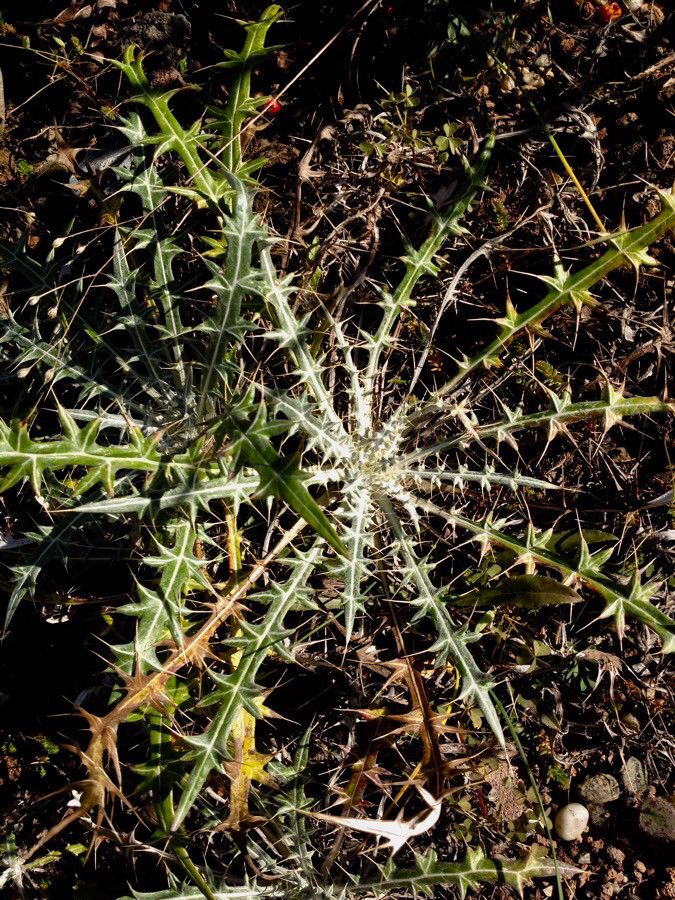
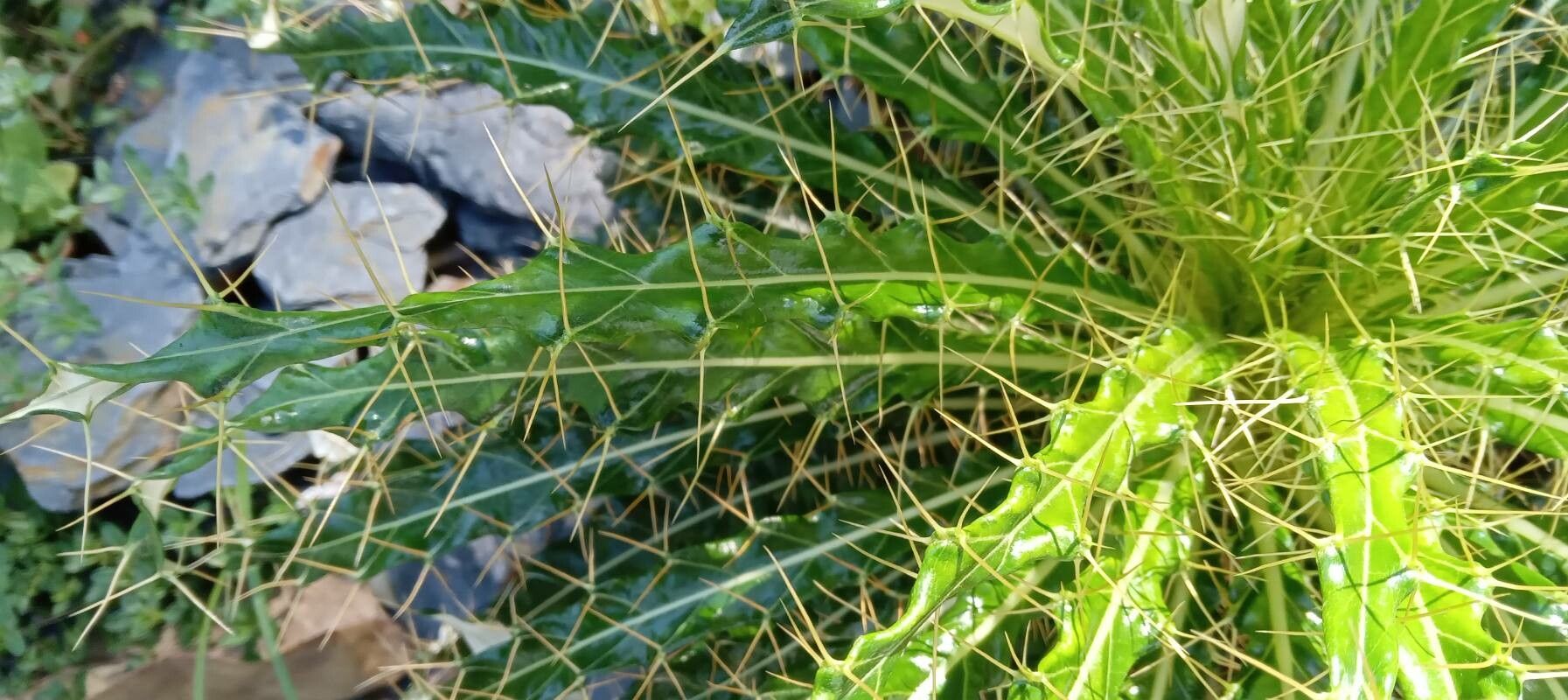
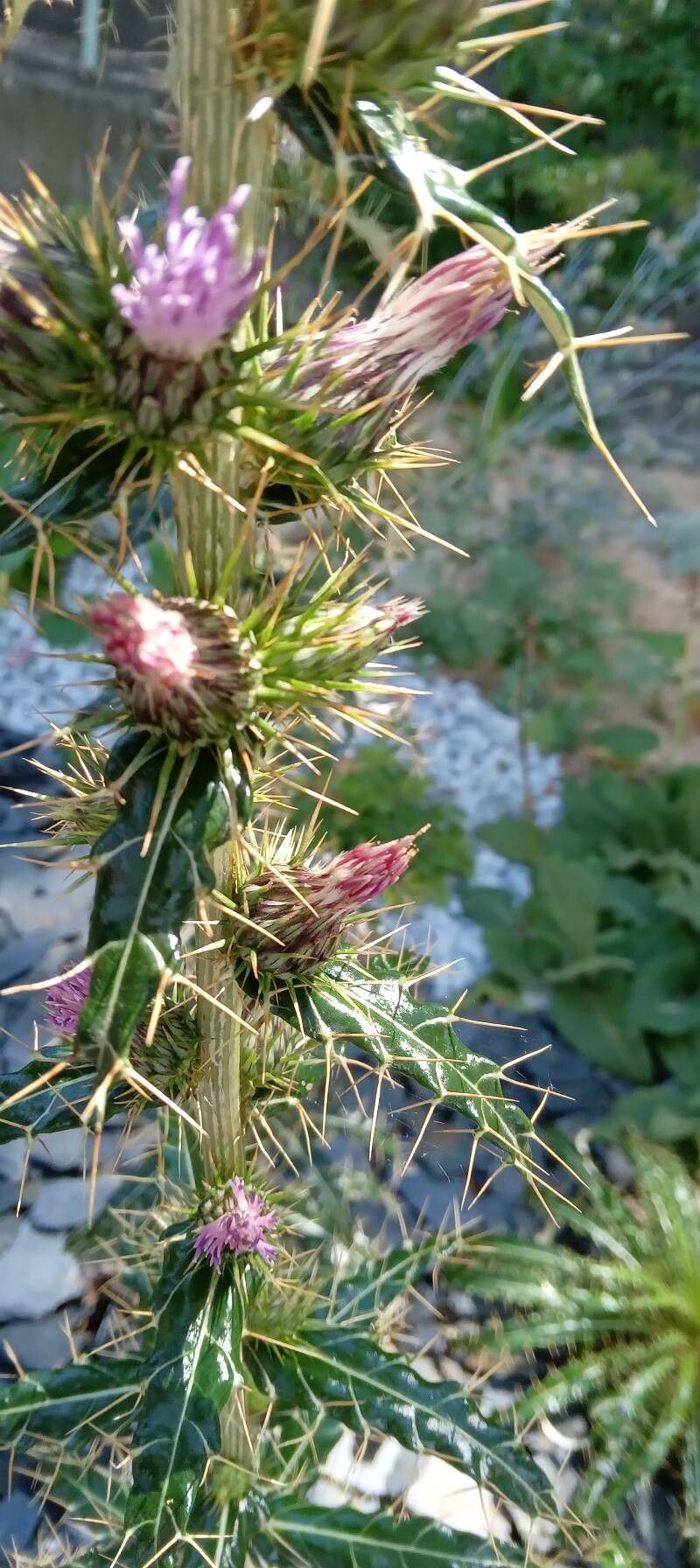
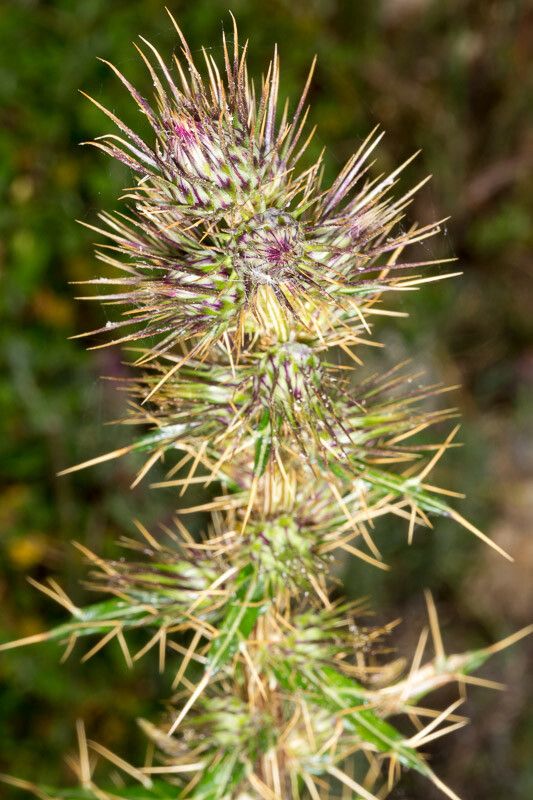
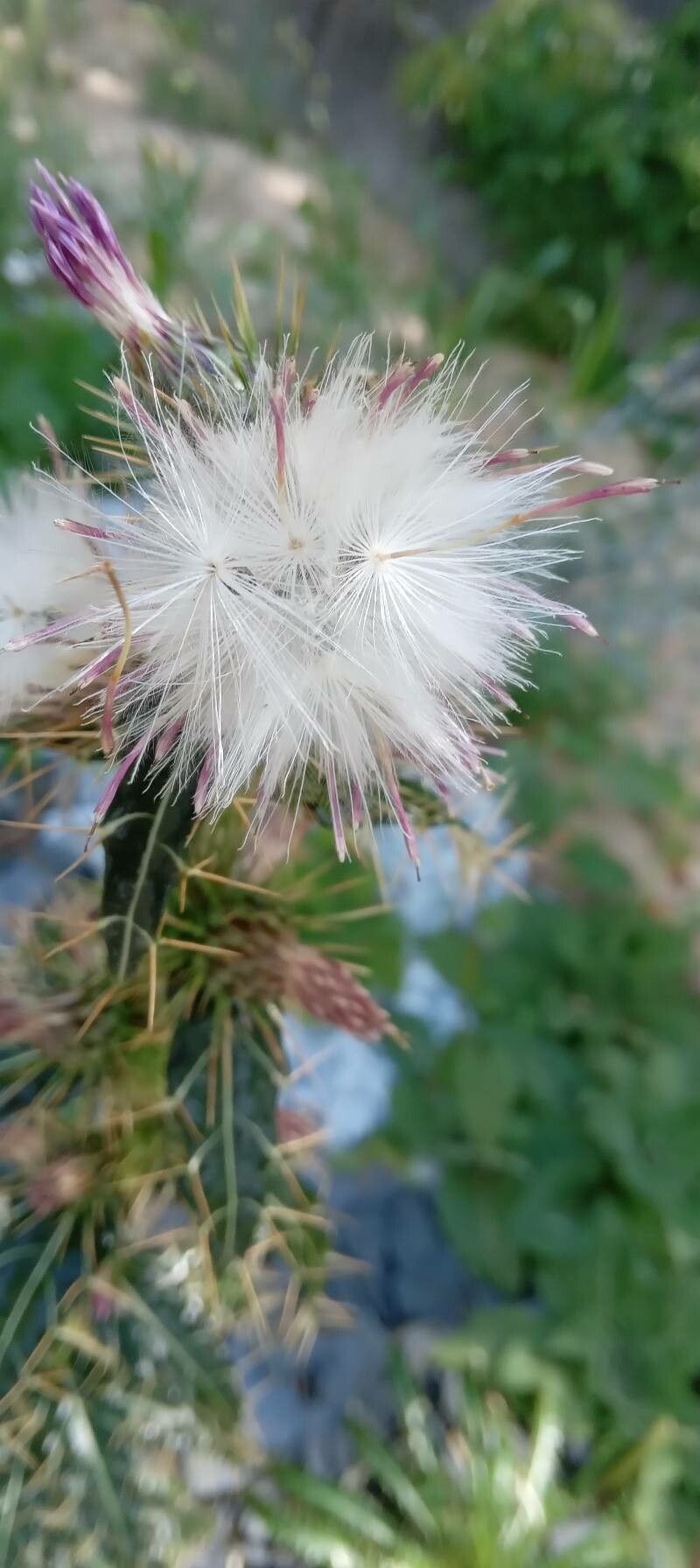
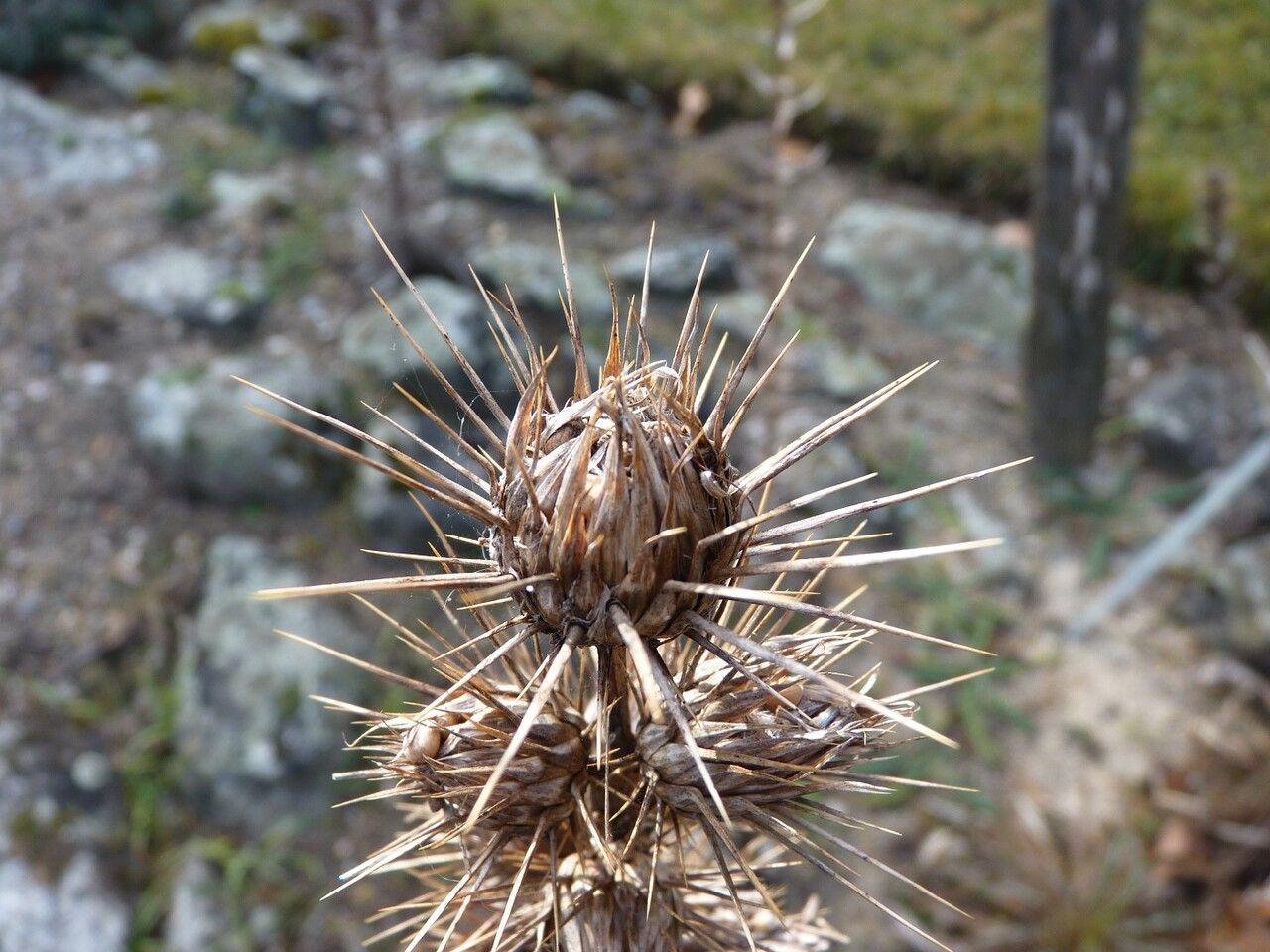
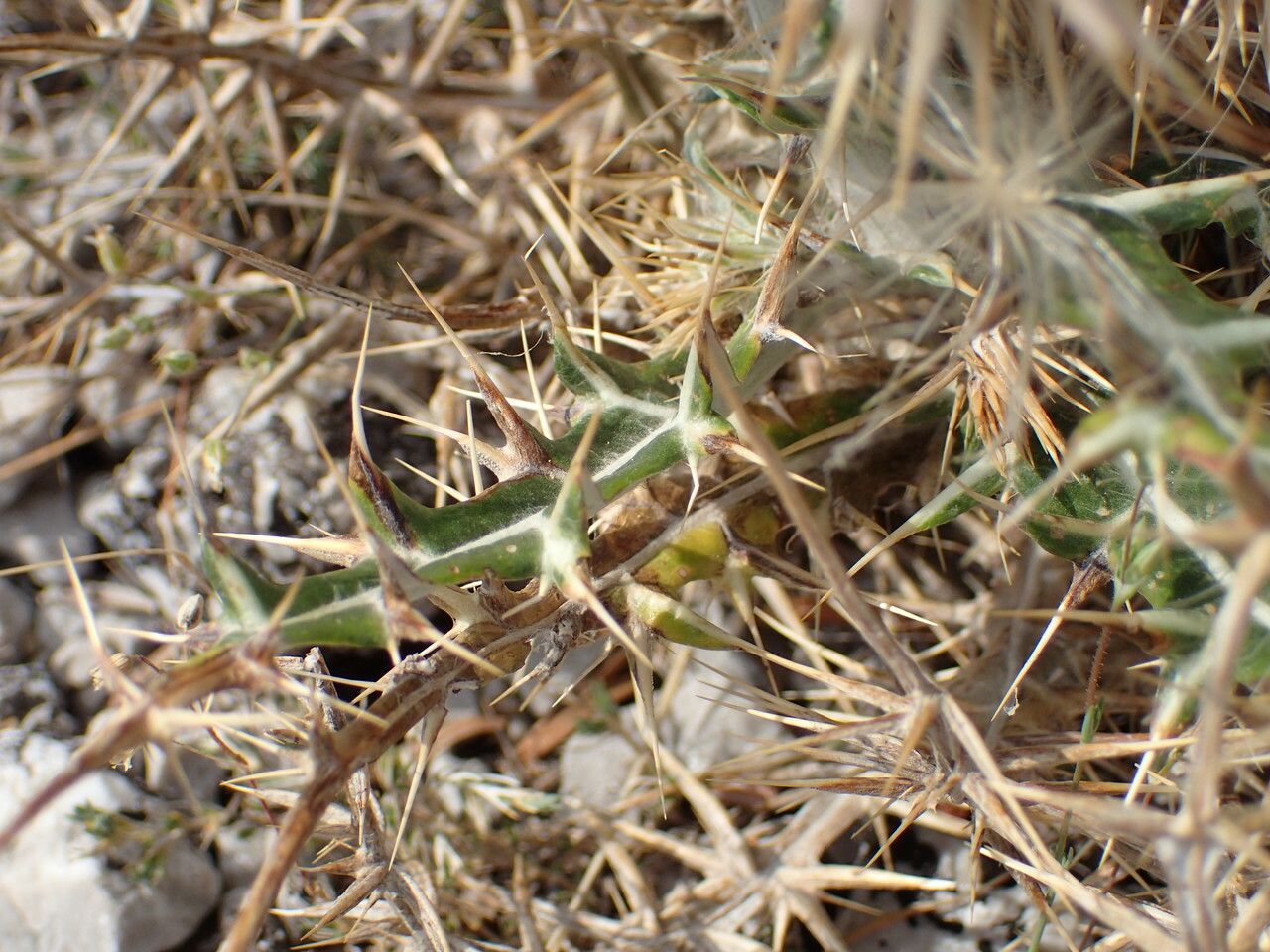
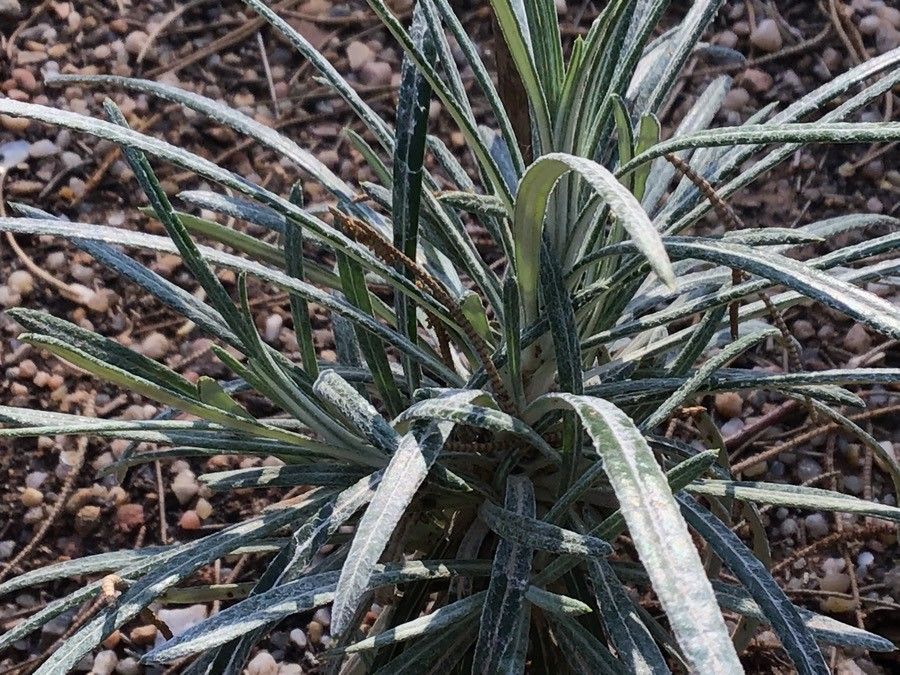
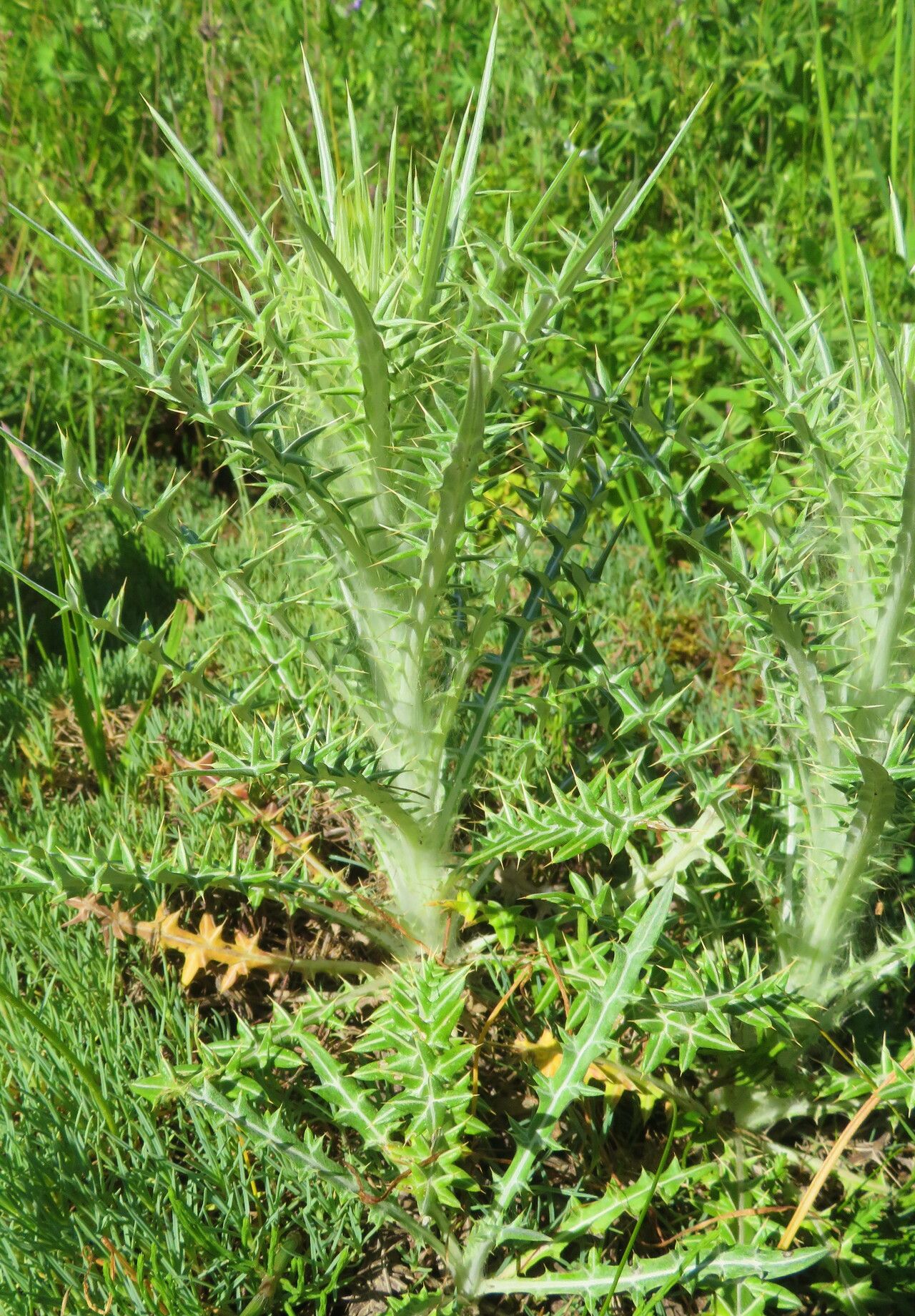
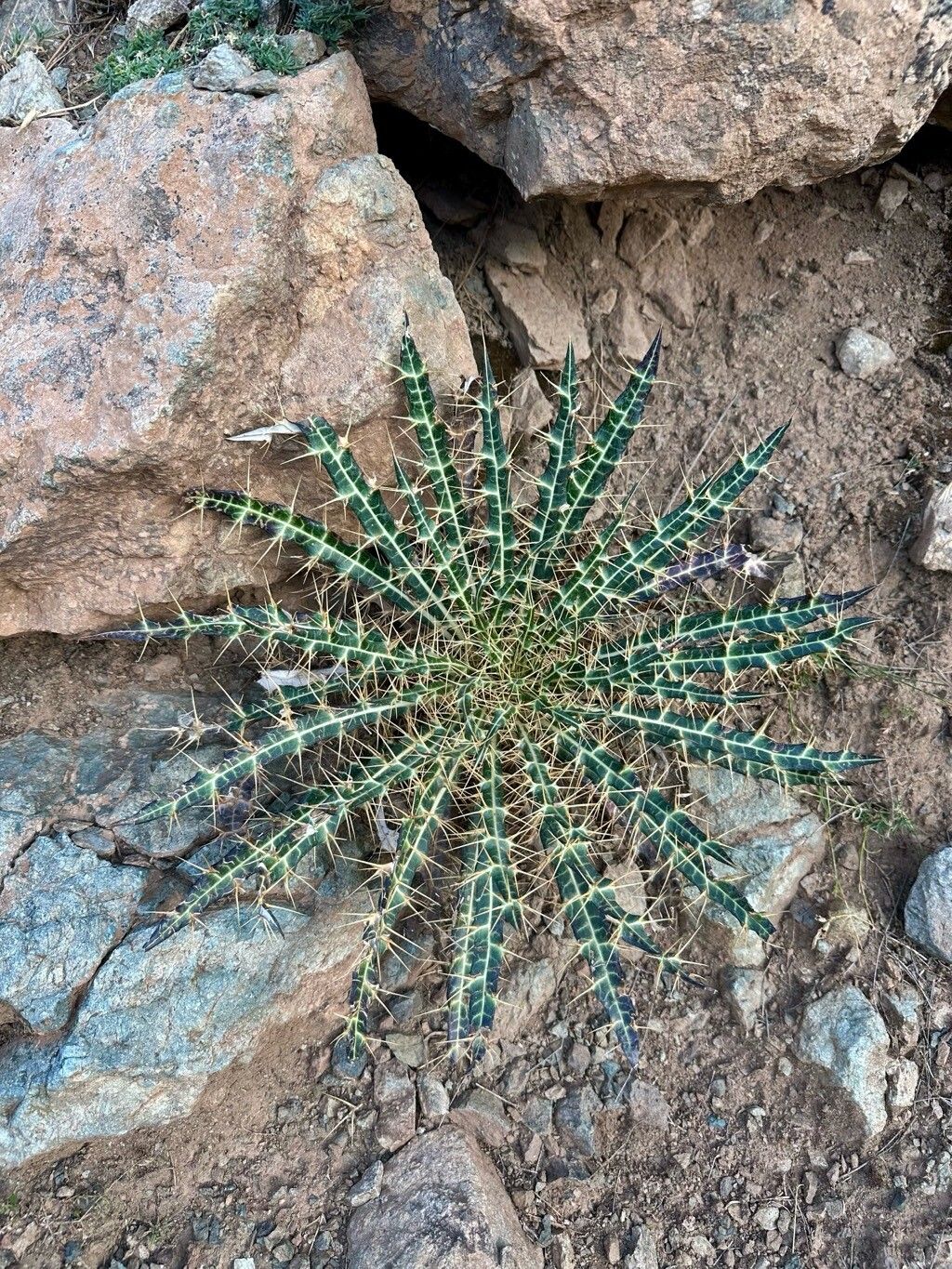
Sardinian Ivory Thistle is fairly disease-resistant and is usually not prone to illnesses. In terms of care, this plant is relatively low-maintenance. When grown outdoors it needs little watering, and larger plants typically do not require pruning. Smaller plants, however, should be pruned after they have finished blooming. Sardinian Ivory Thistlet is appropriate for anyone with an outdoor area, such as a garden or deck, and does not demand much gardening experience.
How to keep Ptilostemon Casabonae.
Light
Sardinian Ivory Thistle is native to open habitats, like sunny meadows and forest margins, where light is plentiful. It performs best in full sun yet can tolerate partial sun, showing good adaptability to different light levels.
Water
Ptilostemon casabonae, which originally comes from Mediterranean climates, thrives in environments with moderate humidity and can tolerate short periods of drought. For optimal vitality, it prefers consistent moisture, so it is best to water the plant twice a week. This is particularly important during periods of peak growth to promote lush development.
Temperature
Sardinian Ivory Thistle adapts well to a wide range of climate conditions, from scorching summers to cold winters. Nevertheless, it has an optimal temperature range for growth. If temperatures become too high, the plant is susceptible to heat and humidity stress, which can cause it to die. In areas where temperatures approach the lower limit of its cold tolerance, it's important to take insulating measures to protect the plant.
Fertilizer
Fertilize your Sardinian Ivory Thistle in early spring to encourage healthy growth. Regular feeding improves overall health, leading to vigorous growth, increased resilience to harsh conditions, and better resistance to pests and diseases. Keep to a consistent fertilization schedule for your Sardinian Ivory Thistle to maintain vibrant foliage with deep color and a lush appearance.
Pruning
Ptilostemon casabonae is a plant with thistle-like characteristics. In early spring, trim away dead branches and shape the plant later to encourage growth. Regular pruning not only helps prevent disease but also enhances flowering. To avoid infections, always use clean tools, which will ensure the plant remains healthy and looks its best.
Botanical profile.
- Plant Type
- Shrub
- Life Cycle
- Perennial
- Genus
- Ptilostemon
- Family
- Asteraceae
- Hardiness Zone
- 8-10
- Mature Height
- 0.91 m to 1.52 m
- Mature Spread
- 61 cm to 91 cm
- Leaf Color
- Gray, Dark Green
- Leaf Type
- Deciduous
- Flower Color
- Purple
- Flower Size
- 3.05 cm to 5.08 cm
- Bloom Time
- Early summer, Mid summer
- Planting Time
- Spring, Summer, Autumn
- Harvest Time
- Late summer, Early fall
- Native Area
- Italy, France