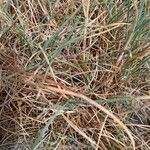
Puccinellia distans
European alkali grass · Reflexed-salt grass · Weeping alkali grass · Slender alkali grass · Spreading Alkali Grass
Description
Source: leafsnapPuccinellia distans is a species of grass known by the common names weeping alkaligrass and European alkali grass. It is native to Europe and it is present in most of North America, where it is perhaps an introduced species. It grows in moist habitat, usually in areas with saline soils, such as the edges of salted roads. It is a perennial herb producing hollow stems up to 40 to 60 centimeters in maximum height. The inflorescence is a spreading array of branches, the lower ones reflexed. The branches bear several rough-haired spikelets containing flowers.
Care Guide
💧 Water Every 7 days
Hauptian alkaligrass thrives in moist environments and needs consistent watering, ideally on a weekly basis. It is not tolerant of drought, so rainwater is particularly beneficial as it supports its growth cycle, especially in its natural habitat of wetlands.
What should I do if I give too much or too little water to my Hauptian alkaligrass?
Proper watering is essential for the success of this beautiful ornamental grass. When planted in the ground, any watering issues can be addressed, but in a container, it's crucial to avoid both overwatering and underwatering, as they can quickly kill Hauptian alkaligrass. When this grass doesn't receive the right amount of water, it may stop growing. Overwatering is indicated by yellow leaves with brown tips, while underwatering is shown by drooping leaves, weak seed head production, and browned leaves. If you suspect watering issues, determine if it's too much or too little water. If it's excessive, stop watering immediately and wait for heavy soils to dry out. Test the soil for moisture when you see new growth and decide if more water is necessary. On the other hand, if the grass lacks water, simply give it a deep drink and observe if it improves. It's important to note that a long, deep watering is always better than frequent, shallow waterings. This encourages grasses to develop deep roots, enhancing their resistance to drought and minimizing watering-related problems.
How frequently should I water my Hauptian alkaligrass?
The watering needs of Hauptian alkaligrass depend on its planting location. In general, it should be watered every week. In hot climates, watering once or twice a week during the summer may be necessary. Moderate climates may only require watering once every seven days or more. Grass in containers typically needs more frequent watering compared to grass in the ground. Additionally, the location of the grass matters. Shaded grasses require less frequent watering than grasses planted in the ground. To determine when to water, you can check the soil moisture by pressing your finger a few inches into the soil. For potted grass, you can also weigh the pot or feel how light it is to assess the water level. When the grass lacks sufficient water, the blades may appear folded and thinner than usual. Despite being drought tolerant, regular deep waterings will enhance the grass's appearance. In the wild, Hauptian alkaligrass grows in open scrubland, enduring extreme heat, bright sun, and sporadic rain. Although it is drought resistant, this grass still requires care and attention. Gardeners agree that consistent watering leads to optimal growth. When initially planted, Hauptian alkaligrass needs more frequent watering until it develops deep roots. Potted grass dries out quickly, especially in hot, direct sun. It is recommended to test the soil moisture every 3 to 4 days and water only when it feels dry. In-ground Hauptian alkaligrass generally requires less watering, but it depends on the type of soil. Clay soil retains moisture below the surface, so it may feel dry on top while still containing sufficient moisture. Sandy soils that drain quickly will need more frequent watering.
What should I watch out for when I water my Hauptian alkaligrass in different seasons, climates, or during different stages of growth?
The growth rate of your grass can indicate if you are watering it enough. In the hottest months, Hauptian alkaligrass can double in size over the course of a year. If it is hot outside and the grass is not growing well, you may need to adjust your watering schedule. In winter, you might only need to water once a month, but it is still important to check the soil for moisture. During the warmer months, the grass will need more water, but during winter and cooler months, it will require much less. Remember to let the soil dry out completely before adding water to Hauptian alkaligrass.
☀️ Light Full sun
Hauptian alkaligrass prefers abundant sunlight, which encourages vigorous growth. It can adjust to reduced sunlight. Having originated in places with plentiful solar light, it performs well in similar conditions. Excessive sun generally does not seriously harm hauptian alkaligrass, while a shortage of light can impede its growth.
What are the sun requirements for Hauptian alkaligrass?
Hauptian alkaligrass requires full sun, defined as more than 6 hours of sunlight daily, to thrive. It can also grow in partial sun, which is about 3-6 hours of sunlight. It's important to observe how sunlight moves through your garden to find spots that offer a balance of light and shade, ensuring your plants stay happy and healthy.
What are the essentials for growing Hauptian alkaligrass?
Hauptian alkaligrass flourishes with ample exposure to sunlight, fostering robust growth. Although it can adapt to less solar exposure, its natural habitat is areas with abundant sunlight, where it thrives best. While overexposure to sun doesn't significantly harm the plant, a lack of it could impede its growth. For indoor plants, sufficient lighting is crucial, especially in winter or less sunny spaces. Artificial lights, particularly LED lights, can be a great solution, providing the necessary wavelengths of light. Full sun plants need 30-50W/sq ft of artificial light, partial sun plants 20-30W/sq ft, and full shade plants 10-20W/sq ft. The artificial light source should be placed 12-36 inches above the plant and kept on for 8-12 hours per day to mimic natural sunlight duration.
What symptoms indicate insufficient sunlight for Hauptian alkaligrass?
Symptoms of insufficient sunlight in Hauptian alkaligrass include smaller new leaves than previous ones, leggy or sparse growth, quicker leaf drop, slower or halted new growth, and lighter-colored or yellow (chlorosis) leaves. Excessive sunlight can cause sunscald, leaf curling, wilting, leaf scorching, or the breakdown of chlorophyll leading to chlorosis, negatively affecting the plant's photosynthesis and overall health.
How can I address light deficiencies in Hauptian alkaligrass?
To combat light deficiencies in Hauptian alkaligrass, gradually move indoor plants to sunnier locations each week until they receive at least 6 hours of direct sunlight daily, using a south-facing window and keeping curtains open during the day. For large or immovable plants, consider providing additional light with artificial lighting, keeping a desk or ceiling lamp on for at least 8 hours daily or investing in professional plant grow lights. For outdoor plants, also move them gradually to avoid sunburn. If it's a ground issue, reduce obstructions by pruning trees or branches blocking the sunlight and consider transplanting smaller plants during their dormant period to a location with more sunlight and good drainage. Remember, parts of the plant affected by insufficient sunlight may not recover, but new growth should be healthy with increased light exposure.
🌡️ Temperature 0–21.1°C
Hauptian alkaligrass stammt aus gemäßigten Klimazonen, in denen die Temperaturen zwischen 32 und 70 °F (0 bis 21 °C) liegen. Es bevorzugt kühlere Verhältnisse und benötigt bei Anbau in wärmeren Jahreszeiten eine entsprechende Anpassung der Temperatur, um sein optimales Wachstum beizubehalten.
What climates is Hauptian alkaligrass native to?
Hauptian alkaligrass is native to temperate climates with temperatures ranging from 32 to 70 °F (0 to 21 °C). This grass prefers cooler conditions and thrives best in temperate climates. When grown in seasons with higher temperatures, adjustments to temperature settings are necessary to maintain optimal growth conditions.
How does Hauptian alkaligrass handle cold weather and frost?
Hauptian alkaligrass is highly tolerant to cold and does not require additional frost protection. To prepare for winter, it is recommended to water the plant generously before the first freeze in autumn. This ensures that the soil remains moist when it enters a frozen state, helping to prevent water scarcity for the plant during the winter and early spring months.
What happens if Hauptian alkaligrass experiences temperatures below -40°C?
If the temperature drops below -40°C, Hauptian alkaligrass displays extreme cold tolerance; however, this extreme cold may affect the plant's ability to sprout in spring. While there may not be noticeable changes during the winter, a significant decrease in sprouting, or even a complete lack of sprouting, might occur in spring. In such cases, removing any parts that failed to sprout is the suggested solution.
How does Hauptian alkaligrass react to high temperatures?
Hauptian alkaligrass does not tolerate high temperatures well. Growth will halt if temperatures rise above 21°C, and the plant becomes more susceptible to rot. To manage this, it's recommended to trim away sunburned and dried-up parts of the plant. Moving the plant to a shaded area during midday and afternoon sun or using a shade cloth can also help. Ensuring the soil remains moist by watering in the morning and evening is crucial for the plant's health in hot conditions.
What is the botanical name of Hauptian alkaligrass?
The botanical name of Hauptian alkaligrass is Puccinellia distans. This grass is known for its adaptability to cooler climates and its tolerance to cold temperatures, making it a suitable option for temperate environments.
💨 Humidity
🪴 Soil 6-8
🌱 Fertilizer
Hauptian alkaligrass needs extra nutrients to encourage healthy new growth. In spring, adding compost around the plant’s base will effectively supply the nutrition it requires. Fertilizing supports strong growth and helps the plant withstand diseases and pests.
🪴 Pot & Repot
✂️ Pruning
Hauptian alkaligrass flourishes in salty environments and benefits from careful pruning. Trim it in early spring to remove dead stems and promote new growth. Regular light trimming helps maintain its appearance, enhances air circulation, and supports a healthy lawn. Consistent monitoring is important to avoid over-pruning and ensure the best plant health.
🌿 Propagating
🐛 Diseases & pets
☠️ Toxicity
Characteristics
- Plant Type
- Grass
- Life Cycle
- Perennial
- Genus
- Puccinellia
- Family
- Poaceae
- Hardiness Zone
- 2
- Mature Height
- 10 cm to 61 cm
- Mature Spread
- 20 cm to 40 cm
- Leaf Color
- Light Green, Pale Green
- Leaf Type
- Evergreen
- Flower Color
- Yellow, Green, Purple, Brown
- Flower Size
- 0.20 cm to 0.25 cm
- Bloom Time
- Summer
- Planting Time
- Spring, Summer, Autumn
- Harvest Time
- Late summer, Early fall, Mid fall
- Native Area
- Turkey, Austria, Sweden, Pakistan, Belarus, Uzbekistan, Russia, Germany, Iceland, Romania, Belgium, Portugal, France, Netherlands, Bulgaria, Poland, Greece, Ukraine, China, Norway, Afghanistan, Italy, Kazakhstan, Spain, Switzerland, Denmark, Mongolia, Israel, Finland, Iran, Ireland, United Kingdom, Hungary, Turkmenistan