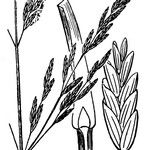
Puccinellia foucaudii
Seaside Alkali Grass · Seaside alkaligrass · Common saltmarsh-grass
Care Guide
💧 Water
☀️ Light Full sun
Common saltmarsh grass is a sun-loving, perennial herbaceous plant that originates in open habitats and often thrives in meadows and grasslands. It prefers full sun but can also tolerate partial sun conditions.
🌡️ Temperature 5–35°C
Common saltmarsh grass can tolerate a broad range of temperatures, but its range may still be restricted by different combinations of water and heat conditions. It grows best in warm summers when there is sufficient rainfall or irrigation. Extended periods of cloudy, rainy weather or prolonged high temperatures can raise the risk of Common saltmarsh grass dying. In winter, suitable protection from cold can increase the plant's chances of survival.
💨 Humidity
🪴 Soil 6-8
🌱 Fertilizer
Common saltmarsh grass needs extra nutrients to encourage healthy new growth. In spring, sprinkling compost around the plant’s base can effectively supply the nutrition it requires. Adding fertilizer supports vigorous growth and helps the plant resist diseases and pests.
🪴 Pot & Repot
✂️ Pruning
🌿 Propagating
🐛 Diseases & pets
☠️ Toxicity
Characteristics
- Plant Type
- Grass
- Life Cycle
- Perennial
- Genus
- Puccinellia
- Family
- Poaceae
- Hardiness Zone
- 4-9
- Mature Height
- 10 cm to 40 cm
- Mature Spread
- 20 cm to 49 cm
- Leaf Color
- Light Green
- Leaf Type
- Evergreen
- Flower Size
- 0.20 cm to 0.25 cm
- Bloom Time
- Summer
- Planting Time
- Spring, Autumn
- Harvest Time
- Late summer, Early fall, Mid fall
- Native Area
- Sweden, Poland, Russia, Lithuania, Norway, Germany, Portugal, Spain, Denmark, Iceland, Estonia, France, Ireland, United Kingdom, Latvia, Belgium, Netherlands