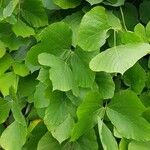
Pueraria montana
Kudzu · Japanese Arrowroot · Kudzu Vine · Rhodesian kudzu vine · Indian Kudzu
Description
Source: leafsnapPueraria montana is a species of plant in the botanical family Fabaceae. At least three sub-species (alternatively called varieties) are known. It is closely related to other species in the genus Pueraria (P. edulis and P. phaseoloides) and the common name kudzu is used for all of these species and hybrids between them. The morphological differences between them are subtle, they can breed with each other, and it appears that introduced kudzu populations in the United States have ancestry from more than one of the species.
🌳 Kudzu is one of the fastest-growing plants in the world. While gardeners often avoid it due to its aggressive nature, it is still chosen for its rapid growth, durability, and attractive, fragrant flowers. Kudzu can serve as ground cover in challenging areas or wherever quick coverage is required. However, it's safest to grow it in containers and keep it well-pruned to manage its spread.
🎭 Threat of invasion from abroad, irresistible impulses of nature.
Care Guide
💧 Water
Kudzu thrives in humid climates with moderate moisture and is known for its drought resistance. To avoid overwatering, it should be watered every three weeks. Typically grown outdoors, kudzu is well-suited for naturalizing in regions with seasonal rains and can manage well during dry spells.
How should I water my Kudzu plant?
To ensure excellent root development, place a garden hose at the base of the plant. Avoid spraying water directly on the leaves, as they will need more watering if they are under direct sunlight. Bubblers can be used to moisten the roots of each plant, while soaker hoses can cover the whole garden or bed to deeply water newly added or removed plants. After watering, drain any excess water and wait for the soil to dry before watering again. Watering at ground level helps prevent diseases. On sunny days, it is recommended to spray the entire bush with water. Whether the plant is in a pot or in the ground, remember that Kudzu prefers deep watering rather than light sprinkles.
What should I do if I give Kudzu too much or too little water?
If a Kudzu plant is overwatered, its leaves can turn yellow, drop off, and wilt. The plant may also appear dull and unhealthy, with mushy stems. When these signs start to show, it's best to adjust your watering schedule if possible. Wilting can also indicate under watering, which can cause leaves to become crispy and dry. In such cases, check the soil for dryness and provide a thorough watering when necessary. Sufficient water will help the Kudzu recover, but the plant may still have dry and yellow leaves for a few days due to root damage. Once the plant returns to normal, the yellowing of the leaves will stop. When growing Kudzu indoors, always check the moisture levels in the pot and avoid overwatering. Look out for black spots, and if present, allow the soil to dry out for a few days without watering. Overwatering can lead to root rot, so transfer the plant to a different pot if you notice discolored and slimy roots. Take precautions to prevent root rot by avoiding excessively soggy soil. When planting Kudzu outdoors, ensure the soil is adequately moist. If the soil feels too dry when checked with your fingers, it may indicate underwatering. Provide sufficient water to help the plant recover.
How regularly should I water my Kudzu?
The Kudzu plant prefers deep and infrequent watering. It's important to soak them with a gallon of water, especially if they are in pots. Potted plants have limited water storage and the soil dries out quickly. If you live in a cold region, water every 3 to 5 days. Water in the morning when the soil is dry, whether indoors or outdoors. Check the soil moisture by feeling the top 2-3 inches; if it's dry, water the plant thoroughly. During hot days, check the soil moisture daily to prevent it from drying out. If you have a garden, irrigate the soil as well. In hot climates, watering once a week is sufficient. Only water when the top 2-3 inches of soil are too dry. Avoid overwatering to prevent root rot, considering rainfall as well. During spring and fall when the Kudzu grows, add mulch 3 to 4 inches deep to retain moisture. Sandy soil requires more frequent watering, while clay soil needs less. You can mark watering dates on a calendar. Drooping leaves indicate the need for watering, so don't delay.
How much water should I give my Kudzu?
The watering needs of the Kudzu plant depend on its location. If it is indoors in a pot, you should water it deeply until you see water dripping from the bottom of the pot. Then, allow the soil to dry before watering again. You can use a water calculator or a moisture meter to determine the amount of water given to the plant in a week. It is important to provide plenty of water during the flowering period but allow the moisture to evaporate afterwards to prevent root rot. If the Kudzu plant is planted outdoors and there is adequate rainfall, it may not need additional watering. However, if the Kudzu is young or newly planted, it should receive 1-2 inches of rain per week. As the Kudzu plant grows, it can survive solely on rainfall. Only during periods of hot weather or when there is no rainfall for 2-3 weeks should you consider giving the Kudzu a full watering during the cooler parts of the day to prevent damage from high heat. Additional watering will be necessary during long dry spells.
Should I change how often I water my Kudzu plant depending on the time of year or the weather?
To successfully care for Kudzu plants, it is important to provide them with the right amount of water depending on the season. During the spring and fall, the soil should be kept moist but not soaked. Alternating dry and moist soil conditions will promote healthy growth. In the summer, hot weather and lack of rainfall can cause water to evaporate quickly, so additional watering may be necessary to keep the soil moist. However, in winter, Kudzu requires less water as it goes dormant. During this time, using a well-draining soil mixture can help the water evaporate. Once the plant begins to leaf out and go dormant, watering can be skipped as fall and winter rains will sustain it during the dormant period. When cultivating Kudzu, good drainage is crucial, especially in winter, to prevent ponding or drought. If the plant is in a pot, it has limited root growth, so it should be well-watered, particularly in summer. It is important to avoid shallow sprinkles that only reach the leaves and encourage fungal growth. During fall and winter, even when dormant, the plants should not dry out completely. However, overwatering should be avoided as Kudzu plants do not thrive in waterlogged soil. Applying mulch can help reduce stress, conserve water, and promote healthy blooms.
☀️ Light Full sun
Kudzu prefers locations with full sun but can also tolerate places with moderate sunlight. Native to sun-drenched habitats, its growth and general vigor are tied to sufficient sunshine. Imbalances in sun exposure can either impede growth or, conversely, encourage rapid, uncontrolled spread.
What are the sunlight requirements for Kudzu?
Kudzu prefers areas with ample sunlight exposure but can also thrive in moderate sun exposure locations. It originates from habitats that receive abundant sunlight, and its growth and health are closely tied to receiving enough sunlight. Full sun exposure is defined as above 6 hours of sunlight, while partial sun refers to about 3-6 hours of sunlight. It's essential to watch the movement of sunlight through your garden to find spots that offer a good balance of light and shade, ensuring your plants' growth and happiness.
How can artificial lighting support indoor Kudzu plants?
Indoor Kudzu plants require adequate lighting to grow optimally, especially when natural sunlight is insufficient, like in winter or less sunny spaces. Artificial lighting can be a significant solution by offering a necessary substitute for sunlight, promoting healthier and faster growth. LED lights are recommended because they can be adjusted to provide specific wavelengths needed by plants. The amount of artificial light needed varies: full sun plants require 30-50W/sq ft, partial sun plants need 20-30W/sq ft, and full shade plants require 10-20W/sq ft. Placing the light source 12-36 inches above the plant mimics natural sunlight, and most plants benefit from 8-12 hours of light per day.
What are the symptoms of improper sunlight exposure in Kudzu?
Kudzu showing symptoms of light deficiency may exhibit smaller new leaves, leggy or sparse growth, quicker leaf drop, halted or nonexistent new growth, and discolored or chlorotic leaves. Other symptoms include sunscald, leaf curling, wilting due to overexposure to sunlight, and leaf scorching characterized by brown, dry, or crispy leaf edges. These symptoms indicate either an excess or lack of sunlight, affecting the plant's overall health and ability to photosynthesize properly.
What are some solutions for Kudzu plants not receiving adequate sunlight?
To ensure Kudzu plants receive optimal sunlight, gradually moving them to sunnier locations can help, targeting at least 6 hours of sunlight daily. For indoor plants difficult to move, using a desk or ceiling lamp for about 8 hours daily or investing in professional grow lights is advisable. When adjusting outdoor plants to more sunlight, it's crucial to avoid rapid changes to prevent sunburn. If obstructions like trees block sunlight, consider pruning them. Small plants can be transplanted during their dormant period to better-lit locations with good drainage, ensuring new growth will be healthy even if previously affected parts may not recover.
🌡️ Temperature 5–37.8°C
Kudzu originates from subtropical and temperate areas of East Asia, where it grows across a broad range of temperatures. It favors temperatures from 41 ℉ (5 ℃) to 100.4 ℉ (38 ℃). In winter it can survive short-term lows down to 23 ℉ (-5 ℃), and in summer it can endure highs up to 113 ℉ (45 ℃).
What are the native regions and ideal temperatures for growing Kudzu?
Kudzu, botanically known as Pueraria montana, is native to subtropical and temperate regions of East Asia. It thrives in a broad range of temperatures, ideally between 41°F (5°C) and 100.4°F (38°C). The plant exhibits strong cold resistance, capable of surviving winter temperatures as low as 23°F (-5°C) in the short term, and can tolerate summer temperatures up to 113°F (45°C). Special frost protection is not usually required during winter; however, for temperatures expected to drop below -25°C, cold protection measures such as wrapping the trunk and branches with non-woven fabric or cloth are recommended. To prevent drought and water scarcity during winter and early spring, abundant watering before the first autumn freeze is advisable, ensuring the soil remains moist and enters a frozen state.
How does Kudzu respond to extremely low temperatures?
Kudzu is notably cold-tolerant and fares best when temperatures are kept above 5°C. Despite its resilience, when wintertime temperatures fall below -20°C, and especially under -25°C, while there may not be immediate noticeable damage during the winter, the plant's branches can become brittle and dry by spring. As a consequence, no new shoots will emerge. The recommended solution for this is to prune away any dead branches in the spring, which have failed to produce new leaves.
What should be done if Kudzu experiences high temperatures?
During the summer, it's important to ensure that Kudzu is kept below 38°C to avoid stress from high temperatures. Temperatures exceeding 43°C can cause the plant's leaves to lighten in color and the tips to become dry and withered. Additionally, the plant may become more susceptible to sunburn under such conditions. To mitigate these issues, it's advised to trim away the sunburned and dried-up parts of the plant, move the plant to a shaded location away from the midday and afternoon sun, or use a shade cloth to protect it. Adequate watering in the morning and evening is also essential to maintain soil moisture and support the plant's health.
💨 Humidity
🪴 Soil 6-7
🌱 Fertilizer
In order to stimulate healthy development, administer fertilizer to your Kudzu at the beginning of spring. Consistent fertilization boosts the plant's overall vitality, leading to robust development, strength in challenging circumstances, and heightened resistance to diseases and pests. Adhere to a precise fertilization timetable for your Kudzu, in order to guarantee vivid leaves showcasing a rich color and a dense look.
🪴 Pot & Repot
✂️ Pruning
🌿 Propagating
🐛 Diseases & pets
☠️ Toxicity
Characteristics
- Plant Type
- Vine
- Life Cycle
- Perennial
- Genus
- Pueraria
- Family
- Fabaceae
- Hardiness Zone
- 5-11
- Mature Height
- 20.12 m to 29.87 m
- Mature Spread
- 20.12 m
- Leaf Color
- Green, Bronze, Brown
- Leaf Type
- Deciduous
- Flower Color
- Purple, Lavender
- Flower Size
- 2.03 cm to 2.54 cm
- Bloom Time
- Early summer, Mid summer
- Planting Time
- Spring
- Harvest Time
- Mid summer, Late summer
- Native Area
- India, Malaysia, Philippines, Laos, China, Russia, Indonesia, Cambodia, Vietnam, Myanmar, Japan, Koppen, Bhutan, South Korea, Thailand