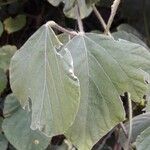
Pueraria phaseoloides
Tropical kudzu · Puero · Kudzu · Giant fir
Description
Source: leafsnapNeustanthus is a monotypic genus of flowering plants belonging to the pea family Fabaceae and its tribe Phaseoleae. The only species is Neustanthus phaseoloides, called tropical kudzu. This species is a forage crop and cover crop used in the tropics. It is known as puero in Australia and tropical kudzu in most tropical regions. It is related to the genus Pueraria and artificial hybridization with P. montana var. lobata has been achieved. Prior to 2016, the accepted name was Pueraria phaseoloides.
Care Guide
💧 Water
Tropical kudzu thrives best in humid tropical environments where there is consistent moisture. While it has moderate drought tolerance, it should be watered weekly to maintain its health. This plant flourishes in regions with plenty of rain, especially during the rainy season, which supports its vigorous growth.
How should I water my Tropical kudzu plant?
To properly water the Tropical kudzu, it's best to use filtered water at room temperature. Tap water may have harmful particles, so filtered water is preferable. The water should not be cold as this can be a shock to the plant, as it naturally thrives in warm environments. Instead of overhead watering, it's recommended to directly apply the filtered room temperature water to the soil until it is completely soaked. This helps the roots of the kudzu plant stay moist and spread through the soil to gather necessary nutrients.
What should I do if I give my Tropical kudzu plant too much water or too little water?
Both overwatering and underwatering can harm the health of your Tropical kudzu, but overwatering is a more common problem. When the plant receives too much water, its stems and leaves may wilt and turn yellow. Overwatering for a long time can also cause diseases like root rot, mold, and mildew, which can be fatal to your plant. Underwatering is less likely for the Tropical kudzu because it can tolerate drought fairly well. However, it is still possible, and in such cases, the leaves may become brittle and brown. It is crucial to recognize the signs of overwatering early when caring for your Tropical kudzu. Some diseases resulting from overwatering, such as root rot, may become irreversible if not addressed promptly. If you notice early signs of overwatering, reduce your watering immediately. The soil quality where your kudzu is growing is also important. If the soil drains poorly, replace it with well-draining potting mix. If your kudzu shows signs of insufficient water, increase your watering frequency until the signs improve.
How frequently should I water my Tropical kudzu plant?
If your Tropical kudzu plant is in a pot, you can determine if it needs water by sticking your finger into the soil. If the top two to three inches of soil are dry, it's time to water it. If you have the plant outdoors in the ground, you can use a similar method to check the soil. Once the top few inches are dried out, it's time to water. Typically, during spring and early fall, watering once a week will suffice. However, during extremely hot weather, you may need to water twice or more per week. It's worth mentioning that mature and well-established Tropical kudzu plants have good drought tolerance.
How much water does my Tropical kudzu plant require?
To properly water your Tropical kudzu, don't be afraid to give it a lot of water. Wait until the top few inches of soil are dry, then water the plant thoroughly. Make sure to wet the soil completely, and add enough water so that excess water drains out of the pot's drainage holes. If you don't see water draining, you may not have watered enough. Be careful not to let water accumulate in the soil, as this can harm the plant. If you're watering outdoors, 1 inch of rain per week is enough. It's important to avoid poorly draining soils, as they can negatively affect the health of the plant.
How do I water my Tropical kudzu as it grows different stages?
The water needs of Tropical kudzu change depending on growth stages. In the first few years of its life or when transplanted to a new location, more water is needed. This is because the plant is focused on developing new roots for future growth, which require more moisture. As the kudzu matures, less water is required. During the bloom period, more water may be needed due to the demands of flower development.
☀️ Light Full sun
Tropical kudzu prospers in places with uninterrupted, all-day sunlight. Although it can tolerate situations with some shading, its foliage may be less dense. Native to tropical areas, it is adapted to locations with plentiful light, which is vital for its growth and vigor. If given too little or too much light, it can develop sunburn or show reduced growth.
What are the sunlight requirements for Tropical Kudzu?
Tropical Kudzu (Pueraria phaseoloides) thrives in conditions where it can receive full sun exposure for most of the day. Full sun is defined as receiving above 6 hours of sunlight daily, while partial sun refers to about 3-6 hours of sunlight. It's essential to monitor the movement of sunlight through your garden to find the ideal spots that provide a balance of light and shade, ensuring optimal growth and health for your plants. Tropical Kudzu, coming from tropical environments, benefits significantly from substantial sunlight exposure, which is crucial for its growth and overall health. However, it can also tolerate situations where sunlight is moderately blocked, though this may lead to reduced foliage density.
What should I do if my Tropical Kudzu does not get enough sunlight?
Symptoms of insufficient sunlight in Tropical Kudzu include smaller new leaves, leggy or sparse growth, faster leaf drop, slower or halted growth, lighter-colored or irregularly colored new leaves, and conditions such as chlorosis, sunscald, leaf curling, wilting, and leaf scorching. If your Tropical Kudzu is not getting enough sunlight, gradually move it to a sunnier location, aiming for at least 6 hours of direct sunlight each day. For indoor plants, consider using artificial lights if the plant is large or difficult to move, keeping a light source on for at least 8 hours daily. Outdoor plants should also be gradually moved to sunnier spots to avoid shock, allowing them to adapt gradually without experiencing sunburn. Additionally, reducing obstructions like overhanging branches can help increase sunlight exposure.
How can I use artificial lighting for Tropical Kudzu growth?
When natural sunlight is insufficient, especially in less sunny spaces or during winter, you can use artificial lighting to ensure your Tropical Kudzu receives optimal light for growth. Choose the right type of light, such as LED lights, which can be customized to provide specific wavelengths necessary for plant growth. Full sun plants require 30-50W/sq ft, partial sun plants need 20-30W/sq ft, and full shade plants should get 10-20W/sq ft of artificial light. Position the light source 12-36 inches above the plant to mimic natural sunlight and set the lighting duration to mimic natural daylight hours, with most plants needing 8-12 hours of light per day.
🌡️ Temperature 20–37.8°C
Tropical kudzu is native to tropical climates and grows best at temperatures between 68 to 100 °F (20 to 38 ℃). Seasonal adjustments may be necessary to keep the plant within this temperature range.
What is the ideal temperature range for Tropical Kudzu?
Tropical kudzu, or Pueraria phaseoloides, is indigenous to tropical climates, thriving best within a temperature range of 68 to 100°F (20 to 38°C). This heat-loving plant requires adaptations during seasonal changes to ensure it remains within this temperature range. During colder months, it's recommended to bring the outdoor-grown tropical kudzu indoors, placing it near a bright window but at a distance from heaters, to maintain a temperature above 20°C. Temperatures nearing 5°C can be detrimental to the plant, indicating the necessity to keep it in a warmer environment to aid its growth.
How does low temperature affect Tropical Kudzu and what are the solutions?
Tropical kudzu is not tolerant of low temperatures, preferring conditions above 20°C and requiring temperatures to be kept above 5°C during winter. Exposure to temperatures below 1°C may result in leaves lightening in color, which after frost damage, turn brown or black, with wilting and drooping symptoms. To counteract frost damage, trim away the frost-damaged parts and move the plant to a warm indoor environment. Placing the plant near a south-facing window ensures enough sunlight, but it should not be placed near heaters or air conditioning vents to avoid air dryness.
What should be done if Tropical Kudzu experiences high temperatures?
During the summer, it's crucial to keep Tropical kudzu below 38°C to avoid overheating. Temperatures exceeding 43°C can cause the leaves to lighten and increase susceptibility to sunburn. To aid the plant under such conditions, trim away sunburned and dried-up parts. Relocating the plant to a shaded area away from the midday and afternoon sun can also help. Furthermore, watering the plant in the morning and evening ensures the soil remains moist, providing a conducive environment for the plant's growth and health.
💨 Humidity
🪴 Soil 5-7
🌱 Fertilizer
Tropical kudzu needs the most fertilizer during its active growth period, primarily in spring, summer, and early fall. Fertilization provides essential nutrients that the soil might lack, encouraging healthy root and stem growth and maintaining the attractive foliage that is a key characteristic of this plant.
🪴 Pot & Repot
✂️ Pruning
Tropical kudzu thrives with abundant growth, but regular pruning from early to late spring is essential. This practice removes weak stems, enhances air circulation, and prevents the plant from becoming invasive, helping to maintain a manageable shape. For the best results and to minimize the risk of infection, use clean, sharp tools.
🌿 Propagating
🐛 Diseases & pets
☠️ Toxicity
Characteristics
- Plant Type
- Herb, Vine
- Life Cycle
- Perennial
- Genus
- Pueraria
- Family
- Leguminosae
- Hardiness Zone
- 10-12
- Mature Height
- 6.1 m to 18.29 m
- Mature Spread
- 2.13 m to 4.88 m
- Leaf Color
- Dark Green, Forest Green
- Leaf Type
- Semi-evergreen
- Flower Color
- Lavender
- Flower Size
- 2.54 cm
- Bloom Time
- Summer, Early fall, Mid fall
- Planting Time
- Spring
- Harvest Time
- Late summer, Fall, Early winter
- Native Area
- Nepal, Sri Lanka, Solomon Islands, India, Malaysia, Indonesia, Cambodia, Vietnam, Myanmar, Papua New Guinea, Philippines, Bhutan, Bangladesh, Laos, Brunei, Thailand, China