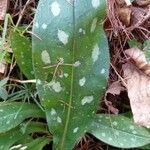
Pulmonaria affinis
Common lungwort · Pitta rettala mokka
Description
Source: leafsnapPulmonaria affinis, commonly known as lungwort, is a herbaceous perennial plant that belongs to the Boraginaceae family. Native to Europe and Western Asia, it has been widely cultivated as an ornamental plant in gardens. The plant typically grows up to 30 cm in height and features hairy leaves that are green with distinctive white spots or blotches. Its flowers, which range from pink to blue, bloom from late winter to early spring. Lungwort thrives in shady areas and prefers moist, well-drained soil. It can be grown in borders, woodland gardens, or as ground cover under trees where it spreads by rhizomes. Traditionally, the leaves of Pulmonaria affinis have been used for medicinal purposes due to their high content of mucilage, which helps soothe respiratory ailments such as coughs and bronchitis. However, consuming this plant for medicinal purposes should only be done under the guidance of a qualified healthcare professional. Overall, Pulmonaria affinis is an attractive perennial with ornamental value, thanks to its unique foliage pattern and early spring blooms. It makes an excellent addition to any garden setting.
Care Guide
💧 Water Every 7 days
Lungwort thrives in damp, shaded woodlands, needing consistently moist soil and weekly watering to maintain its lush foliage. It prefers humid conditions but is also moderately drought-tolerant. Indoors, it flourishes best with higher humidity, which enhances its vibrant flowering during the growing season.
How should I water my Lungwort plant?
To properly water the Lungwort, use filtered water at room temperature to avoid any harmful particles. Since the Lungwort prefers warmer conditions, avoid using cold water as it can be a shock to its system. Instead of overhead watering, apply filtered room temperature water directly to the soil until it is fully soaked. This helps moisten the roots and allows them to spread and collect nutrients effectively.
What should I do if I give too much or too little water to my Lungwort plant?
Both overwatering and underwatering can harm your Lungwort plant, but overwatering tends to be a more common issue. When this plant receives excessive water, its stems and leaves may wilt and turn yellow. Extended overwatering can lead to diseases like root rot, mold, and mildew, which can be fatal for the plant. On the other hand, underwatering is less frequent for Lungwort because it can tolerate drought to some extent. However, it is still possible, and in such cases, you may notice brittle and brown leaves. It is crucial to identify signs of overwatering promptly. Some overwatering-related diseases like root rot may become irreversible if not addressed early. If you observe early signs of overwatering, reduce your watering immediately and consider replacing poorly draining soil with a loose and well-draining potting mix. Conversely, if you notice signs of underwatering, simply water the plant more regularly until the symptoms subside.
How often do I need to water my Lungwort?
When your Lungwort plant is in a pot, you can determine if it needs water by feeling the soil with your finger. If the top two to three inches of soil are dry, it is time to water it. The same method can be used if you are growing Lungwort outdoors in the ground. If the top few inches of soil have dried out, it's time to water. During spring and early fall, you will typically need to water this plant about once a week. In extremely hot weather, you may need to water it two or more times per week. However, mature and well-established Lungwort plants are quite resilient and can tolerate drought.
How much water does my Lungwort plant need?
When watering your Lungwort, don't hold back on the amount of water you give. Wait until the top two to three inches of soil are dry, and then give the plant a good, thorough watering. You want to make sure that the soil is completely soaked. To achieve this, add enough water so that it flows through the drainage holes at the bottom of the pot. If you don't see water draining from the pot, it means you haven't watered enough. However, be careful not to let water accumulate in the soil, as this can harm the plant. On the other hand, if water isn't draining through the pot, it may be a sign of poorly draining soil, which is bad for the plant's health. Avoid this by ensuring the soil has good drainage. If you have Lungwort plants outside, they generally only need about 1 inch of rain per week.
How should I water my Lungwort at different stages of growth?
The water needs of the Lungwort can vary depending on its growth stages. In the first few years or after transplanting to a new location, more water than usual is required. During these stages, the plant focuses on sprouting new roots to support future growth. These young roots perform best with slightly more moisture. As the Lungwort matures, it requires less water. However, during the bloom period, when the plant is producing flowers, it may need more water to support the development of blooms.
☀️ Light Partial sun
Lungwort favors a spot with steady but not overpowering sunlight. It survives well in more subdued or shaded areas, and a lack of sun does not seriously impede its growth. In its natural habitat it tolerates the dimly lit undergrowth. However, prolonged exposure to strong sunlight can harm it.
What are the sunlight requirements for Lungwort?
Lungwort requires specific sunlight conditions to thrive, preferring environments with partial sun to full shade. It does best with about 3-6 hours of sunlight daily for partial sun conditions, and less than 3 hours of sunlight for those areas considered to be in full shade. It's important to observe the movement of sunlight through your garden carefully to select spots that offer the ideal balance of light and shade, ensuring the well-being of your plants.
How does Lungwort respond to different light exposures, including artificial lighting?
Lungwort appreciates a location that experiences regular but not excessive sun exposure and can thrive in shady or subdued light areas without the lack of sunlight severely affecting its growth. In its natural habitat, lungwort adapts to dimly lit undergrowth conditions and may suffer in continuous strong sunlight. For indoor plants, when natural sunlight is insufficient, artificial lighting can be a vital solution. Indoor plants benefit from proper artificial lighting, especially during winter or in less sunny spaces. It's recommended to mimic natural sunlight with artificial lights, choosing the right type for your plant's needs, adjusting the distance and duration of exposure to ensure optimal growth.
What are the symptoms of inadequate light for Lungwort, and how can it be managed?
When Lungwort is grown indoors with insufficient light, it may exhibit subtle symptoms like smaller new leaves, leggy or sparse growth, early leaf drop, slower or halted growth, lighter-colored or chlorotic new leaves, sunscald, leaf curling, wilting, and leaf scorching. These symptoms highlight the plant's struggle with light deficiency. Managing light conditions involves moving the plants to sunnier spots gradually, using artificial lighting if necessary, and ensuring the plant receives 3-6 hours of direct sunlight daily. For outdoor plants, it's crucial to avoid sudden changes in light intensity to prevent sunburn. Observing and minimizing obstructions to sunlight can also benefit plant health substantially.
🌡️ Temperature 0–32.2°C
Lungwort can tolerate a wide range of temperatures, but its distribution may still be restricted by different combinations of moisture and heat. It performs best in warm summer conditions with adequate rainfall or watering. Extended periods of cloudy, rainy weather or prolonged high temperatures increase the likelihood of Lungwort dying. In winter, shielding the plant from cold improves its chances of survival.
💨 Humidity
🪴 Soil 6-6
🌱 Fertilizer
The best time to fertilize a Lungwort is in early spring, as it comes out of dormancy and begins active growth. Fertilizing supplies essential nutrients for healthy growth. Although Lungwort has relatively low fertilizer needs, applying fertilizer annually can improve its survival and encourage better, longer-lasting flowers.
🪴 Pot & Repot
✂️ Pruning
Lungwort is a plant known for its spotted leaves and vibrant flowers. To maintain its health, prune it from early to late spring, after the blooming period. During pruning, remove any dead foliage to improve air circulation and promote growth. Be careful not to over-prune; keeping the plant fuller helps prevent disease. Always use clean, sharp tools to protect the plant's health.
🌿 Propagating
🐛 Diseases & pets
☠️ Toxicity
Characteristics
- Plant Type
- Herb
- Life Cycle
- Perennial
- Genus
- Pulmonaria
- Family
- Boraginaceae
- Hardiness Zone
- 3-8
- Mature Height
- 30 cm
- Mature Spread
- 30 cm to 46 cm
- Leaf Color
- Dark Green, Forest Green
- Leaf Type
- Semi-evergreen
- Flower Color
- Pink, Purple, Blue, Red
- Flower Size
- 1.02 cm to 1.52 cm
- Bloom Time
- Early spring, Mid spring
- Planting Time
- Spring, Summer
- Harvest Time
- Late spring, Early summer
- Native Area
- Spain, France