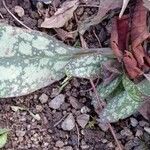
Pulmonaria officinalis
Lungwort · Jerusalem cowslip · Jerusalem-sage · Joseph-and-Mary · Boys-and-girls
Description
Source: leafsnapPulmonaria officinalis, common names lungwort, common lungwort, Mary's tears or Our Lady's milk drops, is a herbaceous rhizomatous evergreen perennial plant of the genus Pulmonaria, belonging to the family Boraginaceae.
🌳 Besides its established medicinal uses, lungwort also acts as a bioindicator for certain metals in the soil, such as copper. Gardeners and landscapers appreciate it for its attractive flowers that shift from pink to blue, a change that reflects soil acidity. This little-known dual role—as a botanical metal detector and an ornamental—underscores lungwort's distinctive niche in both natural and cultivated settings.
🎭 Affection and esteem
Care Guide
💧 Water Every week
Common lungwort thrives in consistently moist soil and flourishes in the humid conditions typical of European woodlands. Once established, it can tolerate moderate drought but benefits from weekly watering. As an herbaceous perennial, it needs ambient humidity to grow optimally and produce vibrant flowers during its active season.
How should I water my Common lungwort?
To properly care for the Common lungwort plant, it is recommended to use filtered water at room temperature. This is because tap water may have harmful particles for the plant. Additionally, the Common lungwort prefers warmer water as it is accustomed to a warm environment. Cold water can be a shock to its system. It is best to avoid overhead watering as it can cause problems with the plant's foliage. Instead, apply filtered room temperature water directly to the soil until it is completely soaked. This method benefits the plant by moistening the roots and aiding in the spread of nutrients throughout the soil.
What should I do if I give too much or too little water to my Common lungwort?
Overwatering is a more common problem for the health of your Common lungwort. It can cause wilting and yellowing of stems and leaves, as well as diseases like root rot, mold, and mildew, which can be fatal to the plant. Underwatering is less common but can still occur, leading to brittle and brown leaves. It's important to recognize the signs of overwatering early on to prevent irreversible damage. If you notice these signs, reduce your watering schedule and check the soil drainage. If the soil is poor at draining, replace it with a well-draining potting mix. If your lungwort is receiving too little water, simply water more regularly until the signs improve.
How often should I water my Common lungwort? How often should I give water to my Common lungwort?
If your Common lungwort is in a pot, the most accurate way to determine if it needs water is by checking the soil with your finger. If the top two to three inches of soil are dry, it's time to give it some water. If you have planted your Common lungwort outdoors in the ground, you can use a similar method to test the soil. Once again, if the top few inches of soil are dry, it's time to water. In spring and early fall, you may need to water this plant around once a week using this technique. However, during extremely hot weather, you may have to water it twice a week or even more frequently. However, it's worth mentioning that mature and well-established Common lungwort plants have a remarkable ability to withstand drought.
How much water does my Common lungwort plant need?
When watering your Common lungwort, don't hold back on how much water you give. Make sure the top two to three inches of soil are dry and then give the plant a thorough watering. The goal is to completely saturate the soil. You should add enough water that it flows out of the drainage holes at the bottom of the pot. If you don't see excess water draining, you likely haven't watered enough. However, be careful not to let water accumulate in the soil, as this can harm the plant. On the other hand, if water isn't draining properly, it could indicate poorly draining soil, which is bad for the plant's health. If the plant is outside, one inch of rain per week will be enough.
How should I water my Common lungwort as it grows?
The water needs of the Common lungwort can vary depending on its growth stages. In the first few years of its life or when you transplant it, you will need to provide more water than usual. During these stages, the Common lungwort focuses on developing new roots to support future growth, so a bit more moisture is required. As the plant matures, it will require less water. Additionally, during the bloom period, the Common lungwort may need more water as flower development utilizes a significant amount of moisture.
☀️ Light Partial sun
Lungwort prefers spots with some sunlight that isn't intense, similar to its natural setting beneath forest canopies. While it does best with steady filtered light, it can tolerate locations with reduced illumination. However, too little or too much sun can stunt its growth or cause leaf burn.
What are the sunlight requirements for Common Lungwort?
Common Lungwort thrives in areas that mimic its natural habitat under forest canopies, preferring consistent filtered sunlight but is capable of growing in less light. For optimal growth, it requires about 3-6 hours of sunlight a day, categorized as partial sun. Full shade areas, receiving less than 3 hours of sunlight, are also tolerable. It's essential to observe the movement of sunlight in your garden to find spots that offer the right balance for your plants. Excessive or insufficient sunlight may stunt growth or cause leaf burn.
How can artificial lighting benefit indoor Common Lungwort plants?
Indoor Common Lungwort plants benefit from artificial lighting, especially when natural sunlight is inadequate, such as during winter or in less sunny spaces. Artificial lights, particularly LED lights, can be customized to provide the specific wavelengths of light needed by plants, promoting healthier and faster growth. For full sun plants, 30-50W/sq ft of artificial light is recommended, 20-30W/sq ft for partial sun plants, and 10-20W/sq ft for full shade plants. The light source should be placed 12-36 inches above the plant and turned on for 8-12 hours daily to mimic natural daylight hours.
What symptoms indicate insufficient light exposure in Common Lungwort?
Symptoms of insufficient light exposure in Common Lungwort include smaller new leaves, leggy or sparse growth, faster leaf drop, slower or halted growth, lighter-colored or chlorotic new leaves, and symptoms of overexposure like sunscald, leaf curling, wilting, leaf scorching. These symptoms highlight the plant's struggle with adapting to unsuitable light conditions, either due to lack of sunlight or excessive exposure.
What are the solutions for improving light conditions for Common Lungwort?
To optimize light conditions for Common Lungwort, gradually expose the plant to more sunlight by moving it to sunnier spots weekly until it receives 3-6 hours of direct sunlight daily. For large or immobile plants, use artificial lighting such as desk or ceiling lamps for at least 8 hours daily, or invest in professional plant grow lights. When adjusting outdoor plants, avoid sudden changes in light intensity to prevent sunburn. Reduce obstructions like branches to allow sunlight through, and consider transplanting smaller plants to sunnier locations with good drainage during their dormant period.
🌡️ Temperature 5–32.2°C
Lungwort grows best at temperatures between 41 and 90 °F (5 and 32 °C). It is native to cool-climate areas such as forests and meadows in Europe and Asia. In summer, the plant benefits from some afternoon shade to help regulate temperature and prevent drying out. In winter it can withstand freezing temperatures, but it’s advisable to protect it from strong winds to avoid desiccation.
What are the ideal temperature conditions for Common Lungwort?
Common Lungwort (Pulmonaria officinalis) thrives in an average temperature range between 41 to 90°F (5 to 32°C), making it well-suited for regions with cool climates such as forests and meadows in Europe and Asia. During the hot summer months, it benefits from some afternoon shade to help regulate its temperature and prevent it from drying out. In contrast, during winter, Common Lungwort is quite cold-resistant and can handle freezing temperatures, though it is advisable to protect it from harsh winds to prevent desiccation. If winter temperatures are expected to plummet below -30°C, taking steps to provide cold protection, such as covering the plant with soil or straw, is recommended. It is also advised to water the plant abundantly before the first freeze in autumn to help maintain soil moisture throughout winter and early spring.
How does Common Lungwort react to low temperatures?
Common Lungwort is notably cold-tolerant, thriving best in temperatures above 5°C and capable of withstanding winters where temperatures do not drop below -25°C. In situations where the temperature falls below -30°C, while the plant may not show noticeable changes during winter, there's a potential for decreased sprouting or even a complete lack of sprouting come springtime. To mitigate any adverse effects from such low temperatures, any parts of the plant that have failed to sprout by spring should be removed.
What should be done if Common Lungwort experiences high temperatures?
During the summer, it is crucial to ensure that the temperature around Common Lungwort does not exceed 32°C. Exposure to temperatures above 35°C can cause the leaves to lighten in color, become prone to curling and sunburns, and in severe cases, lead to the plant wilting and drying out. To address this, it is advisable to trim away any sunburned or dried-up parts of the plant. To protect the plant from excessive heat, consider moving it to a location that offers shade during the midday and afternoon sun, or use a shade cloth to create artificial shade. It’s also beneficial to water the plant in the morning and evening to maintain soil moisture.
💨 Humidity normal (40-60%)
This plant will thrive in moderate humidity, which is probably the level in your home. However, misting it a few times a week can be very beneficial. Make sure the room has good ventilation.
🪴 Soil 6-7
🌱 Fertilizer
Usually a single fertilizer application in spring is enough for Lungwort, though multiple feedings can maximize growth. Feed every one to one and a half months. Fertilizing improves the leaves' appearance and function, helping them keep an even color and healthy texture. It also promotes root development and nutrient uptake, supporting the plant's long-term health.
Why should I use fertilizer on my Common lungwort?
The leaves of the Common lungwort are its main structure and in order to keep them looking great and functioning properly, fertilization is key. Proper fertilization ensures consistent leaf color and a healthy texture. Additionally, fertilization works beneath the soil's surface to help the plant grow new roots and maintain the existing root system. This not only keeps the plant healthy in the present, but also improves its ability to absorb soil nutrients in the future.
When should I fertilize my Common lungwort?
If you grow your Common lungwort outdoors each year, you'll notice new growth in early spring. This is the time to start fertilizing. While one application of fertilizer is usually sufficient, if you want to maximize growth, you can feed your Common lungwort multiple times during spring and early summer. Aim to feed it every month to a month and a half.
When is it best to not fertilize my Common lungwort?
Your Common lungwort will go dormant in late fall and winter, and during this time, you should not fertilize it. If you decide to fertilize during spring and summer, gradually reduce the amount as summer approaches and growth slows. It is not recommended to fertilize when it's unseasonably hot or extremely dry, as it can stress the plant and cause it to die prematurely.
What kind of fertilizer does my Common lungwort plant need?
Choosing the best fertilizer for a Common lungwort is actually quite straightforward. These plants do well with a general-purpose garden fertilizer that contains equal amounts of nitrogen, phosphorus, and potassium. Look for a fertilizer with a ratio of 10-10-10 or something similar for best results. It's important to avoid fertilizers that have too much nitrogen. The majority of recommended fertilizers for Common lungwort are available in a granular form. These fertilizers should be slow-release and are easy to apply to the soil. Additionally, you can enhance the growth of your Common lungwort by using organic soil amendments like compost.
How can I make my Common lungwort grow better?
In early spring, wait until you see the first leaves of your Common lungwort poking through the soil's surface. Once this happens, apply a granular slow-release fertilizer with a balanced formula to the soil around the base of the plant. If desired, you can repeat this process later in the season. Remember to apply the fertilizer to the soil and not directly to the plant, which may require moving some leaves aside to access the soil above the roots. It's also a good idea to water your Common lungwort before and after fertilizing it.
🪴 Pot & Repot 2-3 years
When repotting Lungwort, pick a pot 1-2 inches (2.5–5.1 cm) larger that has good drainage. Use a well-draining potting mix. Repot in spring or fall, making sure the root ball sits slightly below the rim of the flower pot. Water thoroughly after repotting and place it in a warm spot with indirect sunlight.
✂️ Pruning
Common lungwort, known for its spotted leaves and vibrant spring blooms, thrives with proper pruning. To ensure lush growth and robust flowering next season, prune between early and late spring, right after the plant finishes flowering. Remove any dead leaves and trim back overgrown stems. This encourages bushier growth, improves air circulation, and helps prevent disease.
🌿 Propagating
🐛 Diseases & pets
☠️ Toxicity
The leaves, stems, and flowers of the lungwort plant contain several substances that are toxic to both humans and animals. It can cause dermatitis upon contact and vomiting, diarrhea, and liver damage when ingested.
Characteristics
- Plant Type
- Herb
- Life Cycle
- Perennial
- Genus
- Pulmonaria
- Family
- Boraginaceae
- Hardiness Zone
- 4-8
- Mature Height
- 30 cm
- Mature Spread
- 30 cm
- Leaf Color
- Green, Silver, White, Gray, Variegated
- Leaf Type
- Deciduous
- Flower Color
- Pink, Purple
- Flower Size
- 2.54 cm
- Bloom Time
- Spring
- Planting Time
- Spring
- Harvest Time
- Late spring, Early summer, Mid summer
- Native Area
- Widespread throughout Europe