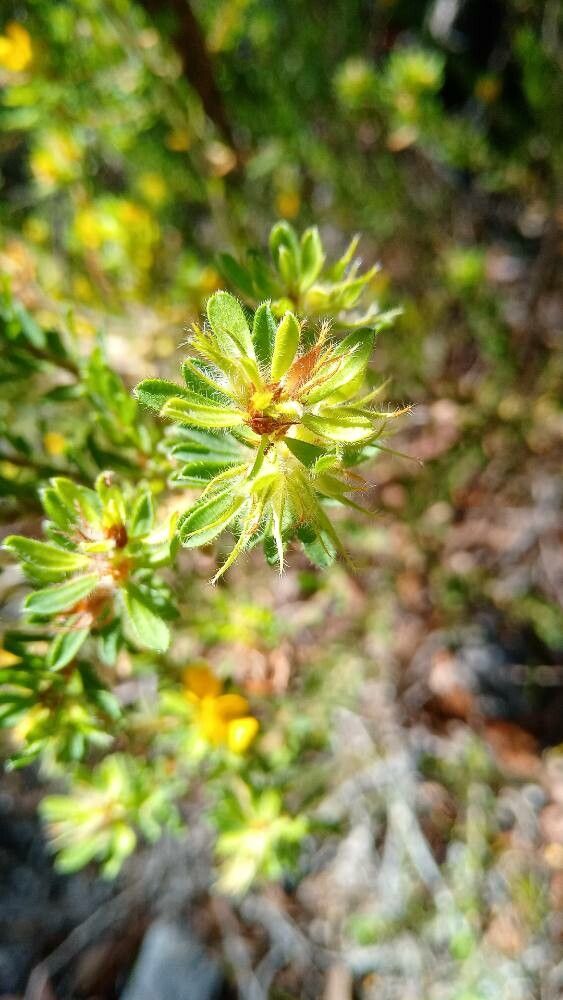
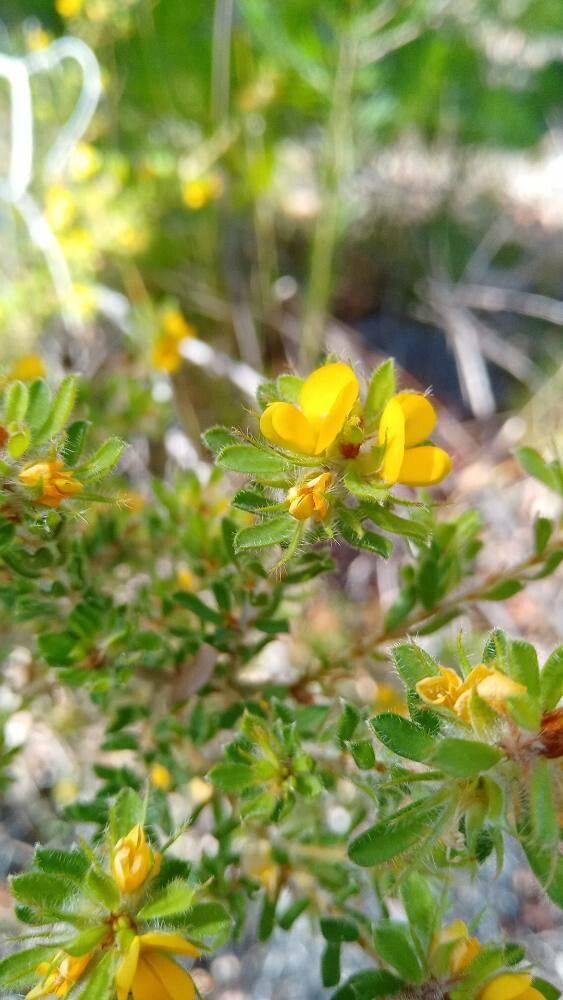
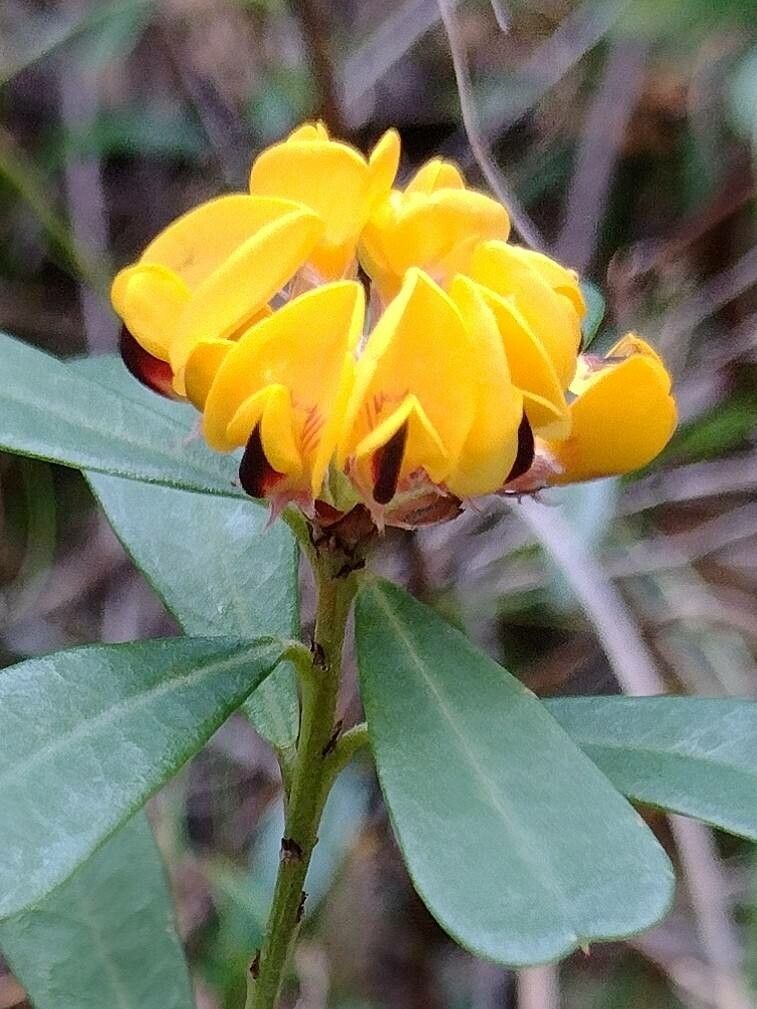
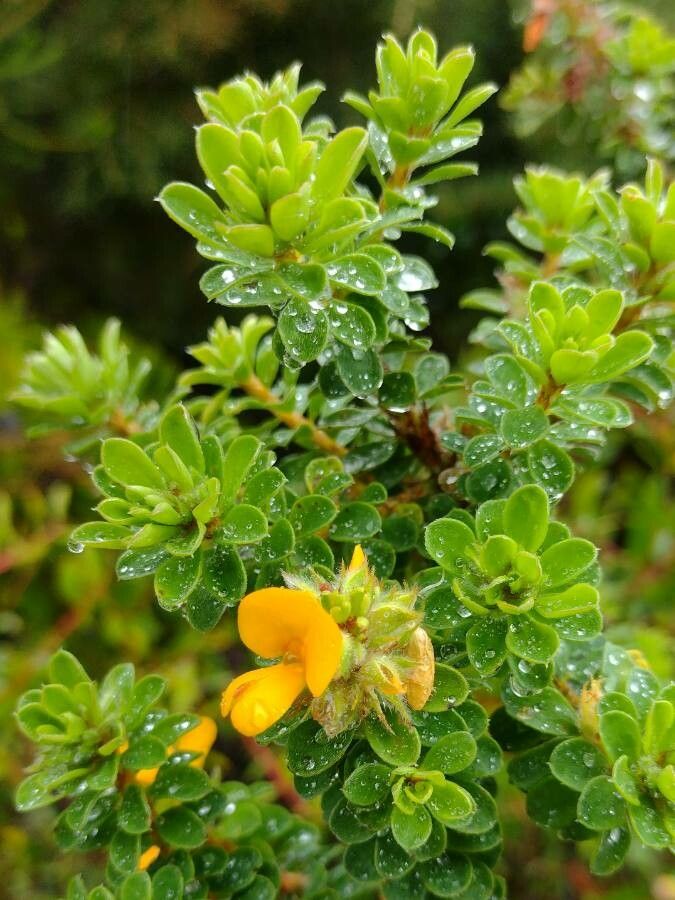
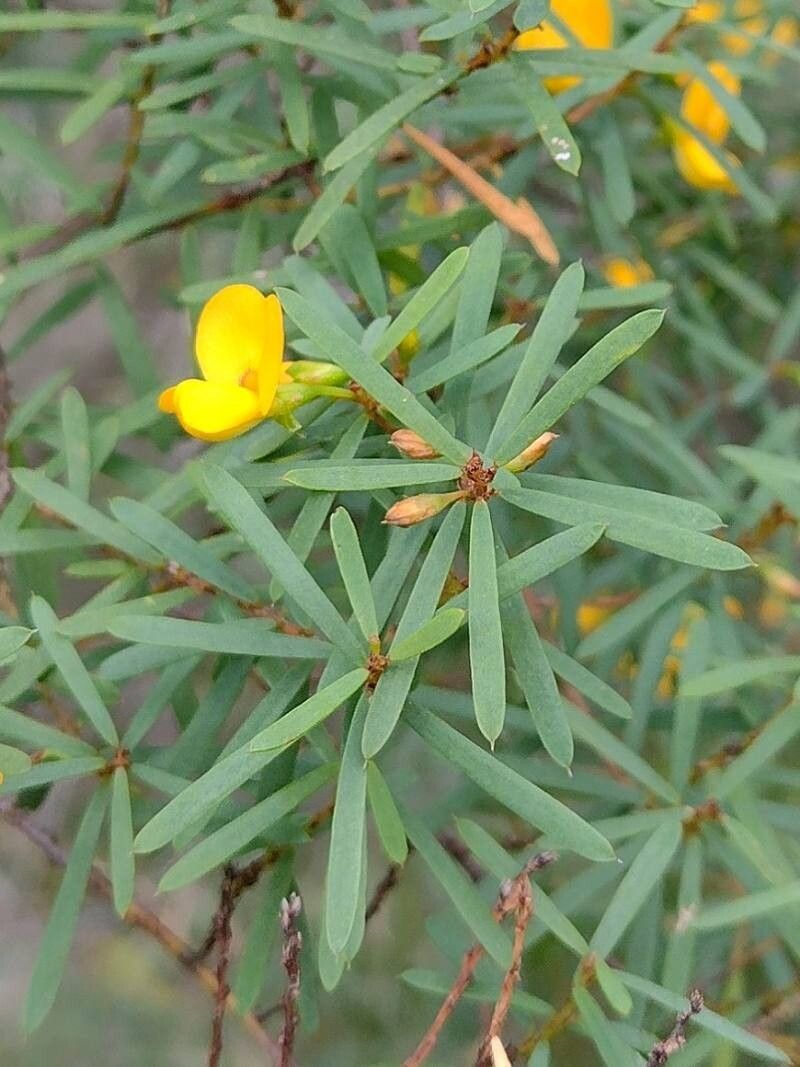
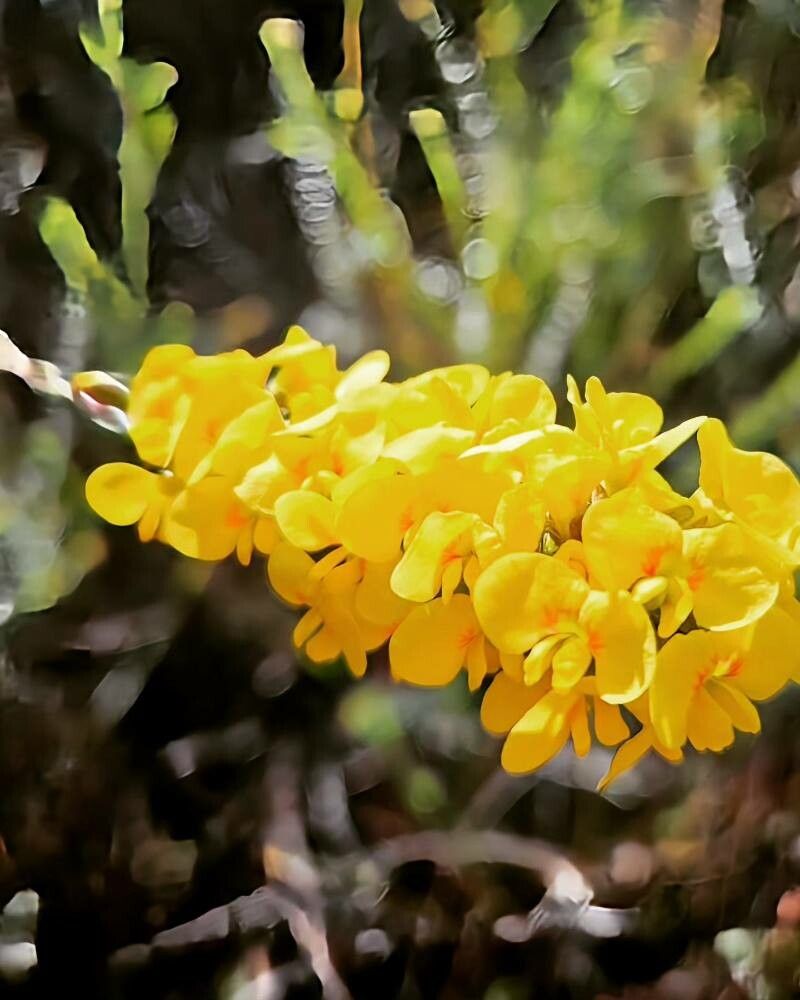
Pultenaea villosa, commonly known as hairy bush-pea, is a species of flowering plant in the family Fabaceae and is endemic to eastern Australia. It is a shrub with softly-hairy foliage, narrow elliptic to linear, oblong to club-shaped leaves, and yellow-orange and reddish-brown, pea-like flowers.
Hairy bush-pea has strong disease resistance and is usually not susceptible to disease. Regarding care, the plant is fairly low-maintenance. When planted outdoors it needs minimal watering, and larger specimens generally do not require pruning. Smaller plants, however, should be pruned after they have finished blooming. Hairy bush-peat is suitable for anyone with an outdoor area, such as a garden or deck, and does not require much care experience.
How to keep Pultenaea Villosa.
Light
Hairy bush-pea is native to open habitats, such as sunlit meadows and forest edges, that offer abundant light. It performs best in Full Sun but will also tolerate Partial Sun, and adapts well to different sunlight conditions.
Water
The hairy bush-pea, native to Australia's eucalypt forests, thrives in well-drained soil with moderate moisture. It should be watered weekly, making sure the soil remains damp but not waterlogged. Its growth is influenced by seasonal rainfall, which underscores its preference for conditions similar to its natural habitat.
Temperature
Hairy bush-pea is highly adaptable to a range of climates, from blazing summers to frosty winters. However, it has an optimal temperature range for growth. If temperatures become too high, the plant is susceptible to heat and humidity stress, which can cause it to die. In areas where temperatures approach the lower limit of its cold tolerance, taking measures to insulate the plant is important.
Fertilizer
Timing is important when fertilizing Hairy bush-pea. Apply fertilizer in early spring and continue monthly until early summer. Fertilizer promotes attractive blooms and supplies energy during both dormant and active growth phases.
Pruning
The hairy bush-pea is known for its dense, hairy foliage and bright yellow flowers. To promote healthy growth, it should be lightly pruned in early spring, with attention given to removing any dead branches. Making clean cuts not only encourages growth but also enhances the plant's floral display, increasing its ornamental appeal. For specific pruning techniques, consult horticultural guides.
Botanical profile.
- Plant Type
- Shrub
- Life Cycle
- Perennial
- Genus
- Pultenaea
- Family
- Fabaceae
- Hardiness Zone
- 9-11
- Mature Height
- 0.49 m to 1.52 m
- Mature Spread
- 49 cm to 91 cm
- Leaf Color
- Dark Green
- Leaf Type
- Evergreen
- Flower Color
- Gold, Orange
- Flower Size
- 0.76 cm to 1.02 cm
- Bloom Time
- Early spring, Mid spring
- Planting Time
- Spring, Summer, Autumn
- Harvest Time
- Late spring, Early summer
Other names.