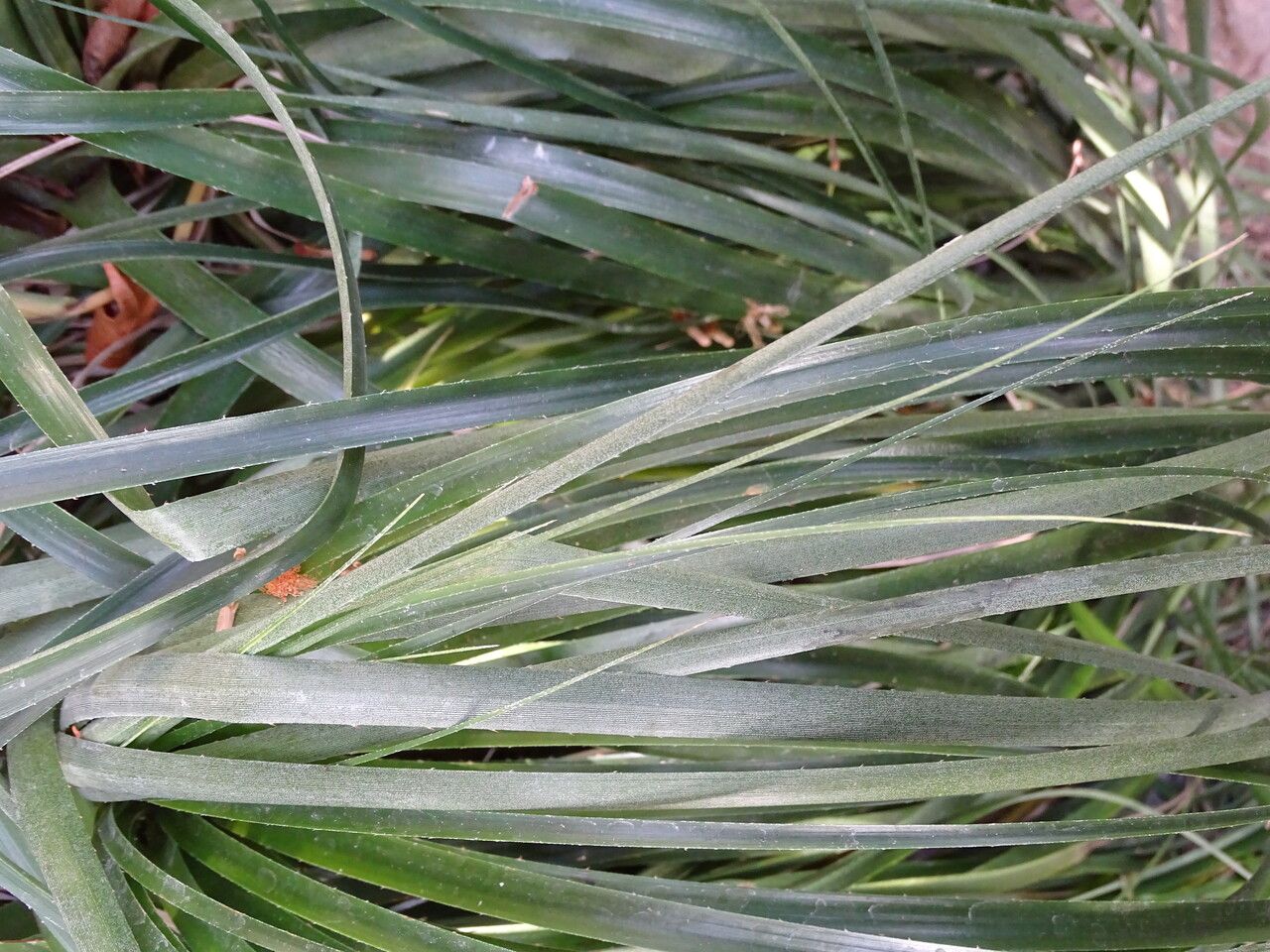
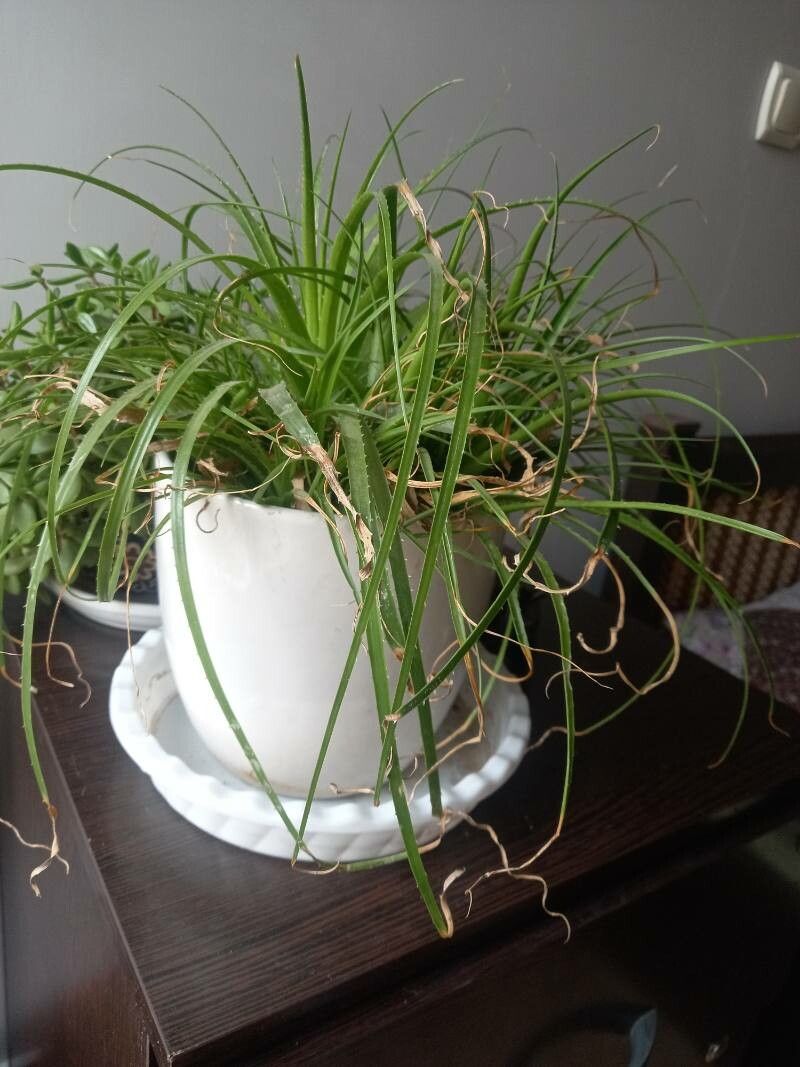
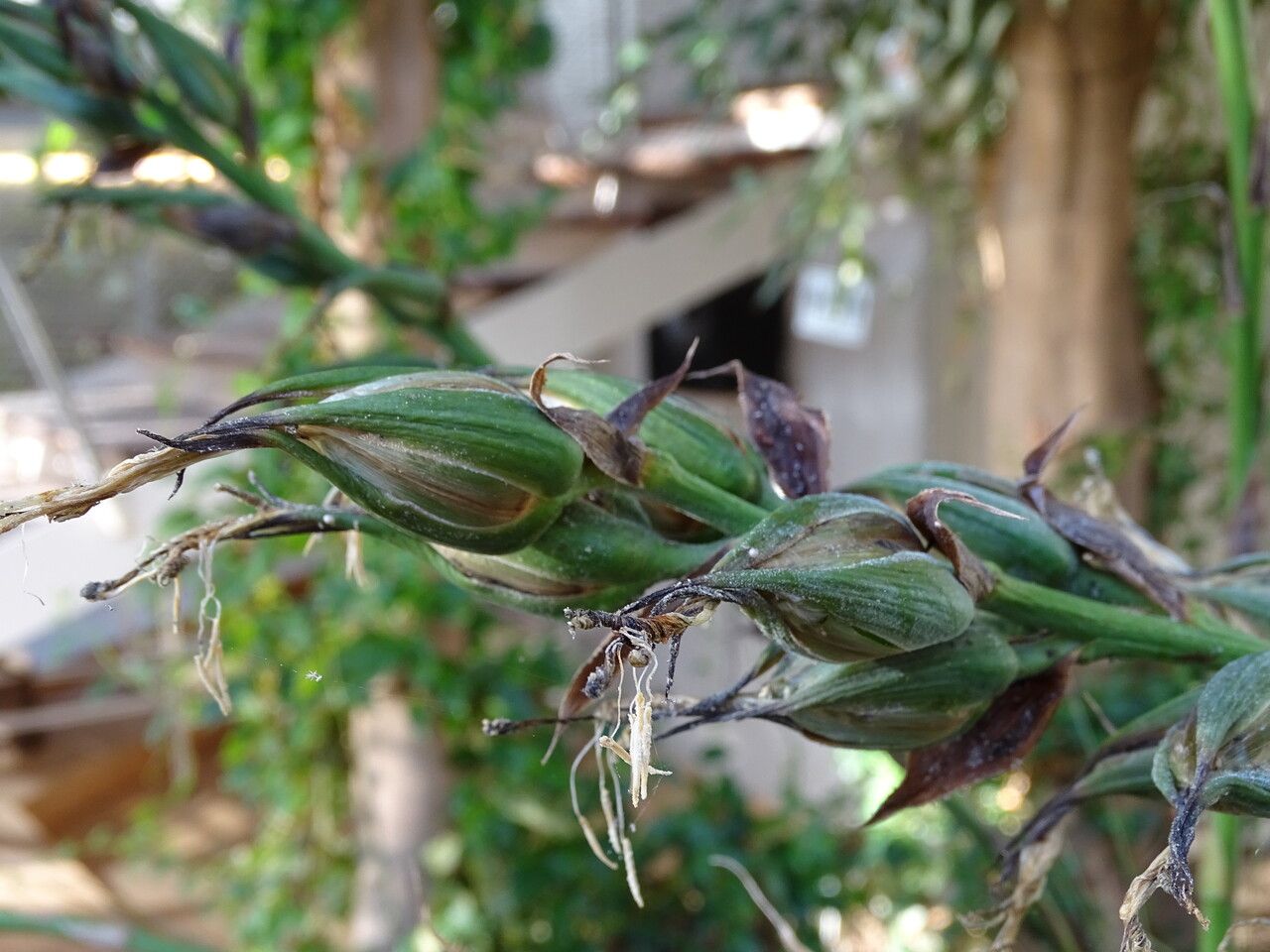
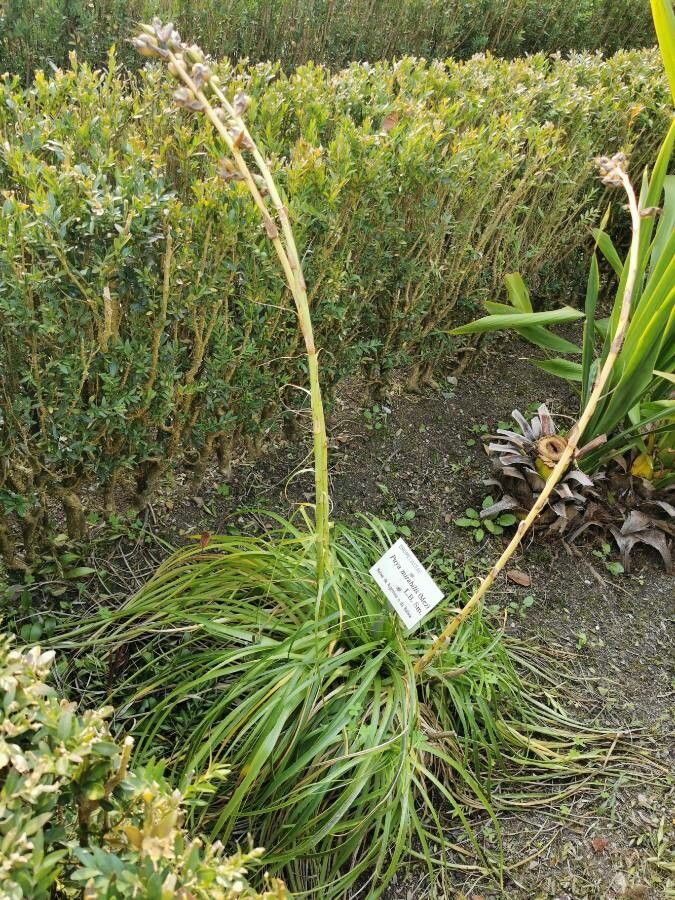
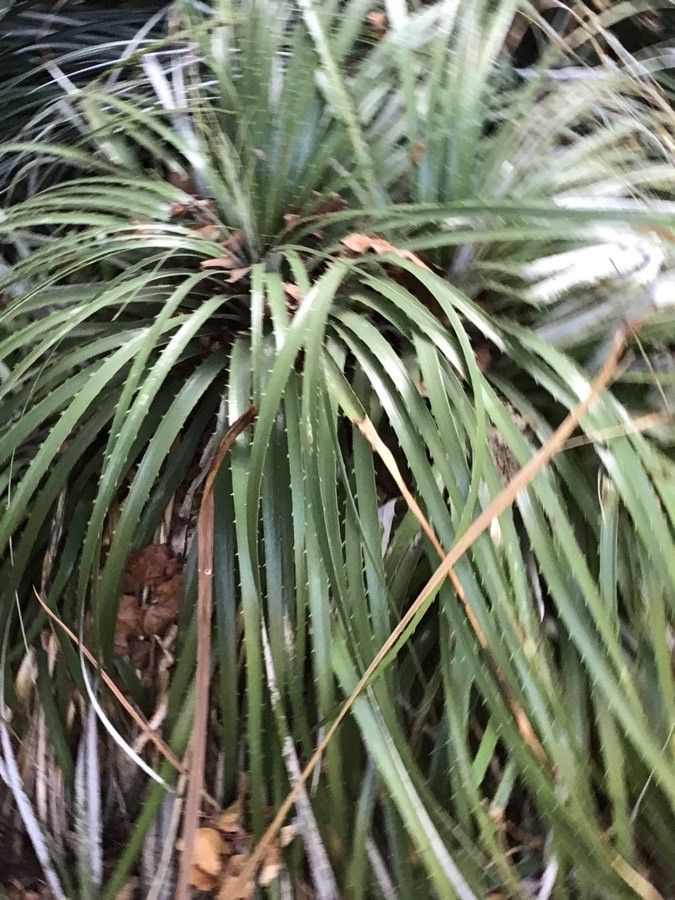
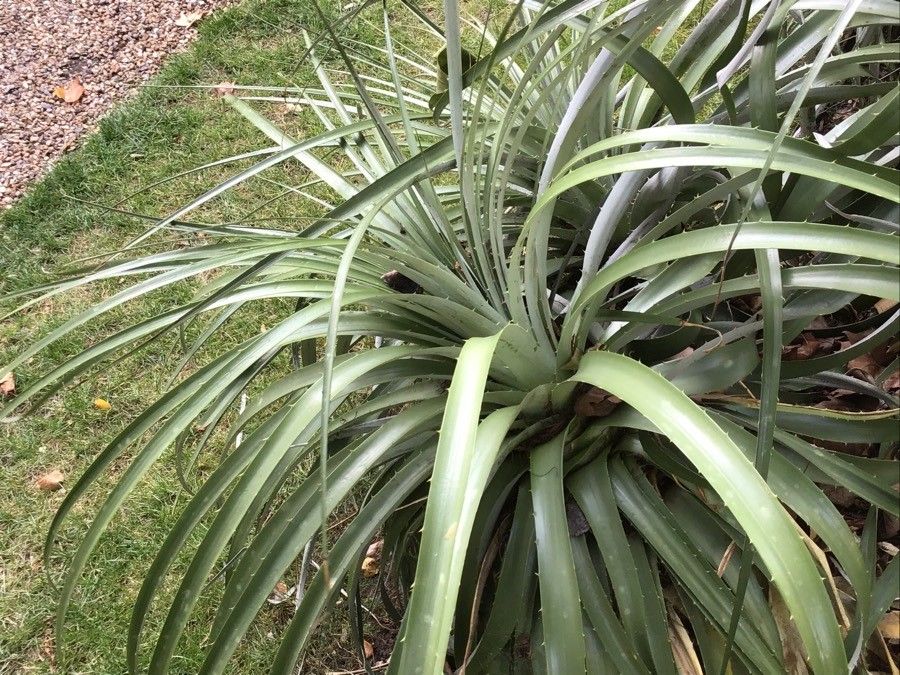
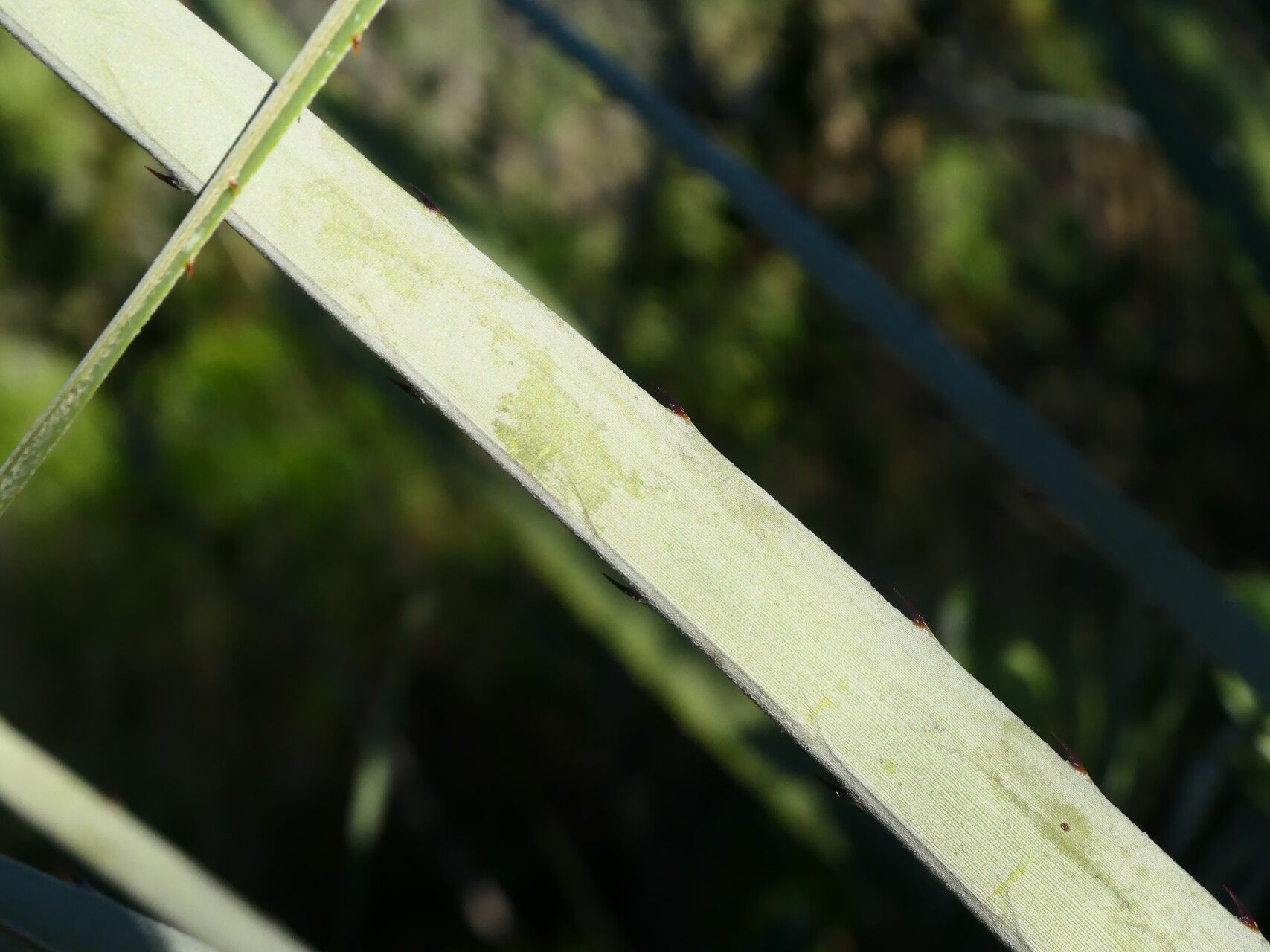
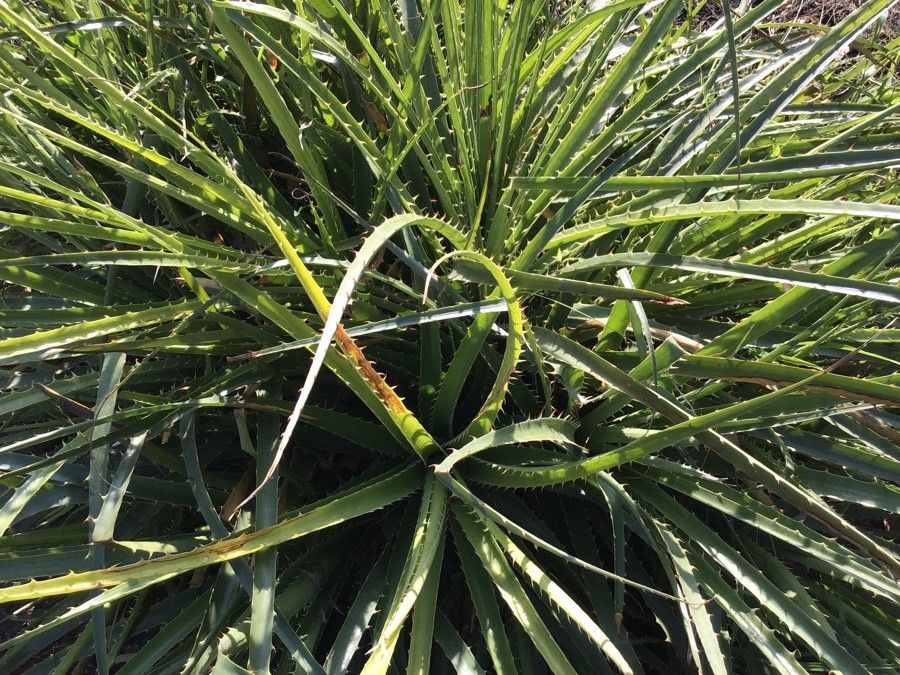
Puya mirabilis is a species of bromeliad native to the Andes Mountains in South America. This striking plant can grow up to 6 feet tall and 4 feet wide, featuring long, spiky leaves arranged in a rosette pattern. The leaves are green with sharp, serrated edges.
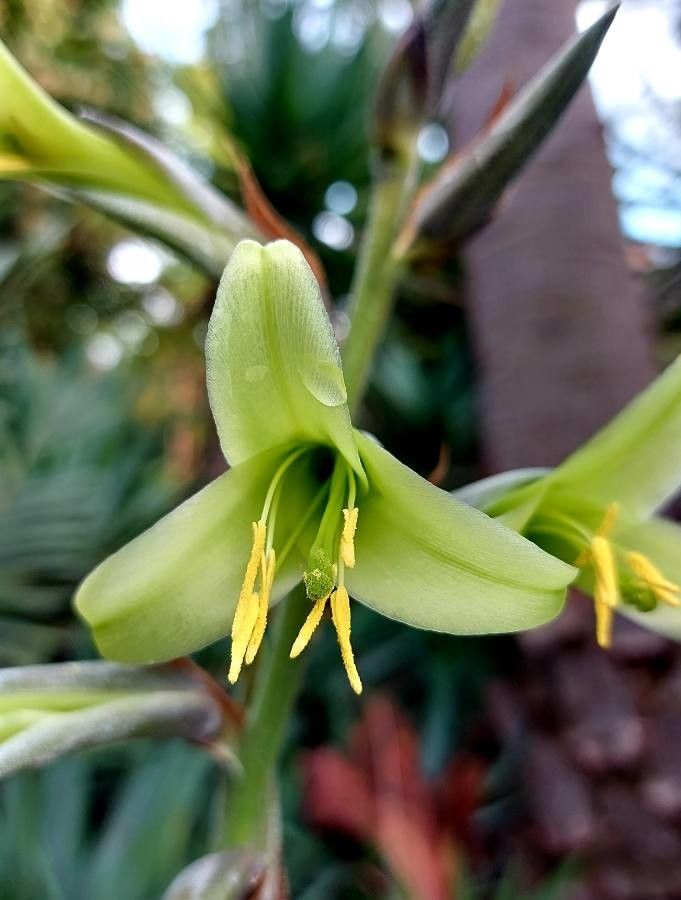
One of the most remarkable aspects of Puya mirabilis is its impressive flowering display. The plant produces tall spikes of bright yellow flowers that can reach up to 10 feet in height. These flowers are densely clustered along the spike and bloom from late spring through early summer.
Puya mirabilis thrives in well-draining soil and full sun exposure but can tolerate some shade. It requires moderate watering during its growing season but should be allowed to dry out between waterings.
In its native habitat, Puya mirabilis is an important food source for hummingbirds, which feed on its nectar-rich flowers. However, due to habitat loss and over-collection for ornamental purposes, this species has become endangered in some areas.
Overall, Puya mirabilis is an impressive plant with unique features that make it a popular choice among gardeners seeking something extraordinary for their landscape or indoor collection.
Puya has moderate disease resistance but is more sensitive to humidity and overwatering. It is also more vulnerable to disease when it receives insufficient light and is overwatered. In terms of care, Puya is drought-tolerant and can withstand long stretches without watering. It requires little fertilizer and only occasional pruning. For these reasons it is suitable for people of all experience levels, especially those who prefer to spend less time on plant care and who may occasionally be away from home for extended periods. It is a good option for anyone who does not want to invest a lot of time in caring for plants but still wants an easy-to-maintain specimen.
How to keep Puya Mirabilis.
Light
Originating from dry habitats, Puya does best in full sun, its native environment having intense sunlight and very little shade. It can also tolerate partial sun, providing some flexibility in its growth.
Water
Puya, a plant native to arid highlands, thrives in dry environments with little rainfall. It needs to be watered every 2 to 3 weeks and does best in well-draining soil to avoid waterlogging, which is crucial for its health during the growing season.
Temperature
Puya does best in warm conditions. If the temperature falls too low, the plant may stop growing or incur frost damage. It tolerates high heat and humidity well and needs a steady amount of moisture in its surroundings. However, excessively high temperature and humidity can leave it prone to fungal infections. In dry conditions, frequent watering and misting are needed to keep the air adequately humid. The plant is sensitive to abrupt temperature changes, so maintaining a fairly stable temperature is important.
Fertilizer
Puya plants only need light applications of fertilizer once or twice a year during the growing season. Do not fertilize in winter or in summer when the plant is dormant. Reduce the amount of fertilizer for plants that have been repotted and wait a couple of months after repotting before applying fertilizer. Fertilizing supports healthy growth and encourages blooms.
Pruning
Puya plants are known for their striking rosettes and tall flower spikes. To keep them healthy and visually appealing, regularly prune dead leaves throughout the year. After blooming, remove the spent flower spikes. The best time for more extensive pruning is early spring when you can improve air circulation and reduce the risk of disease, enhancing the plant's overall appearance. For detailed instructions, consult trusted horticultural sources.
Pot & Repot
Repot your puya every 2 to 3 years during the spring. Choose a spacious pot to prevent the plant from becoming overcrowded. Make sure the pot has good drainage to avoid root rot. Position the plant in bright, indirect light to help it recover. Be careful not to bury the crown when repotting. With proper care, your puya will display impressive growth.
Botanical profile.
- Plant Type
- Succulent
- Life Cycle
- Perennial
- Genus
- Puya
- Family
- Bromeliaceae
- Hardiness Zone
- 9-11
- Mature Height
- 61 cm
- Mature Spread
- 61 cm
- Leaf Color
- Green, Silver, Bronze
- Leaf Type
- Evergreen
- Flower Color
- Green, Yellow
- Flower Size
- 5.08 cm to 6.35 cm
- Bloom Time
- Early summer, Mid summer
- Planting Time
- Spring, Summer, Autumn, Winter
- Harvest Time
- Late summer, Early fall
- Native Area
- Bolivia
Other names.
Reader questions.
What are the sunlight requirements for Puya plants?
Puya plants have specific sunlight requirements depending on their environment. For full sun exposure, Puya plants require above 6 hours of sunlight per day. If they are in partial sun, about 3-6 hours of sunlight daily is necessary. It's essential to observe the movement of sunlight through your garden to choose spots that provide the right balance of light and shade, ensuring the plants' growth and happiness.
What are the ideal environmental conditions for Puya?
Puya thrives in warm environments and has a strong tolerance for high temperatures and humidity. It requires a consistent level of moisture in the surroundings to grow well. The plant is sensitive to sudden temperature fluctuations, so maintaining a stable temperature is crucial. During dry conditions, regular watering and misting are necessary to keep the air humidity adequate. It’s important not to let the environmental temperature drop too low to prevent the plant from ceasing growth or suffering from frost damage. Puya is a tropical plant, and in winter, if temperatures drop below -20°C, moving the plant indoors near a south-facing window for cultivation is recommended. Indoor temperatures should be maintained above 5°C, and watering should be reduced if temperatures fall below this point to prevent root rot.
What are the essentials for growing Puya plants?
Puya originates from environments such as forest understories, which naturally provide shade, making these plants prefer partial sun. However, they can tolerate full sun if necessary. When natural sunlight is insufficient, especially during winter or in less sunny areas, artificial lighting becomes crucial for optimal growth. Indoor plants can benefit from LED lights, which can be customized for specific wavelengths of light that plants need. The amount of artificial light required varies depending on the plant's sun exposure needs: 30-50W/sq ft for full sun plants, 20-30W/sq ft for partial sun plants, and 10-20W/sq ft for full shade plants. The light should be placed 12-36 inches above the plant to mimic natural sunlight, and most plants need 8-12 hours of light per day.
How should Puya be cared for during low temperature conditions?
During low temperature conditions, Puya prefers warm environments and should be kept in temperatures above 5°C. When the temperature drops below -20°C, and certainly if it reaches below -25°C, the leaves may begin to wither and droop after three to five days, leading to the plant potentially drying up completely in severe cases. The best solutions include trimming frostbitten areas and moving the plant indoors to a warm environment, ideally near a south-facing window to ensure sufficient sunlight. Avoid placing the plant near heaters or air conditioning vents to prevent excessive dryness.
What are the symptoms of light deficiency or overexposure in Puya plants?
Puya plants exhibit various symptoms when they suffer from light deficiency or overexposure. Light-deficient plants may show signs such as small or immature leaves, leggy or sparse growth, accelerated leaf drop, delayed or halted new growth, and lighter-colored or irregularly patterned new leaves. Overexposure to sunlight can cause chlorosis, where leaves lose their green color, sunscald with pale or necrotic areas on the plant, leaf curling as a defense mechanism against extreme sunlight, wilting due to increased water loss, and leaf scorching characterized by brown, crispy edges on leaves. These symptoms indicate the need for adjustments in light exposure to maintain plant health.
How should Puya be cared for during high temperature conditions?
During high temperature conditions, particularly in summer when temperatures should be kept below 35°C, Puya requires specific care if temperatures exceed 41°C. Symptoms of excessive heat include dry and withered leaf tips, halted growth, and a susceptibility to root rot. Sunburn may occur with excessive sunlight exposure. To mitigate these issues, remove the withered parts and move the plant to a location that provides shade during the intense midday and afternoon sun. It's also beneficial to water the plant in the morning and evening to maintain moisture for both the plant and its environment.
How can you remedy light-related issues for indoor, outdoor, and ground Puya plants?
To address light-related issues in Puya plants, different approaches are recommended based on whether the plant is indoor, outdoor, or in the ground. For indoor plants, gradually increase their exposure to sunlight or use artificial light if moving the plant isn't feasible. Outdoor plants should be moved to sunnier spots gradually to avoid sunburn, and for plants in the ground, reducing obstructions like pruned tree branches or transplanting them during their dormant period can help increase sunlight exposure. Unfortunately, parts of the plant already damaged by insufficient light may not recover, but new growth should be healthy once light exposure is improved.