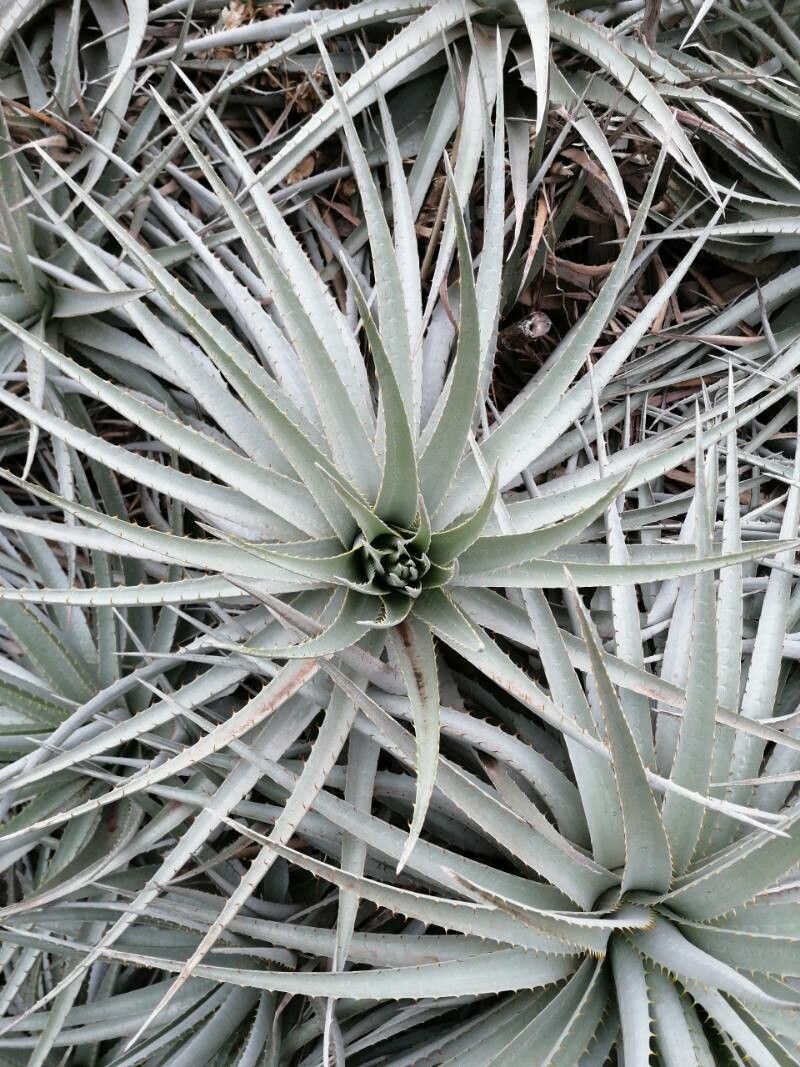
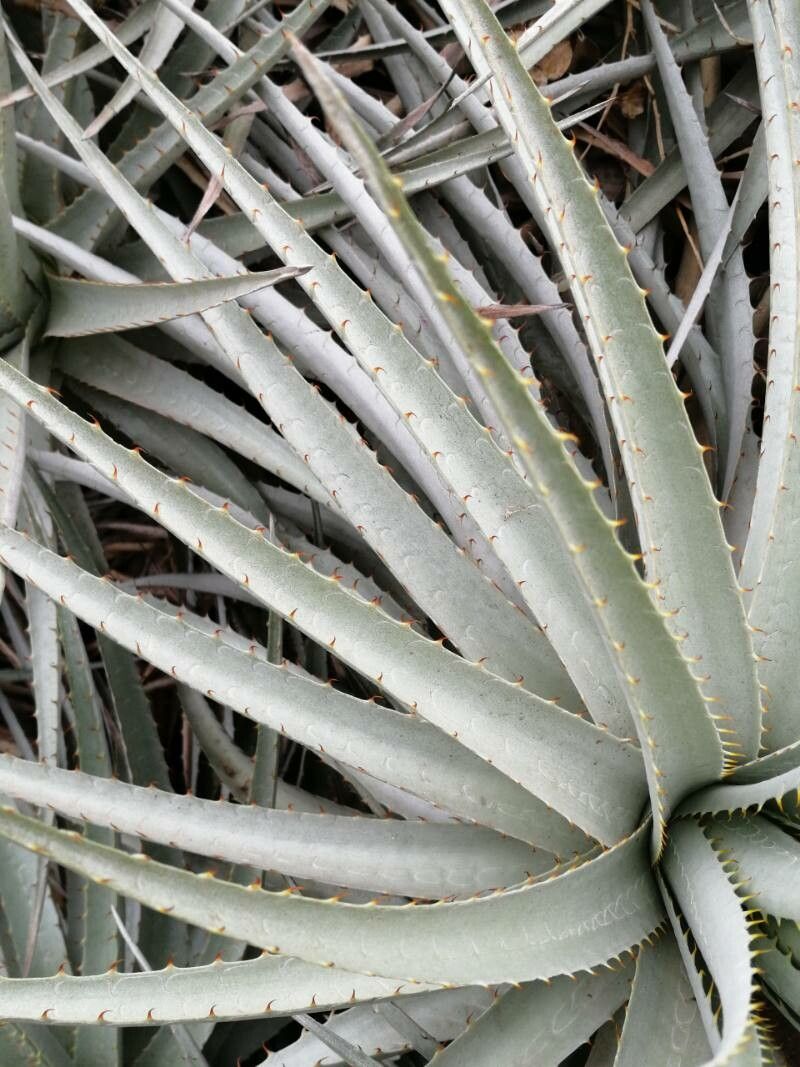
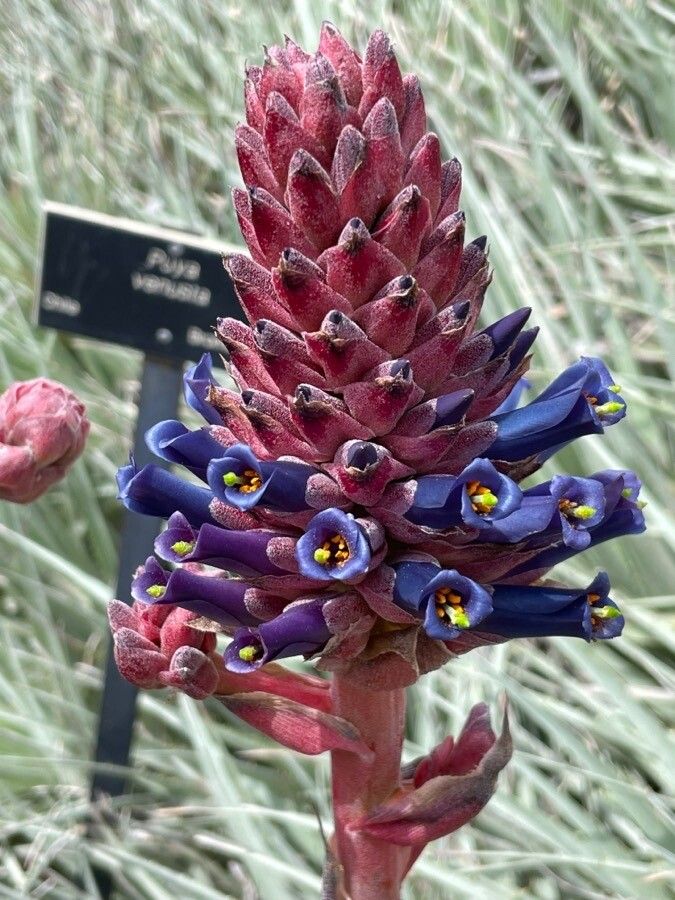
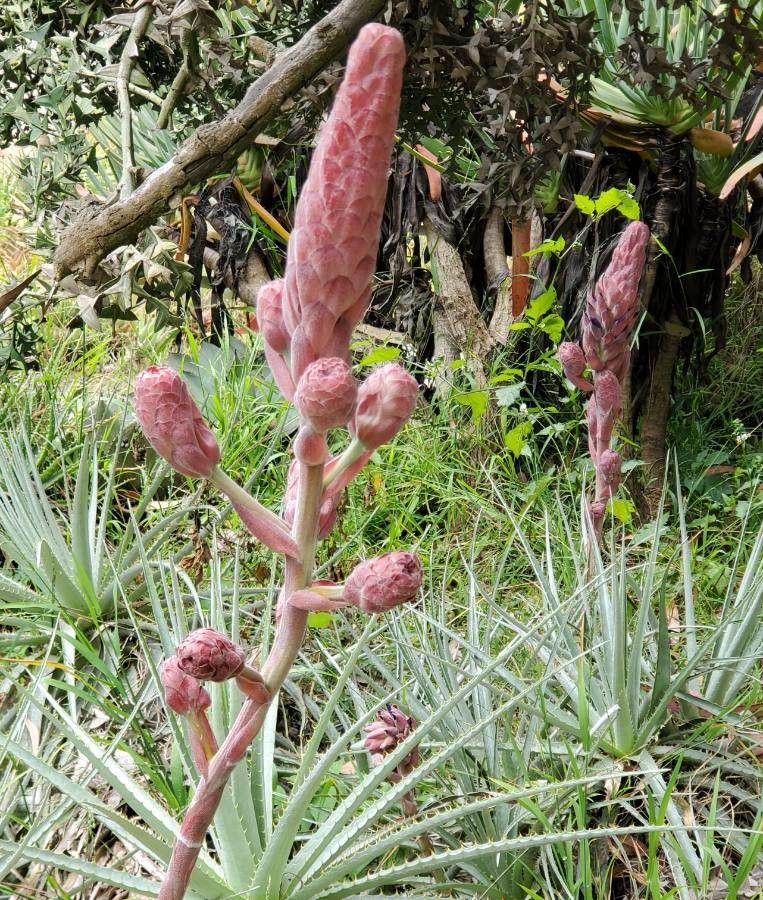
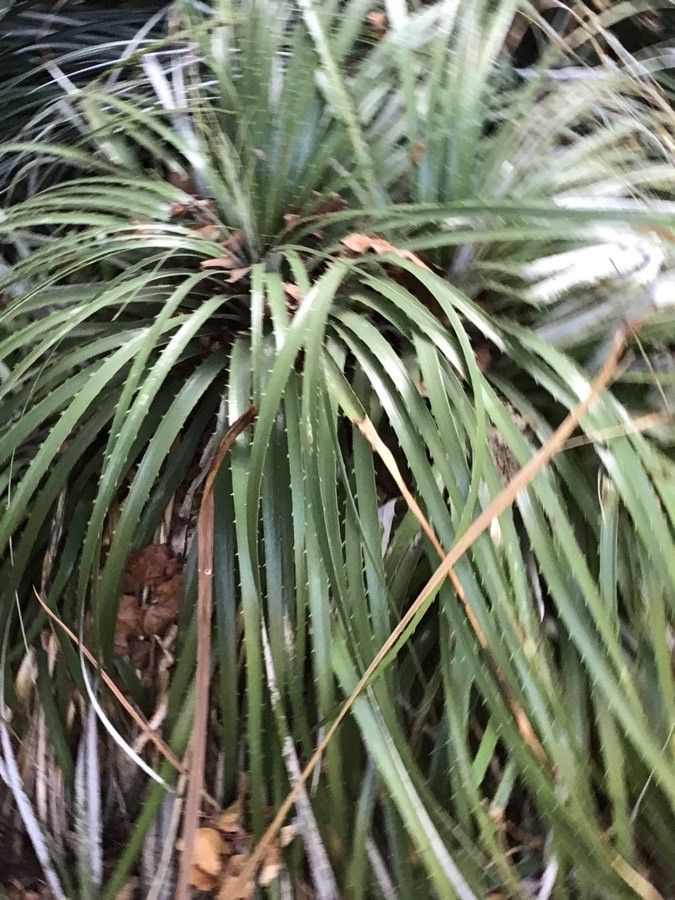
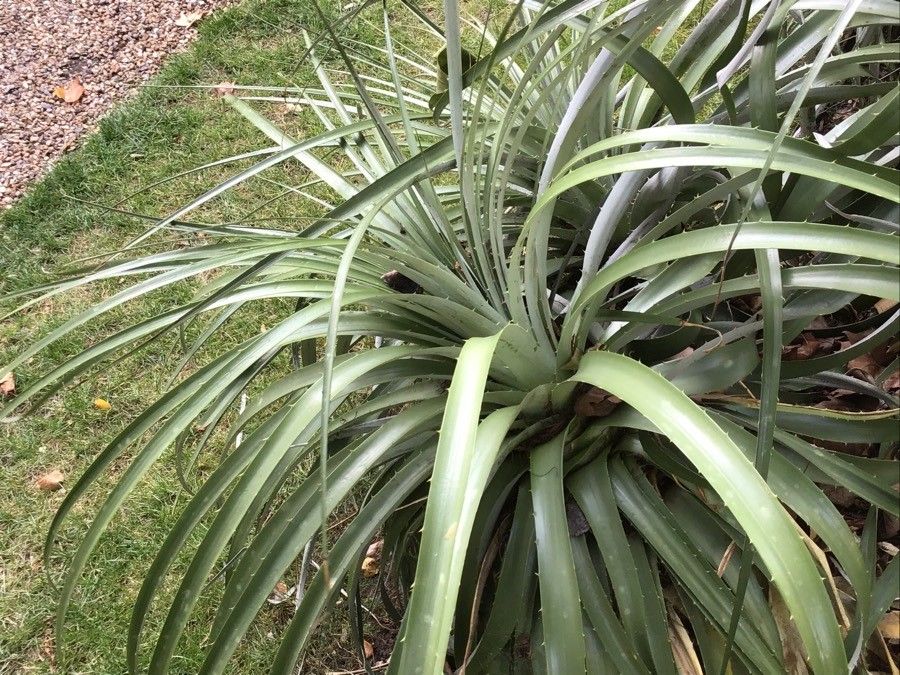
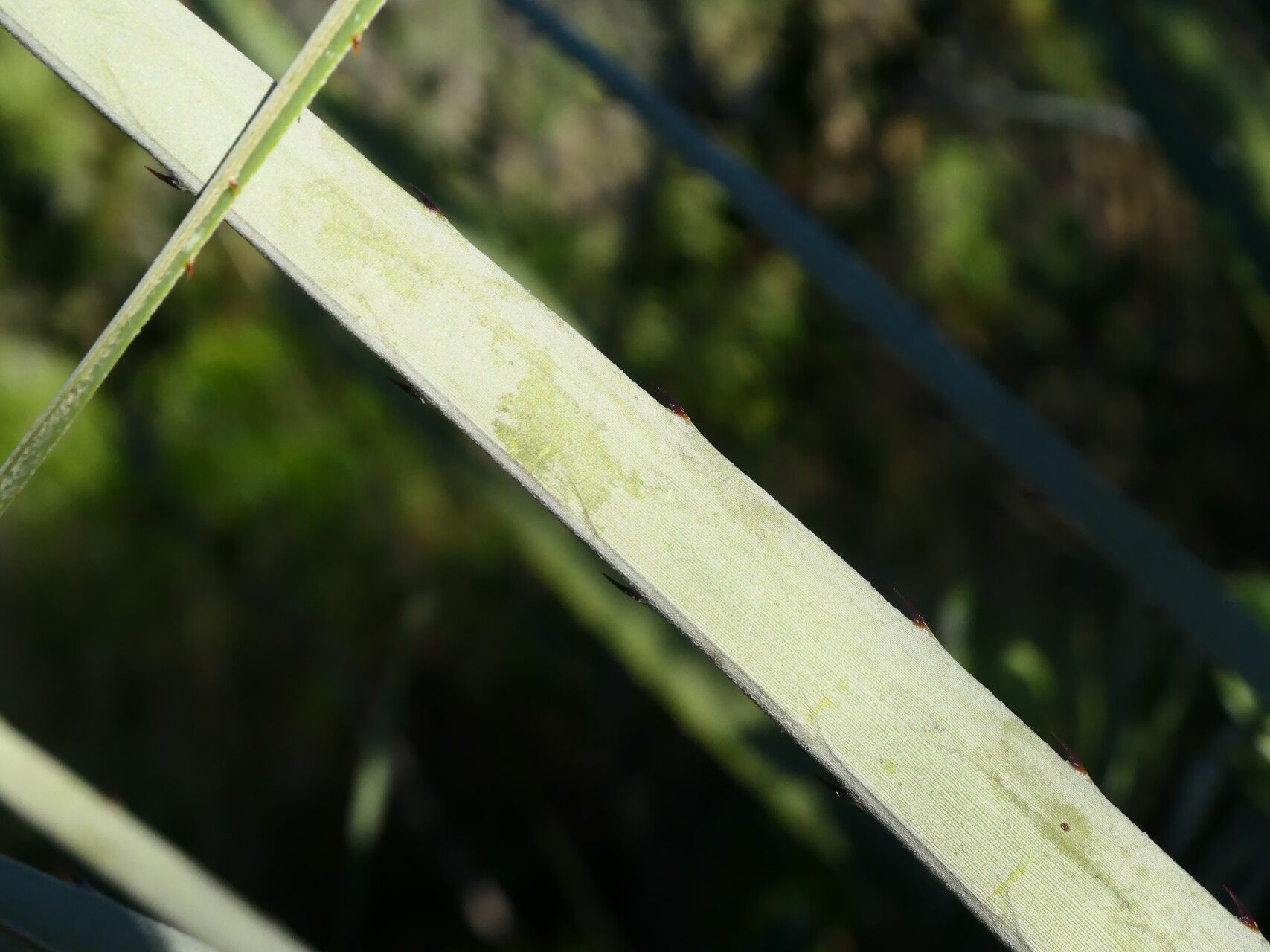
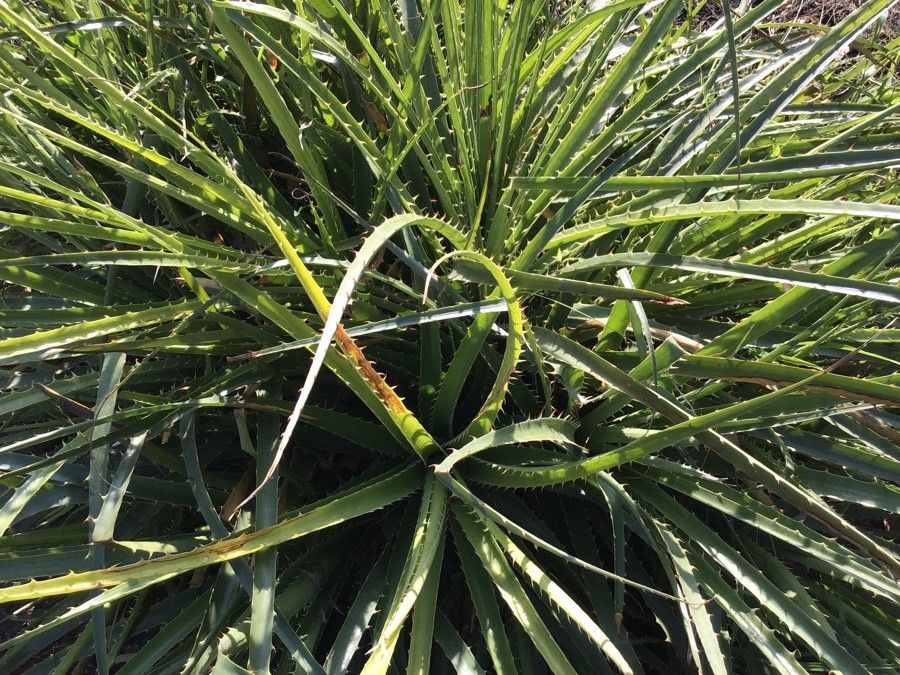
Puya venusta is a species of flowering plant in the family Bromeliaceae. This species is a rare plant found in certain portions of Chile including Punta Teatinos and Cerro La Campana. In La Campana National Park P. venusta is associated with the endangered Chilean Wine Palm, Jubaea chilensis, a palm that prehistorically had a significantly wider distribution.
Coastal purple puya has moderate disease resistance and is more sensitive to humidity and excessive watering. It is also more vulnerable to disease when it lacks sufficient light and is overwatered. In terms of care, Coastal purple puya is drought-tolerant and can withstand long periods without watering. It needs little fertilizer and only occasional pruning. These characteristics make it appropriate for people at any experience level, especially those who want to spend less time on plant care or who may be away from home for extended periods. It is a good option for those who do not want to invest a lot of time in maintenance but still desire an easy-to-care-for plant.
How to keep Puya Venusta.
Light
Originating in arid regions, Coastal purple puya flourishes in full sun, its native habitat marked by intense sunlight and minimal shade. It will also tolerate partial sun, offering some flexibility in its growth.
Water
The coastal purple puya, native to arid highlands, is exceptionally drought-tolerant. It thrives when watered every 2-3 weeks, provided it is in well-draining soil that replicates its naturally dry environment. During its flowering phase, it requires slightly more water.
Temperature
Coastal purple puya does best in warm conditions. If temperatures fall too low, growth can stop or the plant may incur frost damage. It withstands high heat and humidity well and needs a steady level of moisture in its surroundings. However, extremely high temperature and humidity can make it prone to fungal infections. In dry conditions, regular watering and misting are needed to keep the air sufficiently humid. The plant is sensitive to abrupt temperature changes, so maintaining a fairly stable temperature is important.
Fertilizer
For Coastal purple puya, light applications of fertilizer once or twice a year during the growing season are adequate. Avoid fertilizing in winter and in summer while it’s dormant. Use less fertilizer for plants that have been repotted, and wait a couple of months after repotting before applying any. Fertilizing supports healthy growth and encourages blooms.
Pruning
The coastal purple puya is a plant known for its vibrant purple flowers and its preference for well-drained soil. To promote healthy growth and good air circulation, prune the plant in early spring by removing dead leaves and spent flowers. Be cautious not to prune heavily, as this can stunt the plant's growth. Regular maintenance is especially important in coastal climates, as it enhances the plant's vitality.
Botanical profile.
- Plant Type
- Succulent
- Life Cycle
- Perennial
- Genus
- Puya
- Family
- Bromeliaceae
- Hardiness Zone
- 9-11
- Mature Height
- 0.91 m to 1.52 m
- Mature Spread
- 61 cm to 91 cm
- Leaf Color
- Green, Gray, Silver
- Leaf Type
- Evergreen
- Flower Color
- Pink, Purple, Blue, Red, Violet
- Flower Size
- 5.08 cm to 6.35 cm
- Bloom Time
- Late spring, Early summer
- Planting Time
- Summer, Autumn
- Harvest Time
- Mid summer, Late summer
Reader questions.
What are the sunlight requirements for Coastal purple puya?
Coastal purple puya thrives in environments with partial sun exposure but can tolerate full sun, especially in cooler climates. It's beneficial to monitor the movement of sunlight through your garden to select areas that offer the right balance of light and shade. For the plant's optimal growth, it is advised to ensure that spots chosen can provide over 6 hours of sunlight, aligning well with the plant's preference for partial to full sun conditions.
What conditions does Coastal purple puya thrive in?
Coastal purple puya, or Puya venusta, thrives in warm environments. It is a tropical plant that prefers a consistent level of moisture in its surroundings and has a strong tolerance for high temperature and humidity. Regular watering and misting are necessary in dry conditions to maintain adequate humidity. It's important to protect the plant from sudden temperature fluctuations and maintain a relatively stable temperature for its growth. During winter, if temperatures drop significantly, taking steps to protect the plant by moving it indoors or providing a sheltered outdoor environment is recommended.
How does artificial lighting help indoor Coastal purple puya plants?
Artificial lighting is crucial for the growth of indoor Coastal purple puya plants, particularly when natural sunlight is inadequate, such as during winter or in poorly lit spaces. The right type of artificial lighting, such as LED lights, can be tailored to supply specific light wavelengths needed by the plant. For full sun plants, 30-50W/sq ft is recommended; partial sun plants require 20-30W/sq ft, and full shade plants need 10-20W/sq ft of artificial light. The light should be placed 12-36 inches above the plant, mimicking natural sunlight as closely as possible, and provided for 8-12 hours per day to promote healthy growth.
What should I do if my Coastal purple puya is exposed to low temperatures?
If your Coastal purple puya is exposed to temperatures below its comfort zone, especially during winter with minimums dropping below -20°C, or if it suffers damage from temperatures below -25°C, it's crucial to take action. Initially, the plant might not show obvious symptoms but may start to wither and droop after a few days, leading to severe damage in extreme cases. To mitigate this, trim the frostbitten areas immediately and move the plant to a warm environment indoors. Placing the plant near a south-facing window provides ample sunlight while avoiding placement near heaters or air conditioning vents to prevent excessive dryness.
What symptoms indicate light deficiency in Coastal purple puya?
Symptoms of light deficiency in Coastal purple puya may not always be easily noticeable due to the plant's adaptability. However, some indications include smaller new leaves compared to older ones, leggy or sparse growth, accelerated leaf drop, delayed or halted new growth, lighter-colored new leaves, and symptoms associated with excessive light such as chlorosis, sunscald, leaf curling, wilting, and leaf scorching. These symptoms suggest that the plant needs better light conditions to maintain its health and growth.
How should I care for Coastal purple puya during high temperatures?
During the summer, it's important to ensure that Coastal purple puya is not exposed to temperatures above 35°C to prevent the leaves from becoming dry and withered, ceasing growth, and becoming prone to root rot. Sunburn can occur with excessive sunlight exposure. To care for your plant in high temperatures, remove any withered parts, and relocate the plant to a shaded area, especially during the peak sun of midday and afternoon. Watering the plant in the morning and evening can help keep both the plant and its surroundings moist, avoiding stress from the heat.
How can I improve light conditions for Coastal purple puya?
Improving light conditions for Coastal purple puya involves a gradual adaptation strategy to avoid shock. For indoor plants, gradually move them to sunnier locations each week until they receive at least 6 hours of direct sunlight daily, utilizing south-facing windows where possible and keeping curtains open during the day. Additionally, consider using artificial lighting options, like desk lamps or professional plant grow lights, for at least 8 hours daily for plants that are large or difficult to move. Outdoors, the goal is to similarly acclimate your plants to brighter spots gradually, with a focus on reducing sudden changes to prevent sunburn. Techniques such as pruning to reduce shade from trees or transplanting smaller plants to sunnier locations during their dormant period can significantly enhance sunlight exposure. It's vital to note that while damaged parts might not recover, new growth will be healthier with improved light conditions.