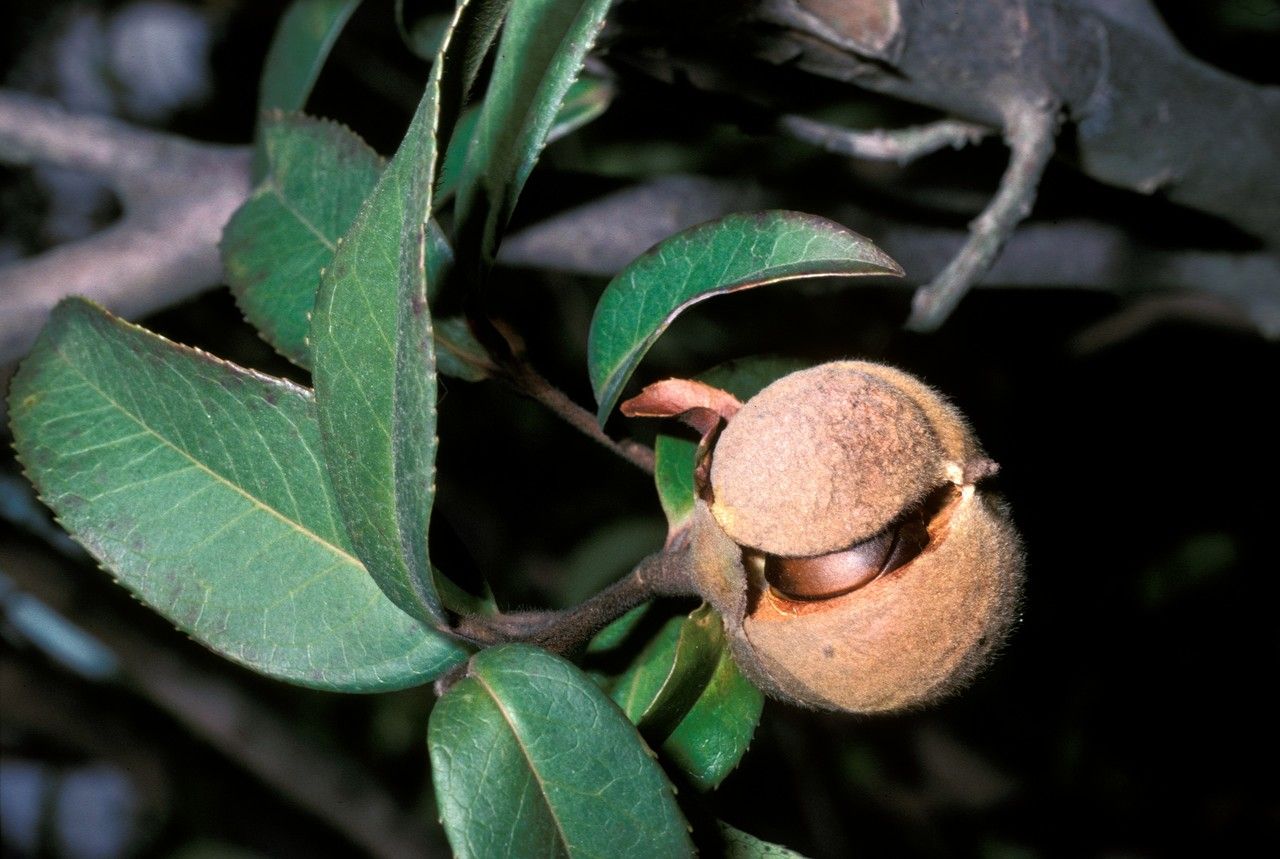
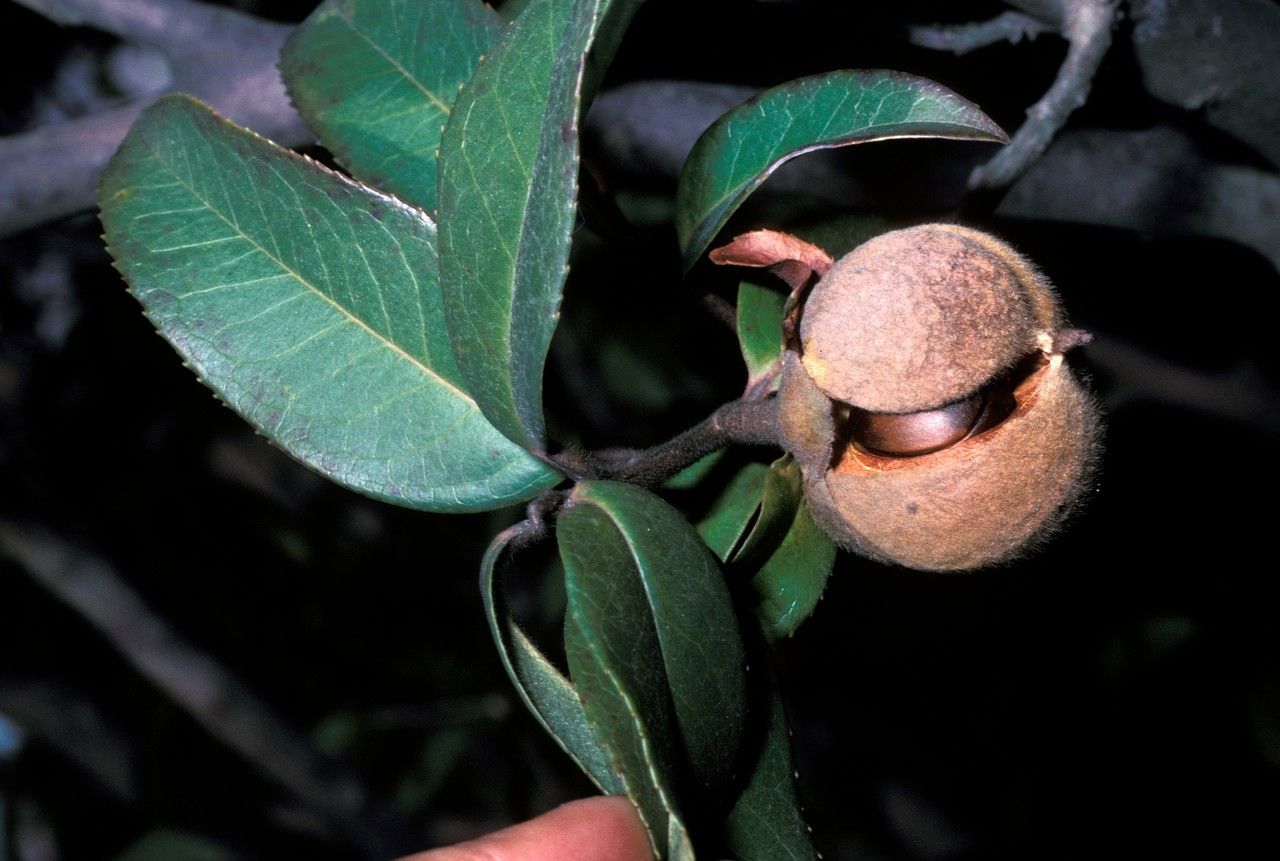
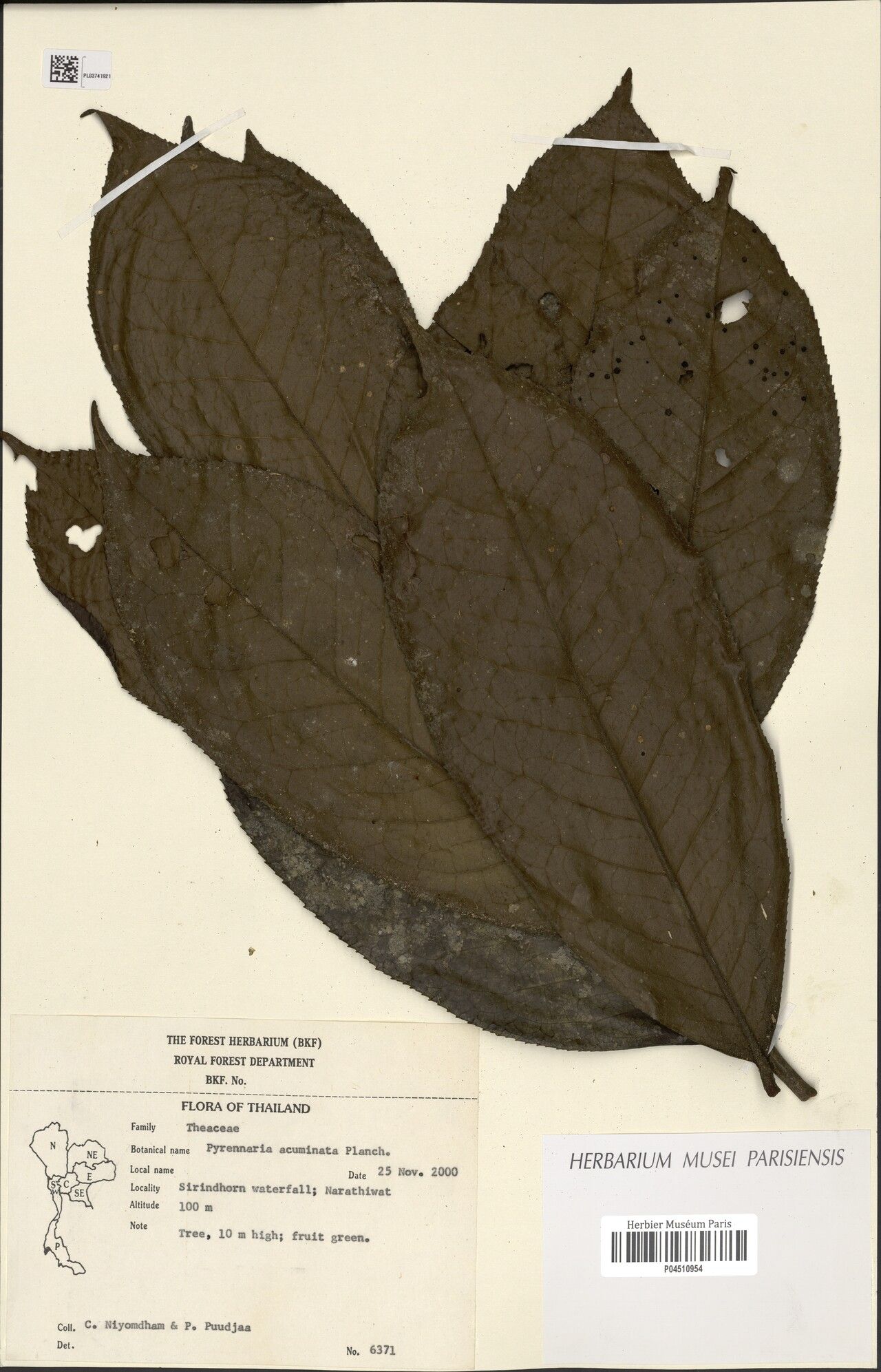
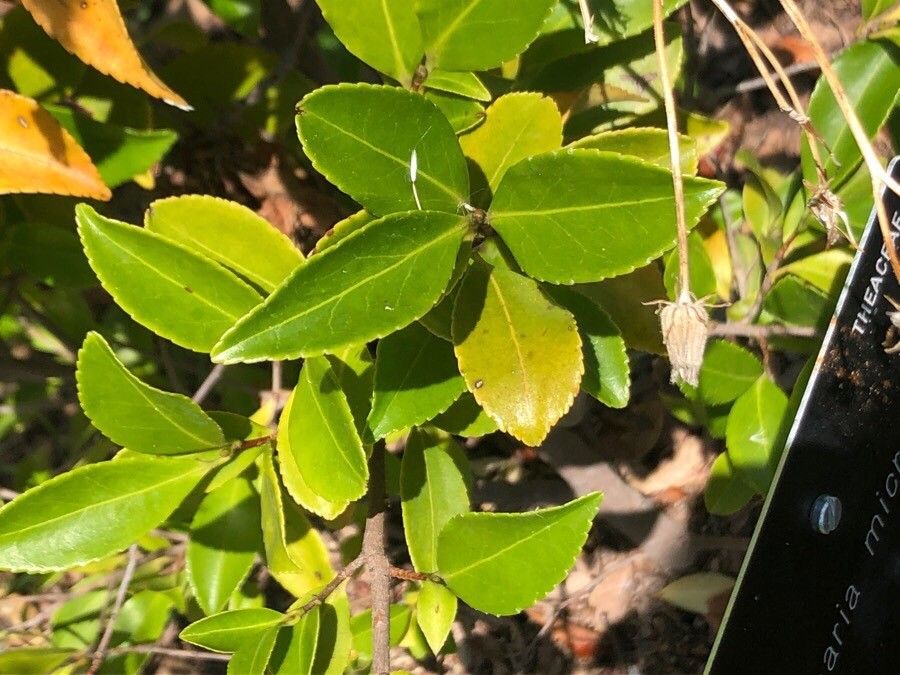
Common tutcheria shows good resistance to disease and is generally not susceptible to illnesses. In terms of care, this plant is fairly low-maintenance. When grown outdoors it needs minimal watering, and larger specimens typically do not require pruning. Smaller plants, however, should be trimmed after they have bloomed. Common tutcheriat is suitable for anyone with an outdoor area, such as a garden or deck, and does not need extensive experience in plant care.
How to keep Pyrenaria Spectabilis.
Light
The common tutcheria is native to the undergrowth of tropical forests where it encounters filtered sunlight. It flourishes in conditions of partial sun but is equally capable of withstanding full sunlight, demonstrating good adaptability to different light intensities.
Water
The Common Tutcheria, which hails from areas with periodic rainfall, thrives in drier conditions and is drought-tolerant. It is best to water it every 2 to 3 weeks, ensuring the soil dries out between watering sessions. This plant flourishes in well-draining soil that simulates its natural wet-dry cycles.
Temperature
Common tutcheria naturally inhabits places where the temperature fluctuates between 68 to 95°F (20 to 35℃). It grows optimally in these thermal conditions. Therefore, throughout various seasons, it's important to adapt the environment to maintain the temperature within this spectrum.
Fertilizer
It is vital to time the fertilization of Common tutcheria correctly. Begin fertilizing at the start of spring and continue on a monthly basis until the beginning of summer. Fertilizer contributes to beautiful flowering and supplies energy during both dormant and active stages of growth.
Pruning
Prune common tutcheria between early and late winter to promote healthy growth and shape. Remove dead branches and thin crowded areas to improve air circulation. Pruning during this dormant period minimizes stress on the plant, encourages vigorous growth in the spring, and enhances both flowering and overall plant health.
Botanical profile.
- Plant Type
- Tree
- Life Cycle
- Perennial
- Genus
- Pyrenaria
- Family
- Theaceae
- Hardiness Zone
- 9
- Mature Height
- 4.88 m to 14.94 m
- Mature Spread
- 3.05 m to 4.88 m
- Leaf Color
- Dark Green, Forest Green
- Leaf Type
- Evergreen
- Flower Color
- White, Yellow
- Flower Size
- 5.08 cm to 6.35 cm
- Bloom Time
- Mid summer, Late summer, Early fall, Mid fall
- Planting Time
- Spring, Autumn
- Harvest Time
- Late fall, Winter
- Native Area
- China
Reader questions.
What are the sunlight requirements for Common tutcheria?
Common tutcheria, also known as Pyrenaria spectabilis, flourishes in partial sun conditions, necessitating about 3-6 hours of sunlight daily. Originating from the understory of tropical forests, it adapts well to varying light levels and can also tolerate full sun. It's essential to observe the movement of sunlight through your garden to identify spots that offer the right balance of light and shade, ensuring the plant's health and happiness.
What is the ideal temperature range for Common tutcheria?
Common tutcheria, or Pyrenaria spectabilis, thrives best in environments where the temperature ranges between 68 to 95°F (20 to 35°C). This range allows the plant to grow optimally. In different seasons, it is important to adjust the surroundings to maintain this temperature range for the plant's health and growth.
How can artificial lighting benefit indoor Common tutcheria plants?
Indoor Common tutcheria plants require adequate lighting to grow optimally. In situations where natural sunlight is insufficient, especially during winter or in less sunny spaces, artificial lighting becomes a vital solution. LED lights are recommended because they can be customized to provide specific wavelengths needed by plants. For optimal growth, full sun plants require 30-50W per square foot, partial sun plants need 20-30W per square foot, and full shade plants need 10-20W per square foot. The light source should be placed 12-36 inches above the plant, mimicking natural sunlight as much as possible, and it is advisable to keep the lights on for 8-12 hours a day, depending on the plant species.
What should I do to protect Common tutcheria during cold weather?
Common tutcheria has a certain degree of cold tolerance and generally does not require special care when the temperature is above 0°C. However, if temperatures are expected to drop below freezing, temporary protective measures are necessary. Wrapping the plant with plastic film, fabric, or other insulating materials can help prevent cold damage. Once the temperature rises back within a safe range, these protective measures should be promptly removed to avoid overheating or moisture issues.
What are the signs of light deficiency in Common tutcheria?
Common tutcheria may exhibit several symptoms when exposed to insufficient light for extended periods, especially when placed in room corners. These symptoms include smaller new leaves compared to mature ones, leggy or sparse growth, faster leaf drop, slower or halted new growth, lighter-colored new leaves, and chlorosis—the loss of green color turning leaves yellow. Excessive sunlight can also cause issues such as sunscald, leaf curling, wilting, leaf scorching, and chlorosis, indicating the plant's struggle with light imbalance.
How does Common tutcheria react to low temperatures, and what are the solutions?
At temperatures below 20°C, Common tutcheria exhibits moderate tolerance to cold. It is crucial to keep it above 0°C during the winter to avoid damage. Should the temperature fall below -5°C, you might notice the leaves beginning to droop, a sign of distress. While plants can recover from mild frost damage, severe cases may lead to leaf wilt and loss. To mitigate damage, trim off the frost-damaged parts and, before exposure to low temperatures again, wrap the plant with non-woven fabric or cloth, and consider setting up a wind barrier to protect it from cold winds.
How can you address lighting issues for Common tutcheria?
To optimize growth and address lighting issues for Common tutcheria, gradually increase sunlight exposure by shifting plants to sunnier spots each week until they receive the desired 3-6 hours of direct sunlight. For indoor plants that are large or cumbersome to move, consider using artificial light, keeping a desk or ceiling lamp on for at least 8 hours daily or investing in professional plant grow lights. Outdoors, move plants gradually to prevent sunburn. Prune obstructions like tree branches to improve sunlight access, or transplant smaller plants during their dormant period to a location with ample sunlight and good drainage. Note that parts of the plant affected by insufficient light may not recover, but new growth should be healthy following these adjustments.
How does Common tutcheria react to high temperatures, and what are the solutions?
Common tutcheria is sensitive to temperatures above 35°C, experiencing stress that can lead to symptoms such as lighter leaf color, dry and withered leaf tips, curling leaves, and increased susceptibility to sunburn when exposed to temperatures exceeding 38°C. To protect the plant, remove sunburned and dried parts promptly. It's advisable to move the plant to a shaded area during the peak sun hours or use a shade cloth. Additionally, watering the plant in the morning and evening helps keep the soil moist, further mitigating heat stress.