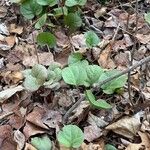
Pyrola asarifolia
Liver-leaf wintergreen · Liverleaf wintergreen · Bog Wintergreen · Pink Wintergreen · Pink Pyrola
Description
Source: leafsnapPyrola asarifolia, commonly known as liverleaf wintergreen, bog wintergreen or pink wintergreen, is a plant species of the genus Pyrola native to western North America. It is found primarily on forest margins at mid latitude in the Pacific Northwest and northern California. It is so named simply because its leaves maintain their green color through winter.
🎭 Protection and healing: it is used to soothe fears and to calm the nerves.
Care Guide
💧 Water
Pink Wintergreen thrives in the understory of temperate forests, where it prefers consistently moist soil, yet it has a moderate tolerance for drought. To mimic its natural habitat and ensure optimal growth and health, it's beneficial to water it weekly, especially during peak growing seasons. When growing outdoors, also take into account any rainfall to adjust watering accordingly.
How should I water my Pink Wintergreen plant in the best way?
To ensure the health of the Pink Wintergreen plant, it is important to follow these watering guidelines. First, use filtered water at room temperature as tap water may contain harmful particles. The plant prefers warmer water since it originates from a warm environment. Cold water can be a shock to its system. Additionally, avoid overhead watering to prevent issues with the foliage. Instead, thoroughly soak the soil with filtered room temperature water. This helps to moisturize the roots, allowing them to spread and collect nutrients effectively.
What should I do if I give my Pink Wintergreen plant too much or too little water?
Both overwatering and underwatering can harm the health of your Pink Wintergreen, but overwatering is more common. When this plant gets too much water, its stems and leaves may wilt and turn yellow. Overwatering for a long time can also cause diseases like root rot, mold, and mildew, which can kill the plant. Underwatering is less common, but it can happen. When it does, the Pink Wintergreen leaves become brittle and brown. It's important to spot the signs of overwatering early. Some diseases resulting from overwatering, like root rot, may not be fixable if you wait too long. If you see early signs of overwatering, reduce watering right away. Check the soil quality, too. If it drains poorly, replace it with a loose, well-draining potting mix. If you notice signs of underwatering, simply water more often until the signs go away.
How often do I need to water my Pink Wintergreen plant?
To determine whether your Pink Wintergreen plant in a pot needs water, simply stick your finger into the soil. If the top two to three inches are dry, it's time to water. The same method can be used for Pink Wintergreen plants grown outdoors in the ground. During spring and early fall, watering about once a week is usually sufficient. However, during very hot weather, you may need to water twice or more per week. It's worth noting that mature Pink Wintergreen plants have a remarkable ability to endure drought.
How much water does my Pink Wintergreen plant need?
To water your Pink Wintergreen effectively, don't hold back on the amount of water you give. Wait until the top two to three inches of soil are dry, and then give the plant a long, thorough watering. Make sure to fully saturate the soil, allowing excess water to drain out through the pot's drainage holes. If you don't see any water draining out, it's likely that you haven't given enough water. On the other hand, be careful not to let water accumulate in the soil, as this can be harmful to the plant. Additionally, if water isn't draining properly, it could indicate that the soil is not draining well, which is not good for the plant's health. If your Pink Wintergreen is growing outside, one inch of rain per week should be adequate.
How do I water my Pink Wintergreen at different times it's growing?
The water needs of the Pink Wintergreen can vary depending on its growth stages. When the plant is young or has been recently transplanted, it will require more water than usual. This is because during these stages, the Pink Wintergreen focuses on developing new roots to support future growth, and these young roots need more moisture. As the plant matures over a few seasons, it will require less water. Additionally, during the bloom period, when the plant is producing flowers, it will need more water to support the development of these blooms.
☀️ Light Partial sun
Pink Wintergreen performs best in places where the sunlight is softened, though it can adjust to settings with less light. Light is vital for its strong growth, but too much can cause stress to the plant. A lack of sun may produce weaker development and lower vigor. Its native habitat has filtered light, illustrating its adaptability to varying light conditions.
What are the sunlight requirements for Pink Wintergreen?
Pink Wintergreen requires about 3-6 hours of sunlight daily, categorized as partial sun. However, it can also thrive in full shade conditions, where it receives less than 3 hours of sunlight. Observing how sunlight moves through your garden helps in choosing spots that provide a balance of light and shade, ensuring the well-being of your plants.
How does Pink Wintergreen adapt to different light conditions?
Pink Wintergreen thrives in environments where the sun's intensity is moderate but can adapt to lower light exposures. Sunlight is essential for its growth, and though it can withstand some variation in light conditions, both excessive sun and insufficient light can stress the plant. Originating from habitats with filtered sun, Pink Wintergreen shows flexibility in light conditions. Indoor plants, in particular, may require artificial lighting to compensate for inadequate natural sunlight, with specific recommendations for the type of light and the duration of exposure to ensure optimal growth.
What are the symptoms of inadequate light for Pink Wintergreen?
When Pink Wintergreen is grown under insufficient light, it may display several symptoms indicating light deficiency. These include smaller new leaves, leggy or sparse growth, faster leaf drop, slower or halted growth, lighter-colored new leaves, chlorosis, sunscald, leaf curling, wilting, and leaf scorching. Each of these symptoms reflects the plant's struggle to adapt to inadequate light conditions, highlighting the importance of proper light exposure for healthy plant growth.
How can I address light-related issues for Pink Wintergreen?
Addressing light-related issues for Pink Wintergreen involves a few strategies. For indoor plants, gradually shifting them to sunnier spots or using artificial lighting can help optimize growth. Outdoor plants benefit from gradual relocation to sunny spots to prevent sunburn. Reducing obstructions, such as pruning obstructive branches, can improve sunlight access. For smaller plants, transplanting during their dormant period to a location with ample sunlight and good drainage is advisable. It's vital to remember that while affected parts of the plant might not recover, new growth will be healthy with improved light exposure.
🌡️ Temperature 5–32.2°C
Pink Wintergreen originates from temperate climates and therefore prefers temperatures between 41 and 89.6 °F (5 and 32 ℃). If temperatures fall outside this range, modifications to the plant's environment may be required to maintain its well-being.
What is the ideal temperature range for Pink Wintergreen?
Pink Wintergreen, botanically known as Pyrola asarifolia, thrives in temperate climates and prefers temperatures ranging from 41 to 89.6 °F (5 to 32 °C). These conditions are essential for its well-being, and any deviation might necessitate environmental adjustments to maintain the plant's health. Despite its strong resistance to cold, in extremely cold winters where temperatures are expected to fall below -30°C, it is important to take measures to protect the plant from frost by covering it with soil or straw. Additionally, watering the plant abundantly before the first autumn freeze helps keep the soil moist and prevents drought and water scarcity during the winter and early spring months.
How does Pink Wintergreen react to low temperatures?
Pink Wintergreen is cold-tolerant and fares well in temperatures above 5°C. However, during the winter, it's crucial to keep it above -25°C. Exposure to temperatures below -30°C might not show immediate adverse effects during winter, but can lead to decreased sprouting or a complete absence of sprouting come spring. To manage these effects, it's recommended to remove any parts of the plant that fail to sprout in spring, to encourage new growth and vitality.
How should Pink Wintergreen be cared for in high temperatures?
In the summer, keeping Pink Wintergreen's environment below 32°C is ideal. Temperatures exceeding 35°C can cause the plant's leaves to lighten in color, become prone to curling, and in severe cases, can lead to wilting and drying out of the plant. To alleviate these issues, it's advisable to trim away the sunburned and dried-up parts of the plant. Relocating the plant to a shaded area or using a shade cloth can protect it from the harsh midday and afternoon sun. Ensuring the soil remains moist by watering the plant in the morning and evening is also beneficial.
💨 Humidity
🪴 Soil 5-6
🌱 Fertilizer
The best time to fertilize a Pink Wintergreen is in early spring, as it comes out of dormancy and begins active growth. Fertilizing supplies essential nutrients for healthy development. Although Pink Wintergreen has relatively low fertilizer requirements, applying fertilizer annually can improve its survival and encourage better, longer-lasting flowers.
🪴 Pot & Repot
✂️ Pruning
Pink Wintergreen is a low-growing evergreen plant with rounded leaves and small pink flowers. To keep it healthy and beautiful, prune it in early spring. Remove any dead foliage and thin out crowded areas to improve air circulation. This will encourage vigorous growth and maximize its blooms.
🌿 Propagating
🐛 Diseases & pets
☠️ Toxicity
Characteristics
- Plant Type
- Herb
- Life Cycle
- Perennial
- Genus
- Pyrola
- Family
- Ericaceae
- Hardiness Zone
- 4-8
- Mature Height
- 15 cm to 46 cm
- Mature Spread
- 20 cm
- Leaf Color
- Dark Green
- Leaf Type
- Evergreen
- Flower Color
- Pink
- Flower Size
- 1.27 cm to 2.03 cm
- Bloom Time
- Early summer, Mid summer
- Planting Time
- Spring, Summer, Autumn
- Harvest Time
- Late summer, Early fall, Mid fall