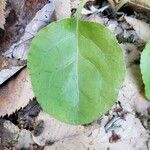
Pyrola elliptica
Wild lily-of-the-valley · Shinleaf · Elliptic Shineleaf · Large-leaved Shine Leaf · Pyrole Elliptique
Description
Source: leafsnapPyrola elliptica, commonly known as the bog wintergreen or elliptic-leaved wintergreen, is a perennial herbaceous plant from the Ericaceae family. Native to North America, it thrives in wetlands, bogs, and coniferous forests, ranging from Alaska to California. This plant can grow up to 30 cm tall and features a basal rosette of evergreen leaves that are elliptical in shape. The leaves are dark green with prominent veins on their underside. The stem carries a raceme of small white or pinkish flowers, which bloom from June through August. Bog wintergreen prefers moist, acidic soil and partial shade. During its blooming period, it serves as an important food source for bees and other pollinators. Indigenous people have used Pyrola elliptica for centuries for its medicinal properties. It has been employed as an anti-inflammatory agent, pain reliever, fever reducer, and treatment for respiratory ailments. Overall, Pyrola elliptica holds significant ecological and medicinal value. Its unique properties make it a valuable subject for botany research and pharmaceutical development.
Care Guide
💧 Water Every 7 days
Waxflower shinleaf, a plant native to temperate forest understoreys, thrives in moist, well-drained soils and dappled sunlight. Water it every 2-3 weeks, carefully balancing between keeping it hydrated and allowing for its drought tolerance. Applying mulch can help retain moisture, promoting healthy growth. This plant flourishes outdoors, where it can experience natural rain and temperature cycles.
How should I water my Waxflower shinleaf plant?
Watering your Waxflower shinleaf plant is not complicated. You have various options for watering tools, such as watering cans, hoses, or cups. Regardless of the tool you choose, make sure to water the soil directly. It's important to moisten all parts of the soil evenly to provide water to the entire root system. Filtered water is preferred over tap water to avoid harmful particles. Additionally, it's best to use water that is at or slightly above room temperature to prevent shocking the plant. However, the Waxflower shinleaf is generally adaptable and does well with any type of water.
What should I do if I give too much or too little water to my Waxflower shinleaf plant?
When it comes to outdoor plants, particularly newly planted ones or seedlings, they are at risk of not getting enough water. Remember to continue watering them sufficiently for a few months while the tree is small or just planted. Once the roots are established, Waxflower shinleaf plants can rely on rain most of the time. When you have Waxflower shinleaf plants in pots, overwatering is a common mistake. If you accidentally overwater your plant, there are steps you can take to fix the situation. First, stop watering the plant immediately to minimize the impact of overwatering. Then, remove the Waxflower shinleaf from its pot to check its roots. If you don't find any signs of root rot, you can place the plant back in its container. However, if you notice signs of root rot, trim away any affected roots and consider using a fungicide to prevent further damage. Finally, repot the Waxflower shinleaf in well-draining soil. On the other hand, underwatering is a more straightforward issue to address. If you don't water the plant enough, its leaves will droop, dry out, and fall off. After providing sufficient water, the leaves will regain their fullness quickly. Make sure to adjust your watering frequency as soon as you notice underwatering.
How much should I water my Waxflower shinleaf?
To ensure the healthy growth of your outdoor plants, it is important to consider the availability of rainfall in your area. If your area has limited rainfall, you should provide sufficient watering every 2 weeks in the spring and fall. During the summer, more frequent watering is needed, while in winter, when plants require less water, you should water them sparingly or not at all. For young or newly planted Waxflower shinleaf plants, it is beneficial to water them more frequently to aid in their establishment and future adaptability to drought conditions. When it comes to potted Waxflower shinleaf plants, there are two main approaches for determining the watering frequency. Firstly, you can set a predetermined watering schedule of once per week or every other week. However, this method may not account for the specific conditions of your plant's growing environment. Another option is to assess the soil moisture and adjust the watering frequency accordingly. It is generally recommended to wait until the top two to four inches of soil have completely dried out before watering again. Keep in mind that the watering frequency may need to be increased during the summer, as this is when the plant's water demand is highest. Overall, by adapting your watering routine to the specific needs of your Waxflower shinleaf, you can ensure optimal growth and health.
How much water does my Waxflower shinleaf plant need?
Watering your Waxflower shinleaf may not require a lot of water. If only a few inches of soil have dried since the last watering, you can give it about five to ten ounces of water. You can also determine the water volume based on the moisture in the soil. Keep track of how many inches of soil have dried out between waterings. To ensure the plant gets enough moisture, water until all the dry soil layers are moistened. If more than half of the soil is dry, you should give more water until you see excess water draining from the pot's drainage holes. If your Waxflower shinleaf is in an area with plenty of rain, it may not need extra watering. When it's young or newly planted, give it 1-2 inches of rain per week. As it grows, it can rely on rainwater, only requiring additional watering during extended periods of hot weather without rainfall for 2-3 weeks to avoid stress.
How do I know if I am giving enough water to my Waxflower shinleaf plant?
The Waxflower shinleaf is often overwatered, which can be identified by yellowing leaves, leaf dropping, shriveled structure, and potential root rot. Conversely, an underwatered Waxflower shinleaf will wilt, have brown or brittle leaves. If either overwatering or underwatering is noticed, it is important to take action to restore the plant's health.
☀️ Light Partial sun
Waxflower shinleaf grows well in locations with filtered light, which supports its vigorous growth. Although its original habitat is forest floors, it can also do well in places with reduced light. However, too much sun or too little light can harm the plant's health and growth.
What are the sunlight requirements for Waxflower shinleaf?
Waxflower shinleaf requires partial sun, meaning it thrives best with about 3-6 hours of sunlight. It can also grow in full shade areas, where it receives less than 3 hours of sunlight daily. It's essential to watch how sunlight moves through your garden to choose spots that provide the right balance of light and shade for your plants, ensuring their happiness and health.
How should Waxflower shinleaf be cared for in terms of lighting?
Waxflower shinleaf thrives sufficiently in areas with filtered light, similar to its native habitat on forest floors. It can flourish in both sunny and less sunny areas but must avoid overexposure to sunlight or excessive shade, which can harm its growth. For indoor plants, adequate lighting is crucial, especially when natural sunlight is insufficient. Artificial lights, especially LEDs, can be used to provide the necessary light spectrum. Full sun plants require 30-50W/sq ft, partial sun plants 20-30W/sq ft, and full shade plants 10-20W/sq ft of artificial light. Place the light source 12-36 inches above the plant, and mimic natural daylight hours, providing 8-12 hours of light per day.
What symptoms indicate insufficient or excessive light exposure in Waxflower shinleaf?
Symptoms of insufficient light in Waxflower shinleaf include smaller new leaves, leggy or sparse growth, faster leaf drop, slower or no new growth, and lighter-colored new leaves. Excessive sunlight can cause chlorosis (leaves turning yellow), sunscald (pale or damaged areas on leaves), leaf curling, wilting, and leaf scorching (brown, dry edges on leaves). These symptoms indicate the plant's struggle with its light environment, whether it's too little or too much light.
What solutions can help Waxflower shinleaf adapt to its light environment?
For indoor Waxflower shinleaf, gradually shift the plant to sunnier spots each week until it receives 3-6 hours of direct sunlight daily for optimal growth. Use artificial light, like desk or ceiling lamps for at least 8 hours daily, or invest in professional plant grow lights if the plant is large or not easily movable. Outdoors, move your plants gradually to sunnier locations to prevent sunburn. For ground plants, reduce obstructions by pruning trees or transplanting smaller plants to sunnier spots during their dormant period. Note that parts of the plant already affected by incorrect light exposure may not recover, but new growth will be healthy with proper light.
🌡️ Temperature 0–32.2°C
Waxflower shinleaf is native to temperate regions and prefers temperatures from 32 to 90 °F (0 to 32 ℃). In cold winters, consider creating micro-climates or providing frost protection. In high summer temperatures, plenty of shade is recommended.
What is the ideal climate for Waxflower shinleaf?
Waxflower shinleaf (Pyrola elliptica) thrives in temperate climates, with a preference for temperatures ranging from 32 to 90 °F (0 to 32 °C). It's highly cold-tolerant, capable of withstanding low winter temperatures without needing additional frost protection. However, to prepare for winter, it's advisable to water the plant generously before the first freeze, ensuring the soil remains moist and enters a frozen state to prevent drought. During high summer temperatures, providing ample shade is beneficial to protect the plant.
How does Waxflower shinleaf react to low temperatures?
Despite its high tolerance for cold, Waxflower shinleaf should not be exposed to temperatures below -35°C. While it might not show immediate damage during winter, such low temperatures can cause the branches to become brittle and dry. When spring arrives, these damaged branches may not produce new shoots. To manage this, prune away any dead branches in the spring to encourage healthy growth.
What should I do if Waxflower shinleaf experiences high temperatures?
Waxflower shinleaf is sensitive to high temperatures, especially when the mercury rises above 32°C. In such conditions, the plant may suffer significant leaf drop, and in extreme cases, it could wither and die. To protect and revive the plant, trim away any sunburned and dried parts. Relocating the plant to a shadier spot or using a shade cloth to shield it from intense midday and afternoon sun can be effective. Ensure the soil remains moist by watering the plant in the morning and evening.
💨 Humidity
🪴 Soil 5-6
🌱 Fertilizer
Timing is critical for fertilizing Waxflower shinleaf. Begin in early spring and continue monthly until early summer. Fertilizer encourages attractive blooms and supplies energy during both dormant periods and active growth.
🪴 Pot & Repot
✂️ Pruning
Pruning waxflower shinleaf in the winter promotes its health and improves its shape. Start by removing any dead stems and thinning out crowded areas to enhance air circulation. This not only keeps the plant looking beautiful, but it also helps ensure its long life.
🌿 Propagating
🐛 Diseases & pets
☠️ Toxicity
Characteristics
- Plant Type
- Shrub
- Life Cycle
- Perennial
- Genus
- Pyrola
- Family
- Ericaceae
- Hardiness Zone
- 3-7
- Mature Height
- 13 cm to 25 cm
- Mature Spread
- 30 cm
- Leaf Color
- Green
- Leaf Type
- Evergreen
- Flower Color
- White, Yellow, Green, Gold
- Flower Size
- 2.54 cm
- Bloom Time
- Early summer, Mid summer
- Planting Time
- Spring, Summer
- Harvest Time
- Late summer, Early fall, Mid fall