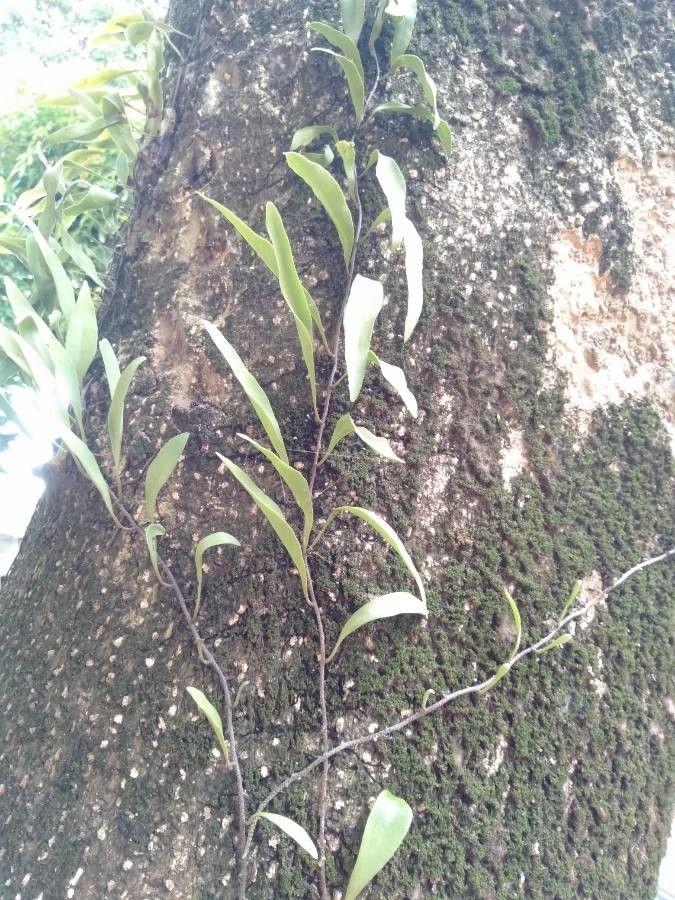
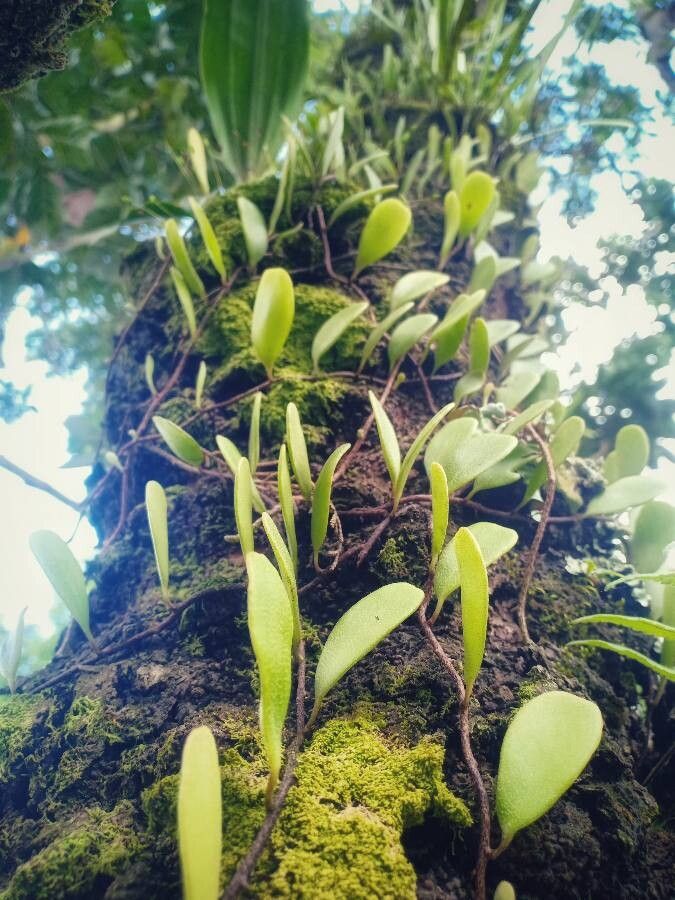
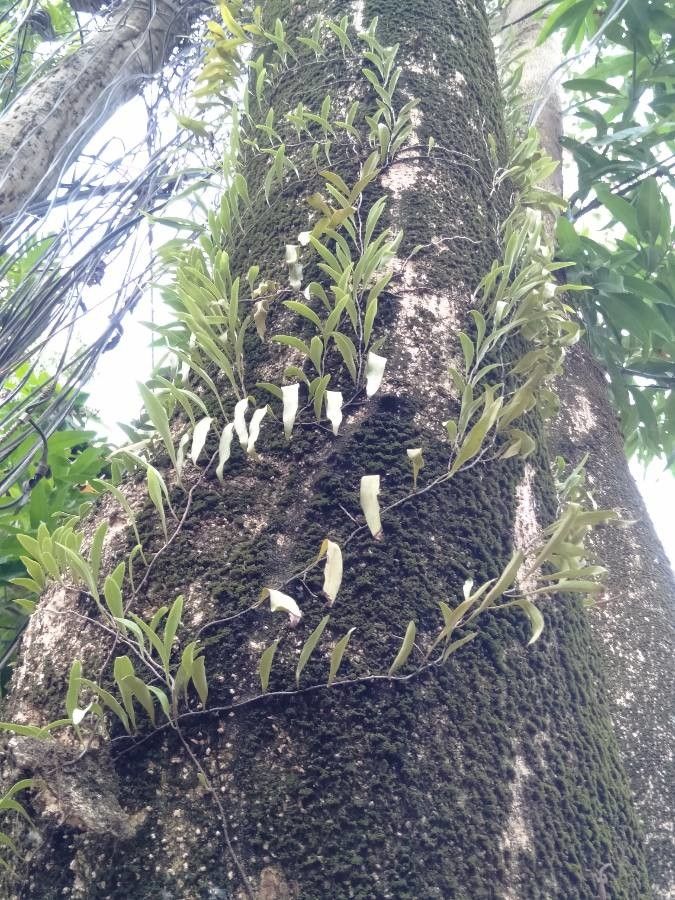
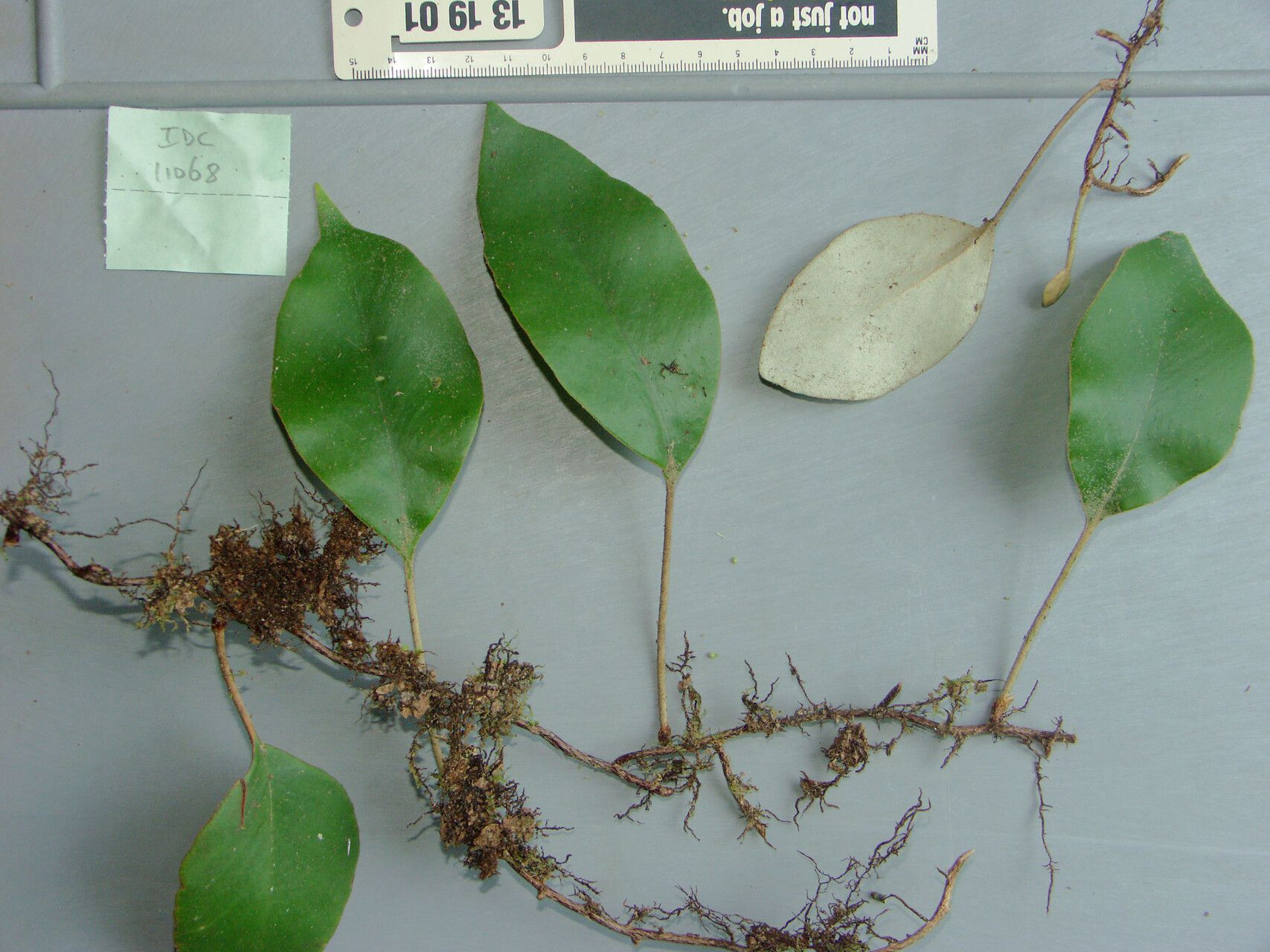
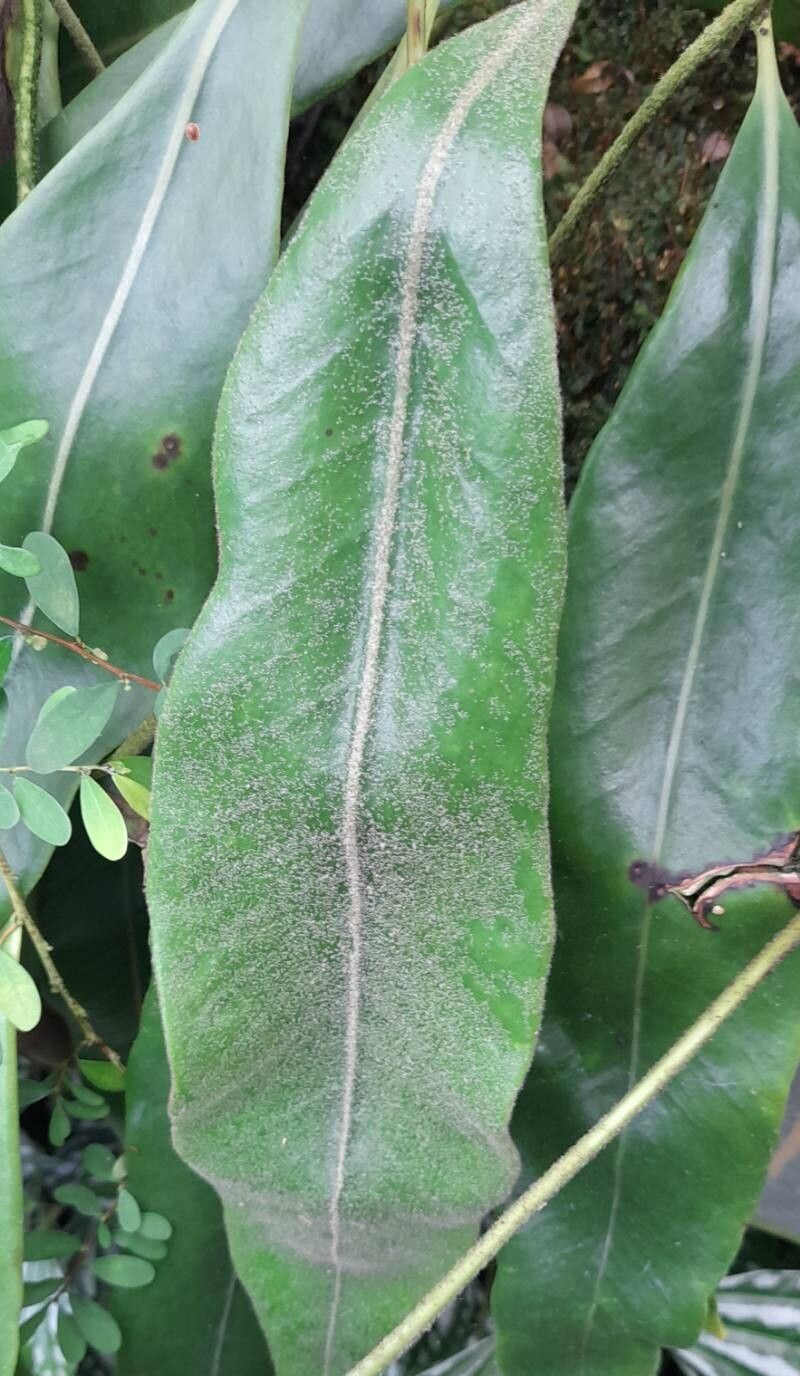
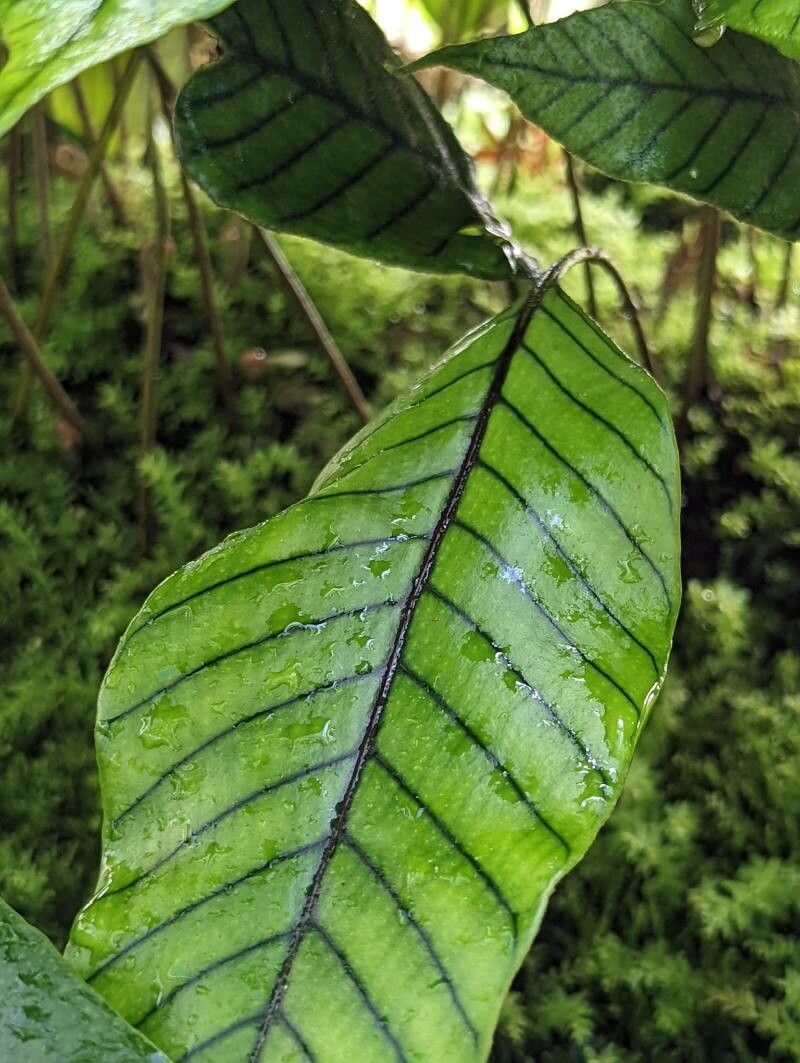
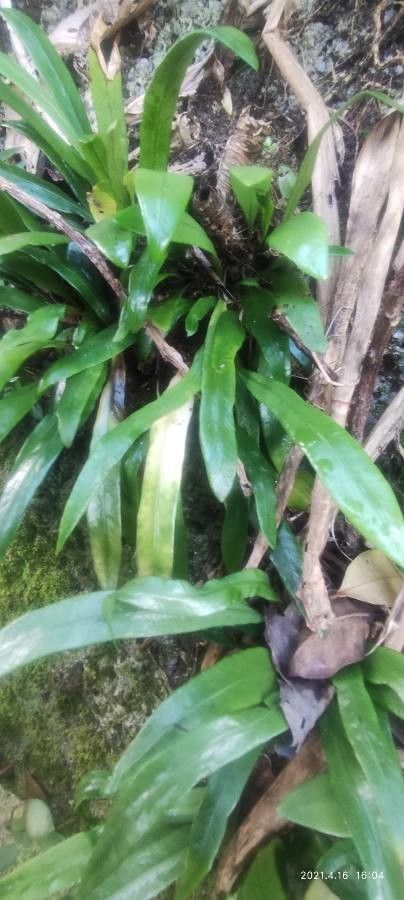
Tongue-fern typically has strong resistance to disease and is affected by relatively few insect pests. Its care is regarded as difficult because it needs a moist environment and frequent watering. However, the roots are prone to rotting if they are overwatered or if the surroundings are not well ventilated. Tongue-fern is appropriate for people with some growing experience, since most people can keep it alive for a certain amount of time. Nevertheless, it may have difficulty thriving and its leaves can dry out and become less healthy over time.
How to keep Pyrrosia Adnascens.
Light
Tongue-fern is native to habitats such as forest understories or rocky areas that provide natural shade. It prefers Full Shade, though it can tolerate Partial Sun.
Water
The tongue fern thrives in consistently moist conditions and benefits from watering twice a week to maintain evenly moist soil. It is typically grown indoors to control humidity, ensuring its water needs are consistently met throughout the year. This helps promote lush foliage and overall vitality in the evergreen plant.
Temperature
Tongue-fern comes from tropical areas, where the climate is usually warm and humid. Consequently, it is well suited to high temperatures and moisture. It does not tolerate sudden temperature shifts and prefers a steady thermal environment, so avoiding temperature fluctuations indoors is important. It typically cannot withstand cold and needs warmer conditions to grow; if the temperature falls too low, the plant may stop growing or even die.
Pruning
The tongue-fern has leathery, tongue-shaped fronds and thrives with minimal pruning. To encourage new growth and remove damaged fronds, it's best to trim this plant in early spring. Use clean, sharp scissors for the task, making sure not to cut too close to the base. Regular pruning helps improve air circulation and keeps the plant looking its best.
Botanical profile.
- Plant Type
- Fern
- Life Cycle
- Perennial
- Genus
- Pyrrosia
- Family
- Polypodiaceae
- Hardiness Zone
- 10-12
- Mature Height
- 5 cm to 11 cm
- Mature Spread
- 49 cm to 91 cm
- Leaf Color
- Yellow, Red, Green
- Leaf Type
- Evergreen
- Planting Time
- Summer, Autumn
- Native Area
- Nepal, India, Indonesia, Cambodia, Vietnam, Philippines, Bangladesh, Laos, Thailand, China
Reader questions.
What are the sunlight requirements for Tongue-fern?
Tongue-fern, known botanically as Pyrrosia adnascens, thrives best in environments that mimic its natural habitat, such as forest understories or rocky areas, which provide natural shade. Its preferred condition is Full Shade, meaning it should receive less than 3 hours of sunlight daily. However, it can tolerate Partial Sun conditions, which means about 3-6 hours of sunlight a day. It's important to observe how sunlight moves through your garden to find the perfect balance of light and shade for your plants, ensuring their happiness and health.
How to provide adequate lighting for indoor Tongue-fern plants?
Indoor Tongue-fern plants require adequate lighting for optimal growth, especially when natural sunlight is insufficient, such as in winter or in less sunny spaces. Artificial lights can be a vital solution for promoting faster, healthier growth. LED lights are a recommended option because they can be customized to provide specific wavelengths of light needed by your plants. For Full Sun plants, 30-50W/sq ft of artificial light is needed, for Partial Sun plants, 20-30W/sq ft, and for Full Shade plants, 10-20W/sq ft. The light source should be placed 12-36 inches above the plant to mimic natural sunlight, and most plants need 8-12 hours of light per day.
What are the symptoms of light deficiency in Tongue-fern?
Tongue-fern can tolerate low light but showing signs of light deficiency affects its growth and health. Symptoms include smaller new leaves compared to mature ones, leggy or sparse growth as the space between leaves or stems elongates, faster leaf drop as the plant conserves resources, slower or halted new growth indicating survival mode, and lighter-colored new leaves signifying insufficient chlorophyll. Chlorosis, or yellowing of leaves due to chlorophyll breakdown from excessive sunlight; sunscald, manifesting as pale, bleached areas; leaf curling as a defense against extreme sunlight; wilting from excessive water loss; and leaf scorching characterized by brown, crispy leaf edges are all signs of light stress.
How to address sunlight-related issues for Tongue-ferns?
To optimize Tongue-fern growth in relation to sunlight, gradually acclimate them to sunnier spots by shifting their location each week until they receive the requisite 3-6 hours of direct sunlight for Partial Sun or use artificial lighting if moving the plant isn't feasible. If you have outdoor plants, avoid sudden changes in light intensity to prevent sunburn. Indoors, use a desk or ceiling lamp on for at least 8 hours daily or invest in professional plant grow lights. For plants in the ground, reduce sunlight obstructions by pruning trees or transplanting the plant to a sunnier location with good drainage, especially during its dormant period in late winter or early spring. Note that parts of the plant damaged by insufficient light may not recover, but new growth will be healthy with adequate light exposure.