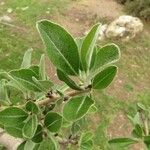
Pyrus spinosa
Άγριογκορτσιά (Agriogortsia) · Almond-leaf pear · Almond-leaved Pear · Almond pear · Almond-shaped pear
Description
Source: leafsnapPyrus spinosa, commonly known as the wild pear or prickly pear, is a deciduous tree belonging to the Rosaceae family. Native to Europe and Asia, it can grow up to 10 meters tall. The tree features a dense crown and thorny branches that bear oval-shaped leaves with serrated edges. In early spring, Pyrus spinosa produces small white flowers, which are followed by small green fruits. These fruits ripen into yellow or brownish pears by late summer. While edible, the fruits have a sour taste and a gritty texture. The wild pear tree prefers well-drained soils and can thrive in both full sun and partial shade. It is commonly found in woodlands, hedgerows, and scrublands across its native range. In traditional medicine, various parts of the Pyrus spinosa plant have been used for their medicinal properties, such as treating digestive disorders like diarrhea and constipation. Additionally, its wood is prized for its hardness and has been used in furniture making. Overall, Pyrus spinosa is a fascinating plant species with unique characteristics. It plays an important role in various ecosystems across Europe and Asia, while also offering some medicinal benefits to humans.
💡 According to legend, a beautiful woman inspired an entire village to plant pear trees across a mountain to sustain their livelihoods. Enchanted by her beauty, a god attempted to seduce her, but she refused his advances. In retaliation, the god caused a drought, and the pear trees began to wither. Desperate and with no other options, the woman chose to end her life beneath the pear trees. To everyone's astonishment, the moment she died, the pear trees blossomed in the wind.
Care Guide
💧 Water Every 7 days
The almond-leaved pear, which originates from arid regions, thrives with minimal moisture and typically requires watering every 2 to 3 weeks. In temperate zones, it benefits from natural rainfall, but additional irrigation may be needed during extended dry periods. During its dormant phase, when the tree sheds its leaves, its water needs may decrease.
How should I water my Almond-leaved pear tree in the best way?
To promote excellent root development, it is recommended to place a garden hose at the base of the plant. Avoid spraying the leaves directly and keep in mind that outdoor plants exposed to direct sunlight may need more watering for their leaves. You can also use bubblers or soaker hoses to keep the plant roots moist. When adding or removing plants, use soaker hoses to ensure deep root penetration throughout the garden or bed. After watering, make sure to drain any excess water and allow the soil to dry before watering again. To prevent diseases, it is best to water at ground level. On a sunny day, it may be beneficial to spray the entire bush with water. Whether the plant is in a pot or in the ground, it is important to remember that the Almond-leaved pear prefers deep watering rather than light sprinkling.
What should I do if I give the Almond-leaved pear tree too much or too little water?
An overwatered Almond-leaved pear can show several signs of stress. Its leaves may turn yellow, drop off, and wilt, while the overall appearance of the plant can become dull and unhealthy. Mushy stems are also a possible indication of overwatering. When these signs appear, it is best to adjust your watering schedule accordingly. It is worth noting that wilting can also be a sign of under watering, characterized by crispy and dry leaves. In such cases, if the soil is dry and simply watering is not sufficient, a thorough watering should be given in a timely manner. Although sufficient water will help the Almond-leaved pear recover, the damaged root system may cause the plant to continue looking dry with yellow leaves for a few days. Once the plant returns to normal, the yellowing of leaves should cease. When keeping the Almond-leaved pear indoors, it is important to regularly check the moisture levels in the pot and avoid overwatering. If black spots are present, allow the soil to dry out by refraining from watering for a few days. Overwatering can lead to root rot, so if you notice discolored and slimy roots, consider transferring the plant to a different pot. It is crucial to prevent root rot by ensuring the soil does not become excessively soggy. When planting the Almond-leaved pear outdoors, dig a little deeper and check the moisture of the soil with your fingers. If the soil feels too dry, it may indicate underwatering. Adequate watering is necessary for the plant to recover in such cases.
How much should I water my Almond-leaved pear?
The Almond-leaved pear prefers deep and infrequent watering. If planted in pots, it's important to soak them with a gallon of water each time, as the limited water storage in pots causes the soil to dry out faster. In colder regions, watering is necessary every 3 to 5 days. Watering should be done early in the morning when the soil is dry, whether the plant is indoors or outdoors. A good way to determine if watering is needed is by checking the soil; if the top 2-3 inches are dry, it's time for a full watering. During hot days, it's advised to check moisture levels daily, as the heat can quickly dry out the soil in pots. For plants in a garden, irrigation of the soil is necessary. In hot climates, watering once a week is sufficient. Again, check the soil to see if the top 2-3 inches are too dry before watering. Take into account rainfall when deciding whether additional watering is needed to avoid root rot. Almond-leaved pear plants typically grow in spring and fall. Adding mulch about 3 to 4 inches deep when they are outdoors can help conserve water. Sandy soil requires more frequent watering as it drains faster. On the other hand, clay soil requires less frequent watering, usually every 2-3 days to allow the plant to dry out and prevent root rot. Keeping a calendar to mark watering dates is helpful, especially if the leaves start to droop, indicating that watering may be needed.
How much water should I give my Almond-leaved pear?
The Almond-leaved pear usually needs a gallon of water on a regular basis. For potted plants, water them deeply until water starts dripping from the bottom of the pot. Then, wait for the soil to dry before watering again. You can use a water calculator or moisture meter to measure the amount of water you give your plant each week. During the flowering period, provide plenty of water but allow the moisture to evaporate afterwards to avoid root rot. If the Almond-leaved pear is planted outdoors and receives enough rainfall, it may not need extra watering. When the pear tree is young or recently planted, it should receive 1-2 inches of rain per week. As the tree grows, it can rely solely on rainfall. However, during very hot weather or if there is no rainfall for 2-3 weeks, water the tree thoroughly during cooler times of the day to protect it from heat damage. Additional watering will be necessary during prolonged dry spells.
Do I need to water my Almond-leaved pear more or less depending on the season or climate?
The Almond-leaved pear thrives outdoors with rainwater, but during dry spells, you may need to water it. In spring and fall, keep the soil moist but not saturated. Alternating between dry and moist conditions helps the pear tree grow. In hot summers without much rain, you'll need to water more frequently to maintain soil moisture. During winter, the pear tree requires less water as it goes dormant. Use a well-draining soil mixture such as terracotta to help water evaporate faster. Once the pear tree starts producing leaves and goes dormant, you can rely on fall and winter rain for its water needs. After winter, provide water to stimulate growth and flowering when the temperature rises. Good drainage is crucial for the pear tree, especially during winter, as it dislikes stagnant water. If you're growing it in a pot, ensure sufficient watering since its root growth is limited. Avoid shallow sprinkling that only wets the leaves, as it encourages fungal growth and doesn't reach the roots. Even when dormant, do not let the pear tree completely dry out in fall or winter. Excessive water accumulation can harm the tree, so make sure the soil drains well. Applying mulch helps reduce stress, conserve water, and promote healthy blooms.
☀️ Light Full sun
Almond-leaved pear favors abundant sunlight but can also tolerate moderate light levels similar to those in its native environment. A little shade is acceptable but may limit healthy growth, leading to reduced flowering and fruiting. On the other hand, excessive sun exposure can cause leaf scorch.
What are the sunlight requirements for Almond-leaved pear plants?
Almond-leaved pear plants flourish best in areas that receive full sun, which is defined as more than 6 hours of sunlight daily. They can also thrive in partial sun, receiving about 3 to 6 hours of sunlight. It's essential to watch how sunlight moves through your garden to find spots that offer a perfect balance of light and shade, ensuring your plants' health and happiness.
Can Almond-leaved pear tolerate shade, and what are the consequences of insufficient sunlight?
Almond-leaved pear prefers ample sun exposure but can endure moderate sunlight, akin to its natural habitat. Minor shade is tolerated but may result in poor flowering and fruiting due to hampered growth. In contrasts, excessive sun exposure can lead to leaf scorching. Indoor plants might require artificial lighting to thrive, especially when natural sunlight is insufficient. Choosing the right type of light, like LED, and ensuring it's adequately placed and timed can promote healthier growth.
What symptoms indicate an Almond-leaved pear is receiving too little or too much light?
Symptoms of insufficient light for Almond-leaved pear include smaller new leaves, leggy or sparse growth, early leaf drop, delayed or ceased growth, lighter-colored new leaves, and symptoms of overexposure like chlorosis, sunscald, leaf curling, wilting, and leaf scorching. These symptoms help indicate if the plant needs more sunlight or is suffering from too much exposure.
How can I address light issues for both indoor and outdoor Almond-leaved pear plants?
For indoor plants, gradually increase their sunlight exposure to at least 6 hours daily by moving them closer to a south-facing window or using artificial light for at least 8 hours a day. Outdoor plants should also be gradually moved to sunnier spots to avoid sunburn. Pruning or transplanting may be necessary to ensure they receive enough sunlight. Note that parts of the plant damaged by insufficient light may not recover, but new growth should be healthy with proper light adjustments.
🌡️ Temperature 10–25°C
The almond-leaved pear is native to temperate regions and grows best in temperatures of 50 to 77 °F (10 to 25 °C). It is essential to protect this plant from extreme conditions, particularly winter frosts and summer heat.
What is the native environment of the Almond-leaved pear?
The Almond-leaved pear, botanically known as Pyrus spinosa, is native to temperate regions. It thrives in environments where the temperature ranges from 50 to 77 °F (10 to 25 °C). This plant is highly adaptable to varying temperatures within this range but requires protection from the extreme conditions of winter frosts and summer heat to remain healthy.
How does the Almond-leaved pear handle cold temperatures?
The Almond-leaved pear is highly cold-tolerant and does not require additional frost protection measures during the winter. However, to help it through the colder months, it is recommended to water the plant generously just before the first freeze of autumn. This ensures the soil is moist when it enters a frozen state, which helps prevent drought and water scarcity for the plant during winter and early spring.
What happens to the Almond-leaved pear in extremely low temperatures?
In extremely low temperatures below -25°C, the Almond-leaved pear remains cold-tolerant with no noticeable changes during the winter. However, come spring, the branches may become brittle, dry, and fail to produce new shoots due to the harsh winter. The recommended solution is to prune away any dead branches that have failed to produce new leaves in the spring.
How does the Almond-leaved pear react to high temperatures?
The Almond-leaved pear is not tolerant of high temperatures. Exposure to temperatures above 25°C can lead to significant leaf drop, and in severe cases, it may result in the plant withering and dying. To mitigate damage from high temperatures, it's advisable to trim away the sunburned and dried-up parts of the plant, move it to a location with shade during the midday and afternoon sun, or use a shade cloth to create shade. Additionally, watering the plant in the morning and evening to keep the soil moist can help prevent heat stress.
💨 Humidity
🪴 Soil 6-7
🌱 Fertilizer
Applying fertilizer at the right time is important for the Almond-leaved pear. Begin fertilizing in early spring and continue once a month until early summer. Fertilizer encourages attractive blooms and supplies energy during both dormant and active growth phases.
🪴 Pot & Repot
✂️ Pruning
For optimal growth, prune almond-leaved pear trees in early spring. Focus on removing dead or diseased wood, thinning branches to improve air circulation, and shaping the tree for aesthetic purposes. This practice encourages healthy new growth, increases fruit yield, boosts the tree's overall vitality, and helps prevent disease.
🌿 Propagating
🐛 Diseases & pets
☠️ Toxicity
Characteristics
- Plant Type
- Tree, Shrub
- Life Cycle
- Perennial
- Genus
- Pyrus
- Family
- Rosaceae
- Hardiness Zone
- 6
- Mature Height
- 6.1 m
- Mature Spread
- 2.13 m to 3.96 m
- Leaf Color
- Dark Green, Olive Drab
- Leaf Type
- Deciduous
- Flower Color
- White
- Flower Size
- 2.03 cm to 3.05 cm
- Bloom Time
- Mid spring, Late spring
- Planting Time
- Spring, Summer, Autumn
- Harvest Time
- Late summer, Early fall, Mid fall
- Native Area
- Turkey, Italy, Spain, Serbia, Montenegro, Bulgaria, Albania, Greece, Croatia, Slovenia, France