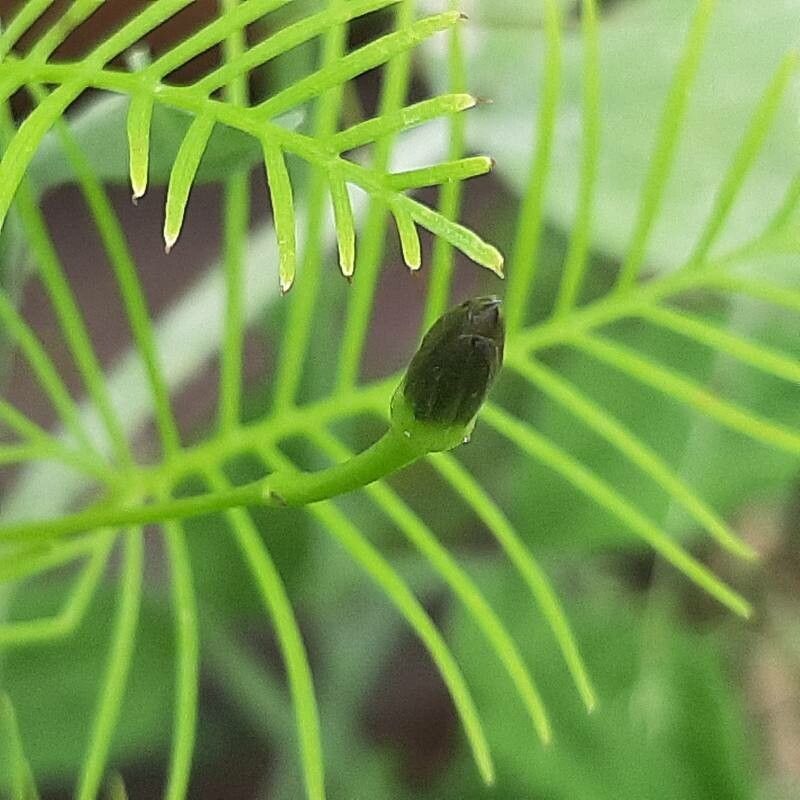
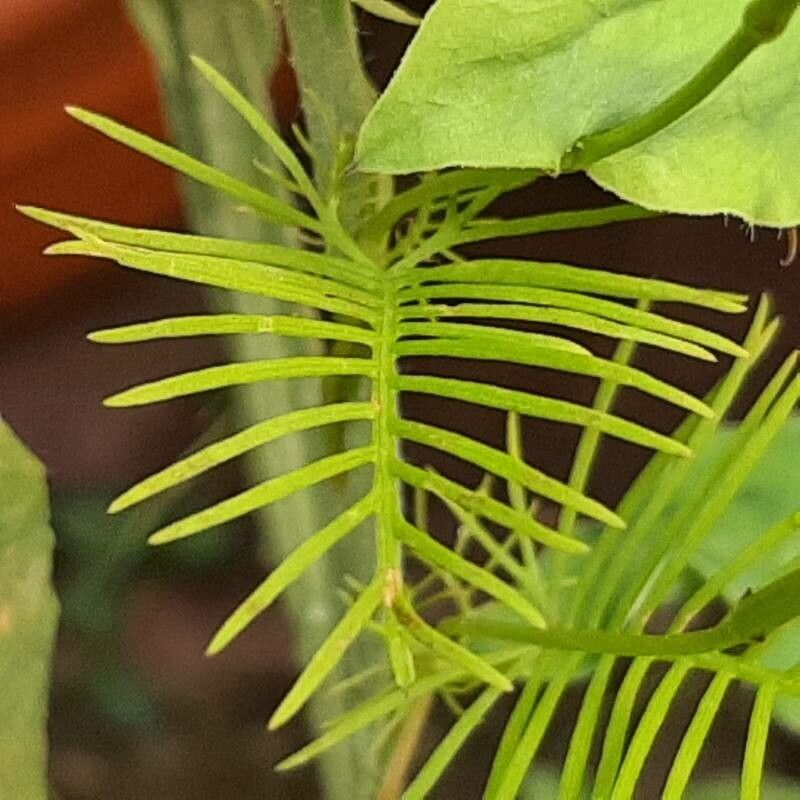
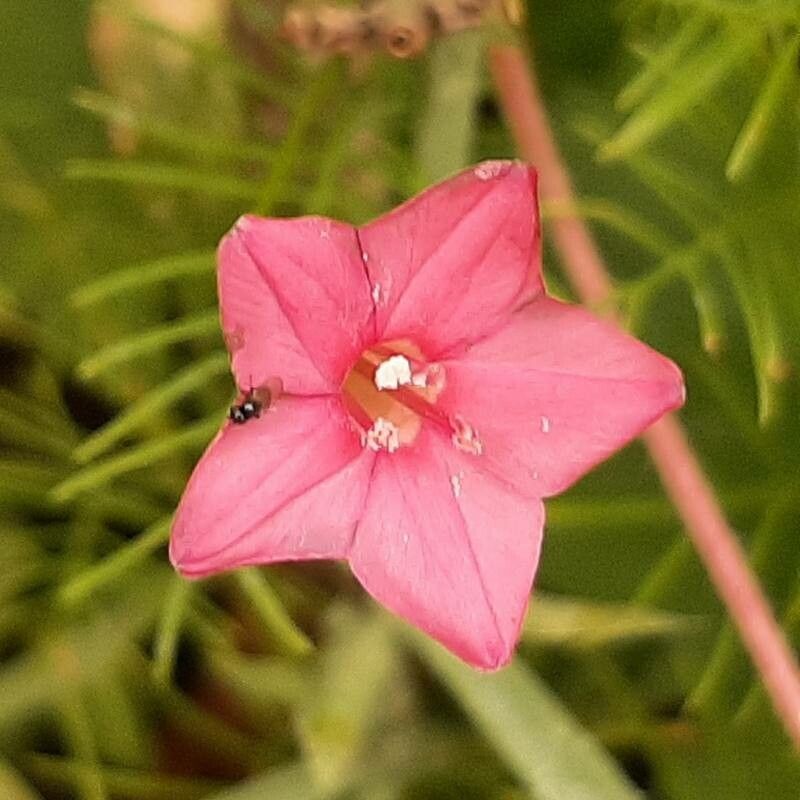
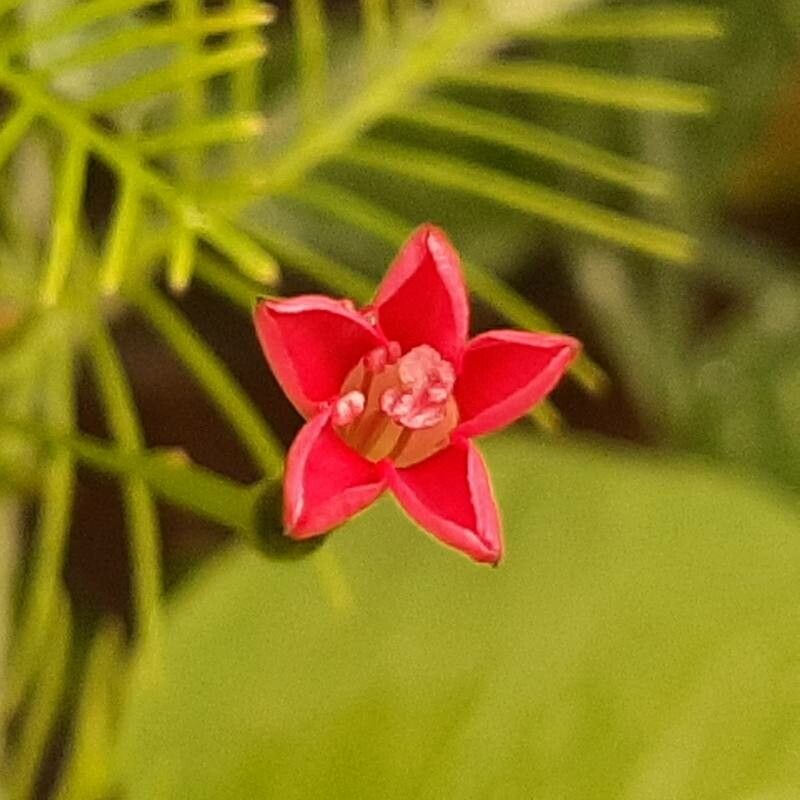
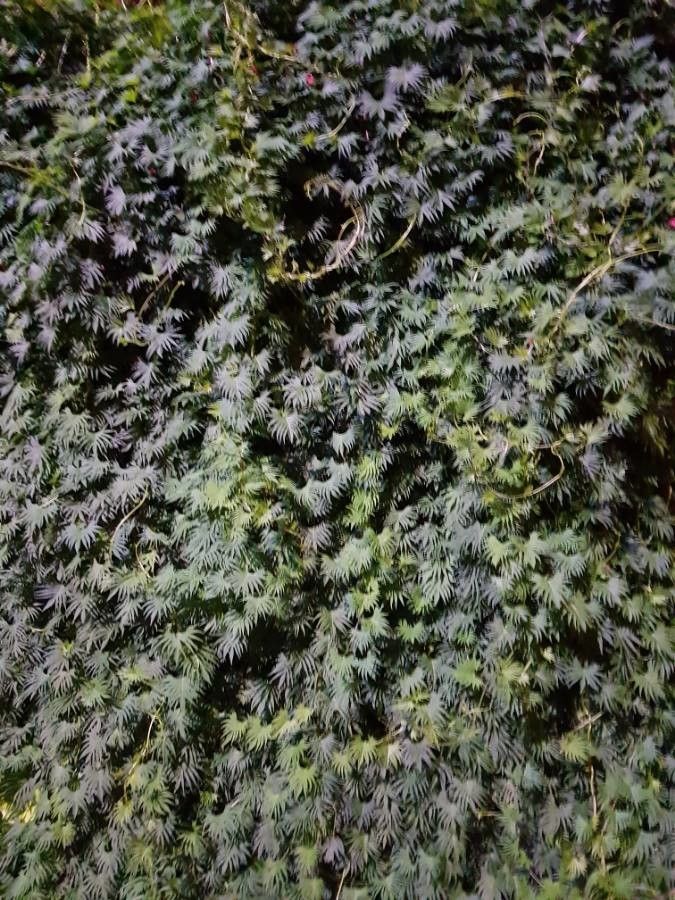
Ipomoea coccinea is a flowering plant in the family Convolvulaceae known by several common names including red morning glory, redstar and (ambiguously) Mexican morning glory. It was first described by Linnaeus in 1753.
Ivy-leaf morning glory is fairly disease-resistant and generally not prone to illnesses. Still, it can be vulnerable to pests and diseases present in its environment. Such infections are typically not severe. Regarding care, this plant needs a moderate level of maintenance. It should be pruned regularly to preserve a neat appearance and encourage healthy growth. Applying fertilizer can also help boost flowering. Ivy-leaf morning glory is suitable for anyone with outdoor space, like a garden or patio, and does not demand extensive gardening experience. It may need more attention when grown indoors.
How to keep Quamoclit Coccinea.
Light
Ivy-leaf morning glory performs best in intense, unobstructed sun for at least six to eight hours each day, which encourages healthy growth and vivid blooms. It developed this need in its native, sunny habitats. Still, it can tolerate occasional, intermittent shade, though growth may slow. Too much shade or excessive sun exposure can harm its health and reduce its longevity.
Temperature
Ivy-leaf morning glory is adapted to warmer climates and does best at temperatures between 68 and 100 °F (20 and 38 ℃). In colder periods, keeping indoor temperatures within that range is recommended for optimal growth.
Fertilizer
Ivy-leaf morning glory does well with regular, diluted fertilizer applications to encourage healthy leaf development. Fertilize Ivy-leaf morning glory about once a month during the summer. Nitrogen is important for foliage, and supplying nitrogen-rich fertilizers helps Ivy-leaf morning glory thrive.
Pot & Repot
When repotting Ivy-leaf morning glory, choose a pot that is 1-2 inches (2.5–5.1 cm) larger in diameter and that provides good drainage. Use a well-draining potting mix and consider adding perlite for extra drainage. Repot in spring or early summer, water thoroughly afterward, and place it in a shady spot at first.
Botanical profile.
- Plant Type
- Vine, Herb
- Life Cycle
- Annual
- Genus
- Quamoclit
- Family
- Convolvulaceae
- Hardiness Zone
- 8-11
- Mature Height
- 2.44 m to 3.05 m
- Mature Spread
- 15 cm to 23 cm
- Leaf Color
- Green
- Leaf Type
- Deciduous
- Flower Color
- Red
- Flower Size
- 2.54 cm to 5.08 cm
- Bloom Time
- Summer
- Planting Time
- Autumn, Winter
- Harvest Time
- Mid summer, Late summer, Early fall
- Native Area
- Belize, Honduras, Mexico, Guatemala, Peru, Dominican Republic, Panama, Jamaica, Colombia, Bahamas, Cuba, Paraguay, Argentina, Haiti, Bolivia, Venezuela, Brazil, Guyana, El Salvador, Nicaragua, Ecuador, Suriname, Costa Rica
Other names.