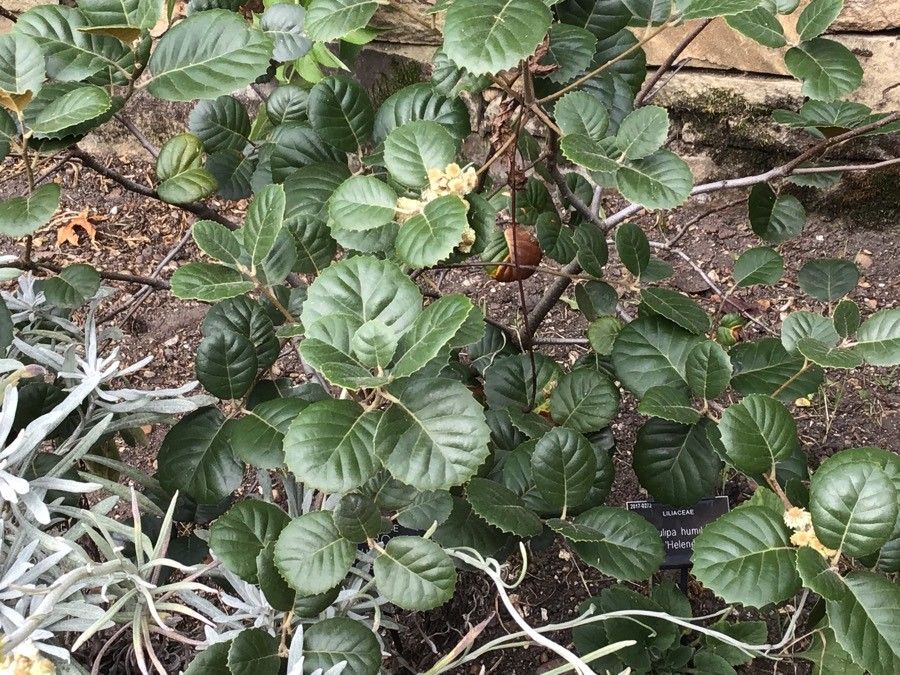
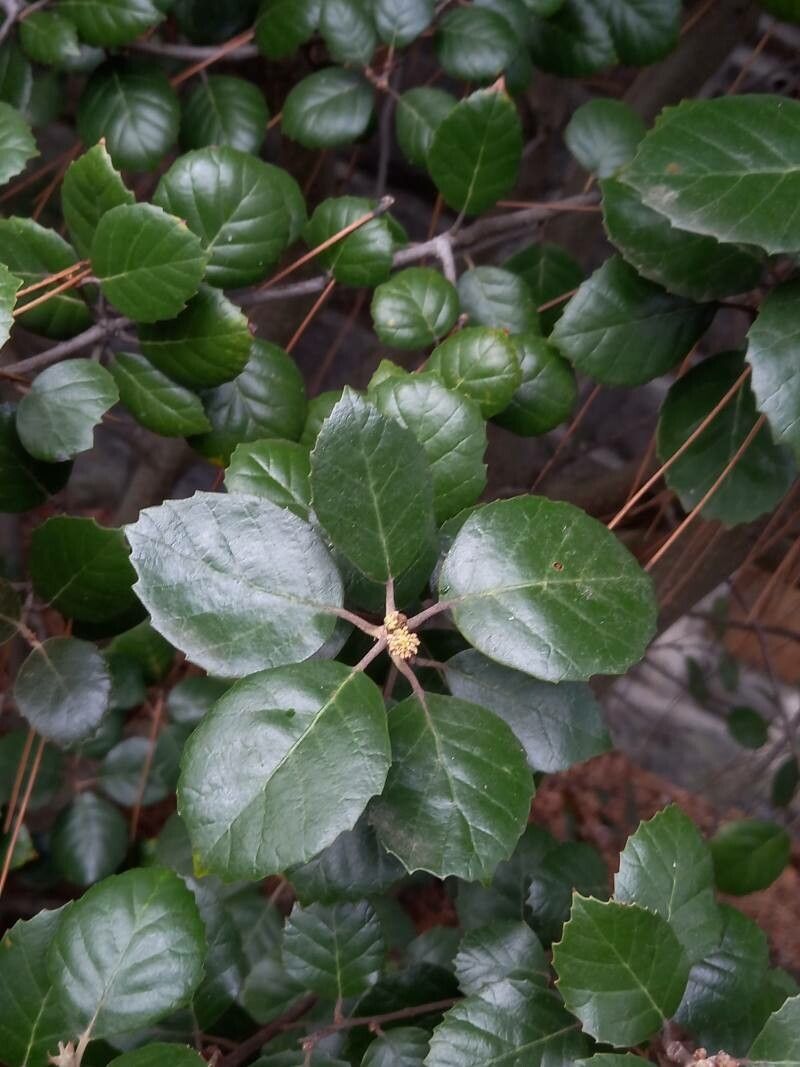
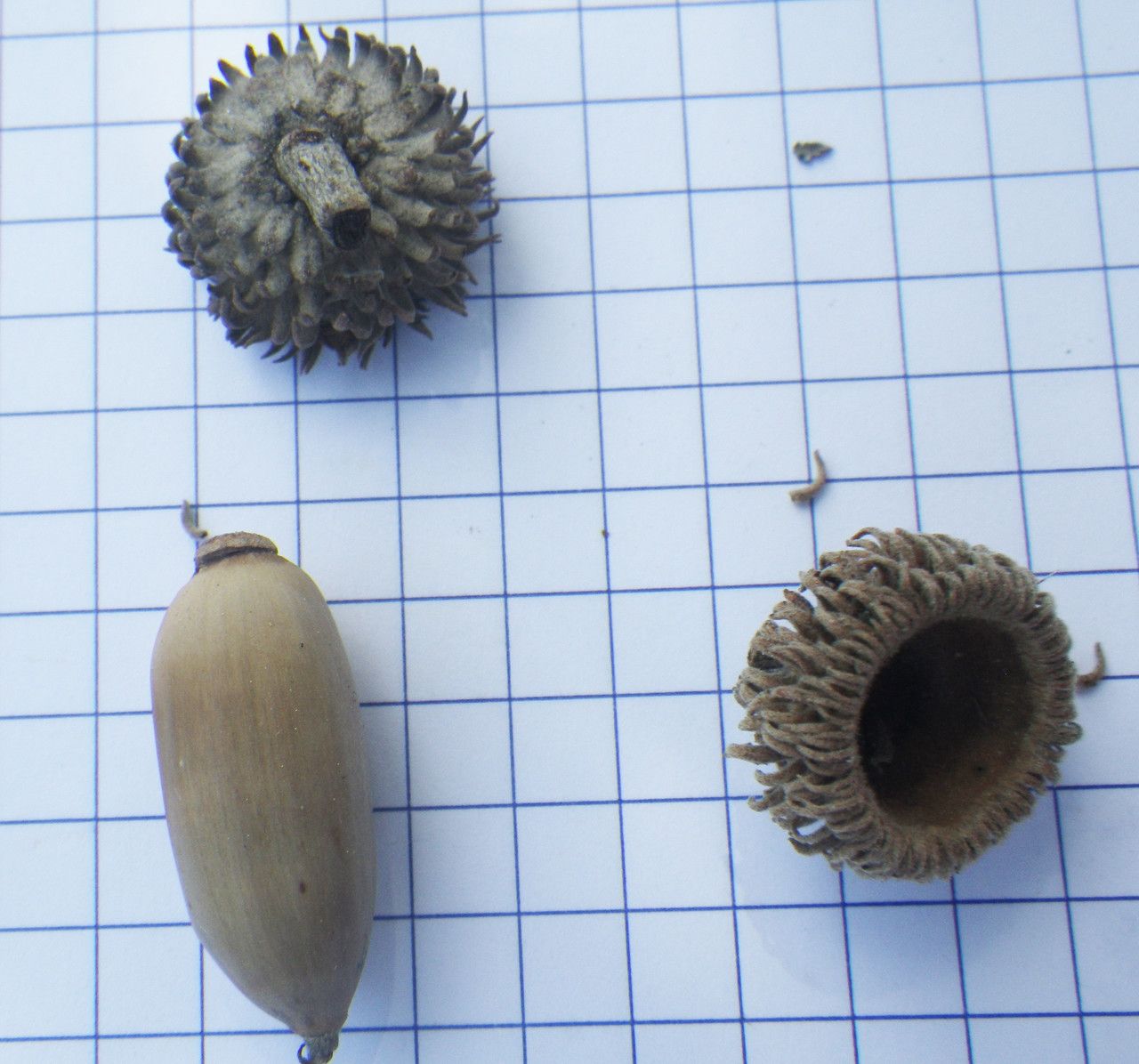
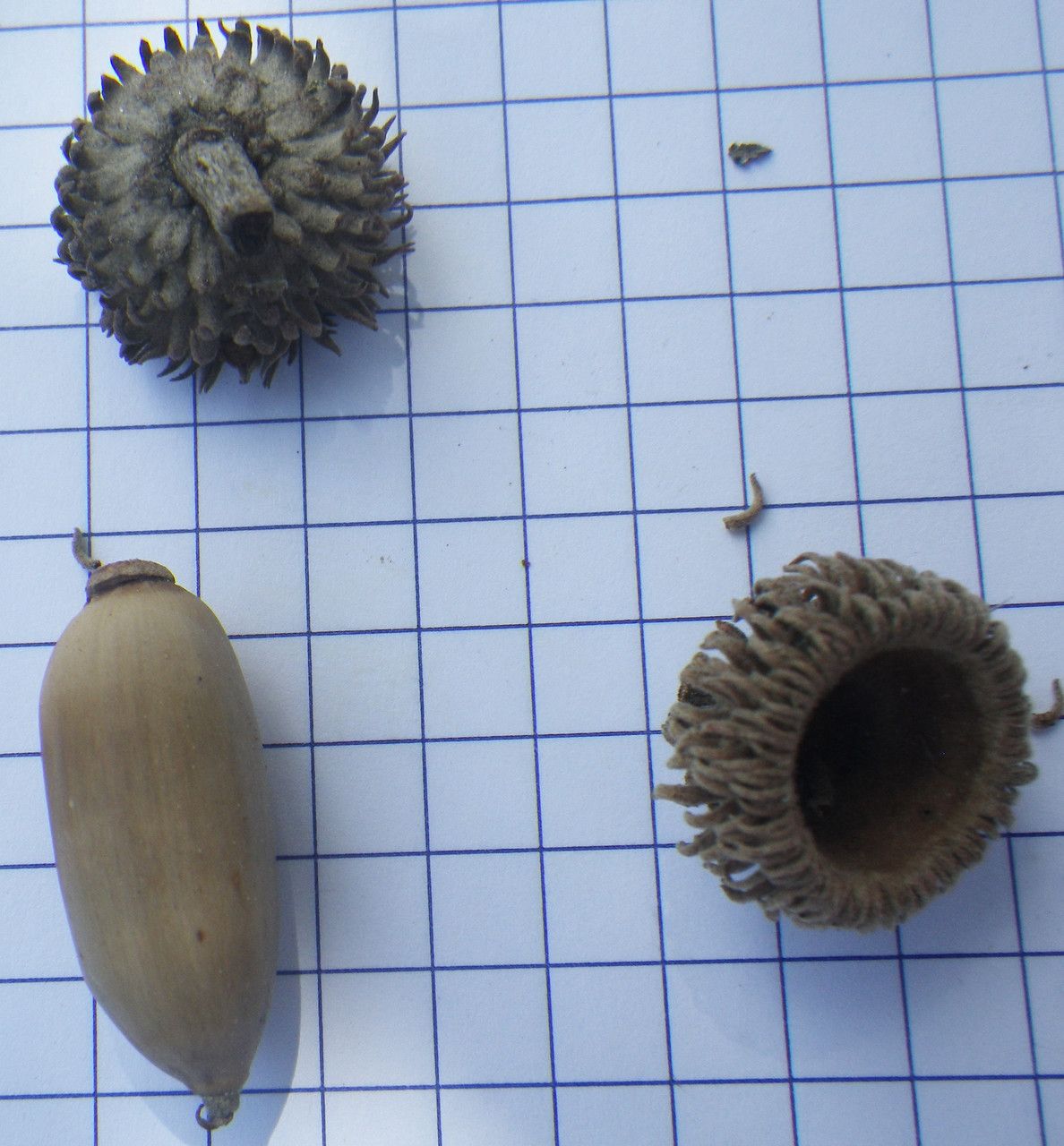
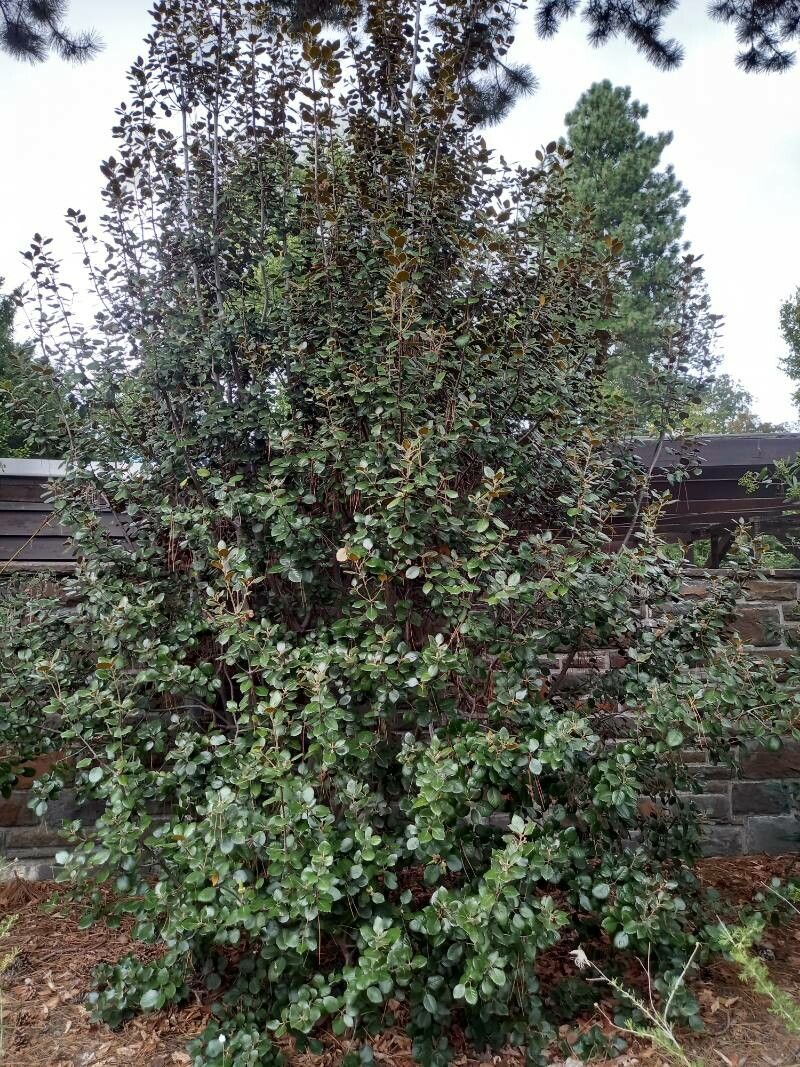
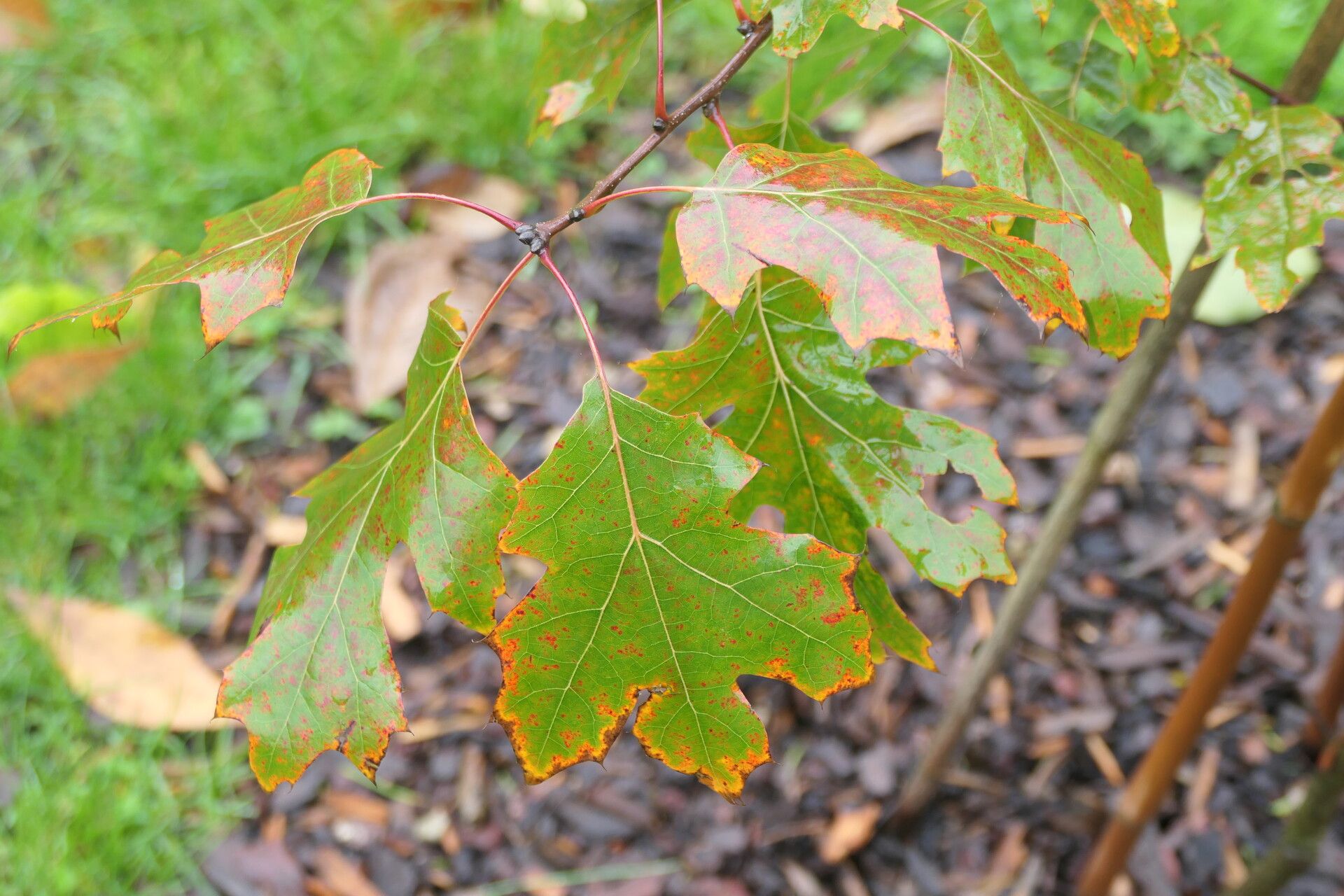
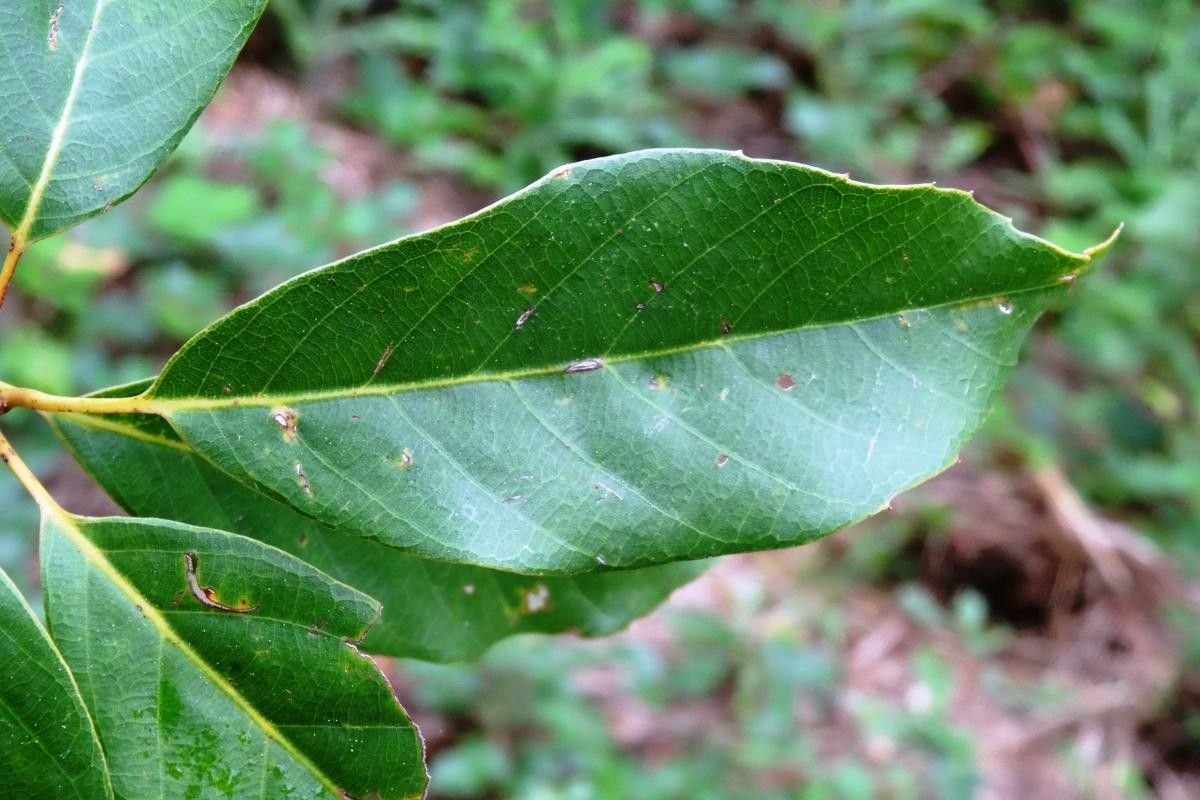
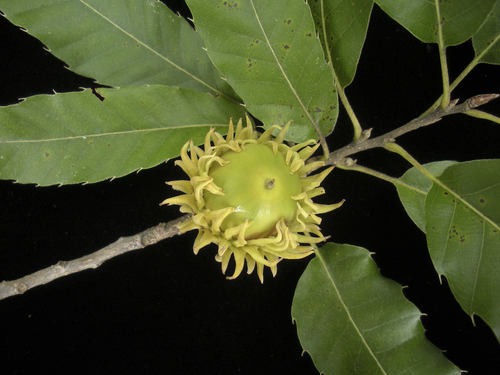
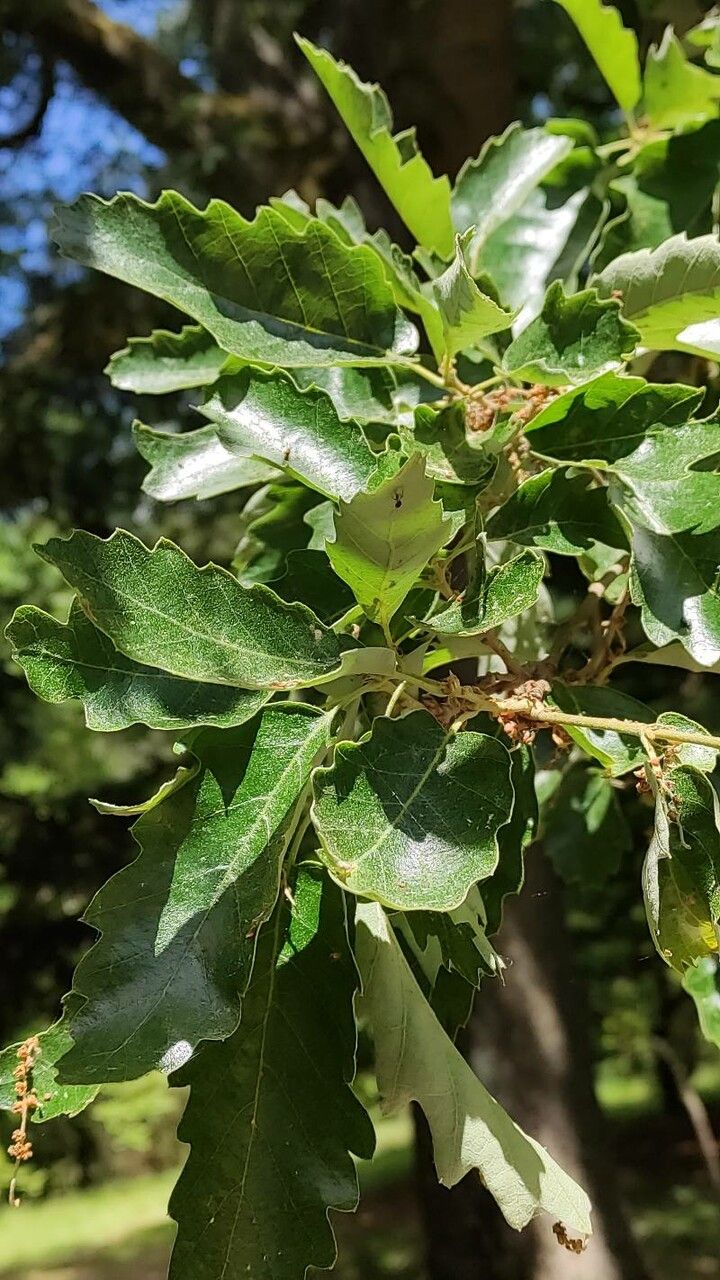
Quercus alnifolia, commonly known as the golden oak or golden cup oak, is a deciduous tree species belonging to the Fagaceae family. Native to southeastern Europe and western Asia, it can grow up to 20 meters tall. The tree boasts a broad crown and dense foliage of glossy green leaves that turn yellow in autumn.
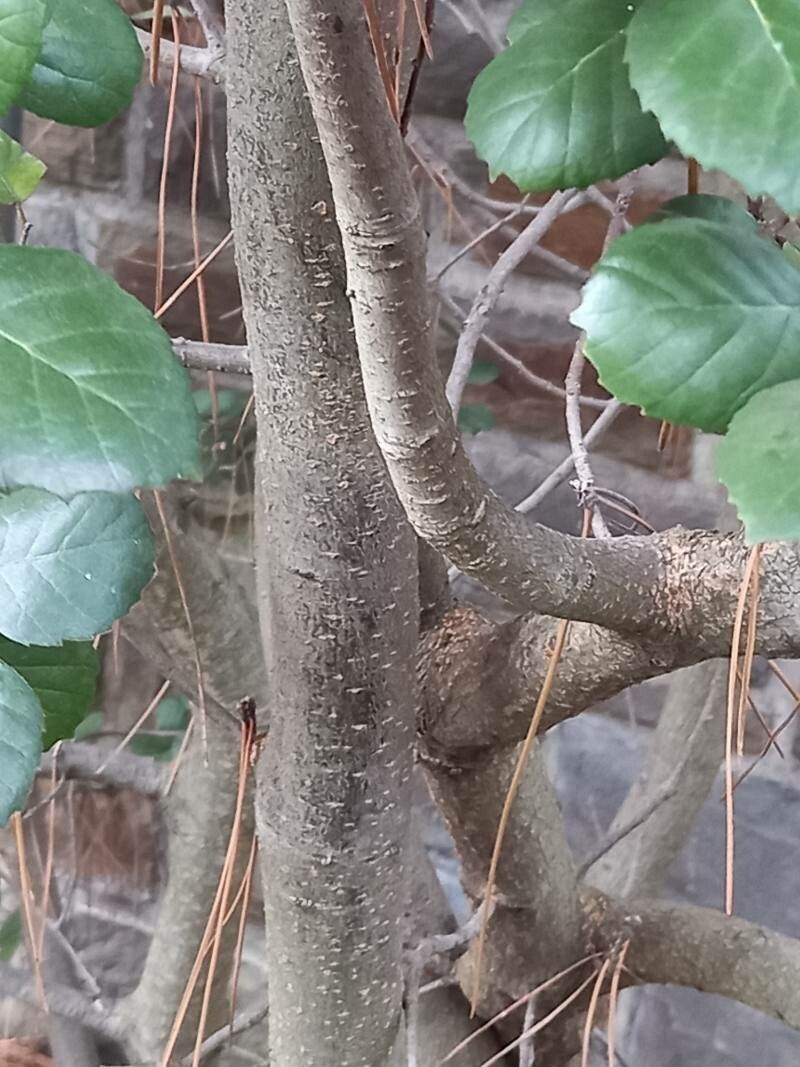
The bark of Quercus alnifolia is grayish-brown and smooth when young but becomes rough as the tree ages. The tree produces acorns about 2 cm long, which serve as an important food source for wildlife.
Quercus alnifolia prefers well-drained soils and can tolerate drought conditions once established. It thrives best in full sun or partial shade environments.
The wood of Quercus alnifolia is hard, heavy, and durable, making it useful for furniture making as well as fuelwood. The leaves have medicinal properties and are used to treat diarrhea, while the acorns, after processing, are edible.
Overall, Quercus alnifolia holds significant ecological importance by providing food for wildlife and serving as a valuable source of timber products for human use.
Botanical profile.
Other names.